Articles for author: Sameen David

Sameen David

Life rebounded shockingly fast after the asteroid that killed the dinosaurs

Plankton’s Lightning Recovery: New Species Emerged Within 2,000 Years After Dinosaur-Killing Asteroid

The asteroid strike that doomed non-avian dinosaurs 66 million years ago unleashed global chaos, from firestorms to a prolonged impact winter. Yet, research reveals that marine life staged a remarkably swift comeback. Microscopic plankton, in particular, evolved into new species far sooner than scientists once believed, signaling the dawn of ecological renewal. The Chicxulub Cataclysm ...

Sameen David

‘Seeing the environmental and human impacts on coral reefs made me want to work to ensure the longevity of their biodiversity’

Diving into Destiny: 27-Year-Old’s Maldives Expedition Ignites Conservation Career

Maldives – Tess Kneebone, a 27-year-old with a globe-trotting spirit, discovered more than stunning underwater vistas during a recent marine conservation expedition. Her journey began with a simple Instagram scroll and evolved into a profound commitment to protect fragile coral ecosystems. What started as an adventurous week at sea reshaped her professional ambitions and deepened ...

Sameen David

Deer marks glow in the dark

Invisible Signals: Deer Rubs and Scrapes Glow Under UV Light

Athens, Georgia – Bucks leave behind rubs and scrapes in the forest that light up under ultraviolet illumination, offering a hidden layer of communication invisible to people. Researchers at the University of Georgia uncovered this phenomenon during nighttime surveys, revealing how white-tailed deer perceive their surroundings in ways humans cannot. The findings highlight a potential ...

Sameen David

A Fossil Trove in an Island World

Hațeg Geopark Yields Ancient Duck-Billed Dinosaur Secret

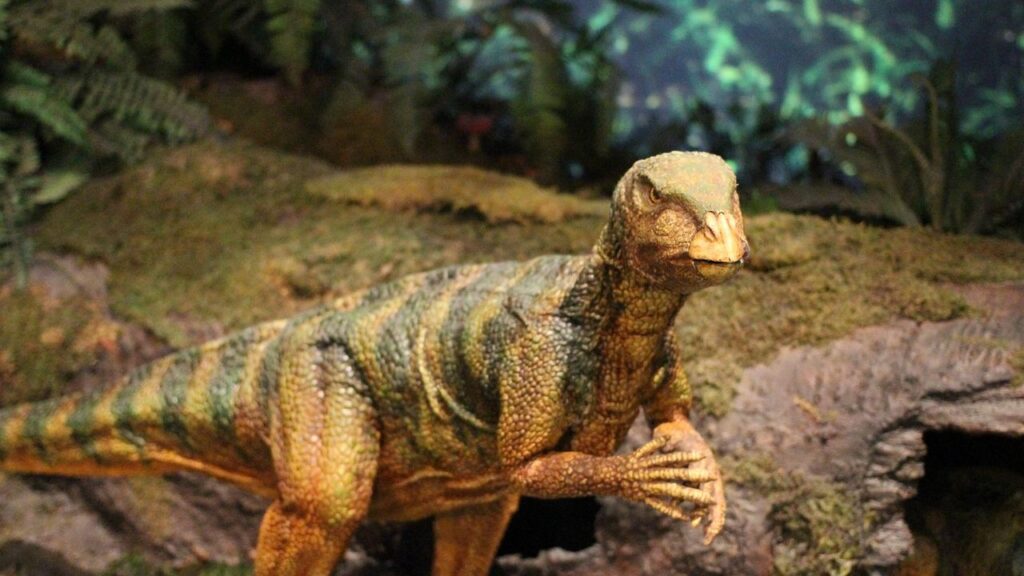
Romania’s Hațeg UNESCO Geopark – Paleontologists recently unveiled a new species of herbivorous dinosaur that roamed the region around 70 million years ago. Fossils unearthed near the village of Vălioara in the Hațeg Basin point to a creature closely tied to the duck-billed dinosaurs known as hadrosauroids. This find highlights the unique evolutionary path taken ...

Sameen David

The Wildlife Society and Org Unit Comments on December 2025 ESA Rulemaking

Wildlife Society Leads Charge Against ESA Rule Changes Threatening Species Protections

The Wildlife Society, representing over 11,000 wildlife professionals, has publicly released a comprehensive binder of comments opposing four proposed revisions to Endangered Species Act regulations. Submitted in December 2025, these responses from the society’s headquarters and various chapters highlight dangers to scientific integrity and conservation amid agency resource strains. The release on March 17, 2026, ...

Sameen David

Panamanian golden frogs return to the wild

Panamanian Golden Frogs Take Cautious Steps Toward Wild Revival

Panama – Conservationists marked a pivotal moment in amphibian recovery efforts late last year when they released captive-bred Panamanian golden frogs into forested enclosures. The species, a cherished national symbol, vanished from the wild in 2009 after chytrid fungus decimated populations across Central America. This experimental reintroduction tested the frogs’ resilience against ongoing threats while ...

Sameen David

A Predator's Relic Frozen in Time

Jordanian Amber Preserves Rare 140-Million-Year-Old Theropod Tooth Akin to T. rex

Jordan – Researchers uncovered a fossilized tooth within amber deposits from the region, transporting scientists back to the Early Cretaceous period around 140 million years ago. This specimen belongs to a carnivorous theropod dinosaur, a group known for its predatory prowess. The find underscores the untapped potential of Jordan’s fossil sites in revealing ancient life ...

Sameen David

Fossils show giant prehistoric kangaroos could still hop

Jumping Giants: Fossils Reveal Prehistoric Kangaroos’ Surprising Hopping Ability

Australia – Researchers have uncovered evidence that massive prehistoric kangaroos, some weighing more than 250 kilograms, possessed the anatomical adaptations needed to hop. This discovery challenges decades-old assumptions derived from scaling modern species. The findings, drawn from detailed analysis of fossil hindlimbs, suggest these Ice Age giants could execute short bursts of hopping despite their ...