Articles for category: Dinosaur Science & Theories

Gryphaea Fossil

6 Fossils That Were Mistaken for Something Else Entirely

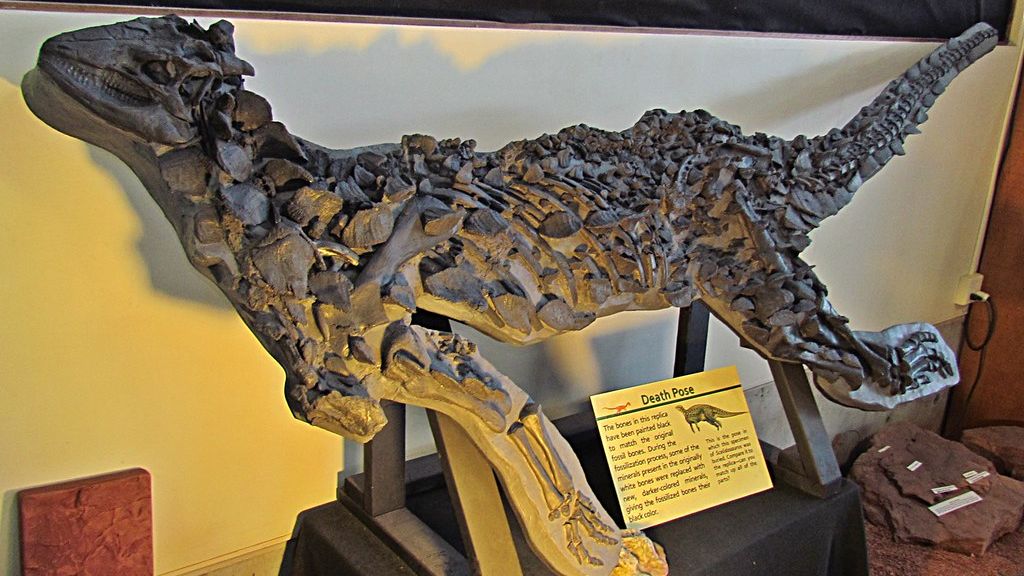
Paleontology, the study of prehistoric life through fossils, is a science filled with fascinating discoveries – and occasional misinterpretations. Throughout history, fossil remains have sparked the imagination of those who found them, often leading to explanations that reflect the knowledge and beliefs of their time rather than scientific reality. From biblical giants to mythical creatures, ...

13 Stunning Visualizations of How Dinosaurs Actually Looked in Their Prime

13 Stunning Visualizations of How Dinosaurs Actually Looked in Their Prime

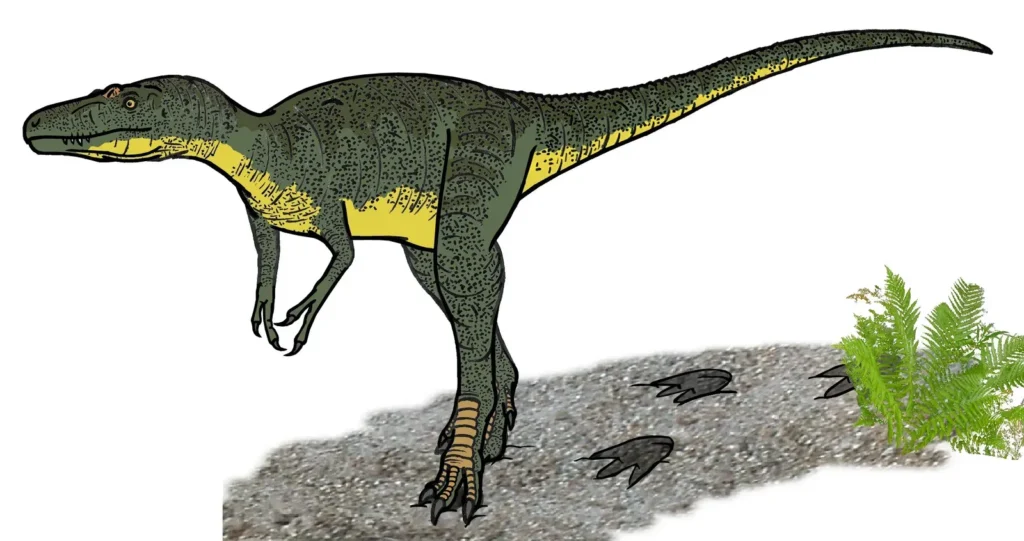
Everything you think you know about dinosaurs is probably at least a little bit wrong. For most of us, the image is seared into memory: towering, scaly green monsters with permanently exposed teeth, dragging their tails, roaring across some foggy prehistoric landscape. That picture, honestly, couldn’t be further from reality. In the past few decades, ...

The discovery of marine fossils alongside dinosaur remains illuminates the complex ecological connections that existed between terrestrial and marine environments during the Mesozoic Era.

10 Dinosaurs That Could Swim

In the vast prehistoric world, dinosaurs dominated land environments for over 165 million years. However, not all dinosaurs were confined to terrestrial habitats. Recent paleontological discoveries have revealed that several dinosaur species possessed adaptations that enabled them to navigate aquatic environments with remarkable proficiency. From specialized limbs to streamlined bodies, these swimming dinosaurs challenge our ...

Raptor Red snow

When Dinosaurs Roamed the Frozen North

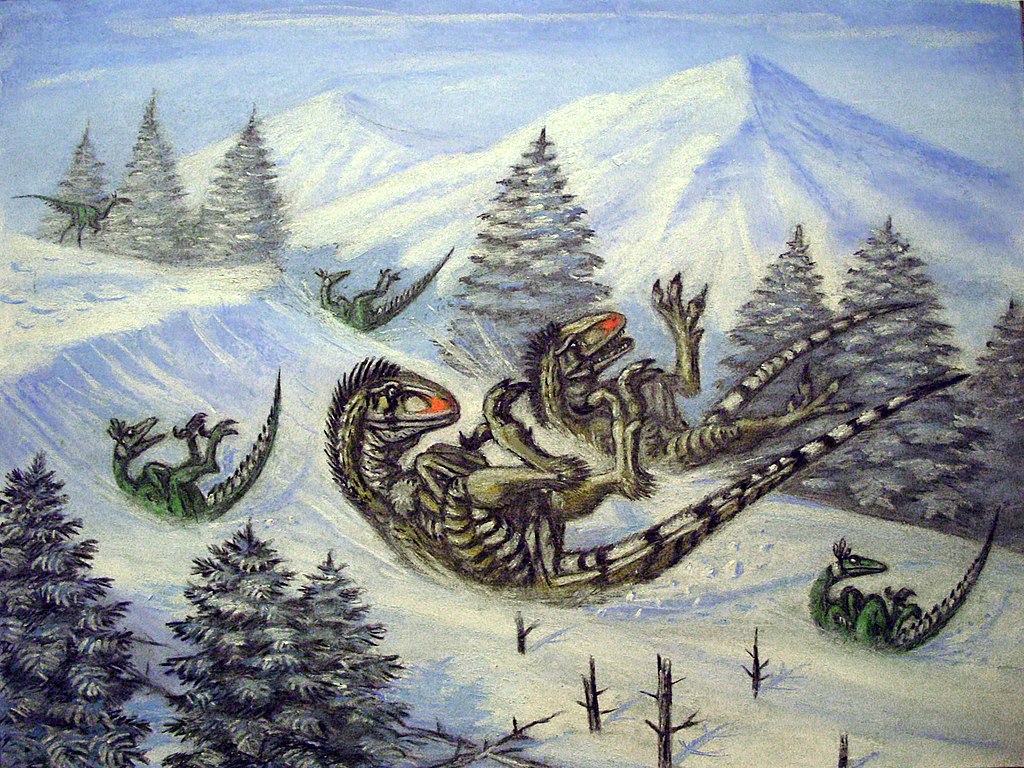
Picture this: massive reptilian beasts stomping through snow-covered forests, their warm breath creating clouds of steam in the frigid Arctic air. While most people imagine dinosaurs basking under tropical suns, recent discoveries have shattered this perception entirely. These ancient giants didn’t just survive in polar regions—they thrived there, creating ecosystems so alien to our modern ...