Articles for category: Dinosaur Science & Theories

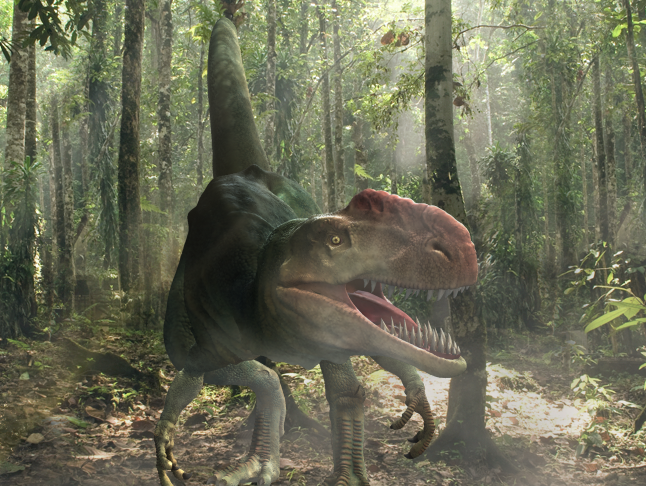
Illustration of a dinosaur with a long tail, gray and yellow scales, and red, pointed teeth. Its sharp claws and focused eyes suggest readiness.

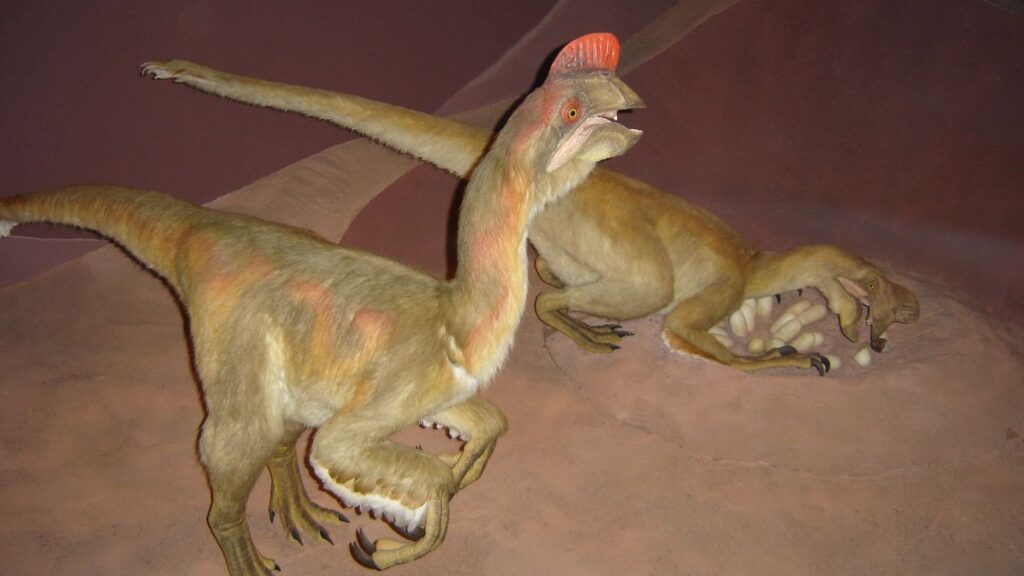
How Did Dinosaurs Sleep? Clues From Fossilized Nests

Dinosaurs, those magnificent beasts that ruled our planet for over 165 million years, have captivated human imagination since their fossilized remains were first scientifically described. While we’ve made remarkable progress in understanding their anatomy, diversity, and even coloration, some aspects of dinosaur biology remain shrouded in mystery. Among these enigmas is a surprisingly fundamental question: ...

13 Stunning Visualizations of How Dinosaurs Actually Looked in Their Prime

13 Stunning Visualizations of How Dinosaurs Actually Looked in Their Prime

Everything you think you know about dinosaurs is probably at least a little bit wrong. For most of us, the image is seared into memory: towering, scaly green monsters with permanently exposed teeth, dragging their tails, roaring across some foggy prehistoric landscape. That picture, honestly, couldn’t be further from reality. In the past few decades, ...

Microraptor's aerodynamic feathers hint at gliding or even early flight, soaring through prehistoric skies.

The Strange Case of Four-Winged Dinosaurs

When we think of dinosaurs, most of us imagine creatures like Tyrannosaurus rex or Triceratops—walking on land with two or four legs. But what if some dinosaurs had four wings? The discovery of feathered dinosaurs with what appear to be four wing-like appendages has revolutionized our understanding of dinosaur evolution and the origin of birds. ...

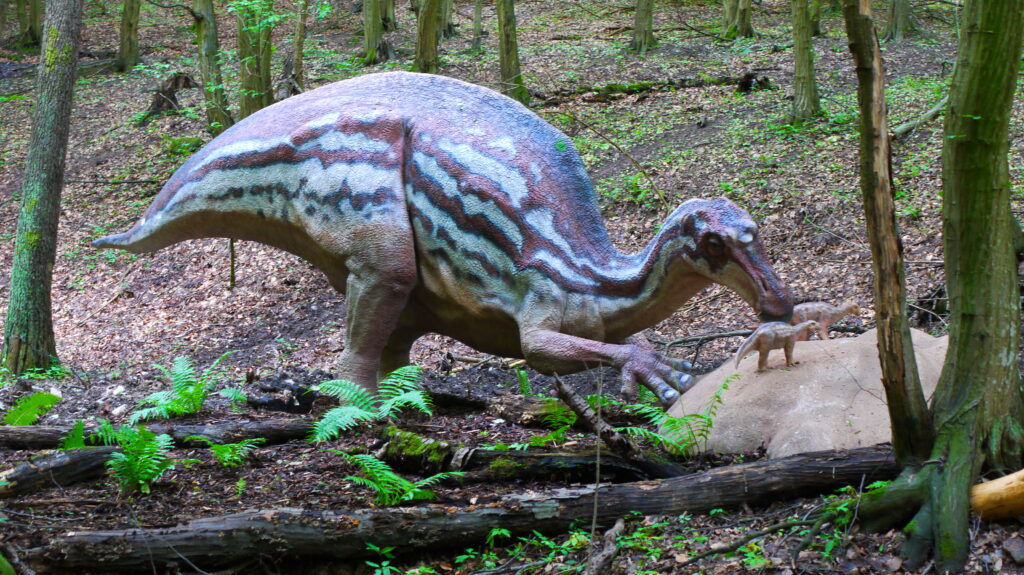
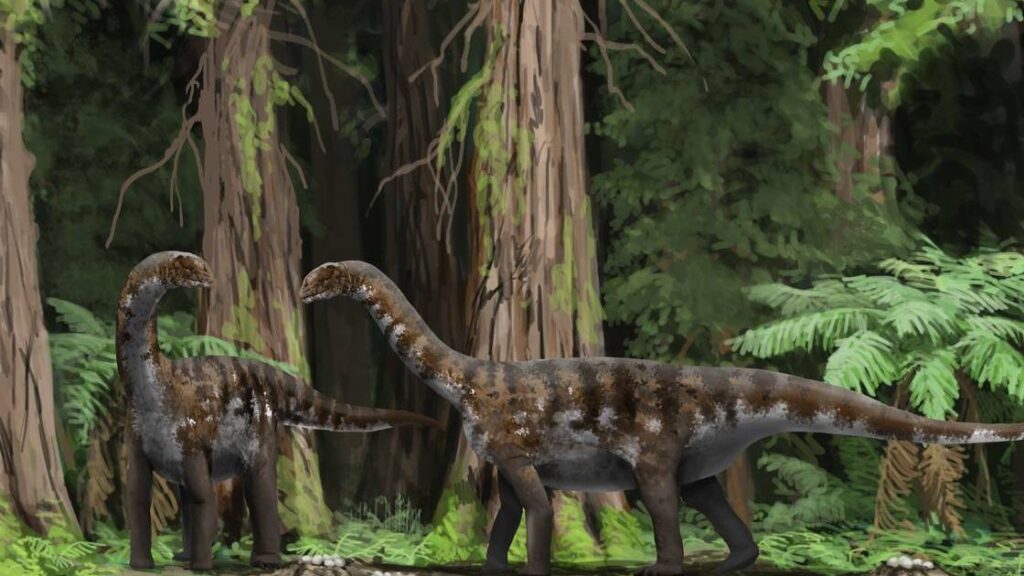
artistic reconstruction of the Ciechocinek Formation, showing dinosaur habitat

Why Did Some Dinosaurs Have Large Brains While Others Didn’t?

Dinosaurs ruled the Earth for over 165 million years, showcasing remarkable diversity in physical traits, including brain size. The variation in dinosaur brain development presents one of paleontology’s most fascinating puzzles. While some dinosaur species evolved impressive neural capabilities relative to their body size, others maintained comparatively tiny brains despite their massive bodies. This disparity ...