Articles for category: Dinosaur Science & Theories

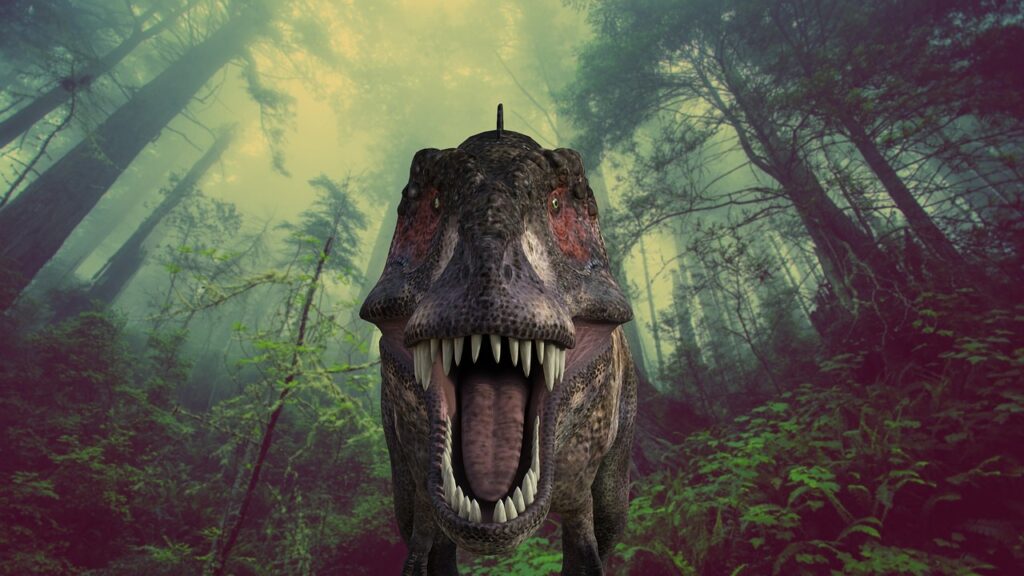
Dinosaurs roam a lush forest

How Herbivores Navigated a World Full of Predators

The relationship between predator and prey represents one of nature’s most fundamental dynamics—an evolutionary arms race spanning millions of years. Herbivores, despite their plant-based diets, have never lived in peaceful garden paradises. Instead, they’ve evolved in ecosystems teeming with carnivores seeking their next meal. From the smallest insects to massive elephants, plant-eaters have developed remarkable ...
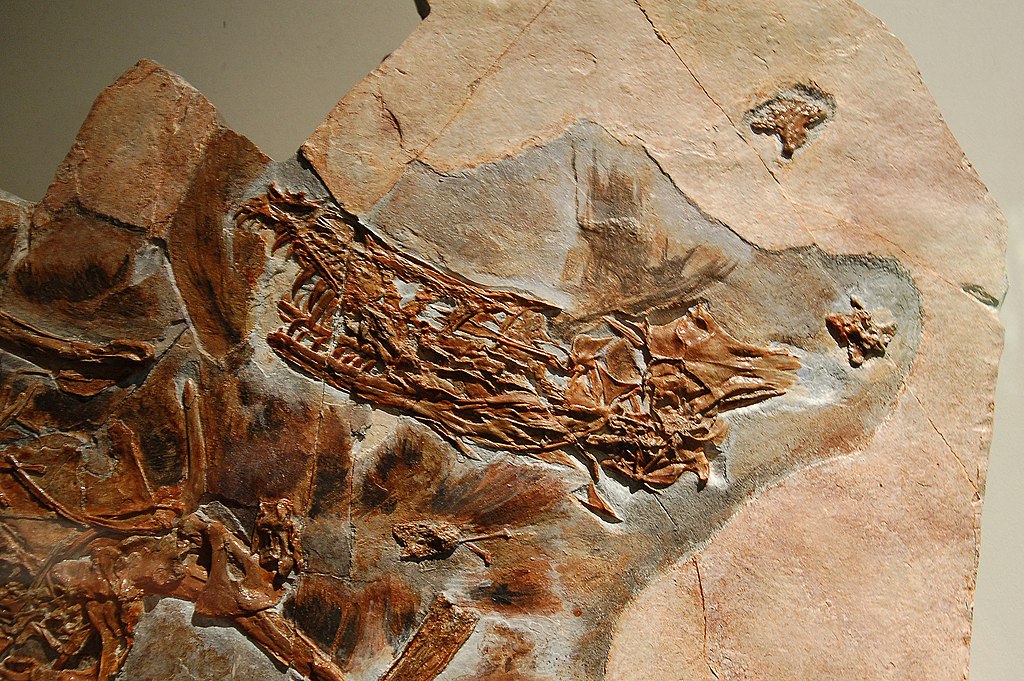
Cast of the holotype specimen of Sinornithosaurus millenii (IVPP V12811), at the American Museum of Natural History in New York.

How Fossils Are Made A Step-by-Step Journey Through Deep Time

Fossils, nature’s time capsules, offer us glimpses into Earth’s distant past. These preserved remains and traces of ancient organisms have helped scientists piece together the evolutionary history of life on our planet, from microscopic bacteria to towering dinosaurs. The process of fossilization is rare and remarkable, requiring specific conditions and often taking millions of years ...

A Food Web Under Pressure

Inside the Cretaceous Oceans: Who Really Ruled the Seas?

Picture yourself diving into an ancient ocean 100 million years ago, where creatures beyond your wildest nightmares lurked beneath the waves. The Cretaceous period wasn’t just about towering dinosaurs on land – the real action was happening underwater, where some of the most terrifying and magnificent predators in Earth’s history battled for supremacy. This watery ...

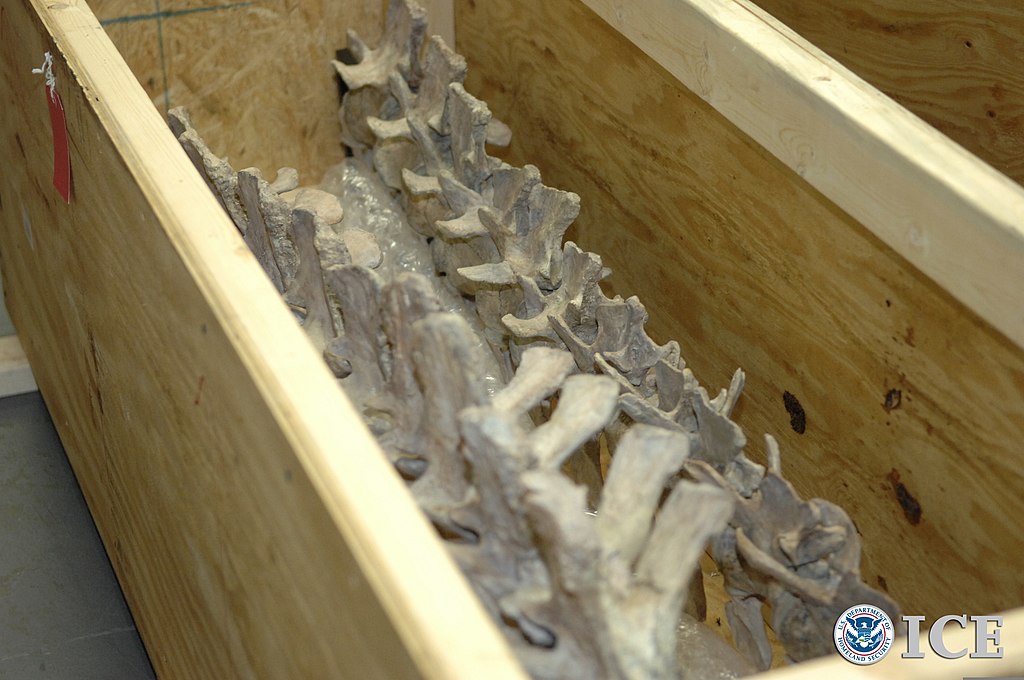
U.S. Immigration and Customs Enforcement (ICE) officials return a Tarbosaurus bataar skeleton to the government of Mongolia

The Perfect Conditions for Fossilization (and Why They’re So Rare)

Most living things decompose without a trace after death, yet fossilization—nature’s exceptional preservation process—offers us windows into Earth’s distant past. From dinosaur bones to delicate leaf impressions, fossils form our understanding of prehistoric life. But why do some organisms become fossilized while countless others vanish completely? The answer lies in a rare confluence of events ...

Mountains That Once Housed Dinosaurs

The Slow Birth of Mountains That Once Housed Dinosaurs

Mountains stand as Earth’s most majestic monuments, rising dramatically from the landscape as if they’ve always been there. Yet the formation of these colossal structures occurs through incredibly slow geological processes spanning millions of years—processes that were actively shaping our planet’s surface during the age of dinosaurs. From the Rockies to the Himalayas, many of ...

Why Climate Was the Biggest Driver of Dinosaur Diversity

Why Climate Was the Biggest Driver of Dinosaur Diversity

Dinosaurs didn’t just evolve in a vacuum—they thrived, adapted, and radiated into countless forms because of one powerful force: climate. From lush tropical swamps to arid deserts and polar forests, shifting climates across millions of years created both challenges and opportunities that shaped dinosaur evolution. Temperature swings, rising and falling sea levels, and changes in ...

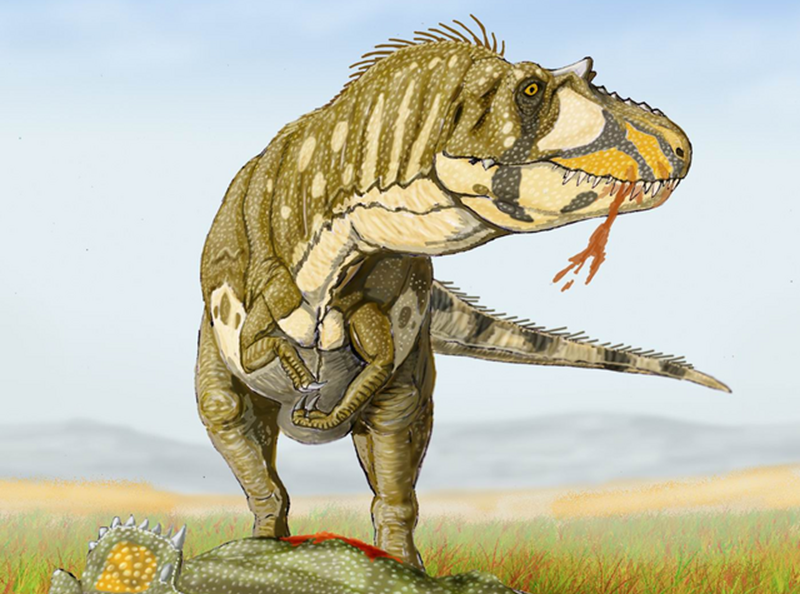
Daspletosaurus The Tyrant Dinosaur

Could Dinosaurs Recognize Their Own Species by Sound?

The prehistoric world teemed with countless dinosaur species, each adapting to their environments across millions of years. These magnificent creatures dominated Earth for over 165 million years, evolving complex behaviors and communication systems. While we can observe modern animals recognizing their kind through vocalizations, the question of whether dinosaurs could identify conspecifics through sound presents ...

Shrinking and Expanding Dinosaurs

The Dinosaur Family Tree Is a Mess—And That Might Be a Good Thing

For over a century, paleontologists have been working to organize dinosaurs into a comprehensive family tree, placing each species in its proper evolutionary context. This taxonomic framework has been the backbone of dinosaur science, helping researchers understand relationships between different dinosaur groups and how they evolved over millions of years. But in recent years, dramatic ...

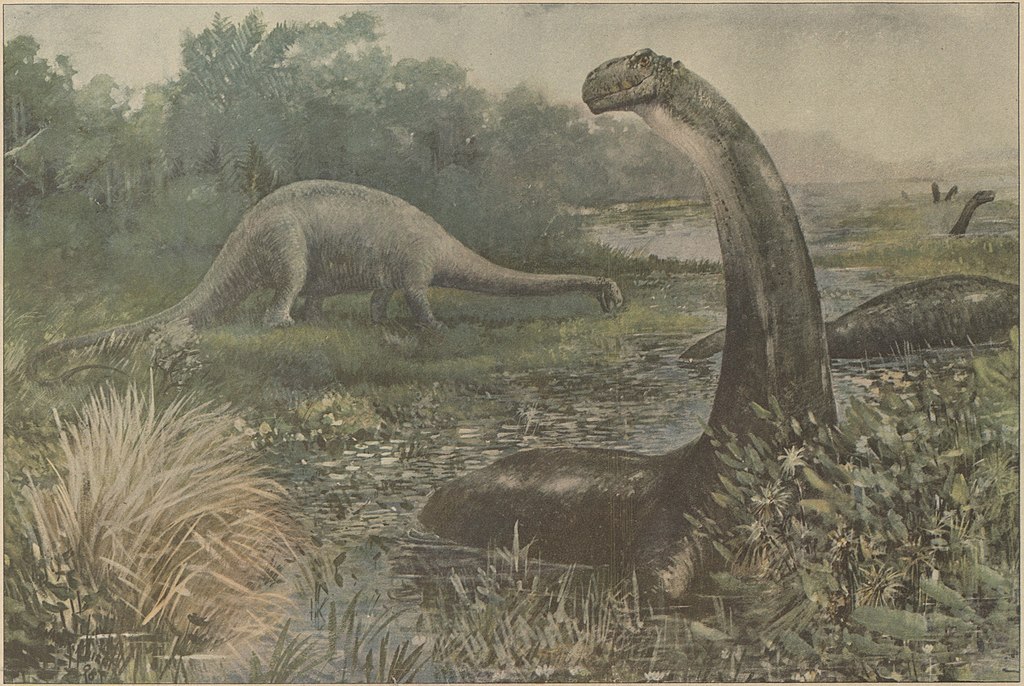
Illustration of the Brontosaurus by Charles R. Knight

How Fossils Can Fool Us Mistakes and Misinterpretations in Paleontology

Paleontology, the study of prehistoric life forms through fossil examination, has revolutionized our understanding of Earth’s biological history. However, this scientific field is not immune to errors. The very nature of working with incomplete remains millions of years old creates ample opportunity for misinterpretation. Throughout paleontology’s history, scientists have made fascinating mistakes—some small, others monumental—that ...

Microraptor's aerodynamic feathers hint at gliding or even early flight, soaring through prehistoric skies.

How the World’s Smallest Dinosaurs Helped Us Understand Bird Evolution

The journey from dinosaurs to birds represents one of the most fascinating evolutionary transitions in the history of life on Earth. While many people picture dinosaurs as massive creatures that dominated prehistoric landscapes, it was some of the smallest dinosaur species that provided the critical evidence linking these ancient reptiles to modern birds. These diminutive ...