Articles for category: Dinosaur Science & Theories

The Ultimate Apex Predator

Are All Dinosaur Species Actually Unique—or Just Different Growth Stages?

The study of dinosaurs has fascinated scientists and the public alike for centuries, but a provocative question has emerged in paleontology circles: Could some dinosaur species be the same animal at different points in their life cycle? This question challenges our understanding of dinosaur diversity and highlights the difficulties in classifying ancient creatures from incomplete ...
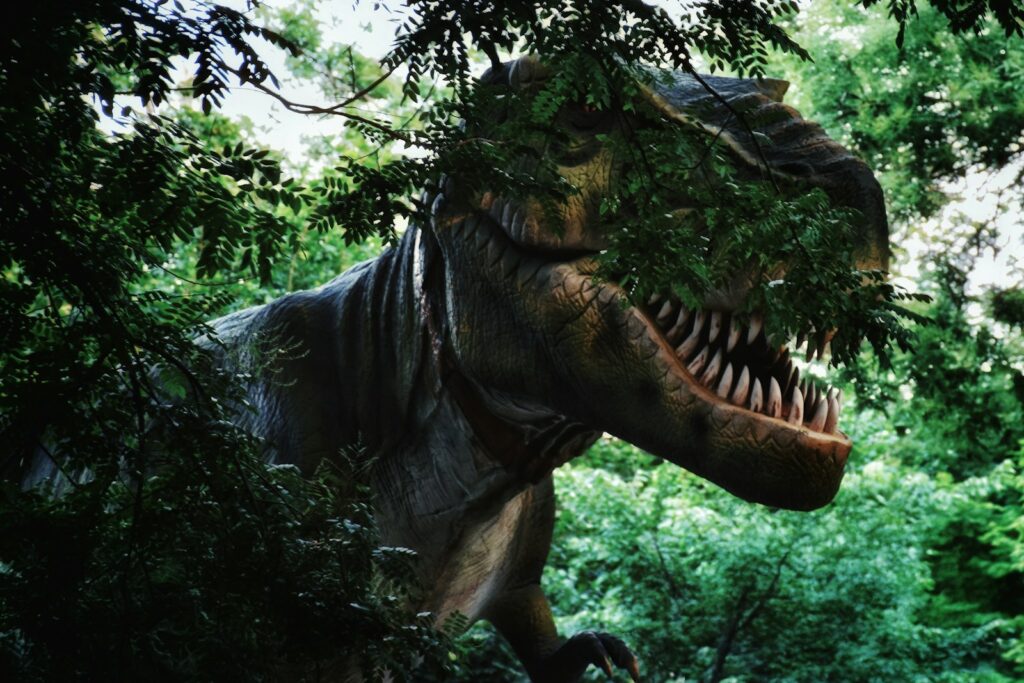
A tyrannosaurus rex lurks within lush foliage

The Word Dinosaur Doesn’t Mean What You Think It Does

When we hear the word “dinosaur,” most of us immediately picture massive, scaly creatures that roamed the Earth millions of years ago. From the towering Brachiosaurus to the fearsome Tyrannosaurus rex, these prehistoric beasts have captured our collective imagination through museum exhibitions, Hollywood blockbusters, and countless children’s books. But what if I told you that ...

Australian Age of Dinosaurs

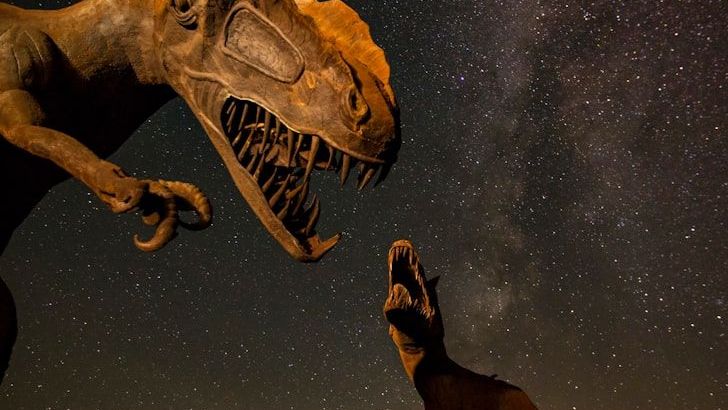
Were Any Dinosaurs Nocturnal Hunters

Night-time predation among prehistoric reptiles has fascinated paleontologists for decades. While dinosaurs have traditionally been portrayed as daytime hunters in popular culture, scientific evidence suggests a more complex reality. Recent discoveries and innovative research techniques have begun to shed light on the possibility that some dinosaurs were indeed active during nighttime hours. This article explores ...

What Dinosaurs Did at Night - New Clues From Eye Fossils

What Dinosaurs Did at Night – New Clues From Eye Fossils

Think you know what dinosaurs were up to during their heyday? Think again. While classic movies like Jurassic Park painted dramatic images of Velociraptors prowling in darkness, most of us assumed these giant creatures were daytime dwellers, leaving the night shift to early mammals scurrying underfoot. Recent fossil discoveries, however, are rewriting this story completely. ...

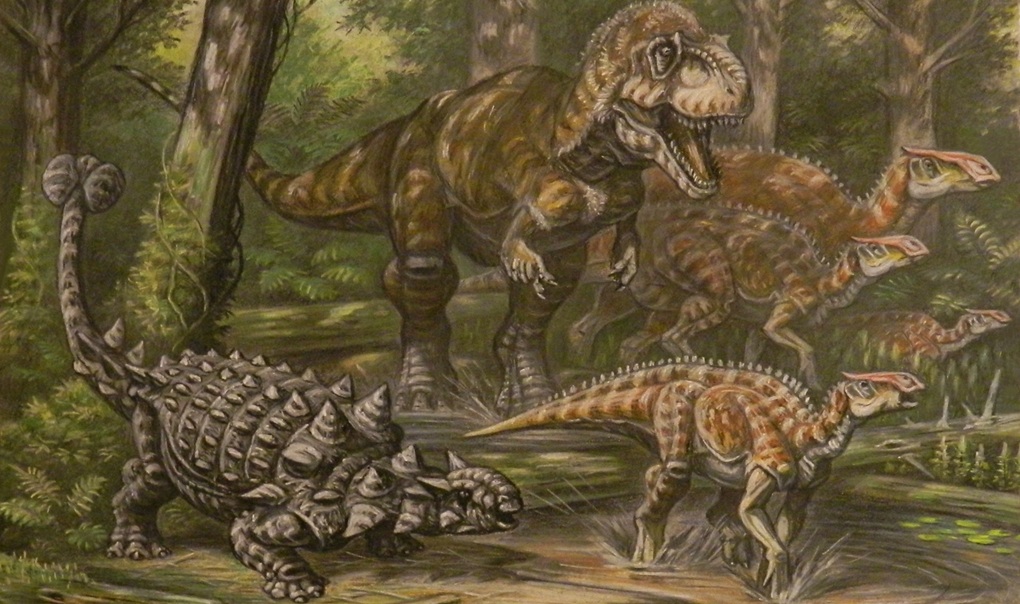
Daspletosaurus hunting

How Dinosaur Discoveries Changed the Way We See Time

The unearthing of massive, otherworldly bones from deep within the Earth’s crust has profoundly altered humanity’s perception of time. Before dinosaur discoveries, our understanding of Earth’s history was limited largely by religious texts and philosophical speculation. The revelation that enormous reptilian creatures once dominated our planet for over 165 million years fundamentally challenged existing frameworks ...

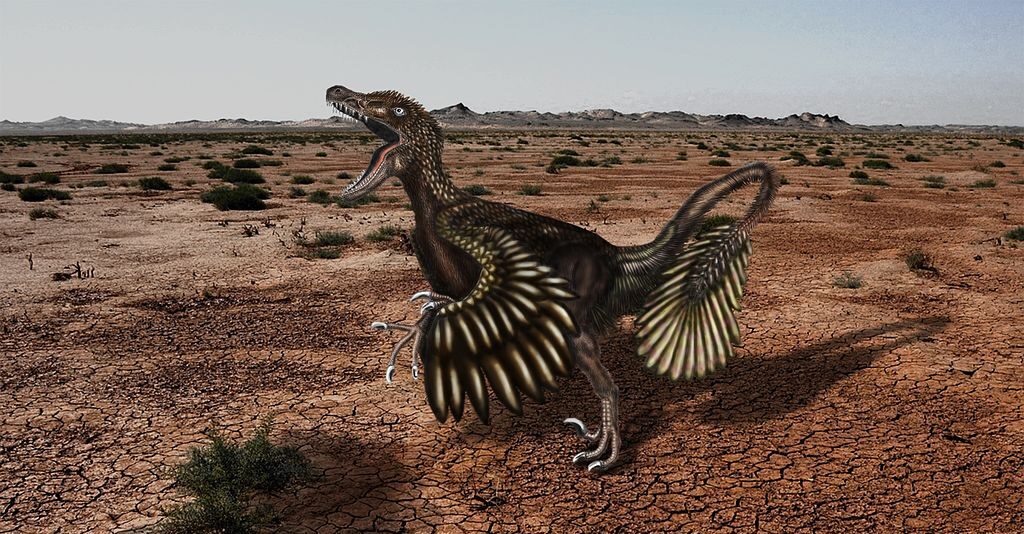
Velociraptor Mongoliensis Painting

How Dinosaurs Adapted to Living in Deserts, Swamps, and Forests

The remarkable 165-million-year reign of dinosaurs across Earth showcases one of evolution’s most impressive achievements: adaptation to diverse environments. From scorching deserts to muggy swamps and dense forests, dinosaurs evolved specialized traits that allowed them to thrive in vastly different ecosystems. These adaptations manifested in their skeletal structures, metabolic processes, feeding strategies, and reproductive behaviors. ...

The Dinosaur Fossil With Skin Still Intact

The Dinosaur Fossil With Skin Still Intact

Imagine stumbling upon a creature that died 66 million years ago, yet looks so lifelike you might expect it to open its eyes. These extraordinary finds of dinosaur fossils with preserved skin are revolutionizing our understanding of these ancient giants. While bones and teeth survive the test of time, soft tissues like skin typically decompose ...

Daspletosaurus Hunting Triceratops

How Paleontologists Know What Dinosaurs Looked Like

Dinosaurs have captured human imagination since the first fossils were identified in the early 19th century. From towering T. rex skeletons in museums to the feathered raptors of Jurassic Park, our vision of these prehistoric creatures has evolved dramatically over time. But how do scientists actually determine what these animals looked like when they roamed ...