Articles for category: Fossils & Fieldwork

A rare gem from the past: Barb Beasley’s discovery of a Tyrannosaurus rex tooth during a 2012 Passport in Time excavation in the iconic Hell Creek Formation.

Fossil Forensics: What a Single Tooth Can Tell Us About the Past

A single ancient tooth, sometimes no larger than a thumbnail, can unlock extraordinary secrets about life on Earth millions of years ago. In the skilled hands of paleontologists and researchers, these seemingly modest remains transform into powerful storytelling devices that illuminate extinct species, ancient ecosystems, and even evolutionary turning points. Fossil teeth serve as time ...

Microraptor's aerodynamic feathers hint at gliding or even early flight, soaring through prehistoric skies.

Are We Over-Interpreting Fossils with Modern Bias?

The study of ancient life through paleontology has revolutionized our understanding of Earth’s biological past. By examining fossils—preserved remains or traces of organisms from previous geologic periods—scientists reconstruct extinct species and ecosystems that existed millions of years ago. However, a growing concern within the scientific community questions whether modern human biases and perspectives unconsciously influence ...

Sue’s Secrets: A robust wishbone in Sue's skeleton strengthened the link between T. rex and birds.

Why Fossilized Dinosaur Skin Impressions Are So Rare (and So Valuable)

When we think of dinosaur fossils, we typically envision bones and teeth preserved in rock—the hard parts that withstood the test of time. However, some of the most scientifically significant and valuable dinosaur fossils aren’t bones at all, but rather the impressions of soft tissues like skin. These remarkable fossilized skin impressions offer paleontologists unprecedented ...

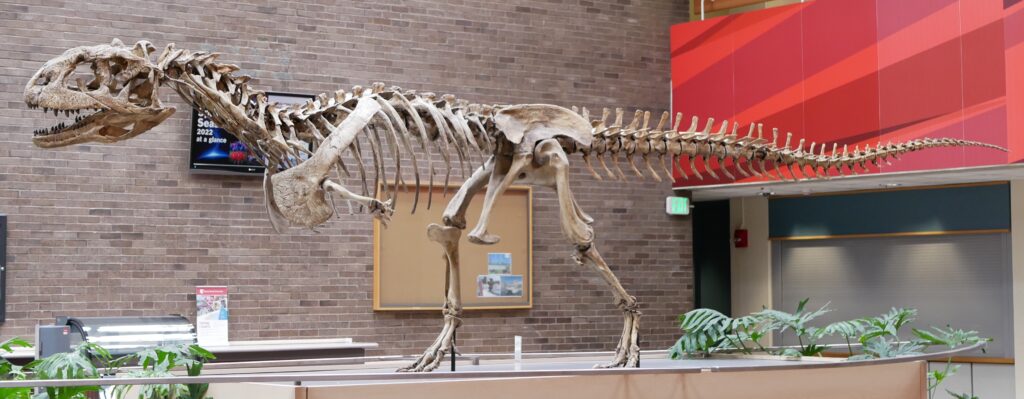
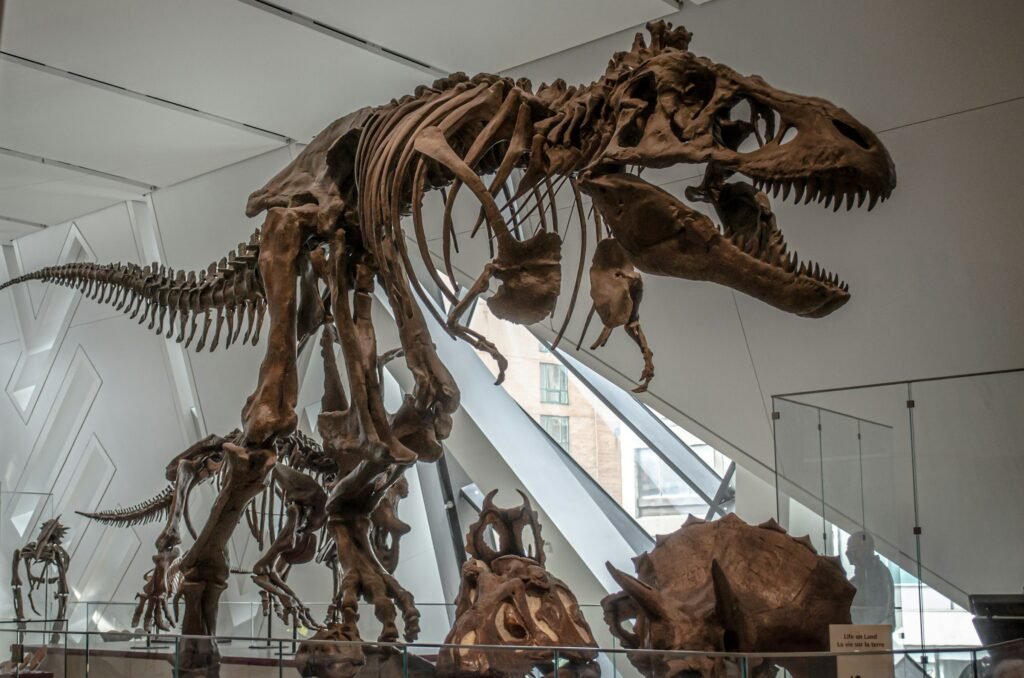
Dinosaur skeleton exhibit in a museum lobby. The fossil is mounted in a walking pose, with long tail and open jaw, set against a brick wall backdrop.

How Paleontologists Reconstruct Dinosaurs from Just a Few Bones

In museums around the world, complete dinosaur skeletons tower over awestruck visitors, seemingly telling the full story of these ancient creatures. Yet behind these impressive displays lies an astonishing scientific process—most dinosaurs are reconstructed from remarkably incomplete remains. Paleontologists often work with just fragments, sometimes only a handful of bones, to piece together not just ...

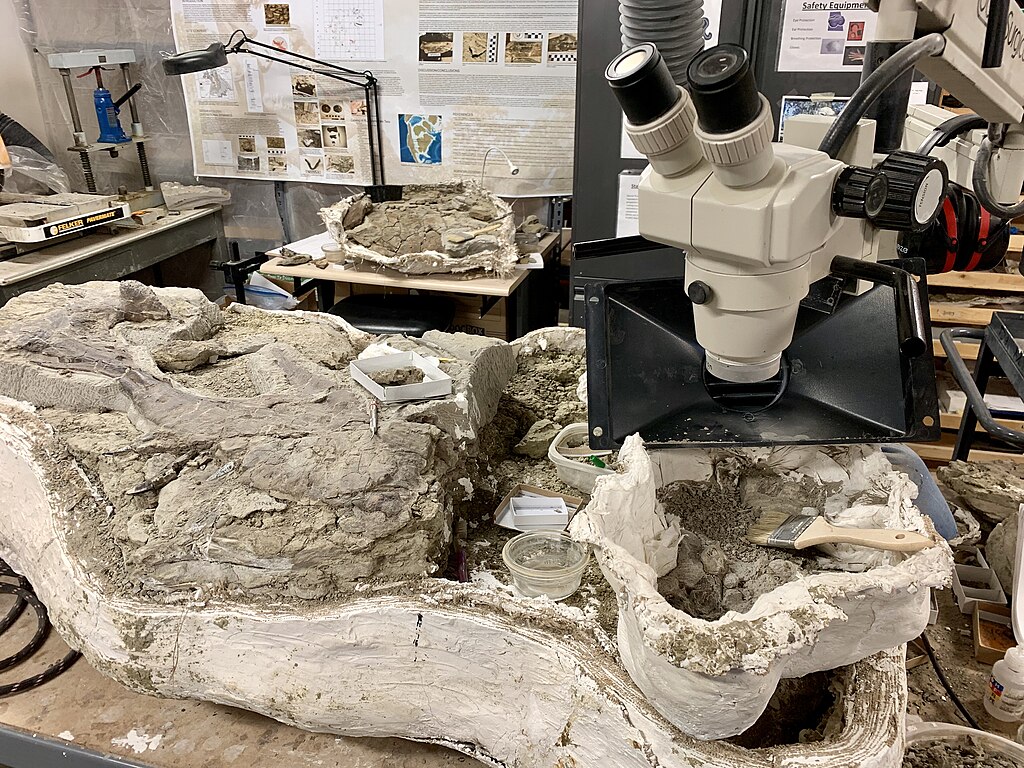
Plaster Dinosaur Jackets to protect the fossils for transport

How Fossils Travel: From Discovery Site to Museum Display

Fossils, the preserved remains or traces of ancient organisms, serve as precious time capsules that provide insights into Earth’s biological history. The journey of a fossil from its initial discovery in the field to its final showcase in a museum involves numerous intricate steps, specialized expertise, and careful handling. This fascinating process combines elements of ...

13 Creatures Museums Quietly Stopped Calling Dinosaurs Without Announcing It

13 Creatures Museums Quietly Stopped Calling Dinosaurs Without Announcing It

Most people assume every giant reptile skeleton standing in a museum atrium is a dinosaur. That assumption has been quietly wrong for decades. Paleontologists have spent years re-checking ankle bones, skull sutures, and hip structures, and dozens of “dinosaurs” simply didn’t survive the audit. Museums rarely issue a press release when a placard gets rewritten. ...

Archaeopteryx Bridged Dinosaurs and Birds

7 Times Fossils Solved Ancient Mysteries

Picture walking through a museum and stopping dead in your tracks at a fossil display. You’re not just looking at old bones. You’re witnessing detective stories that span millions of years, where scientists have played the role of time-traveling investigators. These prehistoric puzzles have been sitting in rock layers, patiently waiting for someone to crack ...

10 Times Fossils Were Found by Accident

10 Times Fossils Were Found by Accident

The thrill of scientific discovery often comes from the most unexpected places. Some of the world’s most significant fossil finds weren’t the result of carefully planned expeditions, but rather happy accidents that changed our understanding of life on Earth. From construction workers striking ancient bones to children stumbling upon prehistoric treasures, these accidental discoveries have ...