Articles for category: Fossils & Fieldwork

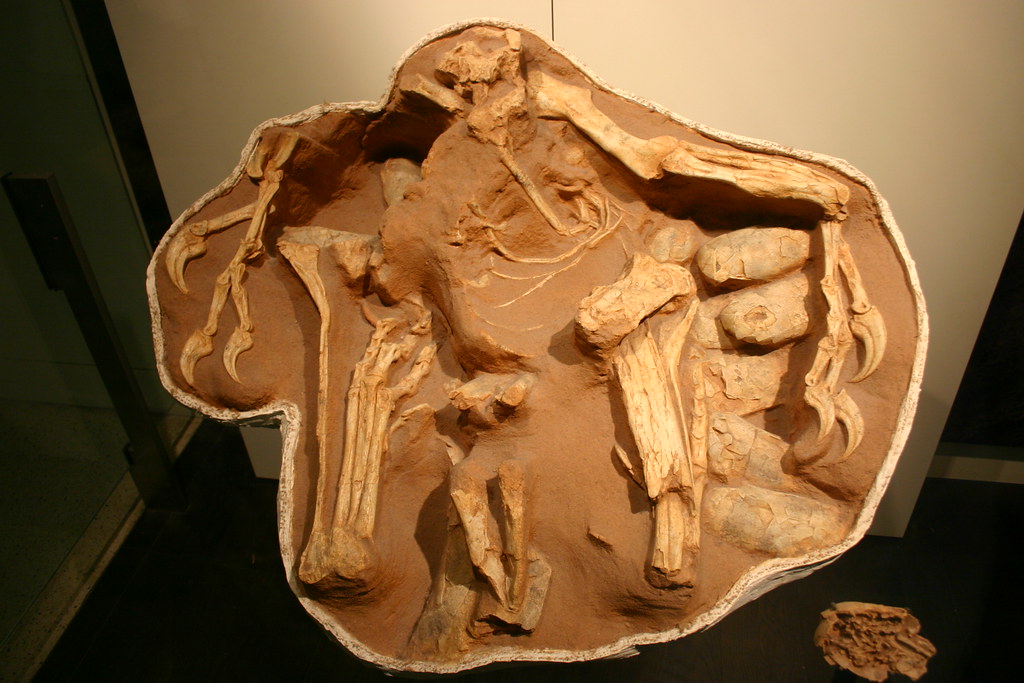
Imprints Inside Dinosaur Bones

What Early Paleontologists Got Wrong About Dinosaurs

Paleontology, like all sciences, has evolved dramatically over time. Our understanding of dinosaurs today bears little resemblance to the initial interpretations made by early fossil hunters. The journey from the first dinosaur discoveries to our current knowledge represents one of science’s most fascinating evolutions of thought. Early paleontologists, working without modern technology and within the ...

Plaster Dinosaur Jackets to protect the fossils for transport

How Fossils Travel: From Discovery Site to Museum Display

Fossils, the preserved remains or traces of ancient organisms, serve as precious time capsules that provide insights into Earth’s biological history. The journey of a fossil from its initial discovery in the field to its final showcase in a museum involves numerous intricate steps, specialized expertise, and careful handling. This fascinating process combines elements of ...

BLM Paleontologist Dr Greg McDonald

The Tools of the Trade: What Paleontologists Pack for a Dino Dig

Paleontologists are scientific detectives, uncovering the mysteries of prehistoric life that walked our planet millions of years ago. When these fossil hunters head into the field to excavate dinosaur remains, they don’t just grab a shovel and bucket. Modern paleontological expeditions require careful planning and a specialized toolkit that combines traditional tools with cutting-edge technology. ...

10 Dinosaur Fossils That Proved Scientists Wrong

10 Dinosaur Fossils That Proved Scientists Wrong

Imagine spending decades building your understanding of ancient life, only to have a single fossil discovery shake the foundation of everything you thought you knew. The world of paleontology is no stranger to stunning revelations that force scientists to completely rewrite their theories about dinosaurs. From feathered dinosaurs that challenged long-held beliefs to aquatic predators ...

Sue’s Secrets: A robust wishbone in Sue's skeleton strengthened the link between T. rex and birds.

Why Dinosaur Bones Became Status Symbols for the Rich

Throughout history, humanity has been fascinated by extraordinary objects that connect us to Earth’s mysterious past. Among these coveted treasures, dinosaur fossils have emerged as particularly prestigious status symbols for the wealthy elite. From Victorian-era aristocrats to modern tech billionaires, the possession of these prehistoric remains represents far more than scientific interest—it signifies power, cultural ...

Archaeopteryx Bridged Dinosaurs and Birds

7 Times Fossils Solved Ancient Mysteries

Picture walking through a museum and stopping dead in your tracks at a fossil display. You’re not just looking at old bones. You’re witnessing detective stories that span millions of years, where scientists have played the role of time-traveling investigators. These prehistoric puzzles have been sitting in rock layers, patiently waiting for someone to crack ...

Reproduction of Darwinius masillae holotype fossil (specimen PMO 214.214)

Solving Prehistoric Puzzles: Famous Fossil Finds Decoded

Throughout history, paleontologists have unearthed remarkable fossils that have dramatically reshaped our understanding of prehistoric life on Earth. These fossilized remains—bones, teeth, impressions, and even preserved soft tissues—serve as time capsules, offering glimpses into worlds long vanished. The discovery and interpretation of these ancient relics require meticulous scientific detective work, combining geology, biology, chemistry, and ...

Ediacaran biota

The Mystery of the Missing Fossils: When Science Follows the Trail

Paleontology, the study of ancient life through fossils, faces a curious paradox: despite Earth’s 4.5 billion-year history teeming with life for much of that time, the fossil record remains surprisingly incomplete. This scientific mystery, often called “the missing fossils problem,” has puzzled researchers since Darwin’s era and continues to challenge our understanding of evolutionary history. ...