Articles for category: Fossils & Fieldwork

Ediacaran biota

The Mystery of the Missing Fossils: When Science Follows the Trail

Paleontology, the study of ancient life through fossils, faces a curious paradox: despite Earth’s 4.5 billion-year history teeming with life for much of that time, the fossil record remains surprisingly incomplete. This scientific mystery, often called “the missing fossils problem,” has puzzled researchers since Darwin’s era and continues to challenge our understanding of evolutionary history. ...

Dinosaur hatchlings emerge from their eggs in a sandy nest

What Can We Learn from Fossilized Dinosaur Eggs?

Fossilized dinosaur eggs represent remarkable time capsules from Earth’s distant past, offering paleontologists and researchers unique insights that skeletal remains alone cannot provide. These prehistoric treasures, sometimes preserved with embryos inside, reveal intimate details about dinosaur reproduction, parenting behaviors, and evolutionary connections that have profound implications for our understanding of both extinct and modern species. ...

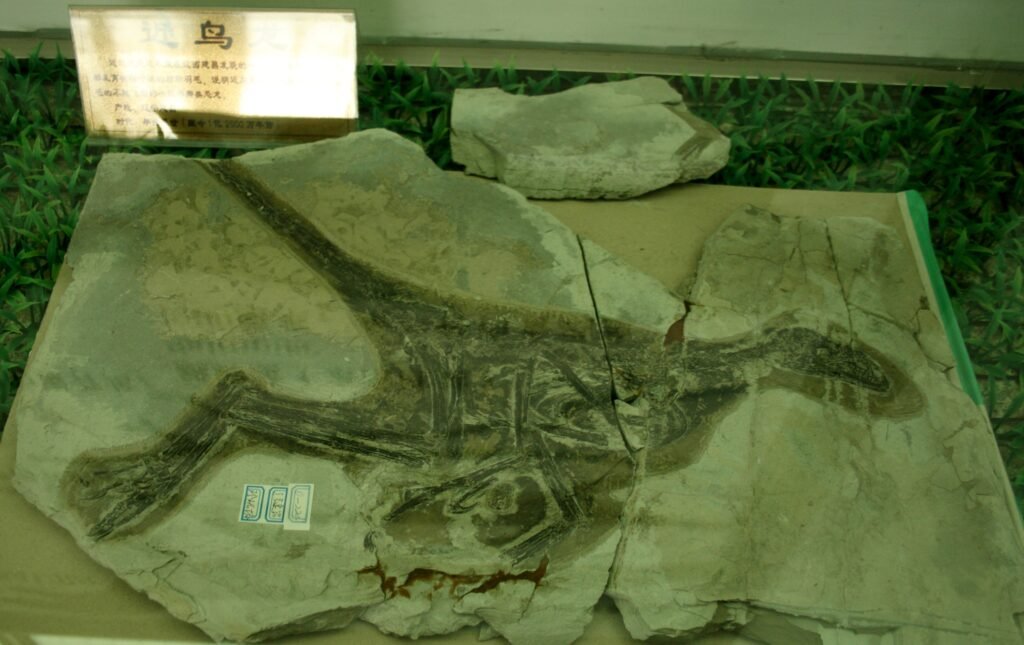
Fossils from the Jehol Biota capture evolution in action

Academic Gatekeeping: Who Gets to Publish Dinosaur Discoveries?

Paleontology, the study of prehistoric life through fossils, captures the imagination of both scientists and the public. Among the most celebrated fossils are dinosaur remains, which offer glimpses into Earth’s distant past. However, behind the museum displays and exciting announcements of new dinosaur species lies a complex world of academic publishing that determines whose discoveries ...

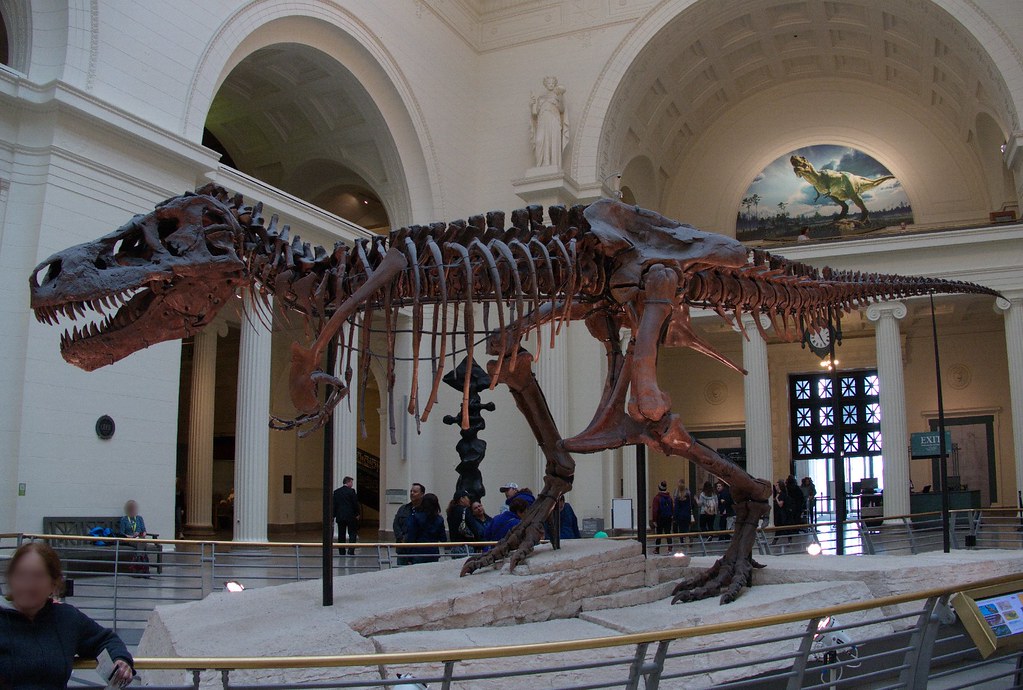
Tyrannosaurus Rex skeleton in Smithsonian National Museum of Natural History

Feathers on a T-Rex? What the Fossils Are Really Saying

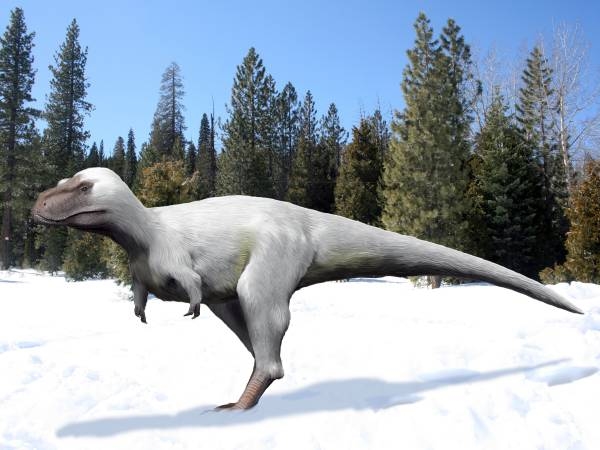
For generations, our collective imagination has pictured Tyrannosaurus rex as a terrifying, scaly predator stomping through prehistoric landscapes. However, recent paleontological discoveries have challenged this long-held image, suggesting that the king of dinosaurs might have sported feathers rather than scales, at least partially. This possibility has ignited fierce debate among scientists and dinosaur enthusiasts alike. ...

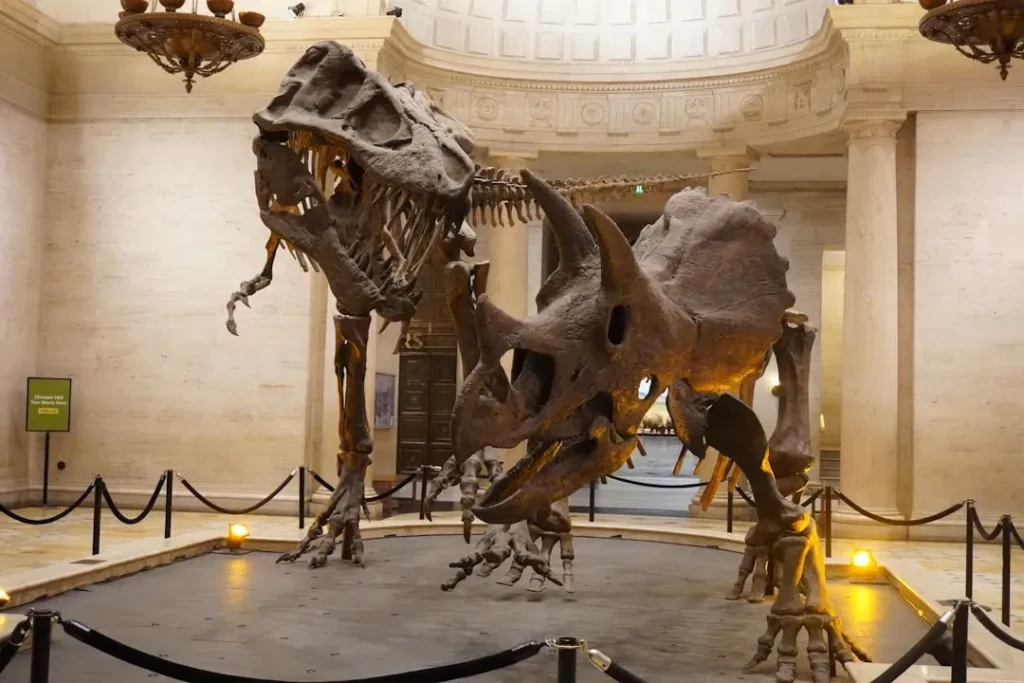
Museo di Storia Naturale di Firenze

From Error to Icon: How Paleontology Corrects Its Mistakes

Paleontology, the study of prehistoric life through fossils, has a fascinating relationship with error. Unlike many scientific disciplines where mistakes might be confined to laboratory notebooks, paleontological errors often become public spectacles—immortalized in museum displays, textbooks, and popular culture. Yet the field’s resilience lies precisely in its ability to correct course, transform understanding, and even ...

A scientist examines a large fossil under a microscope in a lab

When Ego Digs Deeper Than Evidence: Science Under Pressure

A silent battle often rages in the pristine halls of scientific inquiry, where objectivity and evidence should reign supreme. Despite their training in methodical reasoning and empirical evaluation, scientists remain fundamentally human, vulnerable to the same cognitive biases and emotional pressures that affect us all. When personal reputation, career advancement, and institutional prestige enter the ...

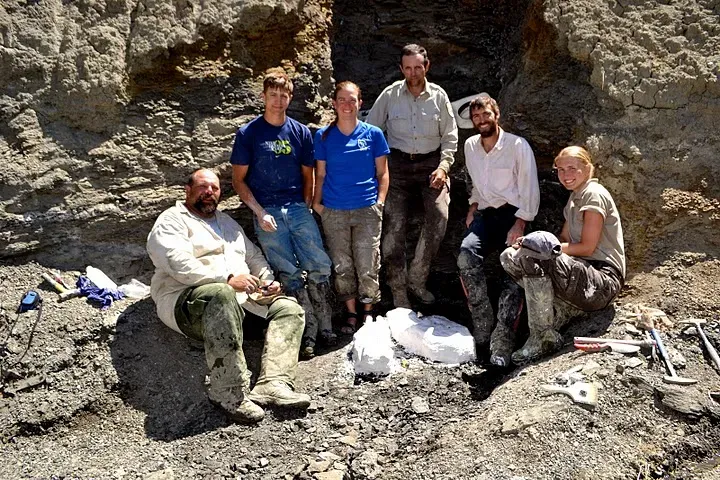
FossiLab at Smithsonian National Museum of Natural History

Inside the Fossil Lab: How Bones Are Prepped for Research

Behind every museum display of ancient creatures and every scientific paper about prehistoric life lie countless hours of meticulous laboratory work. Fossil preparation—the process of extracting, cleaning, and preserving fossil specimens—forms the critical foundation upon which paleontological research is built. This often-overlooked aspect of paleontology requires equal parts scientific knowledge, artistic skill, and infinite patience. ...