Articles for category: Fossils & Fieldwork

Fossil Finds: New Evidence Suggests Dinosaurs Were Warm-Blooded Hunters

Fossil Finds: New Evidence Suggests Dinosaurs Were Warm-Blooded Hunters

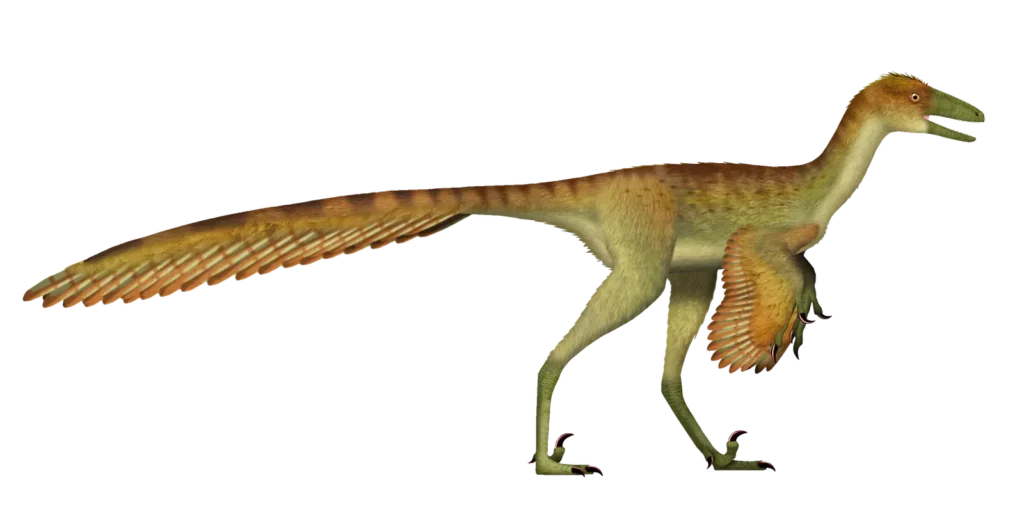
You have probably grown up with two competing images of dinosaurs in your head: the slow, lumbering, cold-blooded swamp beasts of old textbooks, and the sleek, agile, bird‑like predators you see in modern documentaries. Over the last few decades, fossil discoveries have quietly been rewriting that picture, and the latest evidence tilts things even more ...
Dental Fossils in Paleontology

When Fossils Challenged the Bible: The Church’s Early Reaction to Dinosaurs

In the early nineteenth century, as the first dinosaur fossils were being scientifically classified, a profound intellectual challenge emerged within Christian communities across Europe and America. The discovery of creatures that appeared nowhere in scripture—massive reptilian beasts that had dominated Earth long before humans—created a theological crisis that would reshape religious thought. These ancient bones ...

Dinosaur skeleton displayed in a dimly lit museum setting. The fossil stands prominently with a large skull, sharp teeth, and a long tail, evoking a sense of ancient majesty.

Fossilization: What Are the Odds a Dinosaur Becomes a Fossil?

Dinosaurs captivate our imagination like few other creatures in Earth’s history. These magnificent reptiles ruled our planet for over 160 million years before mysteriously disappearing approximately 66 million years ago. Yet our knowledge of these ancient giants comes exclusively from their fossilized remains—the bones, teeth, footprints, and occasionally skin impressions that survived the eons to ...

Fossils are nature’s time machines

Inside the Lab Where Fossils Are Cleaned and Assembled

Fossil preparation laboratories are the hidden workshops where ancient remains transform from dusty rocks into scientific treasures that reveal Earth’s distant past. Within these specialized spaces, skilled technicians and paleontologists work meticulously to free fossils from their stony prisons and reconstruct creatures that lived millions of years ago. These labs represent the crucial intermediate stage ...

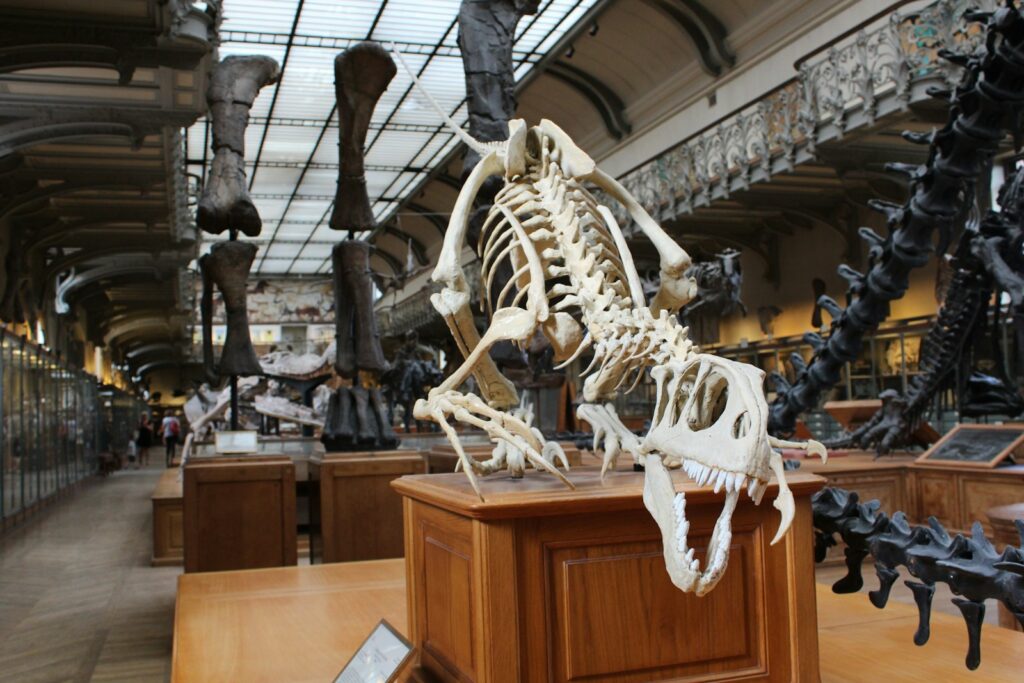
Dinosaur skeletons in a museum exhibit, featuring a prominent T. rex skull with jaws open. The setting is spacious with high ceilings and wooden displays.

From Bone to Museum: The Journey of a Dinosaur Fossil

The magnificent dinosaur exhibits that captivate visitors in museums worldwide represent the culmination of a remarkable scientific process that often spans years, sometimes decades. Each fossil on display has undergone an extraordinary journey—from its formation millions of years ago to its discovery, preparation, and final mounting in a museum hall. This transformation from buried bone ...