Articles for category: Fossils & Fieldwork

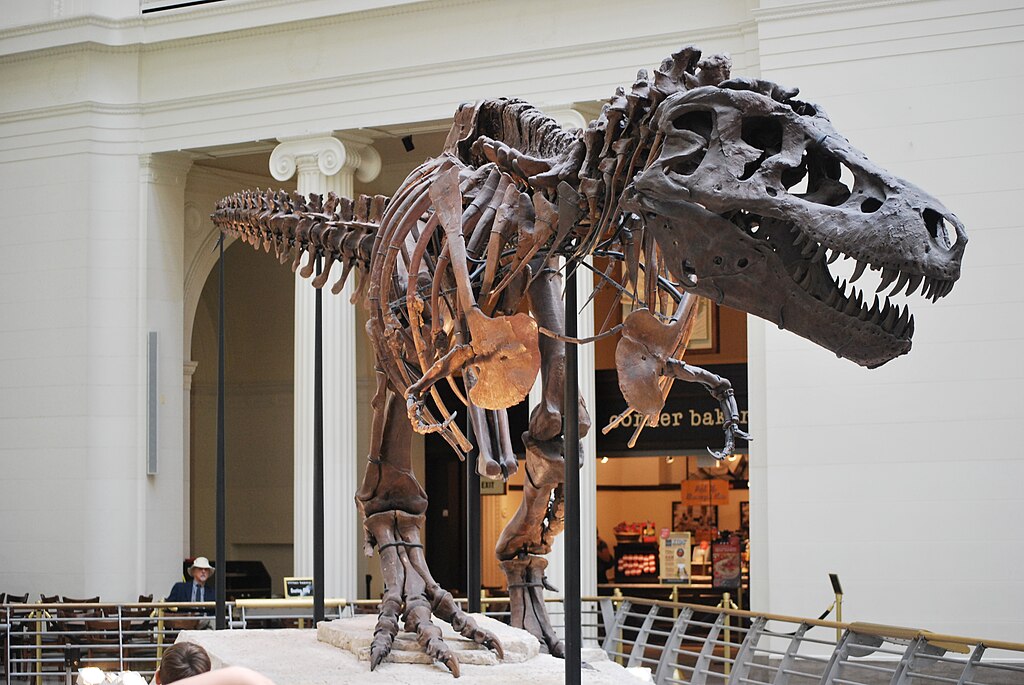
Sue the T-Rex at the Field Museum of Natural History, Chicago, IL

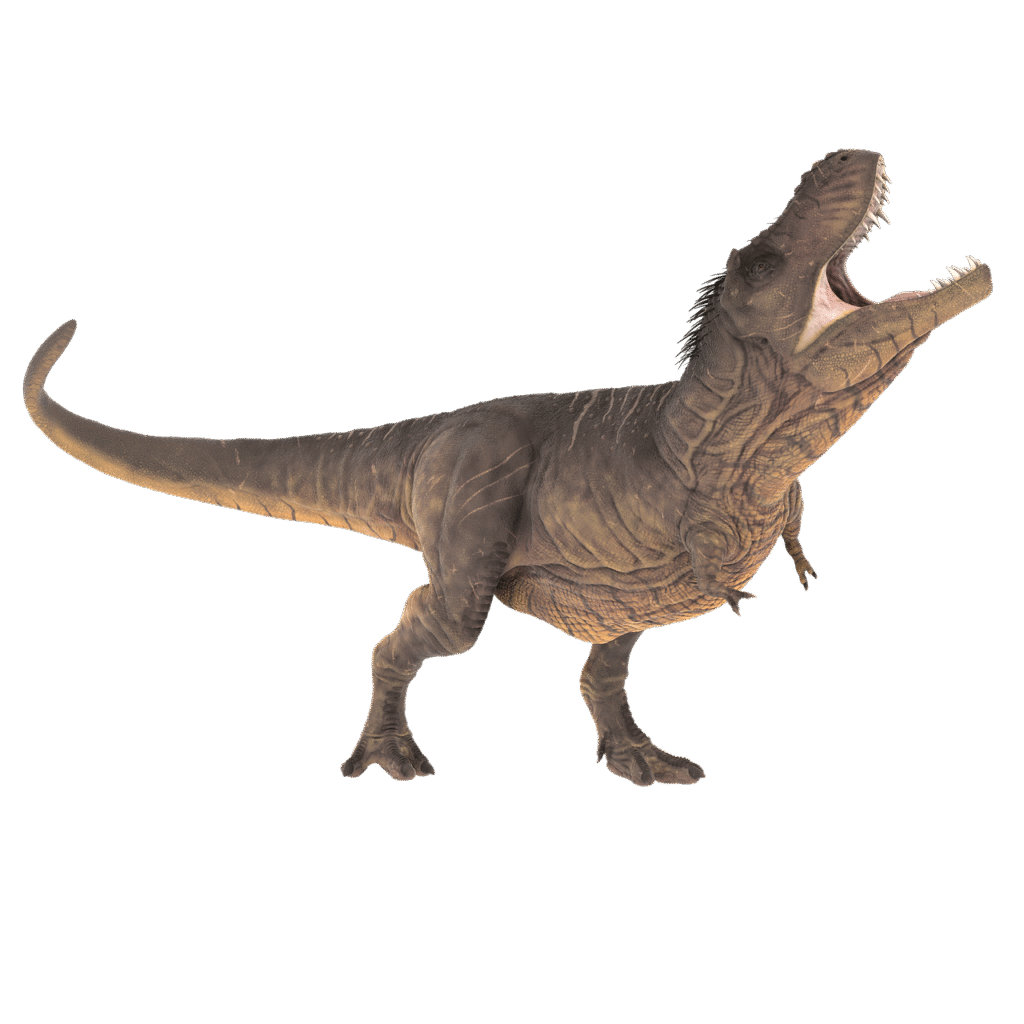
The T-Rex Skeleton That Sparked a Paleontology Turf War

In the summer of 1990, a remarkable discovery in the badlands of South Dakota set the stage for one of paleontology’s most notorious legal battles. Sue, the largest and most complete Tyrannosaurus rex skeleton ever found, became the center of a complex ownership dispute that would reshape museum acquisition practices, fossil collection ethics, and the ...
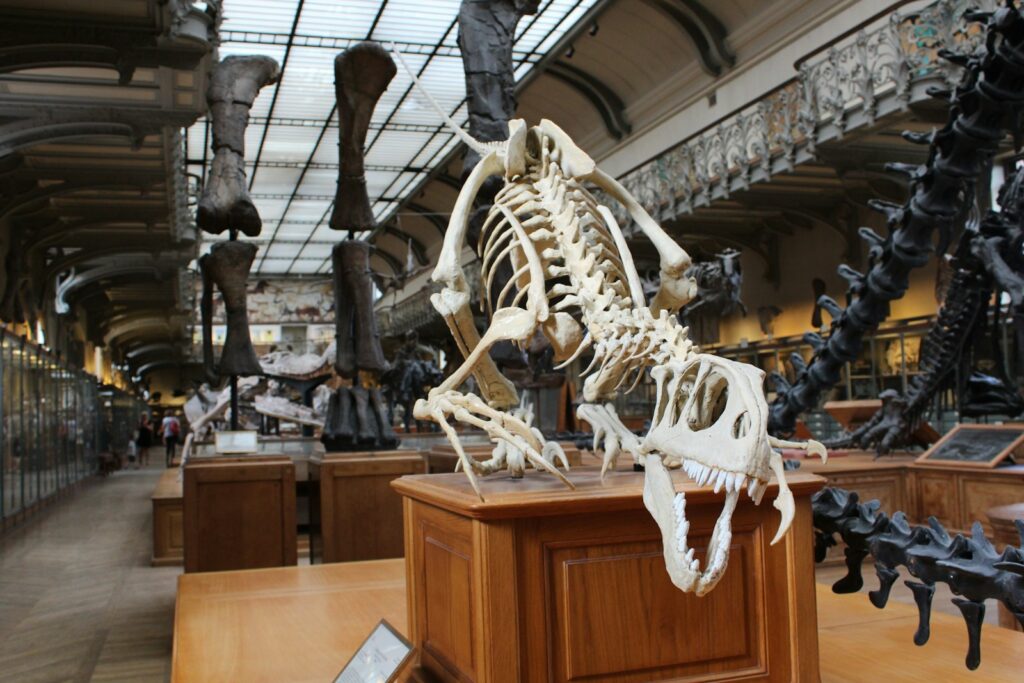
Dinosaur skeletons in a museum exhibit, featuring a prominent T. rex skull with jaws open. The setting is spacious with high ceilings and wooden displays.

When Museums Buy Stolen Fossils: Who’s Responsible?

The discovery of a significant fossil, whether it’s a T. rex skull or an ancient hominid, represents a crucial piece of our planet’s history. However, the journey these specimens take from ground to museum display often travels through murky ethical waters. When prestigious institutions purchase fossils with questionable provenance, it raises profound questions about accountability, ...

Reading Between the Footprints

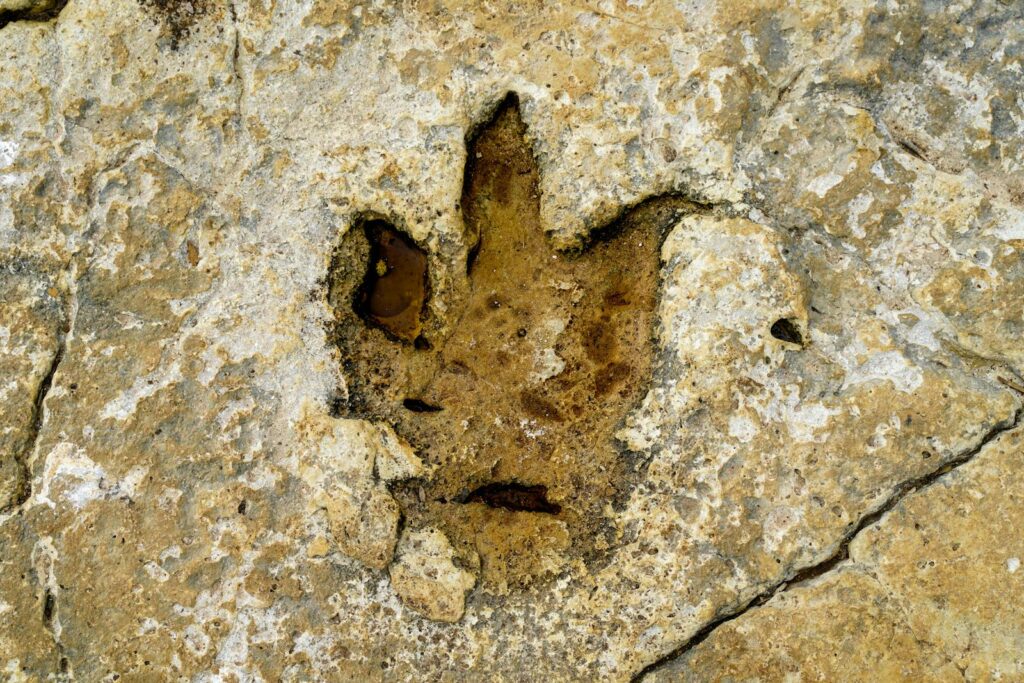
Fossil Footprints: How Dinosaur Tracks Reveal Behavior in Motion

Millions of years before humans walked the Earth, dinosaurs left their mark on our planet—quite literally. Their fossilized footprints, preserved in ancient mud and stone, offer paleontologists a rare glimpse into prehistoric life in motion. Unlike skeletal remains that show what dinosaurs looked like in death, tracks reveal how these magnificent creatures moved, interacted, and ...

The Giant Amphibians That Came Before the Dinosaurs

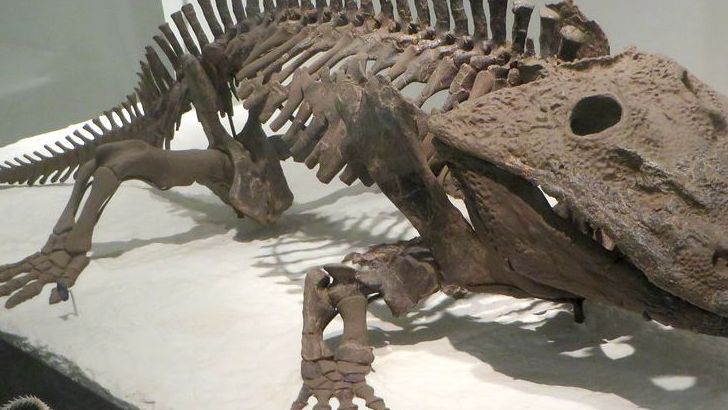
The Giant Amphibians That Came Before the Dinosaurs

Picture a world where massive crocodile-like creatures ruled ancient swamps and lakes, their heads as long as a human and their bodies stretching over twenty feet. This wasn’t a time of dinosaurs yet, but an era dominated by giants that would make today’s largest salamanders look like toys. These were the temnospondyls, Earth’s most successful ...

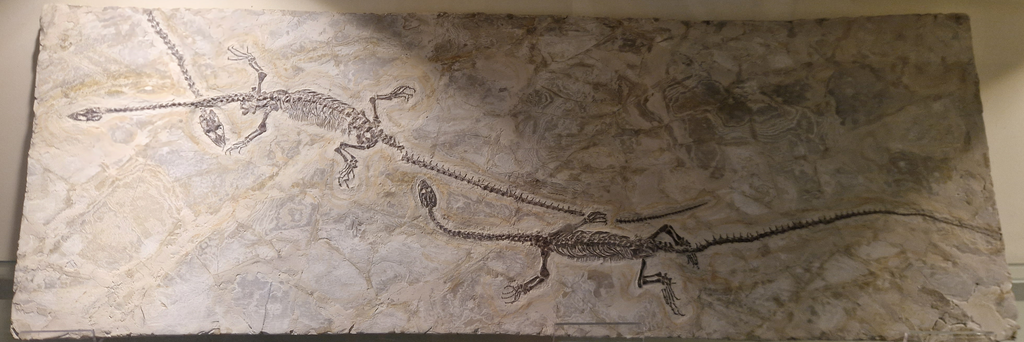
Hyphalosaurus lingyuanensis-Liaoning, China - Napoli Paleontological Museum

What Is a Fossil and How Is It Formed?

Fossils are remnants or traces of ancient organisms preserved in the Earth’s crust over geological time. These natural time capsules provide scientists with critical information about extinct species, ancient ecosystems, and the evolution of life on our planet. Dating back hundreds of millions and even billions of years, fossils form a crucial link to Earth’s ...

Big Al Allosaurus

Dinosaur Detectives: How Clues in Bones Rewrite History

Dinosaurs have captivated human imagination since the first fossilized remains were scientifically recognized in the early 19th century. Yet our understanding of these magnificent creatures continues to evolve dramatically with each new discovery. Modern paleontology has transformed from simply collecting bones to a sophisticated multidisciplinary science that combines geology, biology, chemistry, and advanced imaging technologies. ...

Nautilus pompilius

Horseshoe Crabs and Nautiluses: Living Fossils From the Dino Era

Ancient survivors from a bygone era, horseshoe crabs and nautiluses stand as remarkable living connections to Earth’s distant past. While dinosaurs vanished 65 million years ago, these extraordinary creatures endured, maintaining their prehistoric forms through countless geological upheavals. Their remarkable resilience and evolutionary stability have earned them the moniker “living fossils” – organisms that appear ...