Articles for category: Fossils & Fieldwork

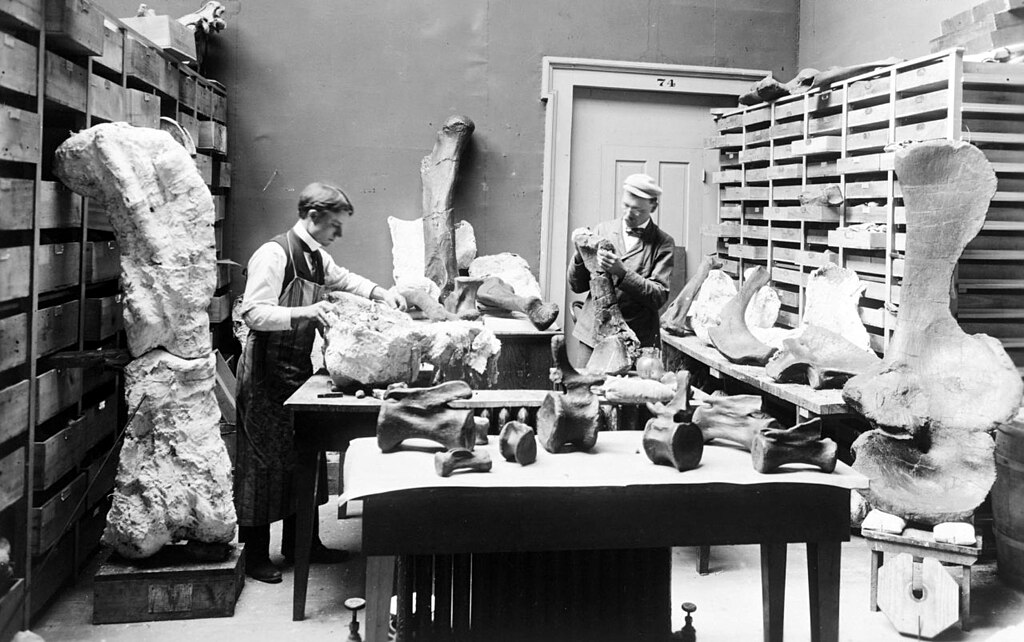
Elmer Riggs, the first curator of Fossil Mammals wearing cap and field laboratory assistant Harold W. Menke preparing Grand Junction Colorado fossils including the Brachiosaurus altithorax femur still in plaster jacket at left, Paleontology Laboratory, Field Columbian Museum, Geology specimen, December 1, 1894.

5 Lab Technicians and Fossil Preparators Who Deserve More Credit

While paleontologists and researchers often receive the spotlight for groundbreaking fossil discoveries, the meticulous work of laboratory technicians and fossil preparators remains largely in the shadows. These skilled professionals transform raw field specimens into scientifically valuable artifacts through painstaking preparation, preservation, and documentation. Their expertise combines artistry with scientific precision, yet their names rarely appear ...

New Fossil Discoveries Are Changing Everything We Knew About Dinosaur Evolution

New Fossil Discoveries Are Changing Everything We Knew About Dinosaur Evolution

You’ve probably grown up picturing dinosaurs as lumbering, scaly reptiles roaming swampy landscapes. Think about those classic museum displays or old textbooks. Maybe you imagined a grey, lizard-like T. rex with its tiny arms or a Triceratops with rough, bumpy skin. Here’s the thing though. Scientists have just unearthed a treasure trove of fossils that ...

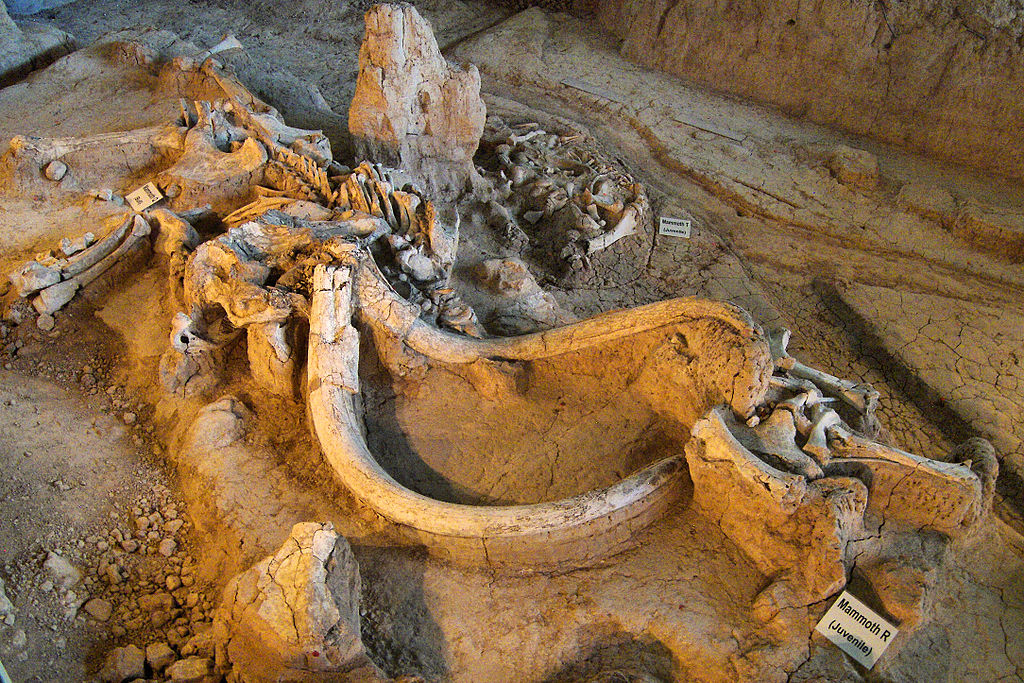
Waco mammoth site

How Erosion and Climate Change Are Exposing Hidden Fossils

The Earth constantly reveals its secrets as natural processes reshape its surface. In recent years, the twin forces of erosion and climate change have been working in tandem to uncover paleontological treasures that have remained hidden for millions of years. While these processes threaten countless ecosystems and human settlements, they paradoxically offer scientists unprecedented access ...

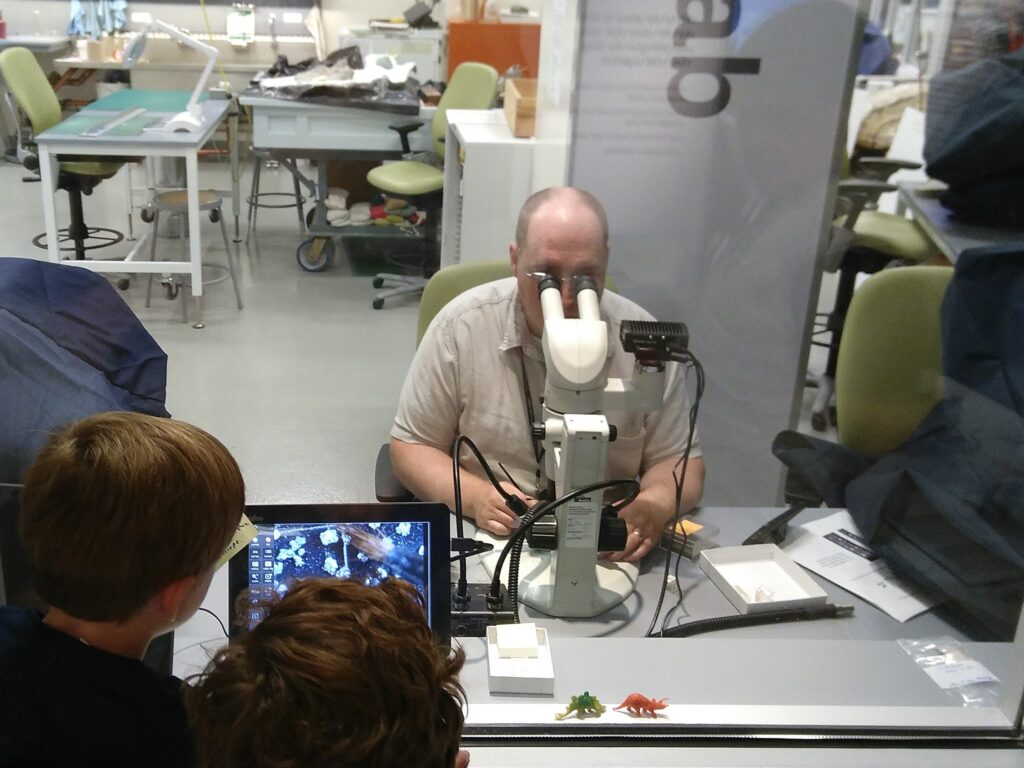
FossiLab at Smithsonian National Museum of Natural History

The Secret Life of Fossil Prep Labs: How Mistakes Are Avoided

From dusty field discoveries to museum pedestals, fossils undergo a remarkable transformation journey—one largely hidden from public view. Behind the scenes, fossil preparation laboratories operate as the critical bridge between excavation and exhibition. These specialized workspaces combine elements of science, art, and craftsmanship, where technicians meticulously free ancient remains from their rocky prisons. This delicate ...

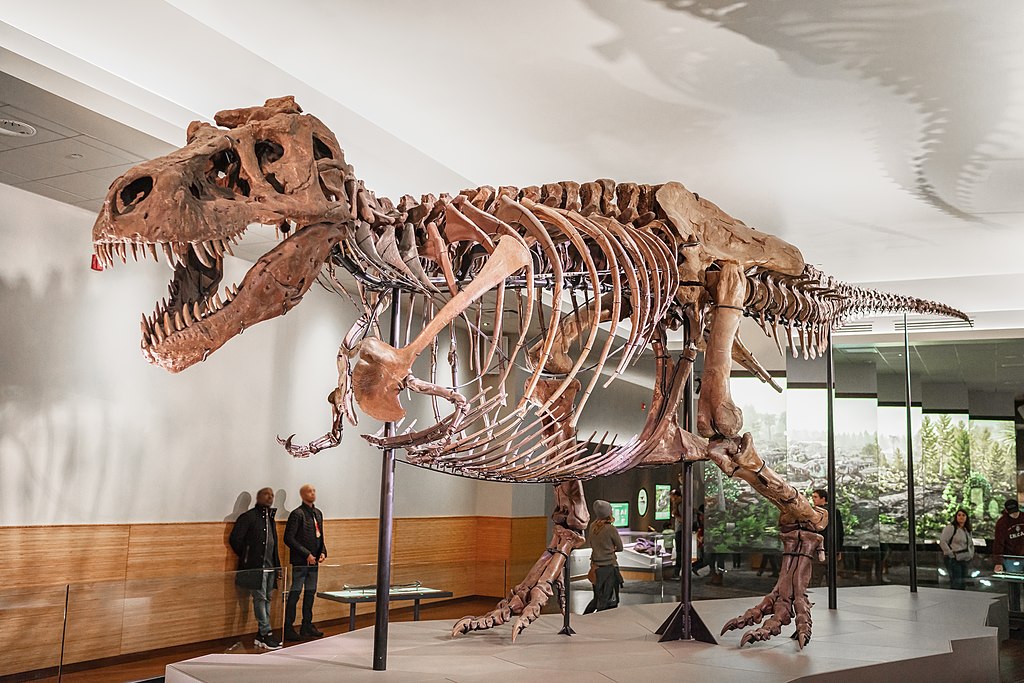
"Sue" the Tyrannosaurus rex in its new suite in the Evolving Planet exhibit hall at the Field Museum of Natural History, Chicago, Illinois, United States

What Fossilized Ankles Tell Us About Dinosaur Evolution

Deep within the earth, preserved in stone for millions of years, dinosaur fossils have been quietly holding the secrets of an ancient world. While teeth, skulls, and towering leg bones often capture our imagination, some of the most revealing evidence about dinosaur evolution comes from a surprisingly humble source: ankle bones. These small skeletal components ...

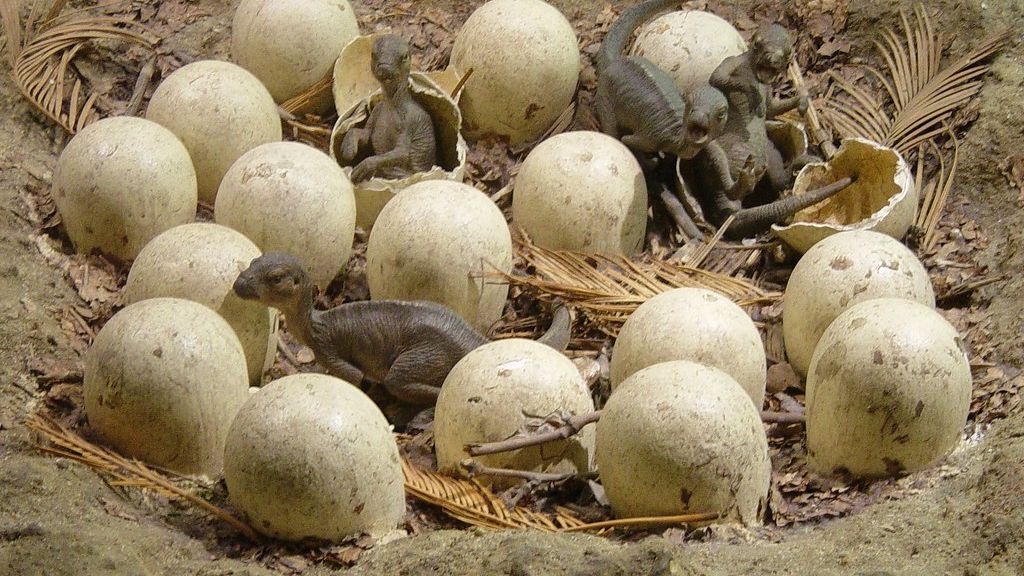
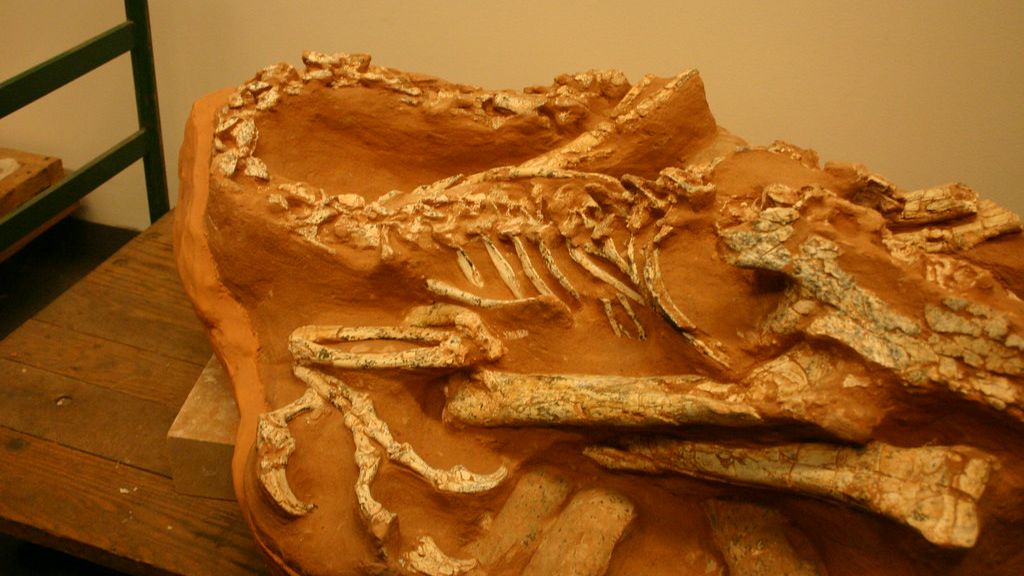
Fossil Dinosaur Eggs

Are Fossilized Eggs Proof of Complex Dinosaur Parenting?

For centuries, paleontologists have unearthed the remains of dinosaurs, piecing together their physical characteristics and behaviors from bones, tracks, and other preserved evidence. Among these fascinating discoveries, fossilized dinosaur eggs stand out as particularly significant finds, potentially offering rare glimpses into the reproductive behaviors and parenting strategies of these ancient creatures. As scientists continue to ...

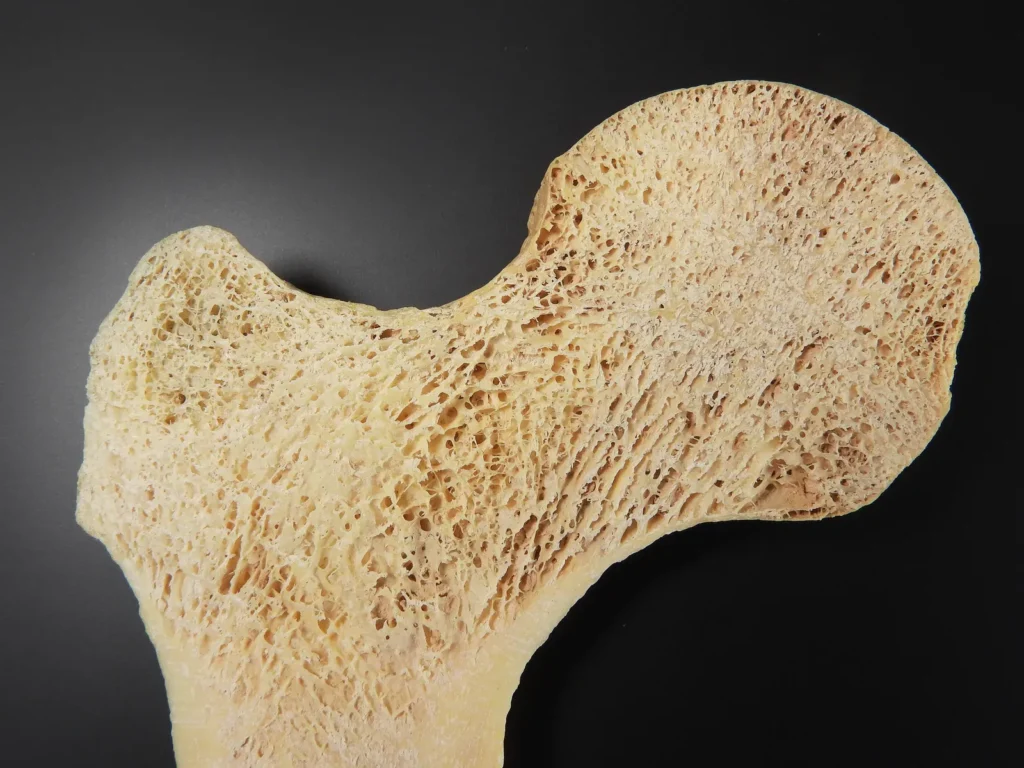
Tiny Bump on 7 Million-Year-Old Fossil Suggests Ancient Ape Walked Upright - and Might Even Be a Human Ancestor

Tiny Bump on 7 Million-Year-Old Fossil Suggests Ancient Ape Walked Upright – and Might Even Be a Human Ancestor

Picture an ancient ape clambering through trees in Chad seven million years ago, looking much like a chimpanzee with a small brain to match. Now imagine that same creature stepping down onto the ground and confidently walking upright on two legs. It’s hard to believe, right? Yet a barely visible bump on a fossilized thigh ...

T-rex Sue

Why Some Scientists Refuse to Study Privately Owned Fossils

Paleontology sits at a fascinating intersection of science, commerce, and heritage preservation. While dinosaur bones and ancient remains captivate public imagination and fetch millions at auctions, a significant portion of the scientific community deliberately avoids researching privately held specimens. This principled stance, though sometimes controversial, stems from deep ethical, scientific, and practical concerns. This article ...