Articles for category: Fossils & Fieldwork

body of water under sky

Are Dinosaur Fossils Being Lost to Climate Change?

The remnants of dinosaurs, preserved as fossils for millions of years, have provided humanity with invaluable insights into Earth’s ancient past. These paleontological treasures have survived countless geological processes over eons, yet now face an unexpected threat – climate change. As our planet’s climate systems undergo rapid transformation due to human activity, both discovered and ...
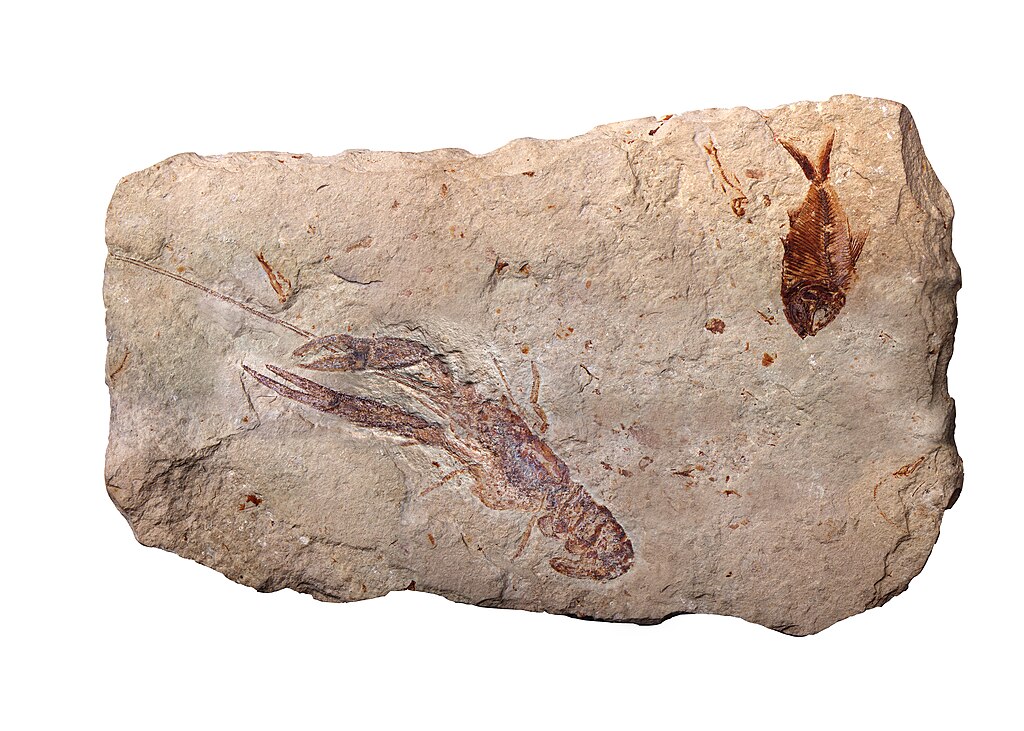
The fossils from Cretaceous age found in Lebanon

Why Dating Rocks Around Fossils Is Just as Important as the Fossils Themselves

Fossils provide us with windows into Earth’s ancient past, preserving the remains of organisms that lived millions or even billions of years ago. While these preserved remnants captivate our imagination and fill museum displays, the rocks that entomb them often receive less attention from the public. However, for paleontologists and geologists, dating these surrounding rocks ...

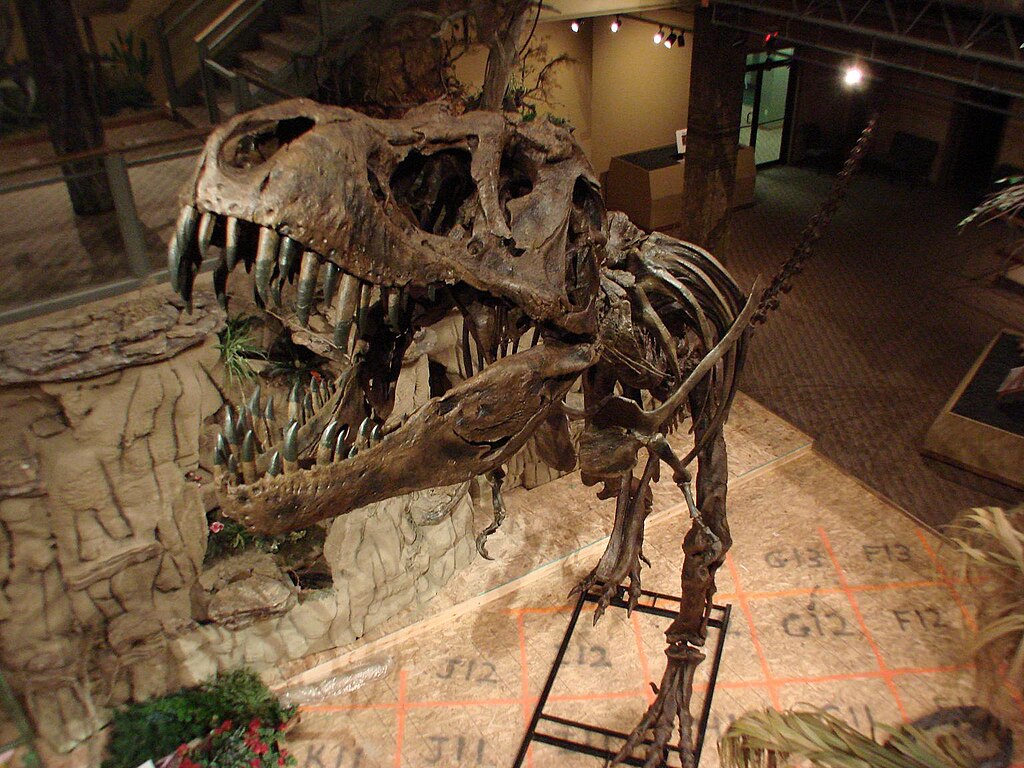
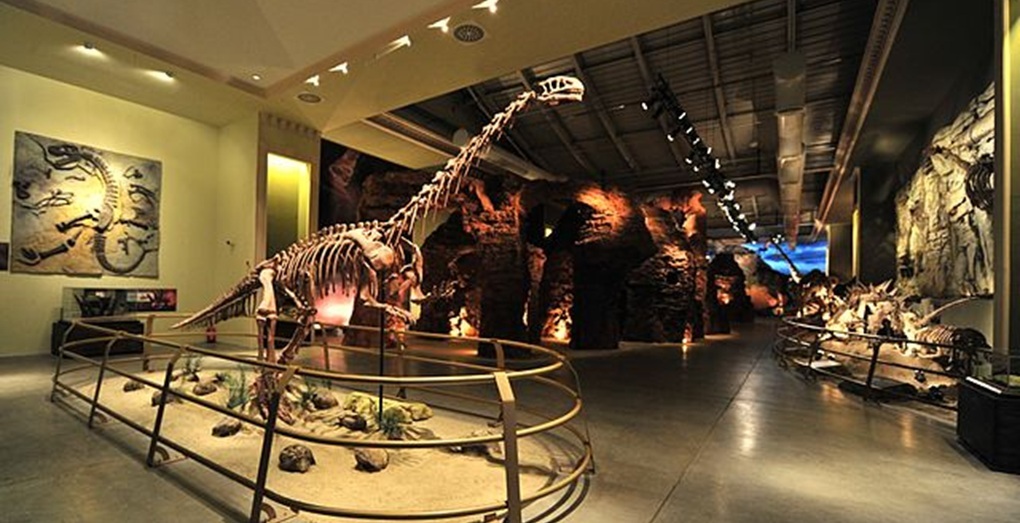
Jurassic Land Museum

From Fossil to Exhibit: The Journey of a Dinosaur Skeleton to the Museum

The magnificent dinosaur skeletons that tower over museum visitors represent the culmination of a remarkable scientific process spanning multiple disciplines and often years of painstaking work. These impressive displays begin as fragments buried in rock, sometimes for over 65 million years, before undergoing a complex transformation through discovery, excavation, preparation, research, and finally, exhibition. The ...

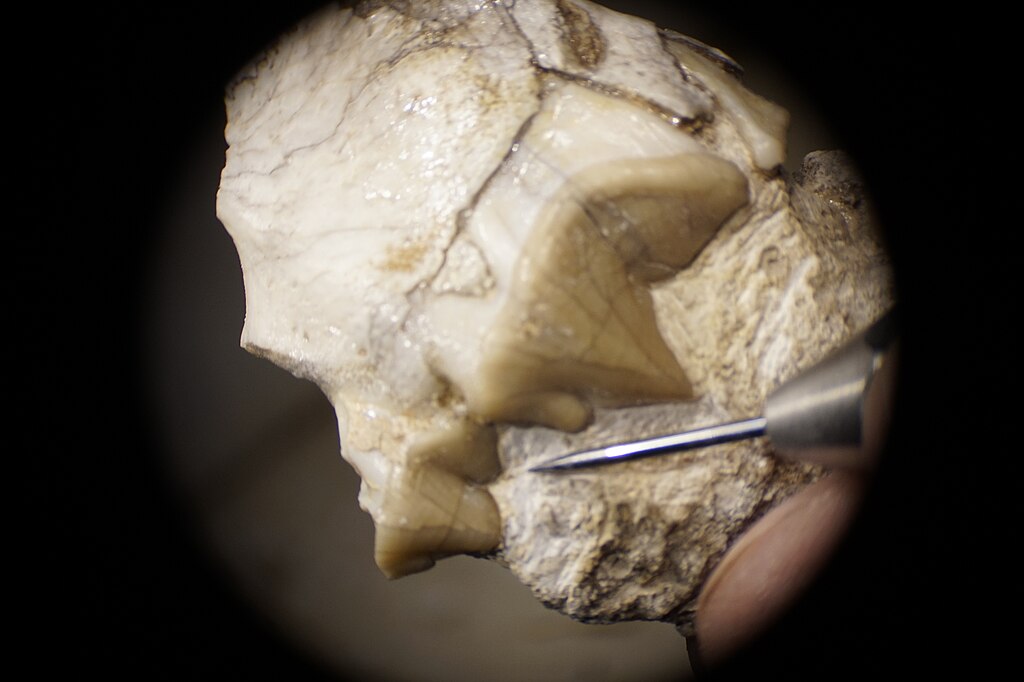
Airscribing upper teeth in skull fragment

From Shovel to Science: The Tools Behind Every Dinosaur Dig

Unearthing the remnants of creatures that roamed Earth millions of years ago requires far more than luck and determination. Modern paleontology combines traditional excavation techniques with cutting-edge technology to carefully locate, extract, and preserve dinosaur fossils. What began as simple digging expeditions in the 19th century has evolved into a sophisticated scientific endeavor requiring specialized ...

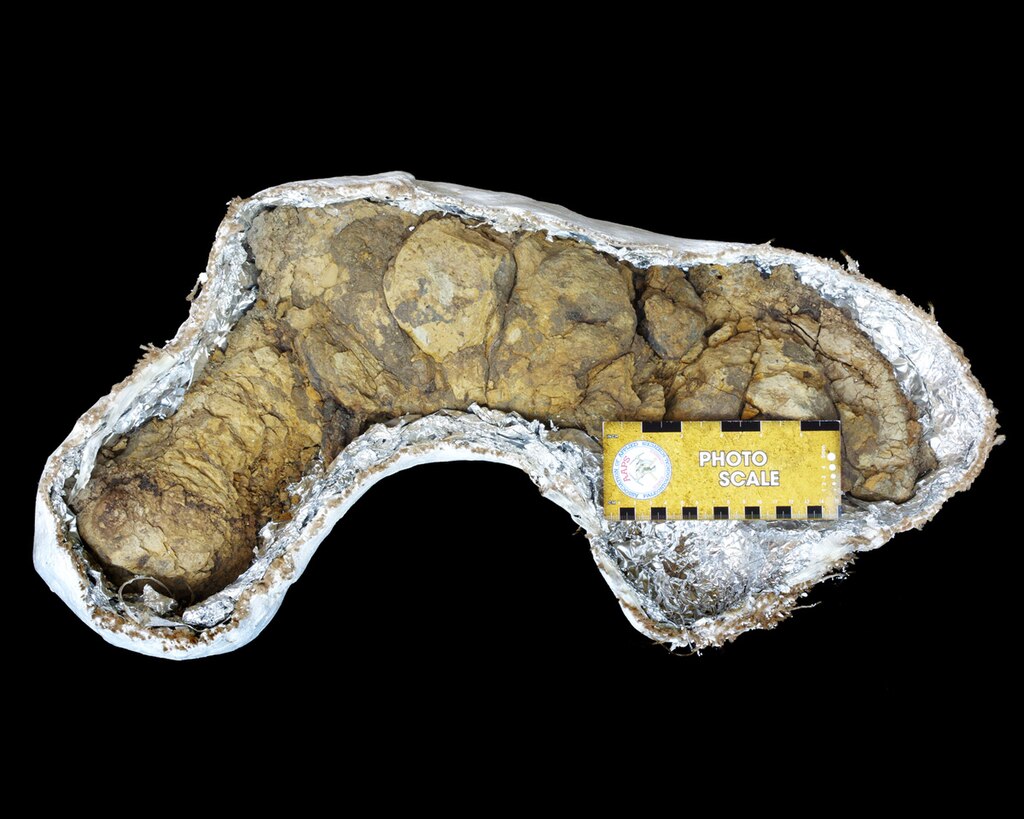
T-rex Coprolite Dinosaur Poop Poozeum

What Fossilized Dino Poop Reveals About Prehistoric Ecosystems

In the fascinating world of paleontology, scientists have discovered that some of the most revealing fossils aren’t bones or teeth, but rather the preserved excrement of ancient creatures. These fossilized feces, scientifically known as coprolites, serve as time capsules from millions of years ago, providing unprecedented insights into prehistoric ecosystems. Dinosaur coprolites in particular have ...

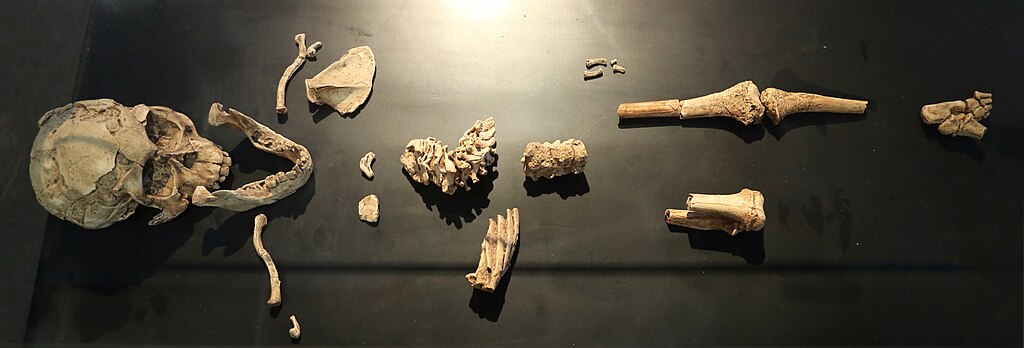
Australopithecus afarensis

Paleontology’s Real-Life Sherlocks: How Fossils Reveal Ancient Truths

Every fossil tells a story. Hidden within ancient bones, footprints, and even microscopic remains lies a wealth of information about Earth’s past. Like detectives at a crime scene, paleontologists piece together these fragmentary clues to reconstruct extinct organisms and vanished ecosystems. Their methodical work not only brings prehistoric creatures back to life in our imagination ...

The discovery of marine fossils alongside dinosaur remains illuminates the complex ecological connections that existed between terrestrial and marine environments during the Mesozoic Era.

Spinosaurus Had a Crocodile’s Tail—And That Changes Everything

The discovery that Spinosaurus possessed a crocodile-like tail has dramatically transformed our understanding of dinosaur evolution and behavior. In 2020, paleontologists unveiled fossil evidence showing that this massive predator had a unique paddle-shaped tail unlike any other known dinosaur. This revolutionary finding has forced scientists to reconsider not just how Spinosaurus moved and hunted, but ...