Articles for category: Prehistoric Discoveries

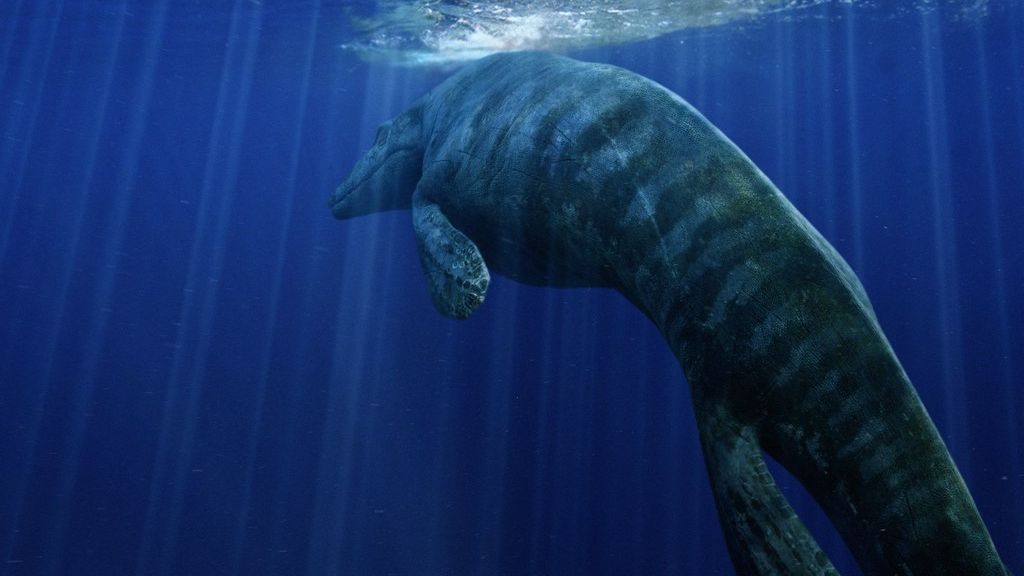
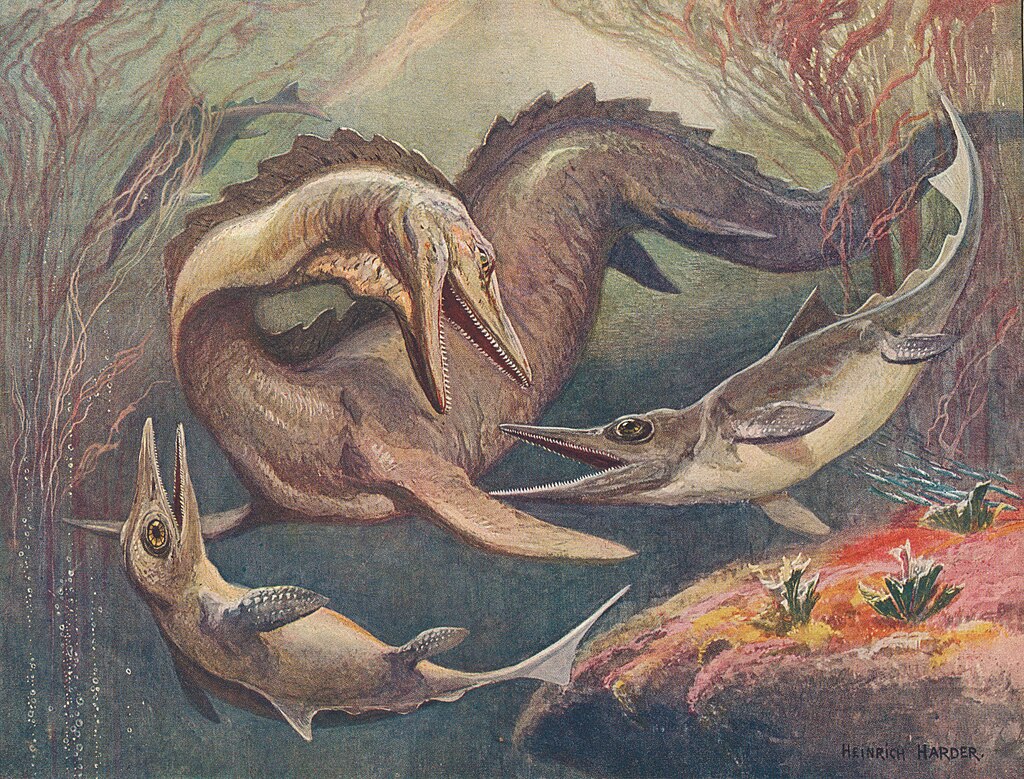
Mosasaurus ichthyosaurus

Marine Reptiles vs. Ancient Sharks: Who Ruled the Waters?

The prehistoric oceans were arenas of epic power struggles, dominated by creatures that would make today’s marine life seem tame by comparison. For over 250 million years, various apex predators vied for supremacy in Earth’s ancient seas. Two groups stand out in this underwater competition for dominance: the fearsome marine reptiles—like ichthyosaurs, plesiosaurs, and mosasaurs—and ...
Massive mosasaurs and plesiosaurs needed huge amounts of food to survive.

Meet the Giant Predators of the Late Cretaceous Seas

The Late Cretaceous period, spanning from approximately 100 to 66 million years ago, witnessed Earth’s oceans teeming with some of the most formidable marine predators to ever exist. As dinosaurs dominated the land, equally impressive giants ruled the prehistoric seas. These ancient marine hunters evolved remarkable adaptations that made them perfectly suited for their aquatic ...

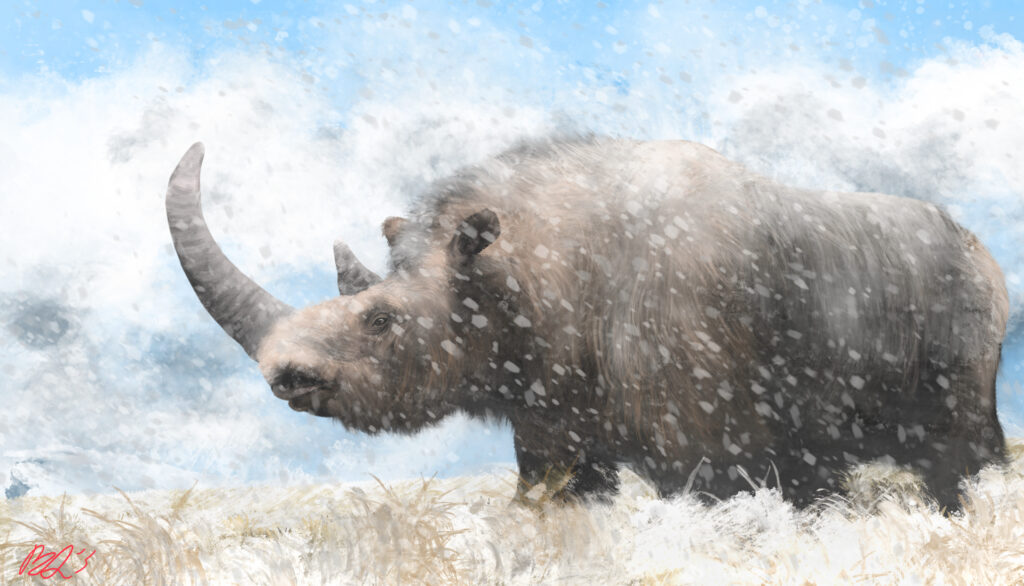
Illustration of a woolly rhino in a snowy landscape, with a blue sky and swirling snowflakes. The animal appears majestic and resilient.

The Woolly Rhinoceros: An Ice Age Giant You Should Know About

The Ice Age conjures images of massive mammoths and saber-toothed cats, but one magnificent beast often overlooked in popular culture deserves equal recognition: the woolly rhinoceros. This formidable herbivore roamed the cold steppes of Eurasia during the Pleistocene epoch, perfectly adapted to harsh glacial conditions that would devastate most modern mammals. With its impressive horn ...

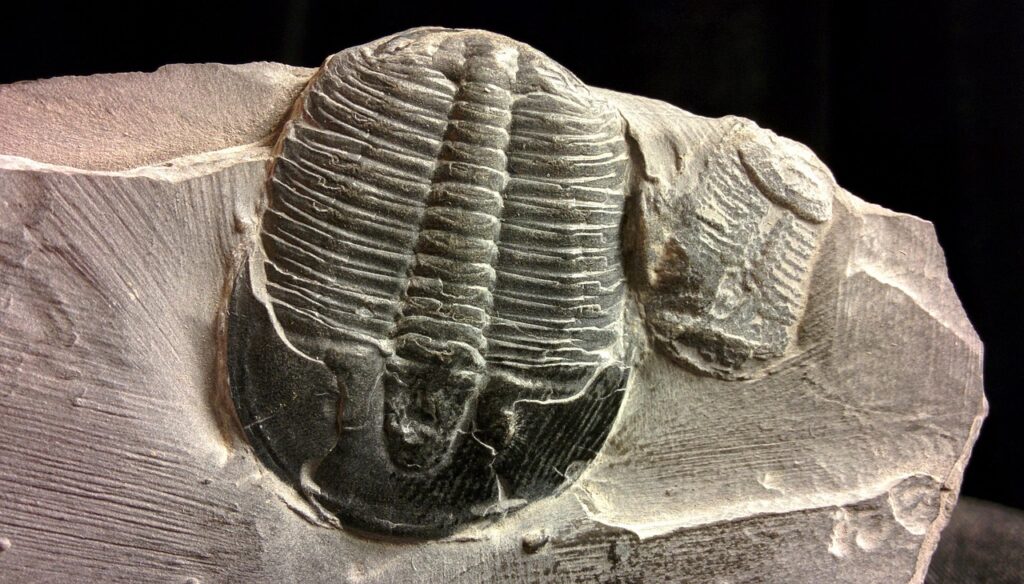
The Trilobite Defense System

The Sea Creature With Armor So Tough It Defied Evolution

Imagine finding a fossil so perfectly preserved that scientists couldn’t believe their eyes. Picture stumbling upon ancient creatures whose defensive systems were so sophisticated they seemed like engineering marvels from another world. These weren’t mythical beasts, but real animals that dominated prehistoric oceans with armor so advanced it challenged everything paleontologists thought they knew about ...