Articles for category: Prehistoric Discoveries

Illustration of a prehistoric, large ground sloth standing on hind legs in a grassy field with a wooded background, conveying a sense of ancient wilderness.

The Mystery of the Giant Sloth – Could It Still Be Alive?

Throughout history, certain creatures have captured our imagination with their sheer size and mysterious nature. Among these, the giant ground sloth stands as one of the most fascinating prehistoric mammals to have roamed the Americas. While conventional scientific wisdom tells us these enormous creatures went extinct thousands of years ago, persistent reports from remote regions ...

Ichthyosaurs Hunt Clues

How Did Ichthyosaurs Hunt Clues From New Fossil Discoveries

Ichthyosaurs, the dolphin-like marine reptiles that dominated ancient oceans for over 150 million years, have long fascinated paleontologists with their remarkable adaptations for aquatic life. While their streamlined bodies clearly marked them as efficient swimmers, exactly how these prehistoric predators hunted their prey has remained partially shrouded in mystery. Recent fossil discoveries, however, are illuminating ...

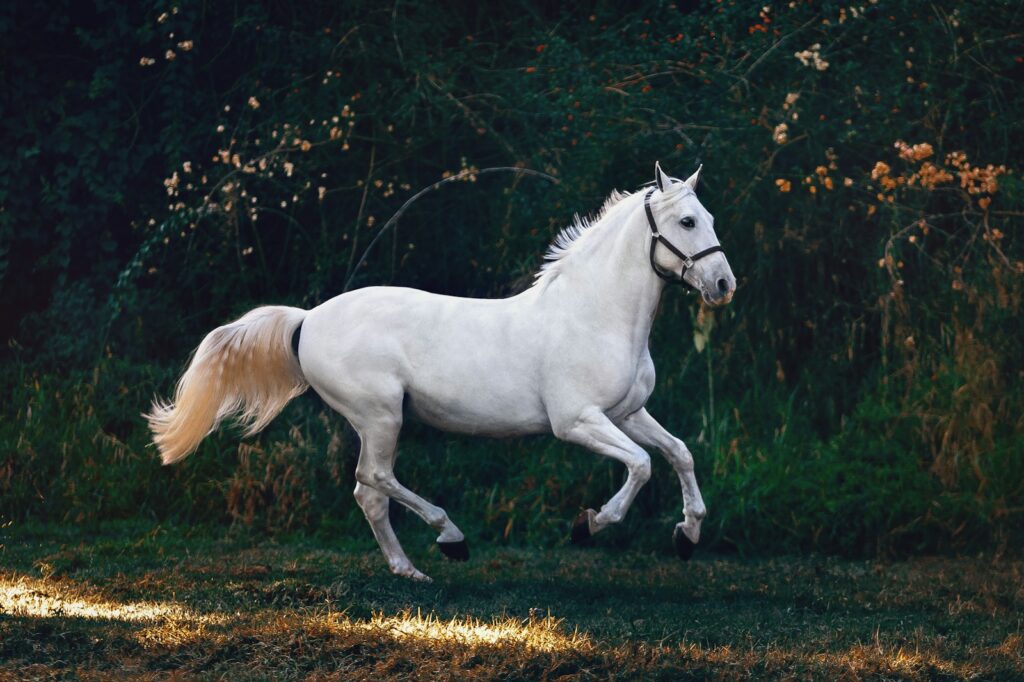
The First Horse Was the Size of a Dog – How Did It Evolve?

When we picture horses today, we imagine majestic creatures standing tall in meadows or racing across open plains. However, the evolutionary journey of the modern horse began with a surprisingly small ancestor no bigger than a fox or medium-sized dog. This remarkable transformation, spanning over 50 million years, represents one of the most well-documented evolutionary ...

Giant Squid

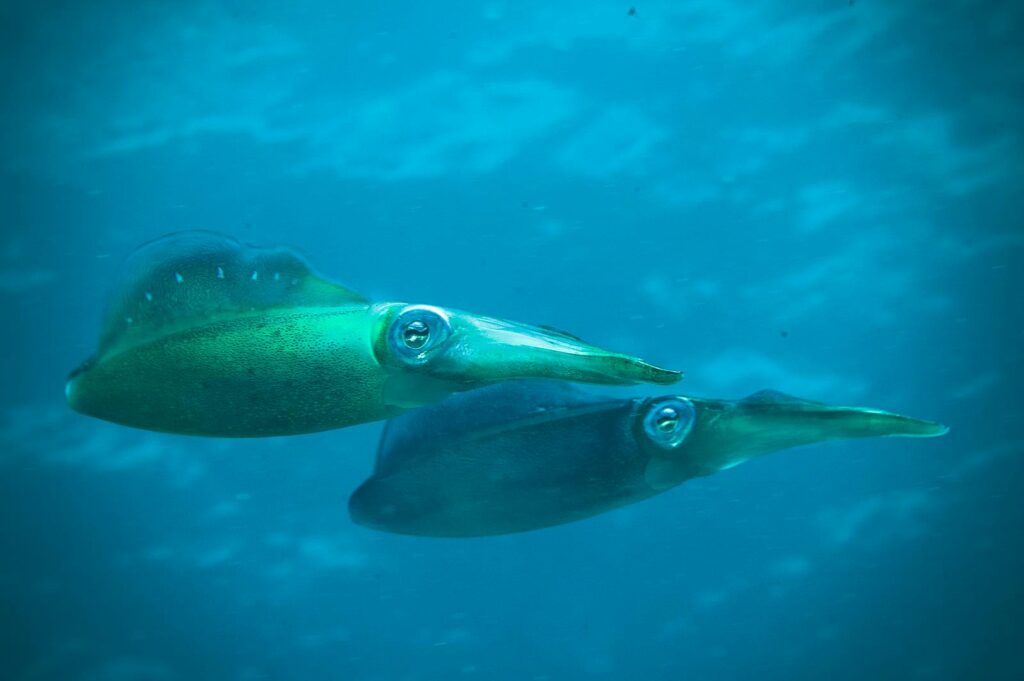
The Giant Squid of the Prehistoric Ocean It Was Over 50 Feet Long

The depths of our prehistoric oceans once harbored creatures of such immense proportions that they seem almost mythological by today’s standards. Among these leviathans was a colossal cephalopod that dwarfed even the impressive giant squids of our modern seas. This prehistoric giant squid, stretching over 50 feet in length, represents one of the most fascinating ...

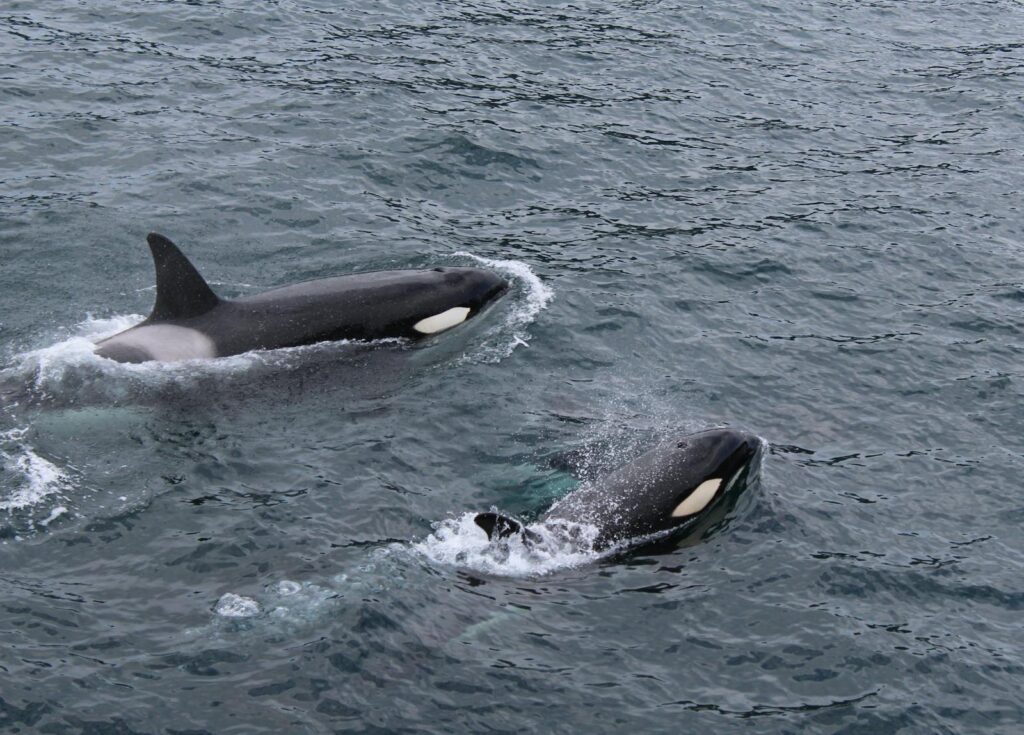
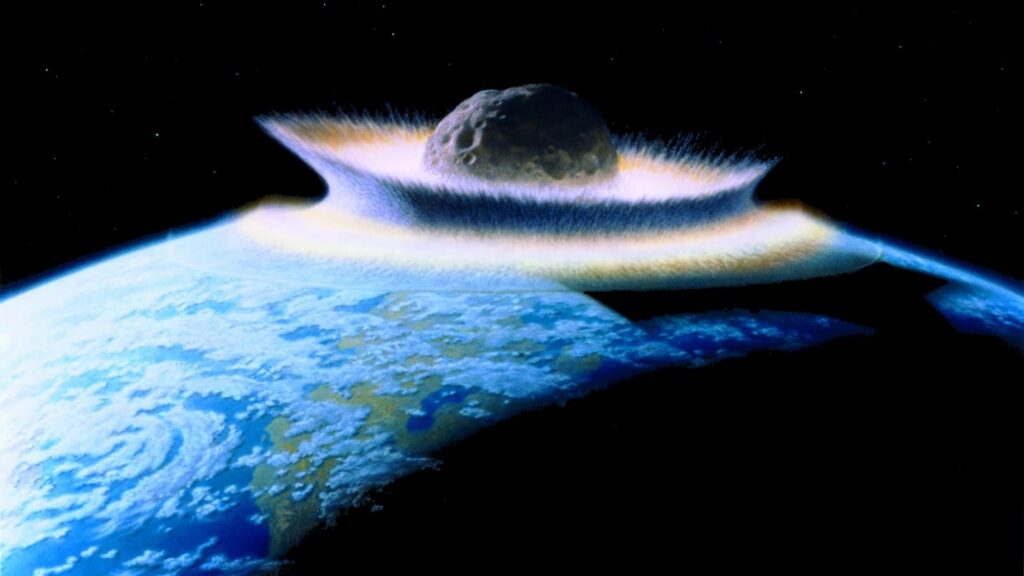
Massive mosasaurs and plesiosaurs needed huge amounts of food to survive.

What Killed Off the Giant Marine Reptiles?

The oceans of the Mesozoic Era teemed with extraordinary creatures that have long captured our imagination. Among these ancient marine dwellers were colossal reptiles that ruled the prehistoric seas for over 180 million years. From the dolphin-like ichthyosaurs to the long-necked plesiosaurs and the massive mosasaurs, these creatures dominated marine ecosystems during the age of ...

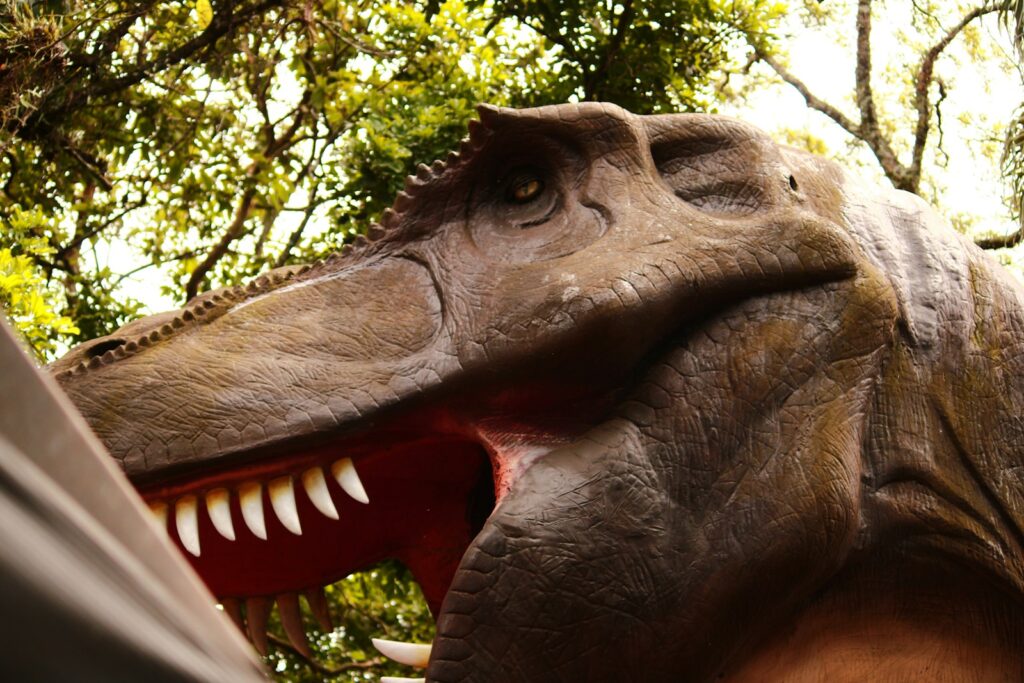
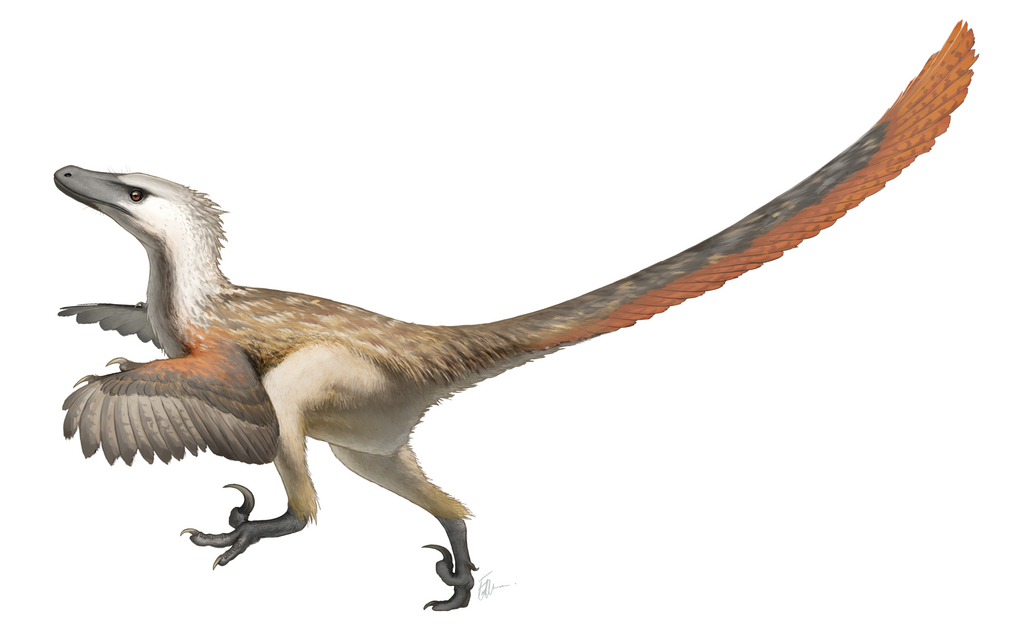
Illustration of a feathered dinosaur, possibly a dromaeosaurid, with brown and white plumage. It has a long tail and sharp claws, suggesting agility and speed.

The Fastest Raptor Dinosaur – How Fast Could It Run?

When we think of prehistoric predators, few capture our imagination quite like the swift, cunning raptors that once stalked the ancient landscapes. These feathered hunters have become cultural icons thanks to films like Jurassic Park, but separating scientific fact from Hollywood fiction reveals an even more fascinating reality about these remarkable dinosaurs. Among the many ...

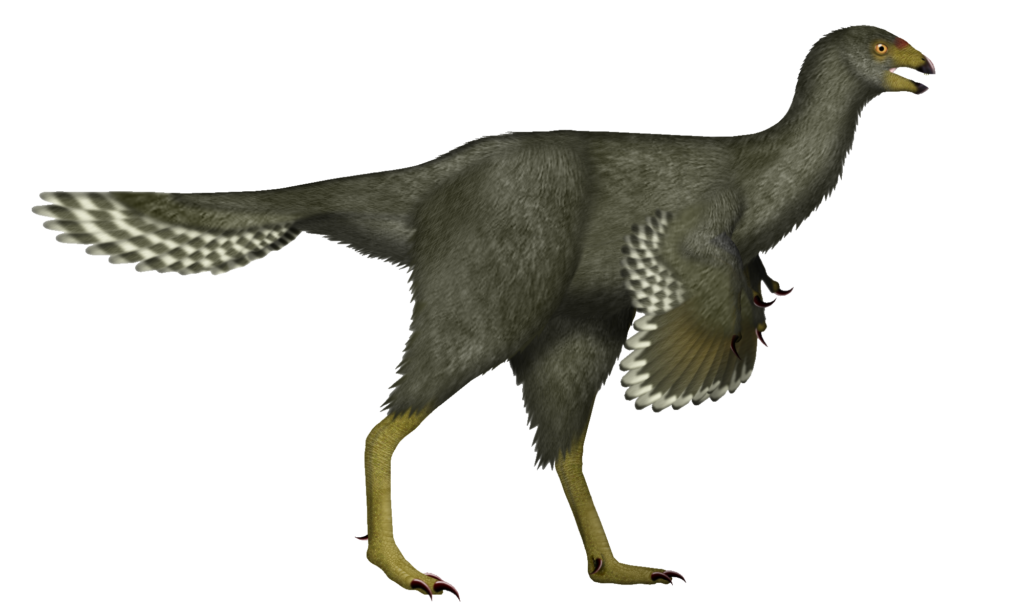
The Peacock-Like Dinosaur

How Did Raptors Use Their Feathers?

Raptors, the intelligent and formidable dinosaurs that captured imaginations in “Jurassic Park,” were far more complex than their early depictions. While initially portrayed as scaly reptilian predators, scientific discoveries over the past three decades have revolutionized our understanding of these fascinating creatures. We now know that many theropod dinosaurs, including velociraptors and their relatives, possessed ...