Articles for category: Prehistoric Land Mammals

Illustration of an ancient landscape with a saber-toothed lion prowling in the foreground. In the background, a herd of prehistoric camels walks near a tree, with a wide open plain stretching towards distant hills. The scene conveys a sense of primal wilderness.

The Mysterious Death of the American Lion: A Lost King

Towering over the Ice Age landscape of North America once prowled a magnificent predator that outmatched even today’s largest big cats. The American lion (Panthera atrox), sometimes called the North American lion, reigned as the continent’s apex predator for hundreds of thousands of years. Weighing up to 800 pounds—nearly 25% larger than modern African lions—these ...

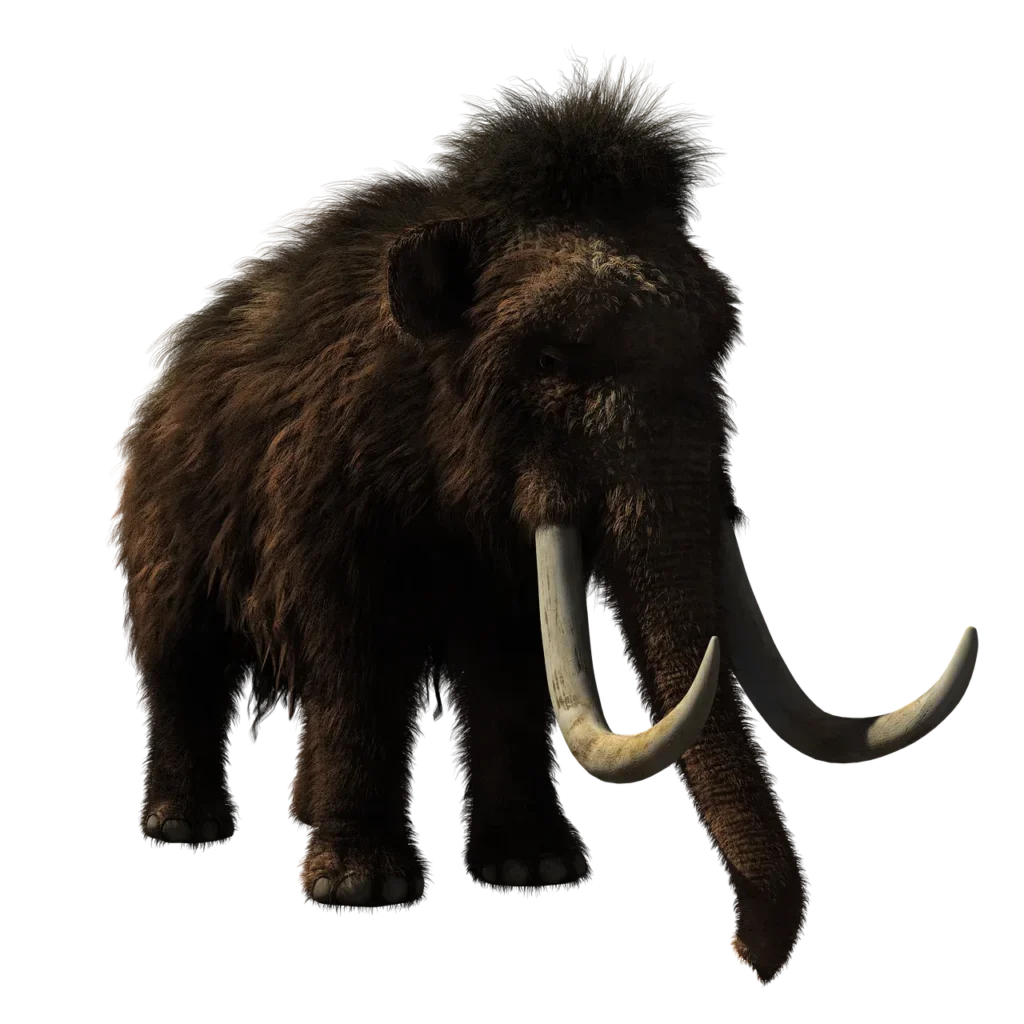
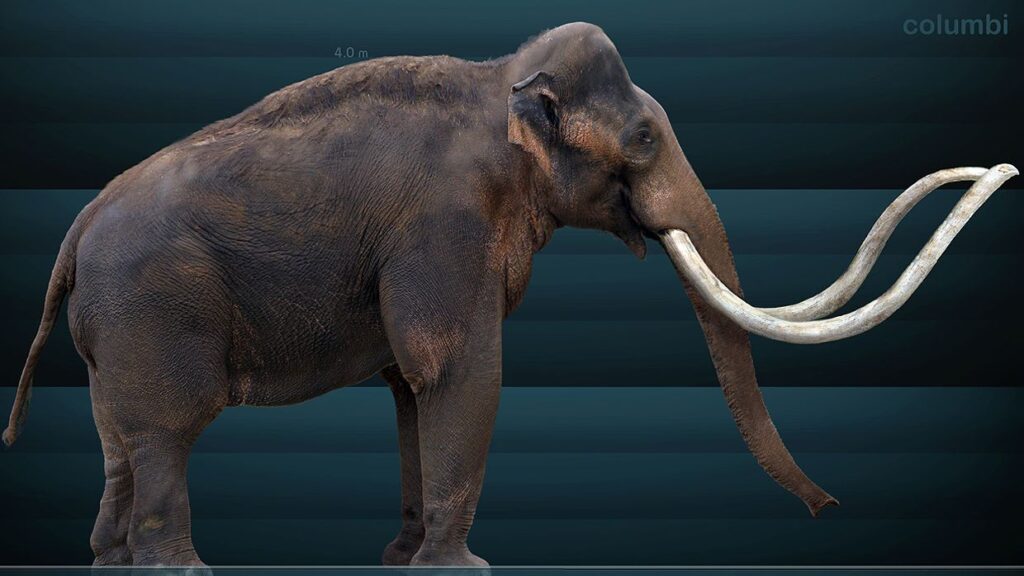
MammothVsMastodon

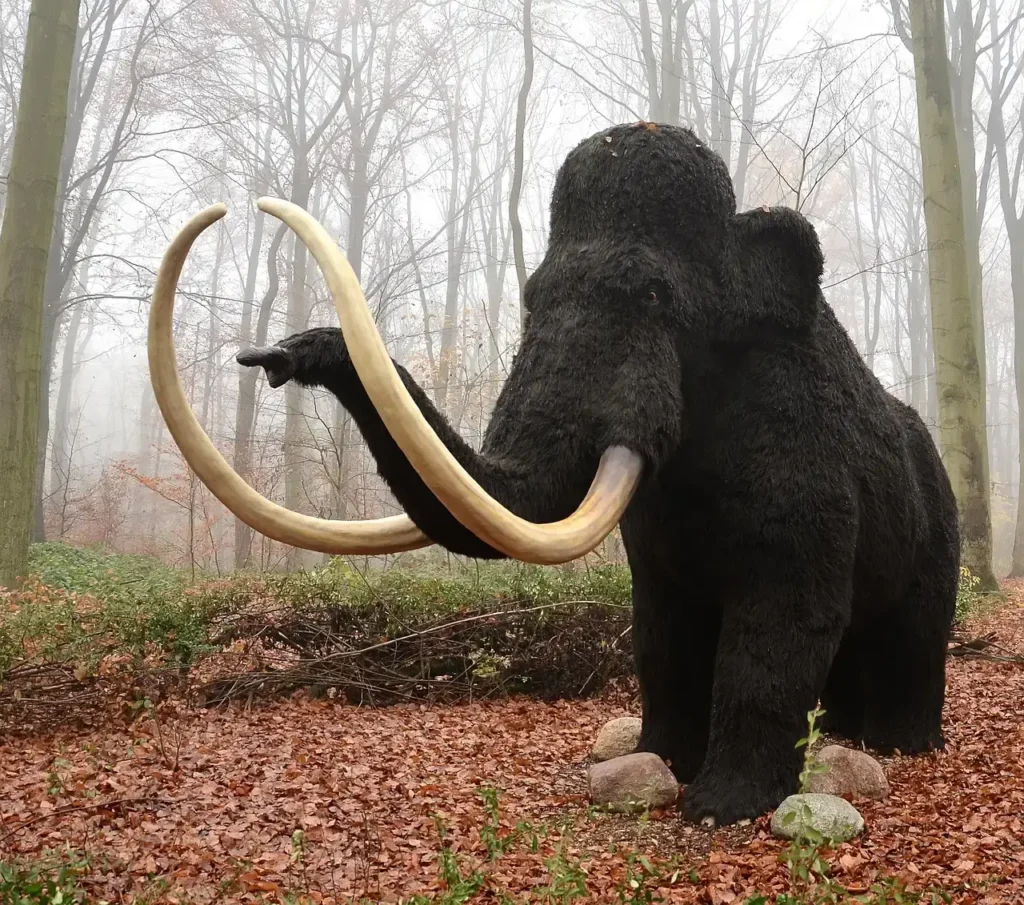
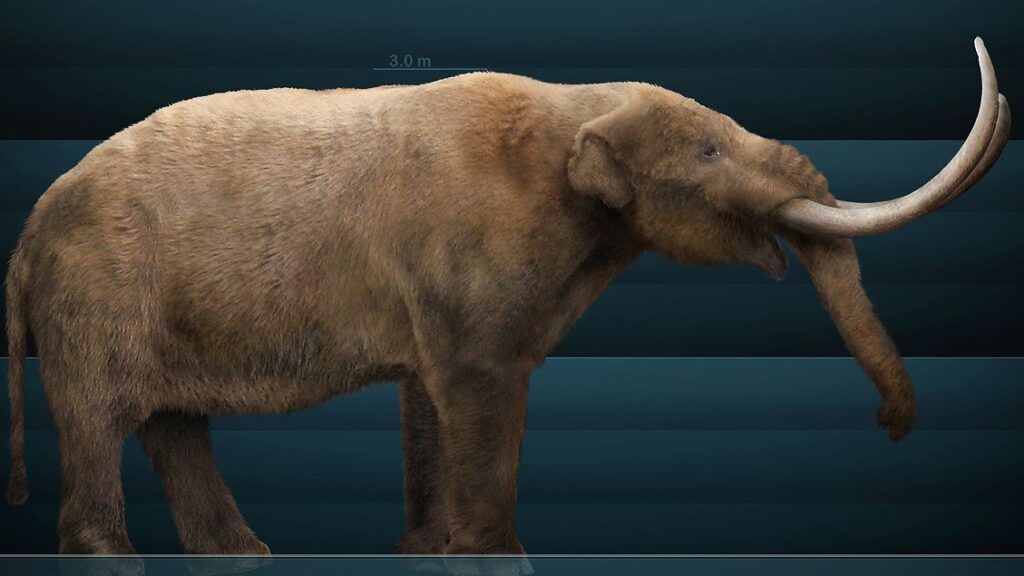
Mammoths vs. Mastodons: What’s the Real Difference?

When we imagine prehistoric elephants roaming ancient landscapes, two iconic creatures often come to mind: mammoths and mastodons. Though frequently confused with one another, these magnificent animals were distinct species with unique characteristics that helped them thrive in different environments during the Pleistocene epoch. Both became extinct thousands of years ago, leaving behind only fossils, ...

Illustration of two prehistoric canines against a dark blue background. The left resembles a wolf with thick fur, the right has a bear-like build.

The Real Dire Wolf: Separating History, De-Extinction & Game of Thrones

Few prehistoric predators have captured the modern imagination quite like the dire wolf. Made famous by George R.R. Martin’s fantasy series “A Song of Ice and Fire” and its television adaptation “Game of Thrones,” dire wolves have transcended from paleontological curiosity to pop culture icon. However, the fictional portrayal differs significantly from what science tells ...

Charcoal drawing of three prehistoric herbivorous mammals in a grassy landscape, feeding on foliage from trees, conveying a serene, ancient atmosphere.

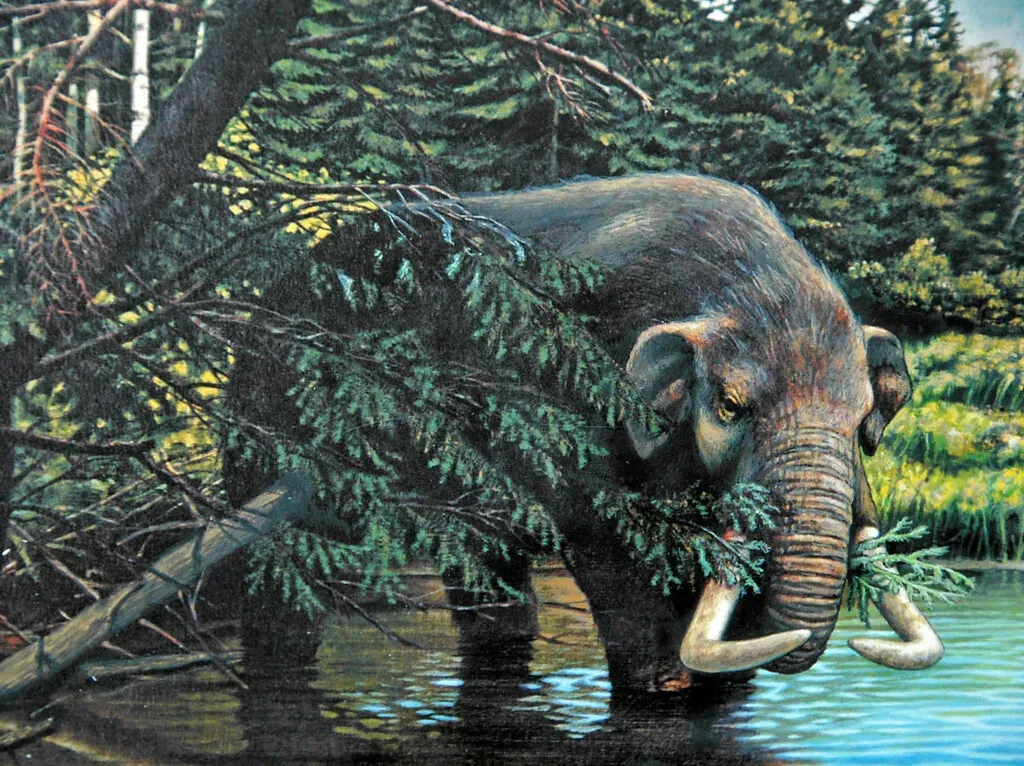
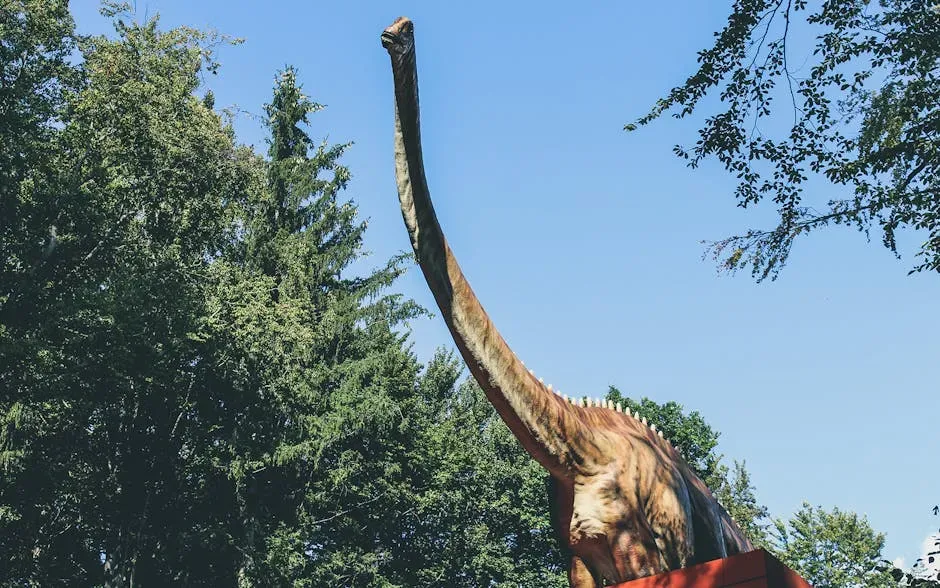
Meet Indricotherium: The Largest Land Mammal Ever

Towering over the ancient landscapes of Central Asia, Indricotherium represents one of nature’s most impressive evolutionary marvels. This colossal mammal, which roamed Earth during the Oligocene epoch approximately 34 to 23 million years ago, holds the distinguished title of being the largest land mammal ever to have existed. Standing taller than a giraffe and weighing ...

Illustration of a woolly rhino in a snowy landscape, with a blue sky and swirling snowflakes. The animal appears majestic and resilient.

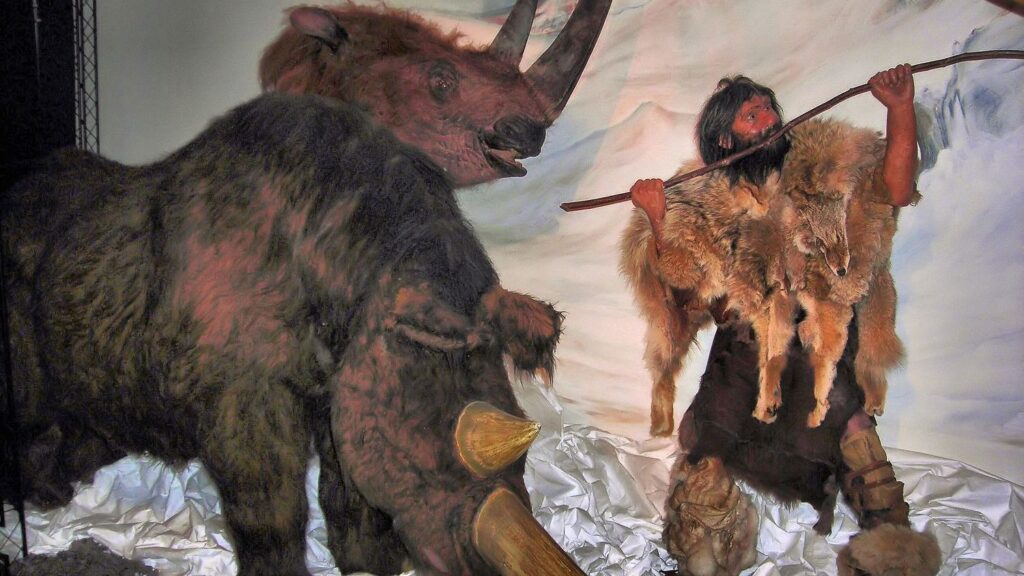
The Woolly Rhinoceros: An Ice Age Giant You Should Know About

The Ice Age conjures images of massive mammoths and saber-toothed cats, but one magnificent beast often overlooked in popular culture deserves equal recognition: the woolly rhinoceros. This formidable herbivore roamed the cold steppes of Eurasia during the Pleistocene epoch, perfectly adapted to harsh glacial conditions that would devastate most modern mammals. With its impressive horn ...