Articles for category: Prehistoric Environment

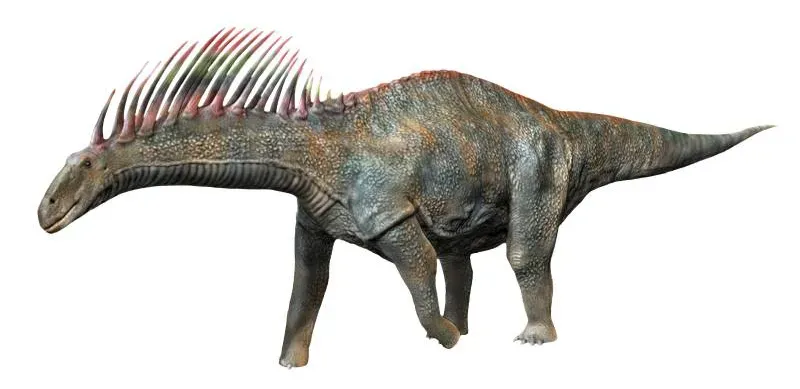
North American Stegosauridae. From upper left: Stegosaurus stenops, Stegosaurus ungulatus, Hesperosaurus mjosi, and Alcovasaurus longispinus.

Was the Jurassic More Dangerous Than the Cretaceous?

The Mesozoic Era, often called the “Age of Dinosaurs,” spans three distinct periods: the Triassic, Jurassic, and Cretaceous. Each period hosted unique ecosystems with different predators, prey relationships, and environmental conditions. When comparing the Jurassic Period (201-145 million years ago) with the Cretaceous Period (145-66 million years ago), paleontologists examine fossil evidence, ancient environments, and ...

Vast, overcast landscape of rolling hills with sparse vegetation. The muted colors and cloudy sky convey a tranquil, expansive, and remote atmosphere.

The Story Behind the Hell Creek Formation: Deathbed of the Dinosaurs

The Hell Creek Formation is one of paleontology’s most significant treasure troves—a geological time capsule preserving the final chapter of dinosaur dominance on Earth. Stretching across portions of Montana, North Dakota, South Dakota, and Wyoming, this Late Cretaceous sedimentary layer records approximately 2 million years of Earth’s history, culminating in the catastrophe that ended the ...

Moths in the Age of Dinosaurs

Buzzing Through Time The Evolution of Pollination from the Jurassic Onward

The relationship between plants and their pollinators represents one of nature’s most remarkable examples of coevolution. For over 150 million years, this intricate dance has shaped Earth’s ecosystems, driving the diversification of flowering plants and their animal partners. From primitive beetles clumsily transferring pollen in the Jurassic period to the sophisticated relationships between orchids and ...

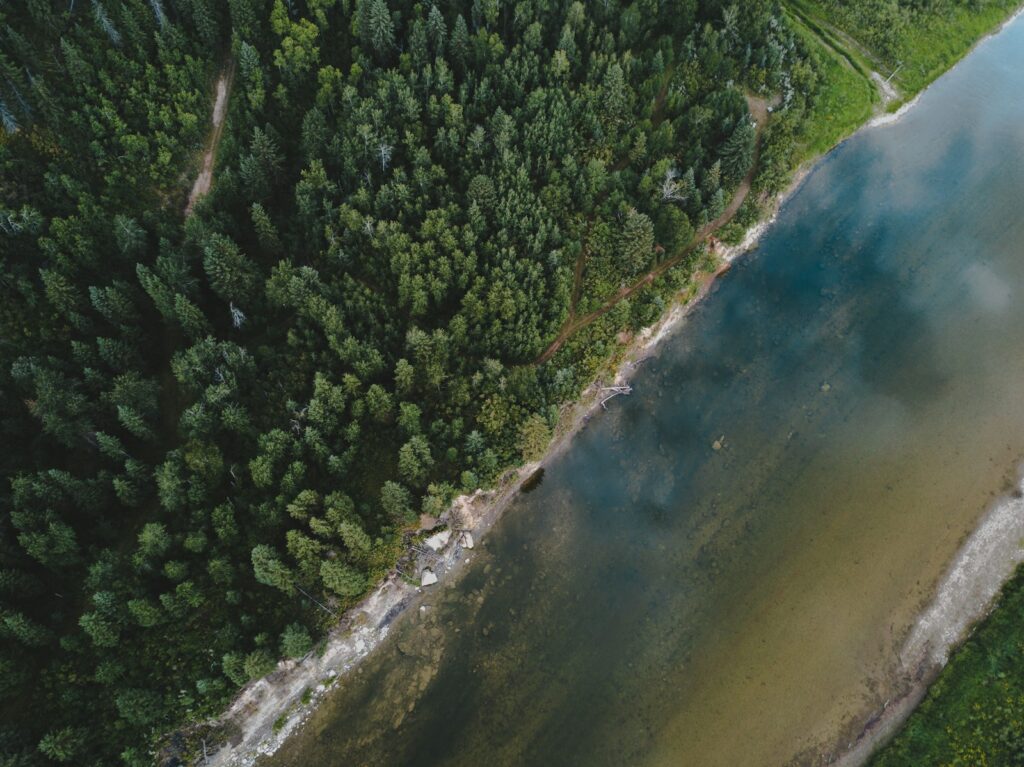
Aerial view of a dense green forest bordering a calm lake with clear, shallow waters. A narrow dirt path runs along the forest edge, conveying a serene, natural scene.

The Greenhouse World of the Jurassic: No Ice at the Poles

During the Jurassic period, approximately 201 to 145 million years ago, Earth experienced climatic conditions drastically different from today’s world. This era featured one of the most pronounced greenhouse climates in our planet’s geological history, with no permanent ice at either pole. The Jurassic world was characterized by higher temperatures, different atmospheric composition, and unique ...

monarch butterfly perched on pink flower in close up photography during daytime

Did Dinosaurs Live Among Ancient Pollinators

The prehistoric world was a vastly different place than what we know today, filled with creatures both familiar and strange to modern eyes. Among the most iconic inhabitants were dinosaurs, dominating terrestrial ecosystems for over 165 million years. During this extensive reign, flowering plants began to evolve and diversify, bringing with them the need for ...