Articles for author: Lovely Aquino

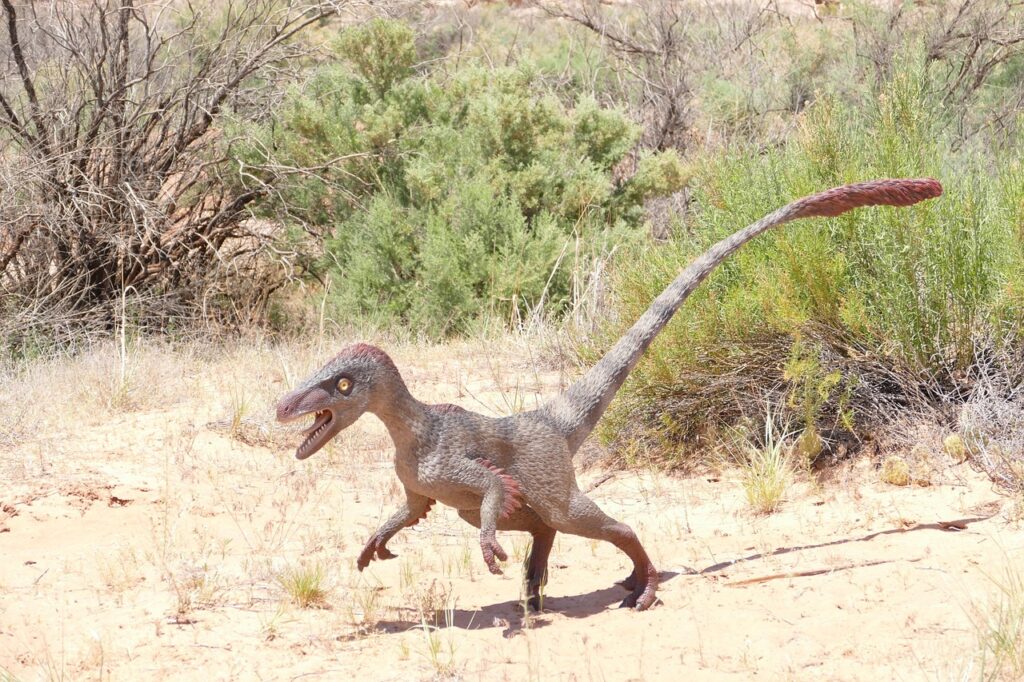
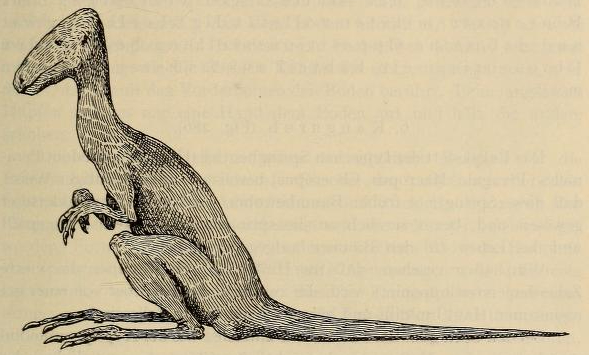
Compsognathus

Compsognathus: The Jurassic’s Chicken-Sized Hunter

In the dense forests of the Late Jurassic period, approximately 150 million years ago, a small but formidable predator scurried through the underbrush, hunting insects and small vertebrates with remarkable agility. Compsognathus, whose name aptly translates to “elegant jaw,” may have stood no taller than a modern chicken, but this diminutive dinosaur has made an ...
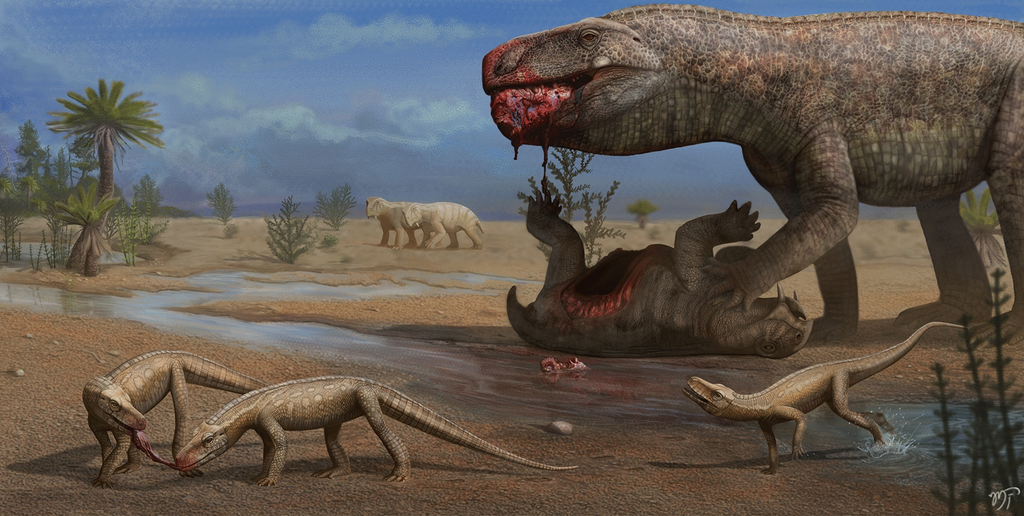
Prestosuchus & Parvosuchus in paleoenvironment

The Early Archosaurs: Dinosaur Ancestors You’ve Probably Never Heard Of

When we think of prehistoric reptiles, dinosaurs typically dominate our imagination. However, long before the first dinosaurs appeared, their ancestors—the early archosaurs—were evolving crucial adaptations that would eventually lead to dinosaurian dominance. These fascinating creatures from the Triassic period established the groundwork for one of the most successful animal lineages in Earth’s history. Despite their ...

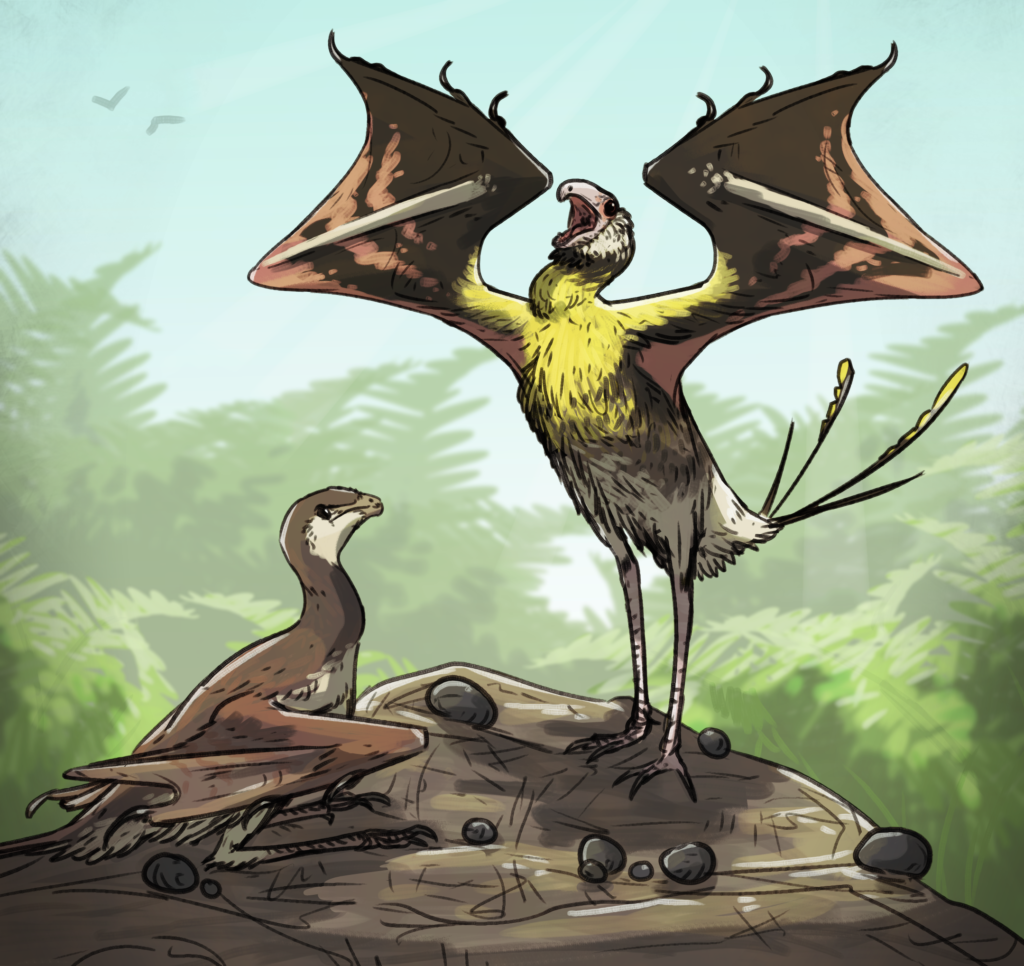
Two bird-like dinosaurs on a rock

Did This Dinosaur Glide Like a Flying Squirrel?

Among the many extraordinary adaptations that emerged during the dinosaur era, few capture the imagination quite like the possibility of gliding dinosaurs. Recent paleontological discoveries have sparked intense scientific debate about whether certain dinosaur species may have developed membrane-like structures that allowed them to glide between trees, similar to modern flying squirrels. This fascinating evolutionary ...

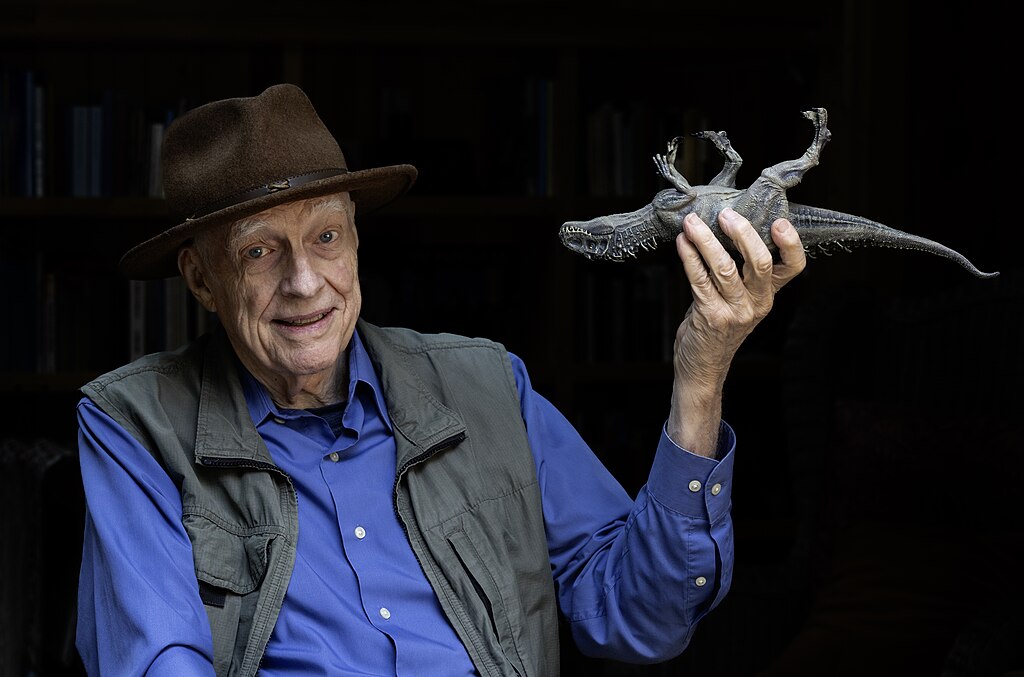
Back in the ’70s, Walter Alvarez spotted a strange clay layer in Italy—uncovering the clue that linked dinosaur extinction to a cosmic catastrophe!

10 Dinosaur Discoveries and the Scientists Who Made Them

The study of dinosaurs has captivated human imagination since the first formal scientific descriptions in the early 19th century. These magnificent creatures that once dominated Earth have been gradually revealed to us through the dedicated work of paleontologists who have spent their careers uncovering the secrets of prehistoric life. From accidental findings by amateur fossil ...

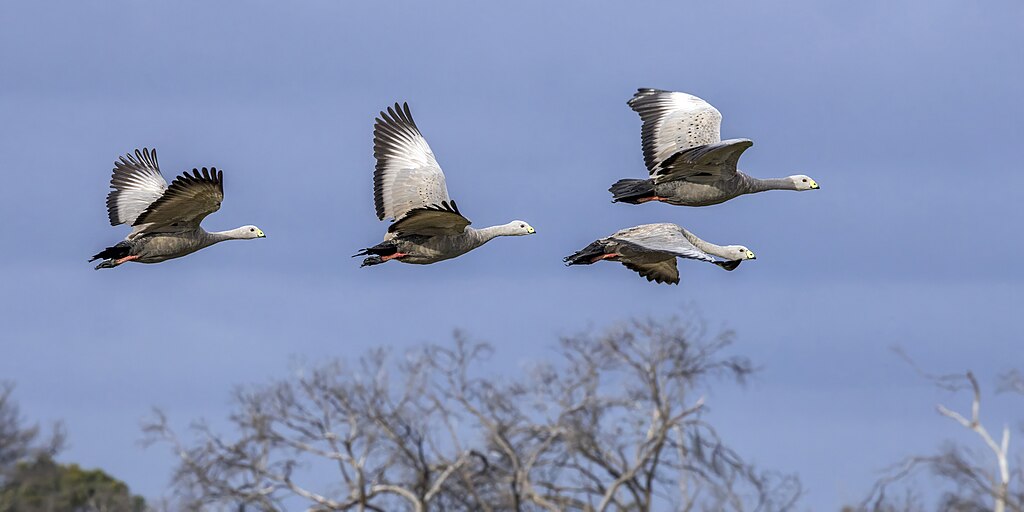
Cape Barren geese (Cereopsis novaehollandiae) in flight Kangaroo Island

The Evolutionary Fluke That Led to Flight

Flight is one of nature’s most extraordinary achievements. Across millions of years, evolution has produced four distinct groups of flying vertebrates: birds, bats, pterosaurs, and, most recently discovered, certain gliding dinosaurs. But the ability to defy gravity didn’t emerge as a deliberate evolutionary goal—rather, it arose through a series of coincidental adaptations that proved advantageous ...

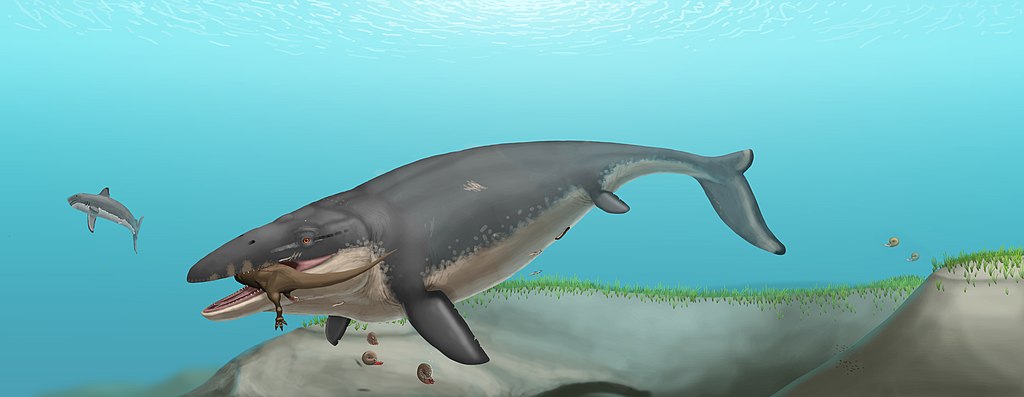
Mosasaurus hoffmanni

Mosasaurs: The Real Sea Monsters of the Cretaceous

When we think of prehistoric marine predators, many minds immediately jump to creatures like plesiosaurs or megalodons. However, perhaps the most formidable rulers of the Cretaceous seas were the mosasaurs – massive marine reptiles that dominated the oceans for over 20 million years. These remarkable creatures combined size, speed, and deadly hunting abilities that would ...

Dinosaur hunting in western Canada (1966)

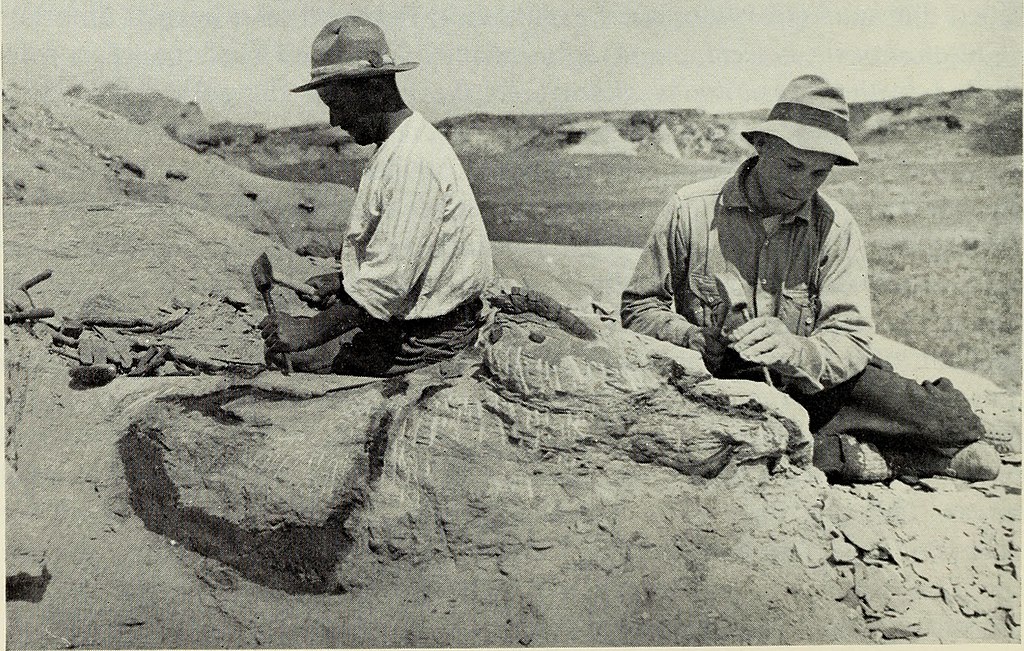
6 Unsung Heroes Behind the Biggest Fossil Finds in History

In the annals of paleontology, we often celebrate the scientists who analyze and interpret ancient remains, while overlooking those who initially discovered these prehistoric treasures. Behind many groundbreaking fossil discoveries stand individuals whose names rarely grace museum placards or textbook pages. These unsung heroes—from amateur collectors to field assistants—have fundamentally altered our understanding of Earth’s ...

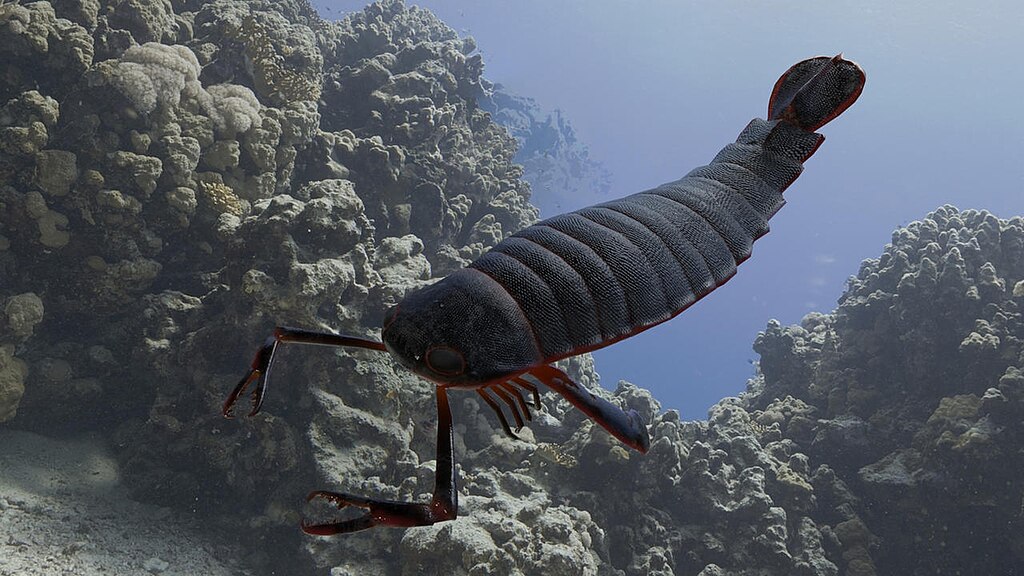
Pterygotus in enviroment

Sea Scorpions: The Forgotten Giants of Prehistoric Oceans

Long before sharks ruled the ancient seas and dinosaurs roamed the land, a group of terrifying arthropods dominated Earth’s oceans. Sea scorpions, or eurypterids, were prehistoric marine predators that evolved over 467 million years ago and survived for nearly 250 million years until their extinction during the Permian-Triassic mass extinction event. Despite their name, these ...