Articles for author: Lovely Aquino

Edward Hicks, American - Noah's Ark - Google Art Project

Did Noah’s Flood Leave Dinosaur Fossils Behind? The 19th-Century Debate

The 19th century was a pivotal period in the history of science, witnessing the collision between traditional biblical interpretations and emerging geological discoveries. As paleontologists unearthed increasingly numerous dinosaur fossils across Europe and North America, a fascinating intellectual battle ensued. Religious scholars, naturalists, and early geologists engaged in heated debates about whether these prehistoric remains ...

Gobi Desert landscape. Dornogovi Province, Mongolia

Dinosaurs in the Desert: How They Survived Harsh Climates

Imagine vast stretches of scorching sand, minimal water sources, and extreme temperature fluctuations – conditions that challenge even today’s most adapted desert creatures. Yet, millions of years ago, various dinosaur species not only survived but thrived in these harsh desert environments. The discovery of dinosaur fossils in what were once ancient deserts has opened fascinating ...

Boterbloem (Ranunculus)

Did Toxic Plants Help Drive Dinosaurs to Extinction?

For 165 million years, dinosaurs dominated Earth’s ecosystems. Then, rather suddenly in geological terms, they vanished – leaving behind only their avian descendants. While most scientists agree that an asteroid impact played a major role in the mass extinction event at the end of the Cretaceous period, emerging research suggests a more complex narrative. Could ...

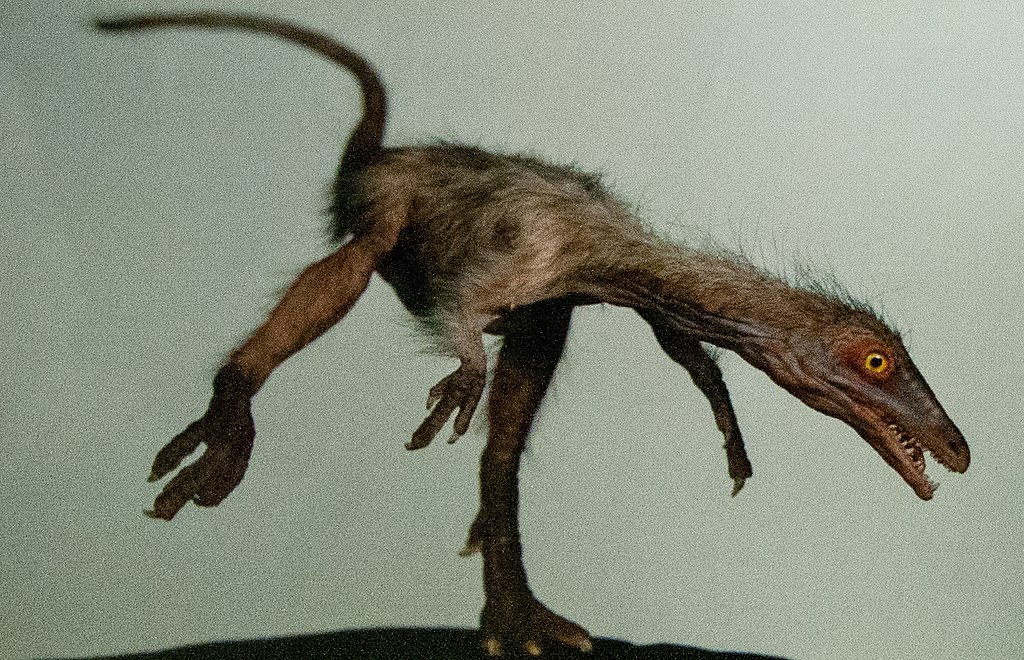
Compsognathus

Tiny but Deadly: The Smallest Predatory Dinosaurs in Prehistory

When we think of dinosaurs, colossal beasts like Tyrannosaurus rex and Brachiosaurus often come to mind. However, the prehistoric world was also home to remarkably small predatory dinosaurs that wielded outsized influence in their ecosystems. These diminutive hunters proved that lethal efficiency didn’t always require massive size. From the chicken-sized Compsognathus to the cat-sized Microraptor, ...

Close-up of a curious white chicken with a red comb in a grassy field, surrounded by other chickens under a clear blue sky. The scene conveys a lively farm atmosphere.

Why Some Scientists Call Chickens “Mini Dinosaurs”

In the world of paleontology and evolutionary biology, one of the most fascinating revelations in recent decades has been the reclassification of birds as living dinosaurs. Among our feathered contemporaries, chickens hold a special place as some of the most accessible examples of this evolutionary legacy. Far from being just farm animals or food sources, ...

Tiktaalik fossil

What Are Transitional Fossils and Why Do They Matter?

Deep within the Earth’s strata lie some of the most compelling evidence for evolution—transitional fossils. These remarkable specimens document crucial evolutionary moments when one group of organisms was evolving into another, providing us with snapshots of life’s incredible journey across time. Transitional fossils bridge morphological gaps between major groups of organisms, offering scientists invaluable insights ...

Indian Ocean - Sri Lankan coastal line

What If Dinosaurs Had Lived on Other Continents That Sank Beneath the Oceans?

The history of life on Earth remains one of our most fascinating scientific narratives, with dinosaurs occupying a particularly special place in our collective imagination. For over 165 million years, these magnificent creatures dominated terrestrial ecosystems across the globe. But what if the fossil record we have today represents only a fraction of dinosaur diversity? ...

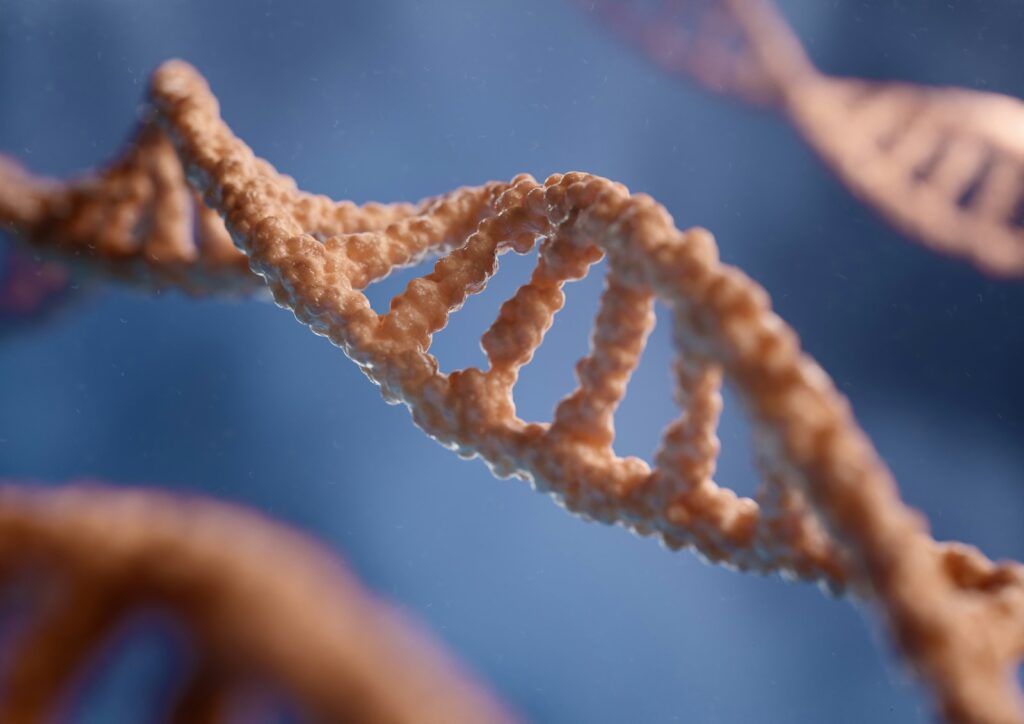
a close up of a single strand of food

How Ancient DNA Fragments Are Reshaping Dinosaur Evolution

Buried beneath layers of sediment and time, microscopic remnants of prehistoric life are changing our understanding of dinosaurs and their evolutionary story. Recent advancements in paleogenetics and molecular analysis techniques have allowed scientists to extract, sequence, and analyze fragments of ancient DNA, challenging long-held assumptions about dinosaur evolution. What was once considered impossible—retrieving genetic material ...