Articles for author: Awais Khan

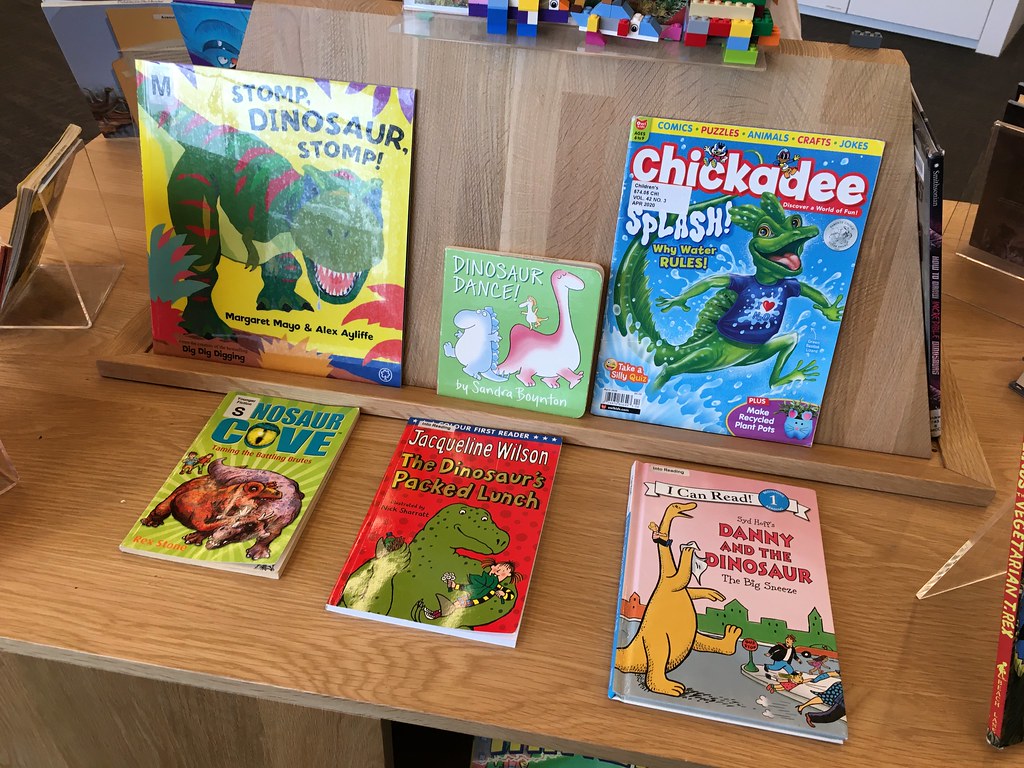
Dinosaur books, Tūranga

The Lost World to the Modern Age: 8 Classic Dino Books That Shaped the Genre

There’s something deeply primal about our fascination with dinosaurs. These colossal creatures, extinct for millions of years, continue to captivate our imagination in ways that defy logical explanation. Perhaps it’s the sheer impossibility of their existence – animals so massive, so alien, yet so real that their fossilized remains still emerge from ancient rock formations ...

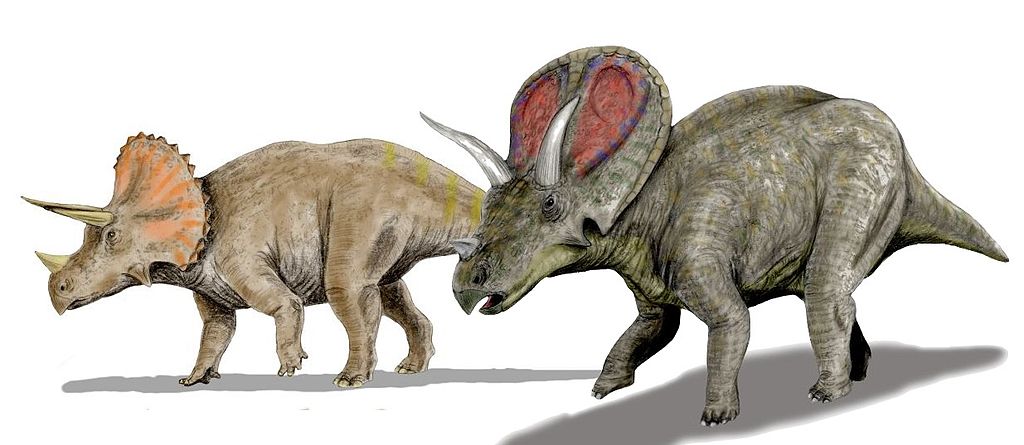
Triceratops horridus (left) and Torosaurus latus (right)

Did Triceratops and Torosaurus Represent the Same Animal? New Data From Wyoming

Picture yourself standing in the badlands of Wyoming, where the wind whispers secrets from 68 million years ago. Here, buried beneath layers of time, lie the fossilized remains of some of Earth’s most magnificent creatures. Among these ancient giants, two horned dinosaurs have sparked one of paleontology’s most heated debates: were Triceratops and Torosaurus actually ...

The Problem with Naming Dinosaurs from a Single Tooth

The Problem with Naming Dinosaurs from a Single Tooth

Picture this: you’re holding a single tooth, no bigger than your thumb, and from this lone fossil fragment, you’re expected to reconstruct an entire species that lived 100 million years ago. This isn’t science fiction—it’s the reality that paleontologists have faced for over a century. The practice of naming dinosaurs from isolated teeth has created ...

Awais Khan

Close-up of a hyena gazing to the right, its fur shaggy and brown against a blurry earth-toned background, conveying a curious and alert demeanor.

10 Creatures Today That Still Eat or Chew on Bones

Picture this: you’re walking through a forest and stumble upon what looks like a crime scene. White fragments scattered across the ground, strange gnaw marks, and an eerie silence. But this isn’t the work of some sinister villain – it’s nature’s cleanup crew at work. While most of us cringe at the thought of crunching ...

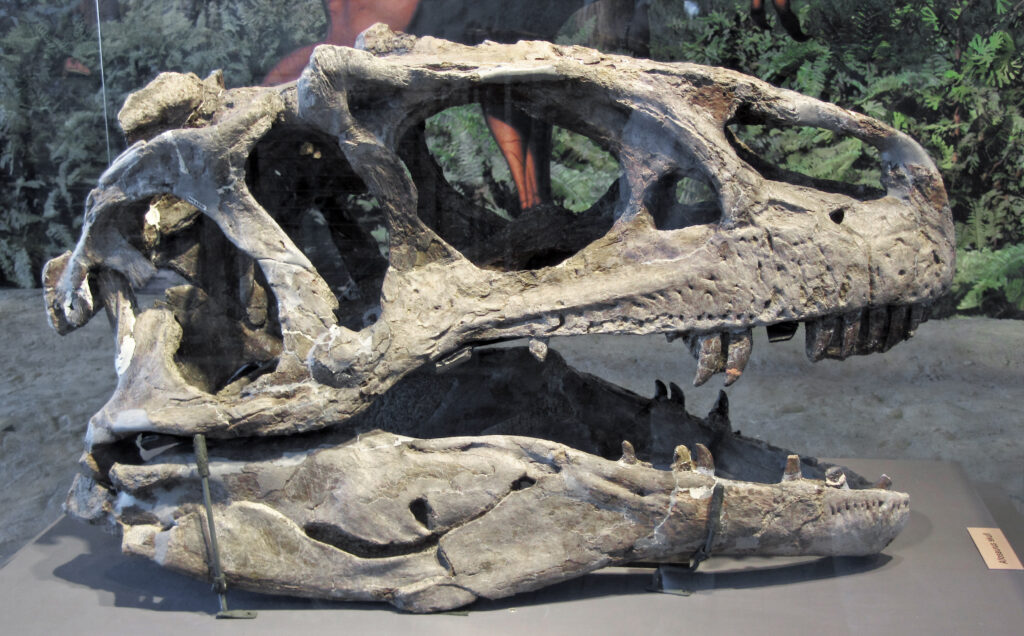
A dinosaur skull fossil displayed on a stand, featuring large eye sockets and sharp teeth. The background shows green foliage, creating a prehistoric ambiance.

8 Ways Prehistoric Creatures May Have Used Bones as Homes

In the primordial world of prehistoric creatures, survival often depended on ingenious adaptations. Among these, the repurposing of bones—whether from prey or deceased members of their species—stands out as a fascinating behavior that paleontologists continue to study. While we typically think of bones as structural supports for living organisms, evidence suggests that many prehistoric animals ...

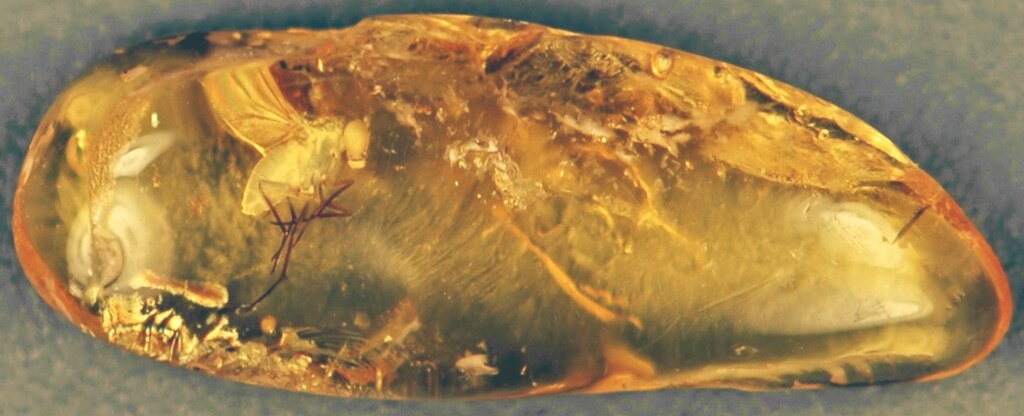
Fly in amber (Amber Formation, Middle Eocene; Yantarnyi, Samland Peninsula along the Baltic Sea, far-western Russia)

7 Unusual Ways a Fossil Can Form (That Aren’t Just Bones Turning to Stone)

When most people think of fossils, they imagine dinosaur bones preserved in stone. While this type of preservation—known as permineralization—is indeed common, the world of fossilization is far more diverse and fascinating than many realize. Fossils can form through numerous processes, many of which preserve not just bones but soft tissues, behaviors, and even microscopic ...

The Fossil That Still Smelled: Rare Preservation and Organic Traces

The Fossil That Still Smelled: Rare Preservation and Organic Traces

Picture this: you’re standing in a paleontology lab, handling a fossil that’s millions of years old, when suddenly your nose catches an unexpected scent. Not the dusty smell of old rocks, but something organic, something that shouldn’t exist after eons of burial. This isn’t science fiction – it’s the incredible reality of exceptionally preserved fossils ...