Articles for author: Awais Khan

A large dinosaur skeleton with a long neck and tail is displayed in a museum. Overhead lighting casts a warm glow, highlighting the bones.

The Price of Fame: How Dinosaur Discoveries Get Twisted for Headlines

In the competitive world of science journalism, few subjects capture public imagination quite like dinosaur discoveries. These prehistoric beasts, having dominated Earth for over 165 million years, continue to fascinate us through museum exhibits, movies, and news stories. However, the journey from scientific discovery to public consumption is fraught with distortion. Paleontologists frequently find their ...

Hands of a paleontologist carefully cleaning a fossil with a precision tool under a magnifying lamp. The scene conveys focus and meticulous care.

5 Writers Whose Dinosaur Books Belong on Every Science Lover’s Shelf

The world of paleontology has captivated the human imagination since the first dinosaur fossils were scientifically described in the early 19th century. While museum exhibits showcase impressive skeletal reconstructions, books offer a more intimate and comprehensive exploration of these magnificent prehistoric creatures. Certain authors have distinguished themselves through their exceptional ability to communicate complex scientific ...

During the Jurassic, high sea levels flooded continents, forming vast shallow seas and reshaping coastlines across the globe.

Underwater Worlds: The Lost Continental Shelves of the Mesozoic

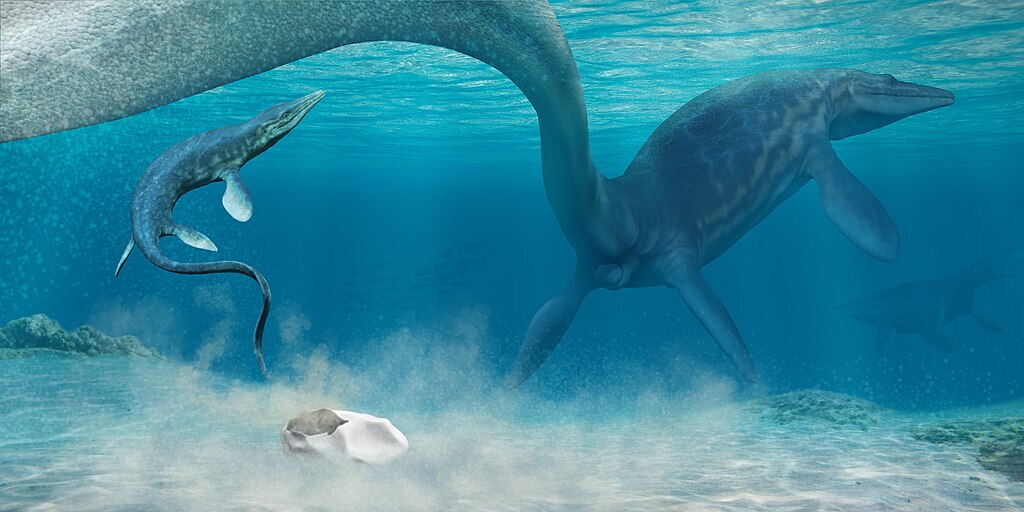
Beneath our modern oceans lie the submerged remnants of ancient worlds—vast continental shelves that once hosted diverse ecosystems during the Mesozoic Era (252-66 million years ago). These shallow marine environments, now hidden beneath hundreds of meters of water, were once thriving habitats where prehistoric creatures flourished in warm, sunlit waters. The story of these lost ...

Therizinosaurus

Dr. Emily Rayfield: How Digital Modeling Is Revolutionizing Dinosaur Research

Paleontology has undergone a remarkable transformation in recent decades, moving from a discipline primarily focused on fossil collection and anatomical description to one that increasingly employs sophisticated computational techniques to answer complex questions about extinct organisms. At the forefront of this revolution stands Dr. Emily Rayfield, a pioneering paleontologist whose groundbreaking work with digital modeling ...

Earth Impacting Asteroid

Was the Asteroid Impact the Sole Cause of Dinosaur Extinction?

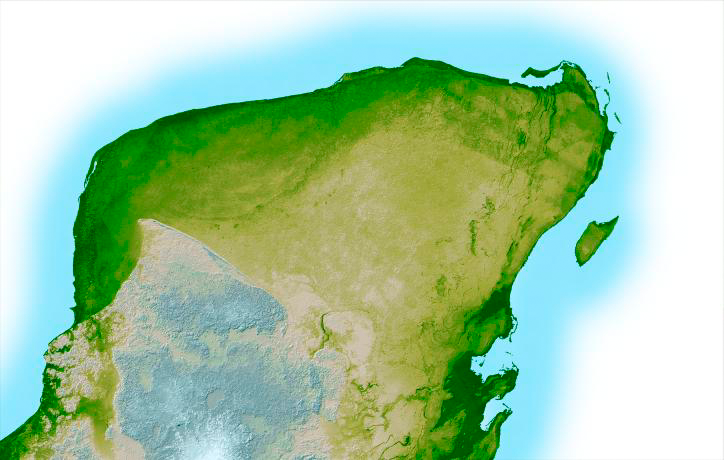
The extinction of dinosaurs represents one of the most dramatic and fascinating chapters in Earth’s biological history. For decades, the asteroid impact theory has dominated scientific discourse about what caused these magnificent creatures to disappear after ruling our planet for over 165 million years. The Chicxulub impact, which occurred approximately 66 million years ago, created ...

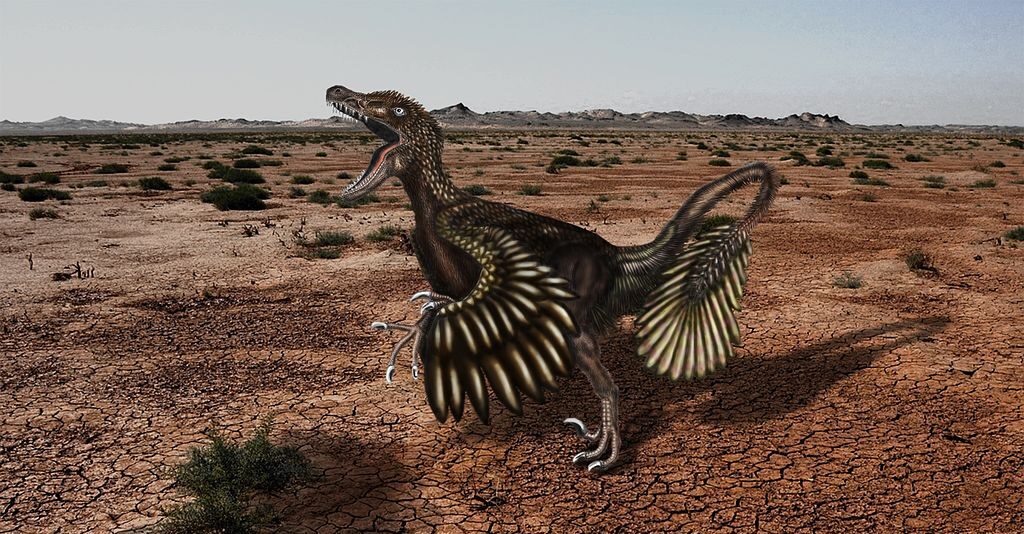
Microraptor's aerodynamic feathers hint at gliding or even early flight, soaring through prehistoric skies.

Are Feathers Really the Final Proof That Birds Are Dinosaurs?

The evolutionary connection between birds and dinosaurs has fascinated scientists and the public alike for decades. At the heart of this relationship is one of nature’s most remarkable innovations: feathers. While many consider feathers the definitive evidence linking birds to their dinosaur ancestors, the complete picture is far more complex and fascinating. This evolutionary story ...

"Stan" the T-rex, on exhibit at the Glendive Dinosaur and Fossil Museum

Should Kids Be Digging for Fossils—or Are We Damaging History?

Across beaches, quarries, and eroding hillsides, families and young enthusiasts regularly embark on fossil-hunting adventures. The joy of discovering a perfectly preserved ammonite or a dinosaur tooth fragment is undeniable, especially in the eyes of a child. However, as more people take up amateur paleontology, a significant question emerges: Should we be encouraging children to ...

Glowing blue jellyfish drift gracefully in dark water. Their translucent bodies create a serene, ethereal scene under a deep sea backdrop.

Why Most Creatures Never Fossilize — And Why That Matters

The history of life on Earth spans billions of years, with countless species having lived and died across the planet’s dynamic lifetime. Yet our fossil record—the collection of preserved remains that informs our understanding of prehistoric life—represents only a tiny fraction of all organisms that have ever existed. This remarkable disparity isn’t just a curious ...

Velociraptor Mongoliensis Painting

The Split Between Bird-Hipped and Lizard-Hipped Dinosaurs Explained

The dinosaur family tree represents one of paleontology’s most fascinating classification challenges. At its core lies a fundamental division that has shaped our understanding of dinosaur evolution for over a century: the split between bird-hipped (Ornithischia) and lizard-hipped (Saurischia) dinosaurs. This division, established in 1887 by Harry Govier Seeley, remains central to dinosaur taxonomy despite ...

A dinosaur skeleton model stands in a display case. It's bird-like with a long tail, sharp beak, and bipedal stance on a green base.

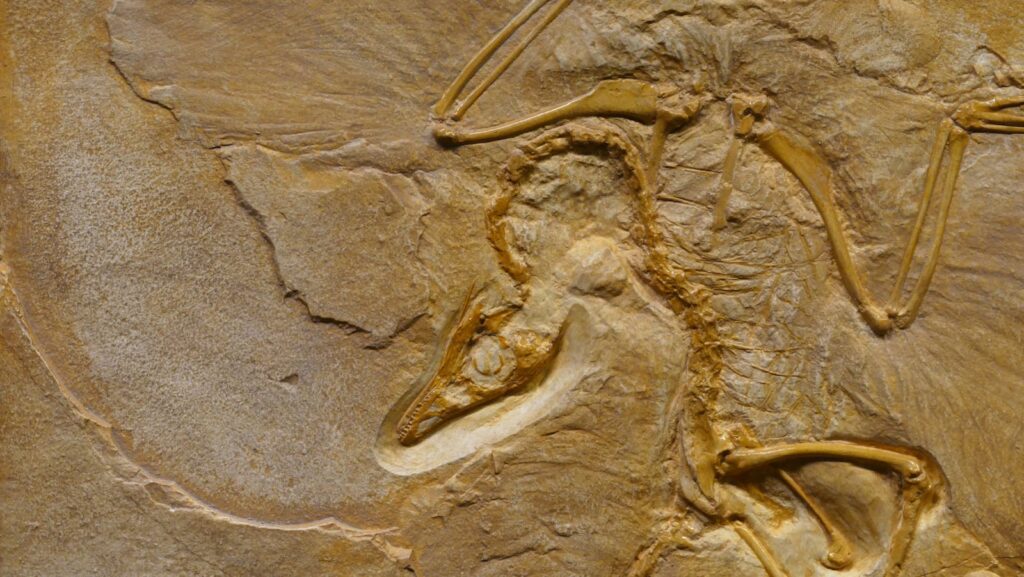
The Dinosaur That Couldn’t Decide: Half-Bird, Half-Beast

In the vast narrative of Earth’s prehistoric past, few creatures embody evolutionary transition as dramatically as those caught between dinosaur and bird classifications. These fascinating animals lived during a pivotal moment in evolutionary history, displaying characteristics of both their dinosaurian ancestors and the birds they were becoming. The story of these transitional species offers a ...