Articles for author: Awais Khan

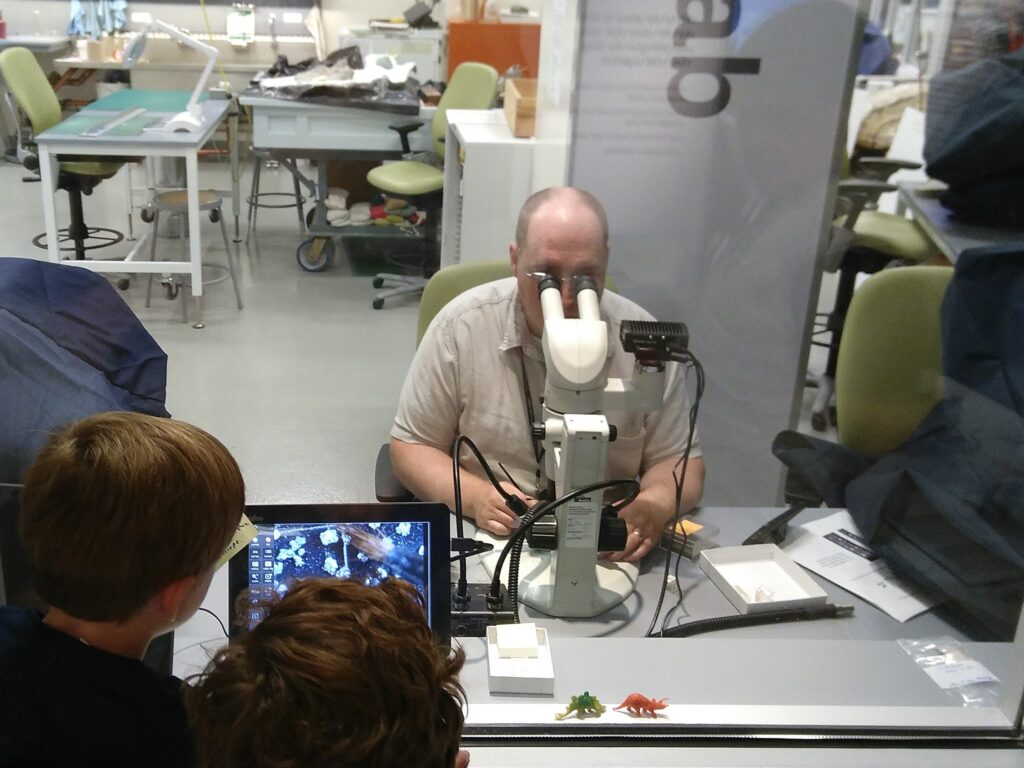
FossiLab at Smithsonian National Museum of Natural History

The Secret Life of Fossil Prep Labs: How Mistakes Are Avoided

From dusty field discoveries to museum pedestals, fossils undergo a remarkable transformation journey—one largely hidden from public view. Behind the scenes, fossil preparation laboratories operate as the critical bridge between excavation and exhibition. These specialized workspaces combine elements of science, art, and craftsmanship, where technicians meticulously free ancient remains from their rocky prisons. This delicate ...
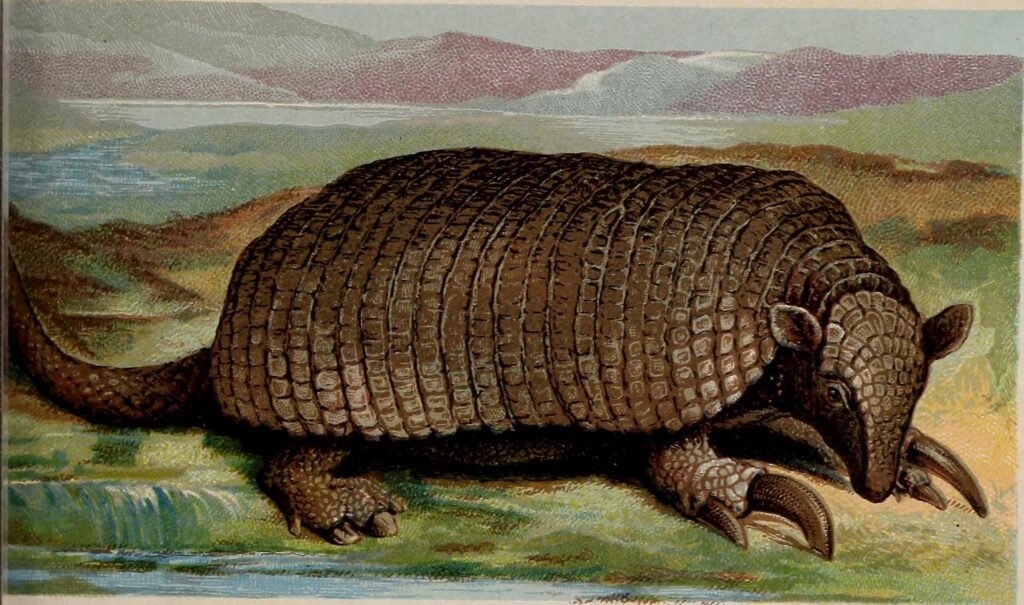
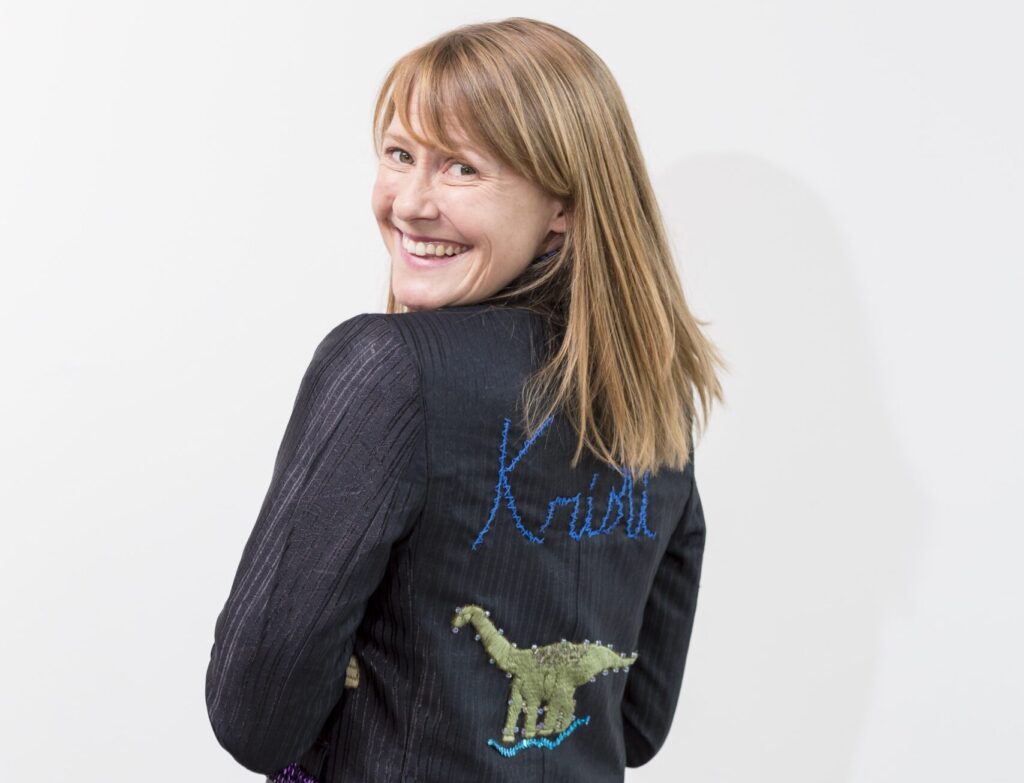
Illustration of a giant armadillo with a textured, armored shell and large claws, set against a scenic backdrop of mountains and grassy plains.

Giant Armadillos of the Past Could Crush a Car

In the prehistoric world, long before humans dominated the Earth, ancient relatives of today’s armadillos roamed the Americas’ landscapes as formidable armored tanks. These weren’t the small, cat-sized creatures we know today, but massive beasts that could potentially crush modern vehicles under their weight. Known as glyptodonts, these prehistoric mammals represented one of nature’s most ...

Kristina Curry Rogers

How Dr. Kristi Curry Rogers Uncovered the Secrets of Tiny Titanosaurs

In the world of paleontology, where massive dinosaur fossils often capture the spotlight, Dr. Kristi Curry Rogers has turned her attention to something much smaller but equally significant—baby dinosaurs. As a pioneering paleontologist specializing in titanosaurs, Dr. Rogers has revolutionized our understanding of how these massive creatures grew from tiny hatchlings into the largest animals ...

Skeleton of a prehistoric bird with elongated neck and beak displayed against a textured wall, conveying a sense of ancient elegance and mystery.

Fossils That Were Initially Misidentified (And What They Really Were)

The history of paleontology is filled with fascinating stories of discovery, interpretation, and reinterpretation. Scientists working with incomplete specimens and limited knowledge of prehistoric life have occasionally drawn conclusions that later proved incorrect. These misidentifications aren’t simply embarrassing errors—they represent the scientific method in action, as new evidence leads to a revised understanding. From dinosaur ...

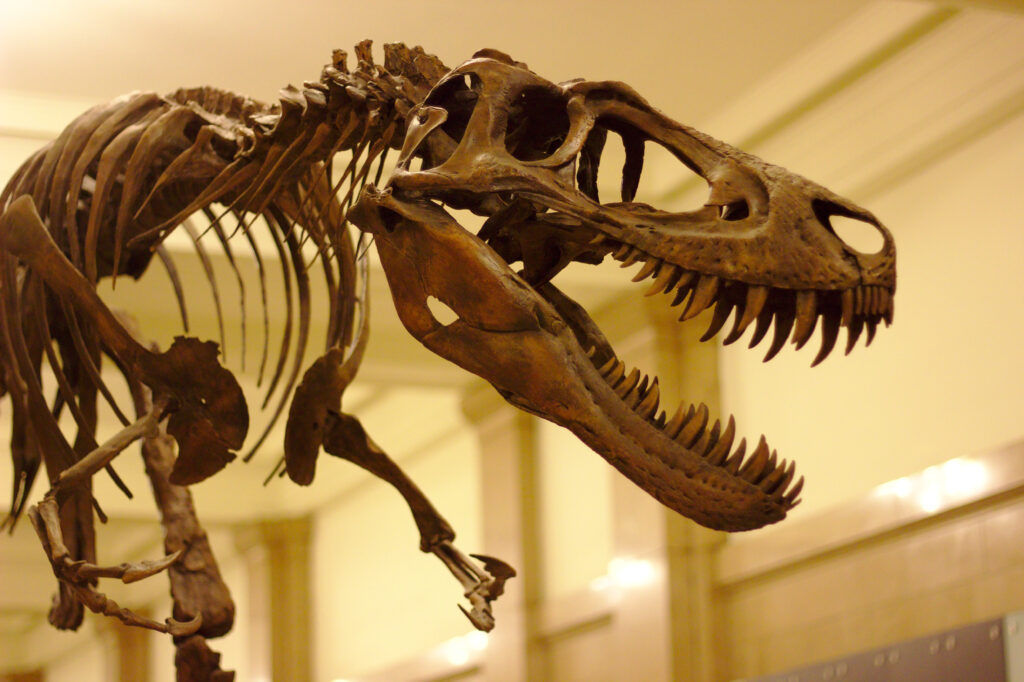
Skeleton of a Tyrannosaurus rex on display in a museum. Its open jaw and sharp teeth create an imposing presence, set against a soft-lit background.

Paleontology or Paleononsense? Fact-Checking Ross Geller’s Dino Talk

The hit sitcom “Friends” gave us many memorable characters, but perhaps none as academically passionate as Dr. Ross Geller, the paleontologist whose dinosaur facts and museum anecdotes became running gags throughout the series. While Ross’s enthusiasm for prehistoric life was endearing, his scientific claims weren’t always scrutinized by the show’s writers for accuracy. For many ...

Homo floresiensis cave

Could Fossils Be Preserved in Places We Least Expect — Like Caves?

Fossils, the preserved remains or traces of ancient organisms, have traditionally been associated with sedimentary rock formations exposed at the Earth’s surface. Paleontologists typically search for these prehistoric treasures on eroded hillsides, cliff faces, and in quarries. However, the scientific community is increasingly recognizing that fossil preservation occurs in unexpected environments that challenge conventional understanding. ...

T-rex Sue

The Serendipity of Fossil Finds: When Accidents Lead to Discovery

The history of paleontology is filled with remarkable stories where chance, luck, and happy accidents have led to some of the most significant fossil discoveries in scientific history. While modern paleontology relies on methodical research and advanced technologies, many pivotal finds throughout history occurred when someone simply stumbled upon something extraordinary. From children playing in ...