Articles for author: Awais Khan

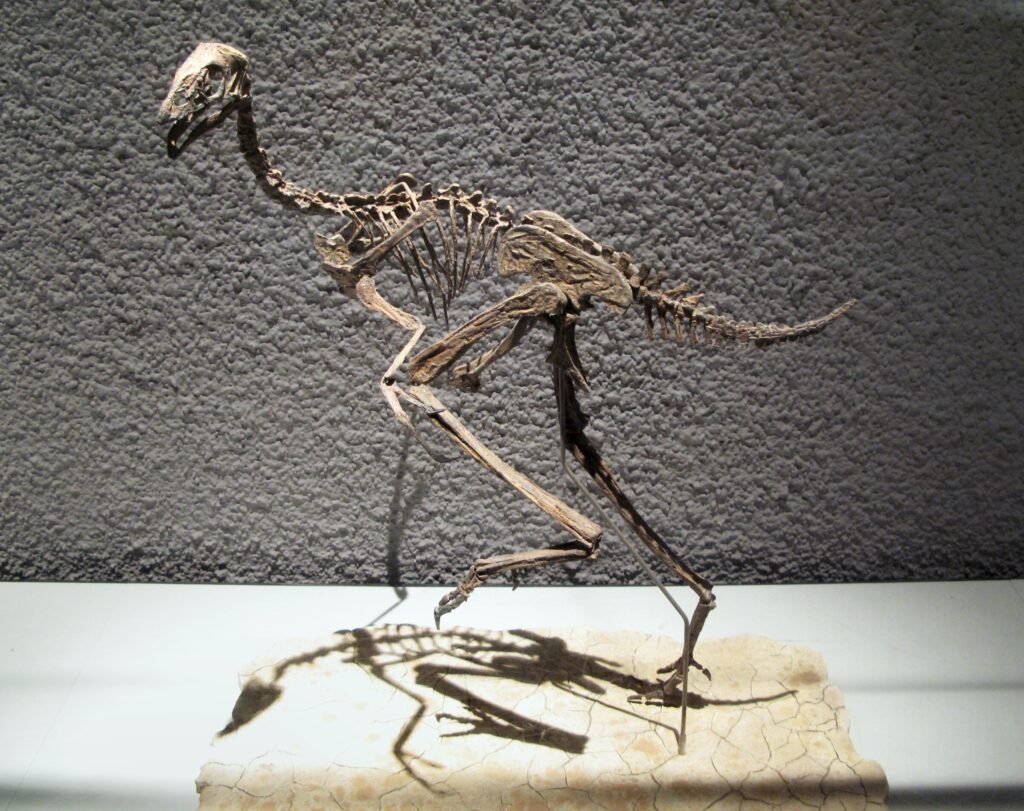
Dinosaur fossil displayed in a museum, standing upright with a long tail and thin limbs. The textured wall adds depth, casting a dramatic shadow.

The Hidden Fossils of Tiny Dinosaurs: Why They’re So Hard to Find

When we picture dinosaurs, colossal creatures like Tyrannosaurus rex and Brachiosaurus often come to mind. However, the fossil record tells a more complex story—one that includes diminutive dinosaurs that could fit in the palm of your hand. Despite their potential abundance during the Mesozoic Era, the fossils of these miniature dinosaurs remain exceptionally rare discoveries. ...
Dinosaur eating plants

How the Dinosaur Diet Shaped Earth’s Vegetation

For millions of years, dinosaurs dominated Earth’s landscapes, becoming the primary consumers of plant life across continents. Their diverse diets and massive appetites fundamentally transformed the planet’s vegetation patterns in ways that continue to influence our modern ecosystems. From the Triassic to the end of the Cretaceous period, plant evolution responded dramatically to dinosaur feeding ...

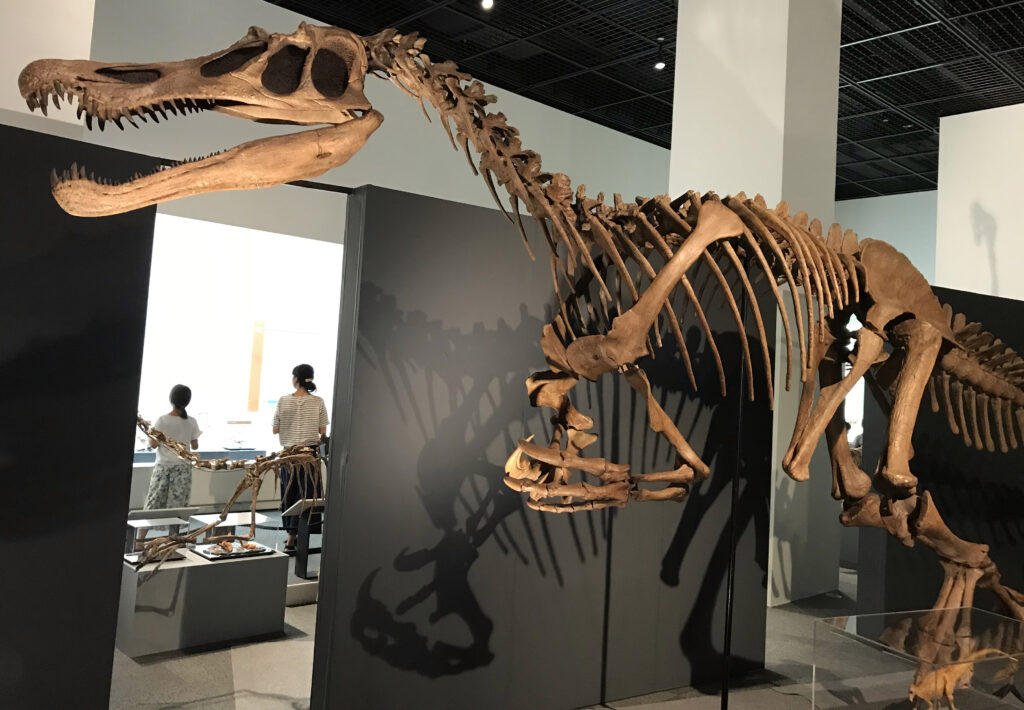
Dinosaur skeleton exhibit in a museum. The large fossil casts a shadow on a dark wall. Two people in the background view displays, creating a sense of awe.

Can Countries Reclaim Fossils Sold on the Black Market?

The illicit trade of fossils represents a significant threat to scientific knowledge and cultural heritage worldwide. Each year, countless paleontological specimens are illegally excavated and sold through black market channels, disappearing into private collections and depriving scientists and the public of valuable insights into the history of our planet. As awareness of this issue grows, ...

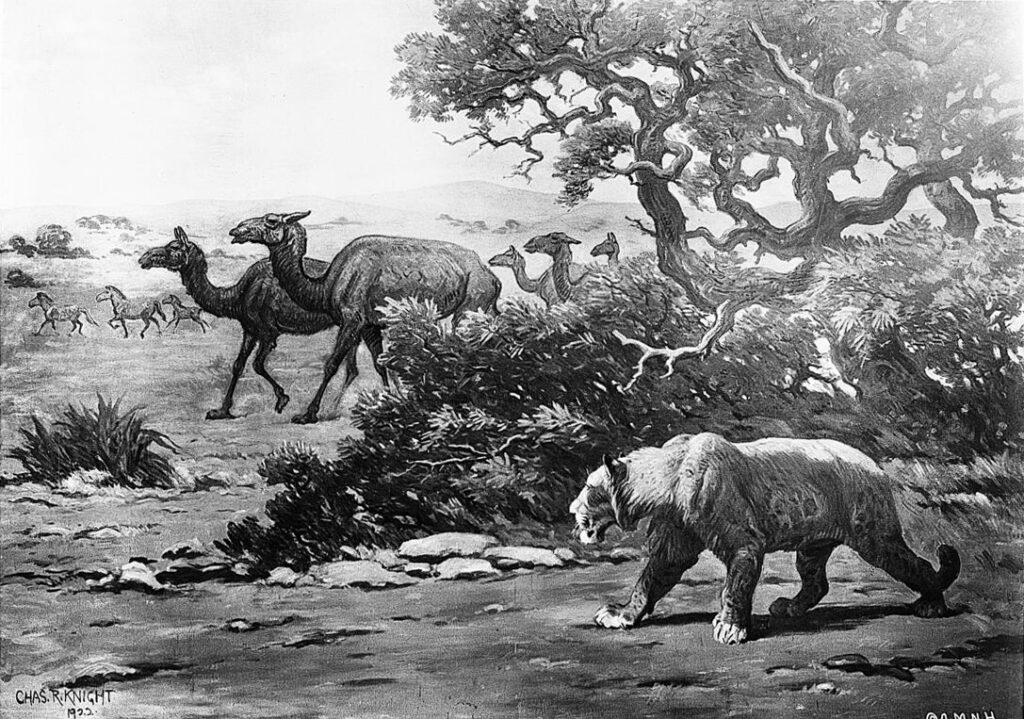
Illustration of an ancient landscape with a saber-toothed lion prowling in the foreground. In the background, a herd of prehistoric camels walks near a tree, with a wide open plain stretching towards distant hills. The scene conveys a sense of primal wilderness.

The Mysterious Death of the American Lion: A Lost King

Towering over the Ice Age landscape of North America once prowled a magnificent predator that outmatched even today’s largest big cats. The American lion (Panthera atrox), sometimes called the North American lion, reigned as the continent’s apex predator for hundreds of thousands of years. Weighing up to 800 pounds—nearly 25% larger than modern African lions—these ...

Awais Khan

Dinosaur skeleton exhibit in a museum, surrounded by framed illustrations and plants. The scene conveys a sense of history and curiosity.

Why Some Museums Display the Same Dinosaur Under Different Names

The world of paleontology is filled with fascinating discoveries, scientific debates, and occasionally, confusing nomenclature. Walk through different natural history museums across the globe, and you might notice something peculiar: what appears to be the same dinosaur species is labeled with completely different names. This phenomenon isn’t due to carelessness or lack of communication between ...

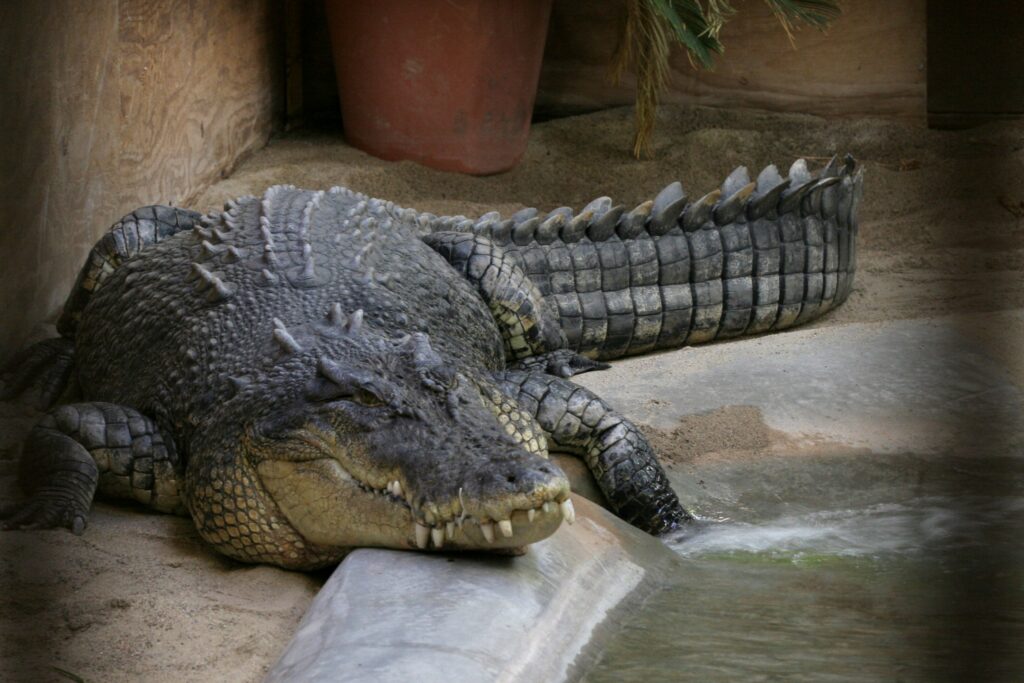
A large crocodile rests beside a water pool on sandy ground, its body still, conveying a sense of calm. A potted plant is visible in the background.

How Alligators and Birds Share a Common Dinosaur Ancestor

When we observe birds soaring through the sky and alligators lurking in swamps, it’s hard to imagine that these vastly different creatures share a common ancestry. Yet, the evolutionary narrative connecting these animals is one of the most fascinating stories in vertebrate evolution. Both alligators and birds trace their lineage back to the archosaurs, a ...

A starry night sky over a calm river with bright reflections of city lights on water. Two figures stand on a grassy bank, evoking a peaceful, contemplative mood.

What Artists Got Right—Before Scientists Could Prove It

Throughout history, artists have demonstrated an uncanny ability to capture truths about our world that science would only confirm much later. This fascinating intersection of art and science reveals how human intuition, observation, and creativity can sometimes leap ahead of methodical scientific inquiry. From anatomical details to astronomical phenomena, artists have frequently depicted reality with ...

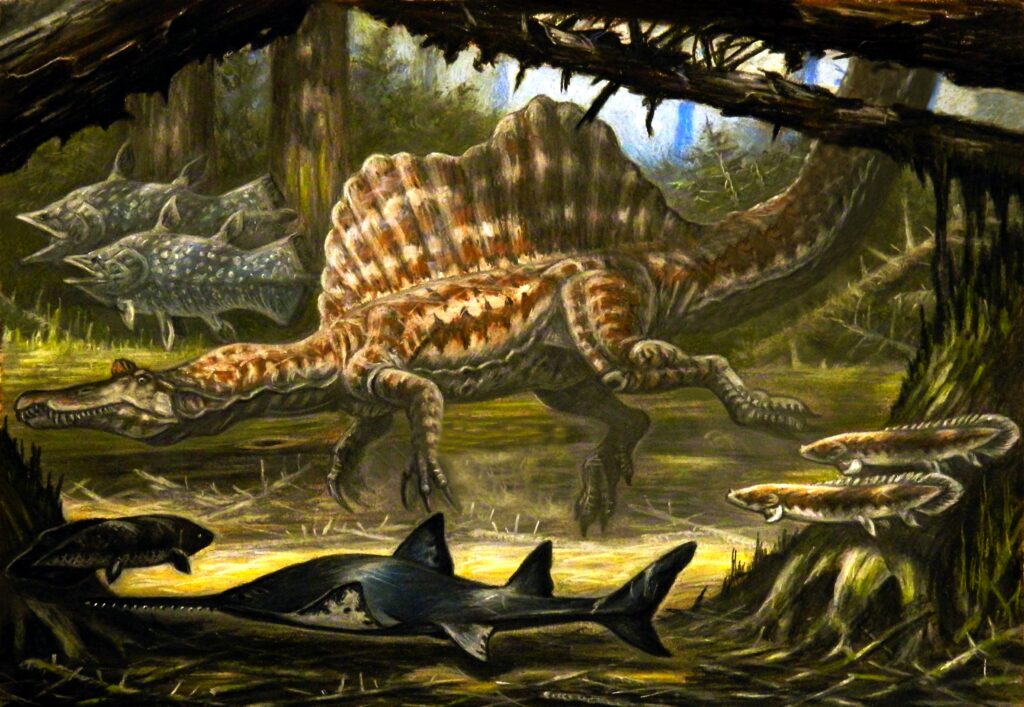
The First Swimming Dinosaur

Why the Sahara Desert Was Once Home to Aquatic Dinosaurs

Picture this: you’re standing in the blazing heat of the Sahara Desert, sand stretching endlessly in every direction. It’s hard to believe that roughly one hundred million years ago, this same spot was teeming with enormous crocodiles, massive fish, and most surprisingly, aquatic dinosaurs. But that’s exactly what scientists have discovered buried beneath all that ...

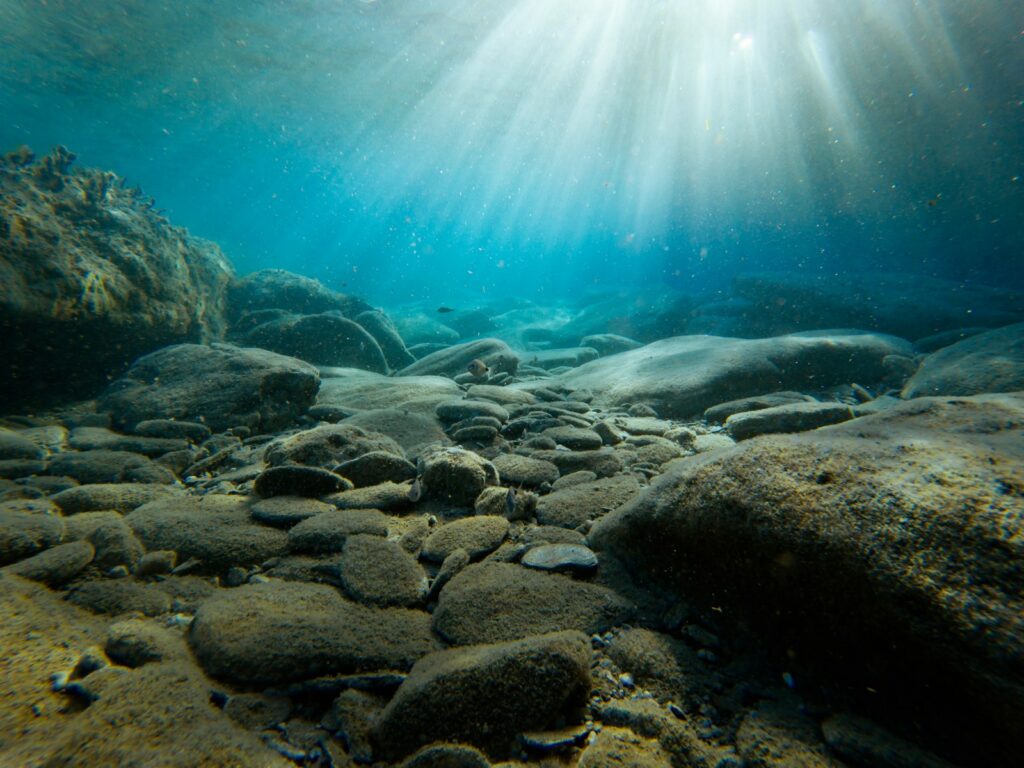
Underwater scene with sunlight streaming through clear blue water, illuminating smooth rocks on the seafloor. A calm, serene, and tranquil atmosphere.

The Ancient Oceans That Housed Prehistoric Sea Monsters

The depths of Earth’s prehistoric oceans once harbored creatures so extraordinary that they would seem like the stuff of fantasy if their fossils hadn’t proven their existence. Long before humans walked the Earth, massive marine reptiles, gigantic fish, and bizarre invertebrates ruled the ancient seas, evolving into formidable hunters and remarkable survivors in aquatic environments ...