Articles for author: Awais Khan

Close-up of a dinosaur skeleton head, showcasing sharp teeth and detailed bones. Background features blurred skeleton parts, museum-like setting. Atmospheric and intriguing.

Fake Fossils in Museums: Can You Spot the Forgery?

In the hallowed halls of natural history museums worldwide, millions of visitors marvel at fossilized remains of creatures that walked, swam, or flew across our planet millions of years ago. These precious windows into Earth’s past help scientists assemble the complex puzzle of evolution and ancient ecosystems. However, lurking among authentic specimens is a troubling ...

Dental Fossils in Paleontology

When Fossils Challenged the Bible: The Church’s Early Reaction to Dinosaurs

In the early nineteenth century, as the first dinosaur fossils were being scientifically classified, a profound intellectual challenge emerged within Christian communities across Europe and America. The discovery of creatures that appeared nowhere in scripture—massive reptilian beasts that had dominated Earth long before humans—created a theological crisis that would reshape religious thought. These ancient bones ...

Velociraptor Mongoliensis Painting

6 Dinosaurs That Connect Directly to Modern Birds

The connection between dinosaurs and birds represents one of the most fascinating evolutionary stories in natural history. Rather than disappearing completely after the Cretaceous-Paleogene extinction event approximately 66 million years ago, certain dinosaur lineages survived and evolved into the birds we know today. This remarkable transition is supported by extensive fossil evidence, particularly from theropod ...

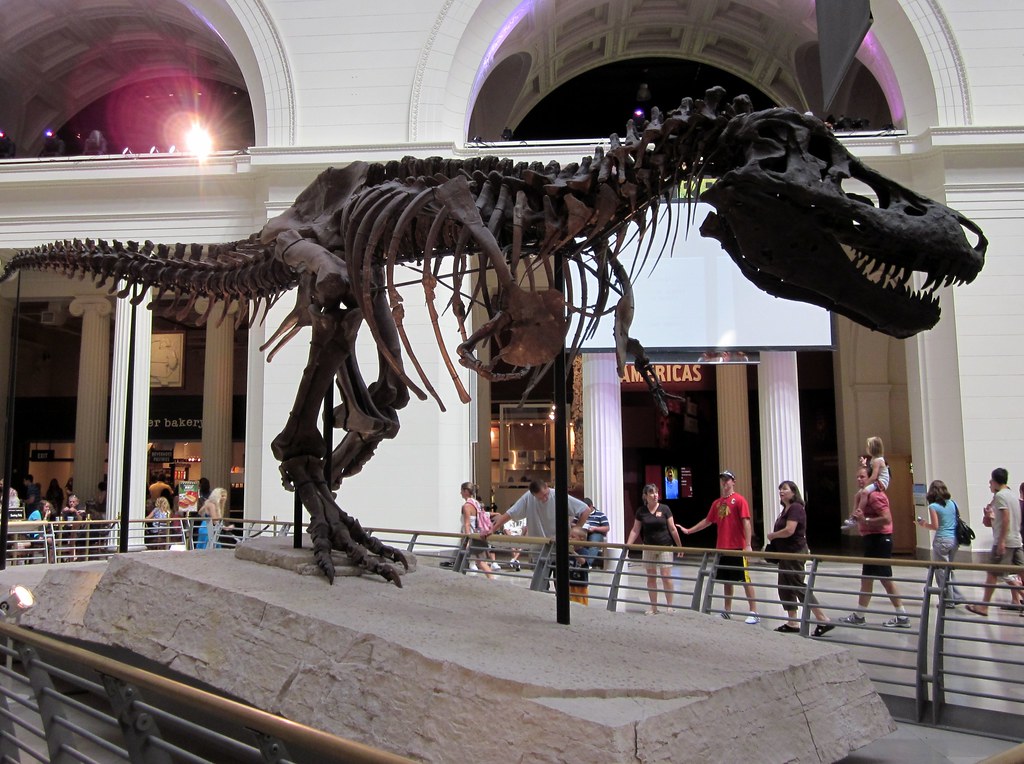
Dinosaur skeleton displayed in a dimly lit museum setting. The fossil stands prominently with a large skull, sharp teeth, and a long tail, evoking a sense of ancient majesty.

Fossilization: What Are the Odds a Dinosaur Becomes a Fossil?

Dinosaurs captivate our imagination like few other creatures in Earth’s history. These magnificent reptiles ruled our planet for over 160 million years before mysteriously disappearing approximately 66 million years ago. Yet our knowledge of these ancient giants comes exclusively from their fossilized remains—the bones, teeth, footprints, and occasionally skin impressions that survived the eons to ...

Mosasaurs went live—fossils suggest they gave birth to young in the open sea.

What Lurked in the Water During the Age of Dinosaurs?

When we envision the Mesozoic Era—the Age of Dinosaurs spanning from 252 to 66 million years ago—our minds often conjure images of towering sauropods and fearsome predators like Tyrannosaurus rex stalking the prehistoric landscapes. However, equally fascinating and perhaps even more terrifying were the ancient marine ecosystems teeming with predators that would make today’s sharks ...

Fossils are nature’s time machines

Inside the Lab Where Fossils Are Cleaned and Assembled

Fossil preparation laboratories are the hidden workshops where ancient remains transform from dusty rocks into scientific treasures that reveal Earth’s distant past. Within these specialized spaces, skilled technicians and paleontologists work meticulously to free fossils from their stony prisons and reconstruct creatures that lived millions of years ago. These labs represent the crucial intermediate stage ...

Digital elevation map of the Yucatán Peninsula with green land masses and light blue water. Elevation changes highlighted in darker shades.

Did the Dinosaurs See It Coming? Signs of Trouble Before the End

Approximately 66 million years ago, the age of dinosaurs came to an abrupt end when a massive asteroid struck Earth near present-day Mexico. This catastrophic event, known as the Cretaceous-Paleogene (K-Pg) extinction, wiped out approximately 75% of all species on the planet, including the non-avian dinosaurs that had dominated terrestrial ecosystems for over 160 million ...

Tyrannosaurus rex represents one of the most dramatic examples of accelerated dinosaur growth ever discovered.

9 Dinosaurs That Lived Right Before the Extinction

The Late Cretaceous period, just before the mass extinction event that wiped out non-avian dinosaurs approximately 66 million years ago, was home to some of the most fascinating and formidable dinosaurs that ever walked the Earth. While many people are familiar with Tyrannosaurus rex, numerous other remarkable species roamed the planet during these final chapters ...

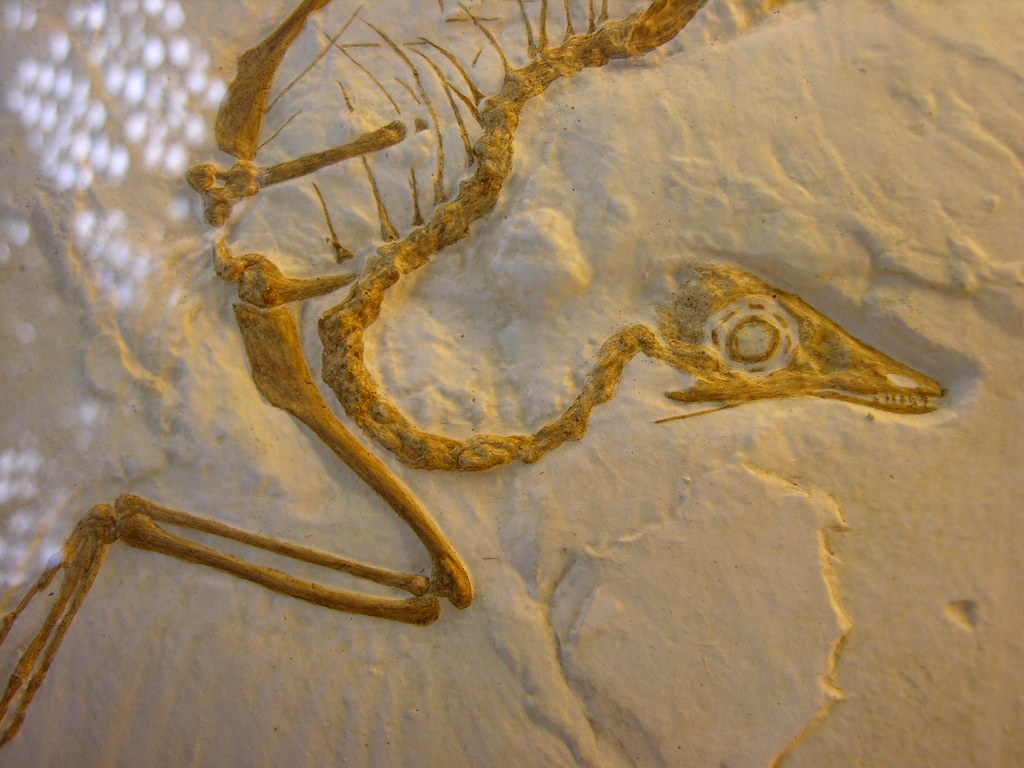
Close-up image of an Archaeopteryx fossil showcasing detailed bone structure

The Forgotten Fossils: What Happens to Bones That Don’t Make Headlines

In museums worldwide, impressive dinosaur skeletons and ancient human remains captivate visitors with their imposing presence and historical significance. These star specimens represent extraordinary discoveries that have shaped our understanding of evolutionary history. Yet, for every fossil that makes headlines and finds its way into prestigious display cases, thousands more remain unseen by the public ...