Articles for author: Awais Khan

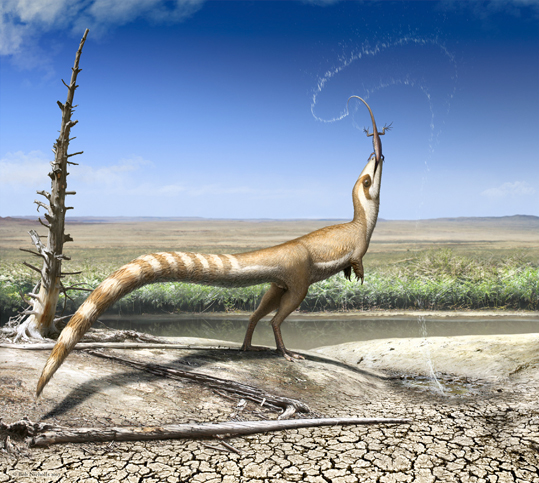
Sinosauropteryx The First Feathered Dinosaur Discovery

Were Dinosaurs More Like Birds or Lizards? The Evolutionary Tug-of-War

When we imagine dinosaurs, two competing visions often come to mind: scaly, reptilian beasts reminiscent of modern lizards, or feathered, active creatures similar to today’s birds. This dichotomy isn’t just a matter of artistic interpretation—it represents a genuine scientific debate that has evolved dramatically over the past century. Paleontologists have uncovered remarkable evidence that has ...

A lifelike model of a green and brown dinosaur, resembling a bird, standing on two legs. It's in a rocky, prehistoric environment with lush greenery.

Caudipteryx: The Dino With a Fan of Feathers and Chicken-Like Legs

In the realm of dinosaurs that blur the line between reptile and bird, Caudipteryx stands as one of the most fascinating examples. This small, feathered dinosaur roamed the forests of what is now northeastern China during the early Cretaceous period, approximately 124-122 million years ago. With its distinctive fan of tail feathers and surprisingly bird-like ...

Four dinosaurs with crests on their heads stand in a lush forest. Their varied colors and patterns blend with the greenery, creating a dynamic scene.

Parasaurolophus: The Dino With a Trumpet on Its Head

Among the vast array of prehistoric creatures that once roamed our planet, few capture the imagination quite like Parasaurolophus. This remarkable dinosaur, instantly recognizable by the long, curved crest extending from the back of its skull, has fascinated paleontologists and dinosaur enthusiasts for generations. Often described as “the dinosaur with a trumpet on its head,” ...

Realistic 3D rendering of a dinosaur with a large tail, open mouth, sharp teeth, and textured skin, conveying a fierce presence against a dark background.

Majungasaurus: The Cannibal Dinosaur of Madagascar

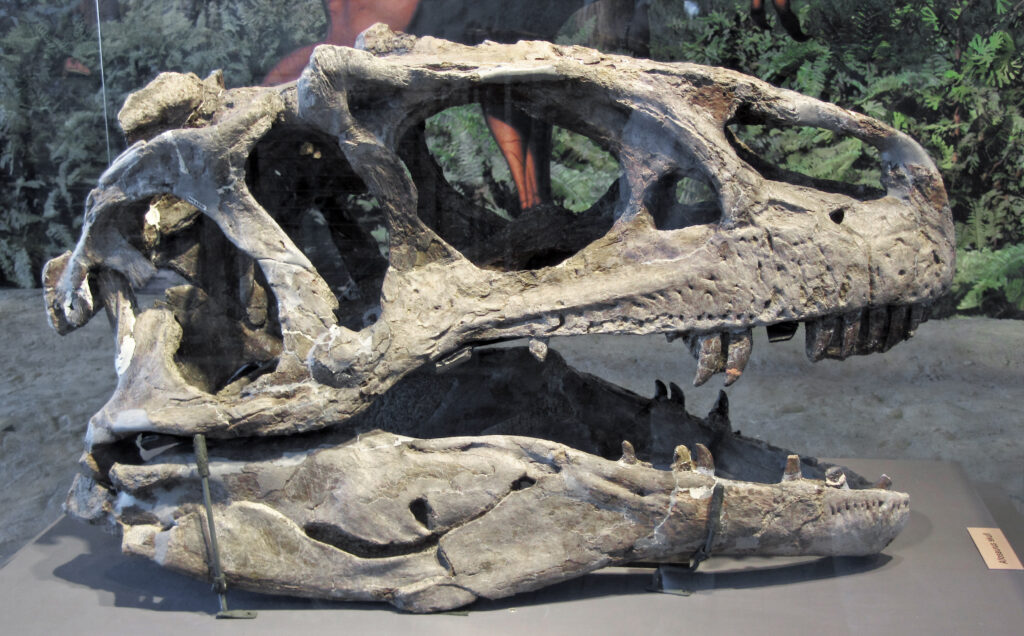
Millions of years ago, a fearsome predator stalked the semi-arid landscape of what is now Madagascar. With its powerful jaws and robust build, Majungasaurus crenatissimus established itself as the apex predator of its island ecosystem. Perhaps most intriguingly, this Late Cretaceous theropod has earned a macabre nickname—”the cannibal dinosaur”—due to compelling evidence that it occasionally ...

Skeleton of a giant dinosaur from 70 million years ago, connected from skull to tail

When Dinosaurs Got Sick: Diseases Found in Fossil Bones

Even the mightiest dinosaurs were not immune to illness and injury. While we often imagine these prehistoric giants as the epitome of strength and power, paleontological evidence reveals that dinosaurs, like modern animals, suffered from various diseases and medical conditions. By examining their fossilized remains, scientists have uncovered a fascinating array of ailments that affected ...

Vast, overcast landscape of rolling hills with sparse vegetation. The muted colors and cloudy sky convey a tranquil, expansive, and remote atmosphere.

The Story Behind the Hell Creek Formation: Deathbed of the Dinosaurs

The Hell Creek Formation is one of paleontology’s most significant treasure troves—a geological time capsule preserving the final chapter of dinosaur dominance on Earth. Stretching across portions of Montana, North Dakota, South Dakota, and Wyoming, this Late Cretaceous sedimentary layer records approximately 2 million years of Earth’s history, culminating in the catastrophe that ended the ...

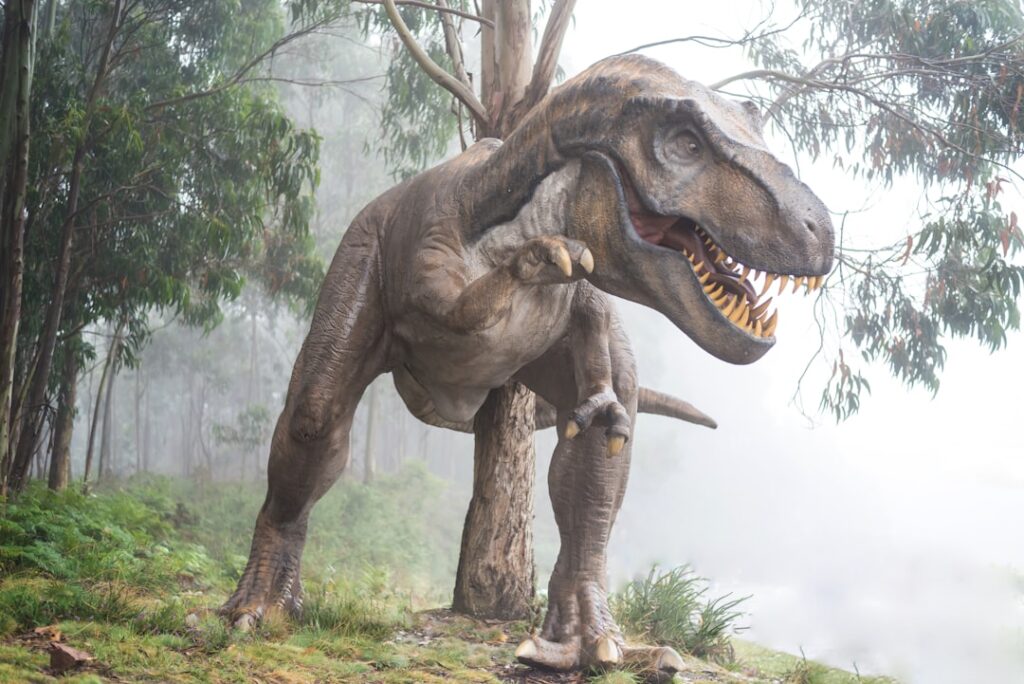
A roaring T. rex toy with sharp teeth

What Did People in the 1800s Think Dinosaurs Looked Like?

The 19th century marked the beginning of our fascination with dinosaurs as scientific discoveries of strange fossil bones led to the first attempts at reconstructing these prehistoric creatures. Before modern paleontological techniques, CT scans, and a comprehensive understanding of comparative anatomy, Victorian-era scientists and artists made educated guesses about dinosaur appearances that were often dramatically ...

The Discovery of Brontosaurus

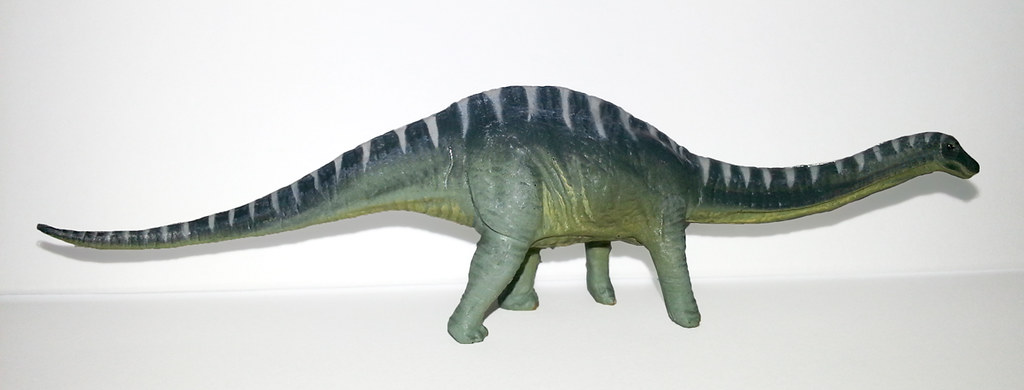
Apatosaurus: The Long-Necked Legend Once Called Brontosaurus

One of the most recognizable dinosaurs in popular culture, Apatosaurus has fascinated scientists and the public alike since its discovery in the late 19th century. This colossal herbivore, whose name means “deceptive lizard,” roamed the Earth during the Late Jurassic period approximately 150 million years ago. Perhaps most famous for its taxonomic identity crisis—being known ...