Articles for author: Awais Khan

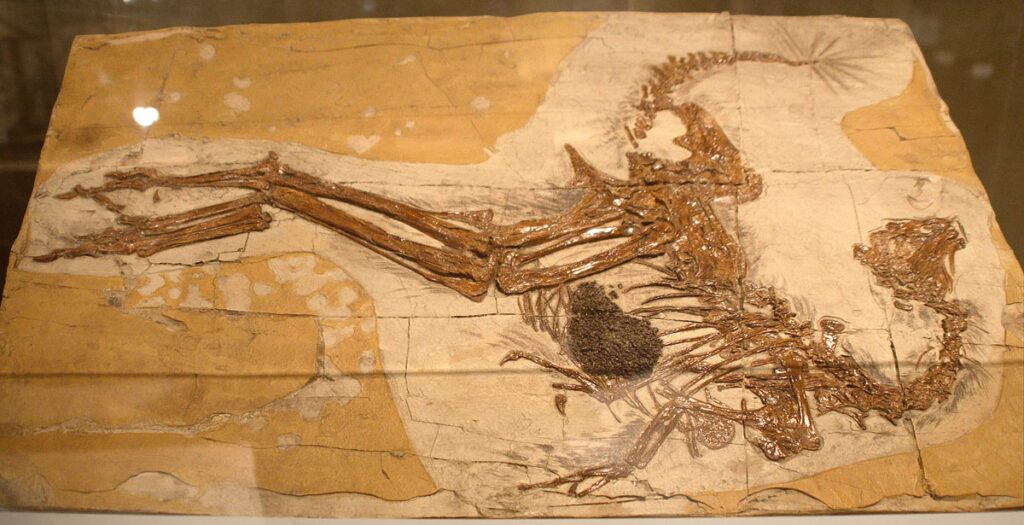
Fossil of a bird-like dinosaur, with outstretched wings and visible skeletal details, preserved in beige rock, conveying a sense of ancient history.

How Do Paleontologists Study Dinosaur Behavior from Fossils?

Unlocking the secrets of dinosaur behavior is like assembling a complex puzzle with many missing pieces. Paleontologists face the remarkable challenge of understanding how creatures behaved millions of years ago, with only their fossilized remains as evidence. Despite these limitations, scientific ingenuity and advancing technology have enabled researchers to develop sophisticated techniques for interpreting dinosaur ...


Microraptor's aerodynamic feathers hint at gliding or even early flight, soaring through prehistoric skies.

Are We Over-Interpreting Fossils with Modern Bias?

The study of ancient life through paleontology has revolutionized our understanding of Earth’s biological past. By examining fossils—preserved remains or traces of organisms from previous geologic periods—scientists reconstruct extinct species and ecosystems that existed millions of years ago. However, a growing concern within the scientific community questions whether modern human biases and perspectives unconsciously influence ...

Aerial view of a lush green landscape featuring a winding river surrounded by dense forest and vegetation, with a small town visible in the background.

The Cretaceous Greenhouse: When Earth Was Hotter Than Ever

The Cretaceous period, spanning from approximately 145 to 66 million years ago, represents one of the most fascinating chapters in Earth’s climatic history. During this time, our planet experienced greenhouse conditions that made it significantly warmer than today’s world, with global temperatures soaring to levels unseen in human history. This extreme warmth reshaped ecosystems, influenced ...

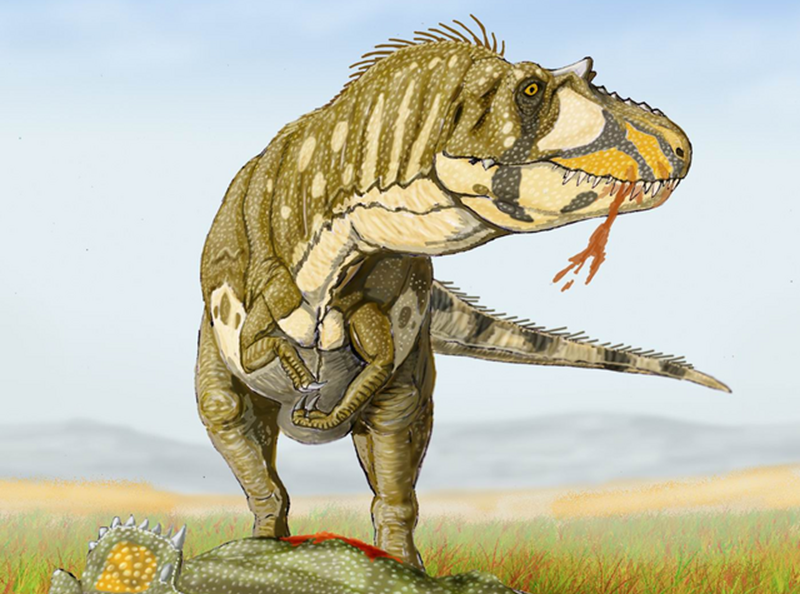
Daspletosaurus The Tyrant Dinosaur

Could Dinosaurs Be Revived Through Genetic Engineering?

The concept of resurrecting dinosaurs through genetic engineering has captured human imagination for decades, most famously portrayed in the Jurassic Park franchise. What once seemed purely science fiction has gradually shifted closer to scientific discussion as genetic technologies advance at remarkable speeds. Recent breakthroughs in genomics, ancient DNA recovery, and genetic manipulation techniques have prompted ...

Sue’s Secrets: A robust wishbone in Sue's skeleton strengthened the link between T. rex and birds.

Why Fossilized Dinosaur Skin Impressions Are So Rare (and So Valuable)

When we think of dinosaur fossils, we typically envision bones and teeth preserved in rock—the hard parts that withstood the test of time. However, some of the most scientifically significant and valuable dinosaur fossils aren’t bones at all, but rather the impressions of soft tissues like skin. These remarkable fossilized skin impressions offer paleontologists unprecedented ...

A lifelike dinosaur statue, resembling a Tyrannosaurus rex, stands in a lush, green forest. It has an open mouth displaying sharp teeth, conveying a fierce expression.

Could Some Dinosaurs Change Color Like Modern Lizards?

The question of whether dinosaurs could change their skin color like some modern reptiles has intrigued paleontologists for decades. While we’ve made remarkable strides in understanding dinosaur appearance through fossil evidence, the dynamic nature of dinosaur coloration remains one of paleontology’s most fascinating frontiers. Recent scientific advances have begun shedding light on the possibilities, suggesting ...

The documentary explores competing extinction theories and why this asteroid impact was uniquely catastrophic.

Could Dinosaurs Have Survived If the Asteroid Missed?

The extinction of dinosaurs 66 million years ago marks one of the most significant turning points in Earth’s biological history. The Cretaceous-Paleogene (K-Pg) extinction event, triggered by a massive asteroid impact near the Yucatán Peninsula in Mexico, eliminated approximately 75% of all species on Earth, including the non-avian dinosaurs that had dominated terrestrial ecosystems for ...

Sue’s Secrets: A robust wishbone in Sue's skeleton strengthened the link between T. rex and birds.

Why Dinosaur Bones Became Status Symbols for the Rich

Throughout history, humanity has been fascinated by extraordinary objects that connect us to Earth’s mysterious past. Among these coveted treasures, dinosaur fossils have emerged as particularly prestigious status symbols for the wealthy elite. From Victorian-era aristocrats to modern tech billionaires, the possession of these prehistoric remains represents far more than scientific interest—it signifies power, cultural ...

Two vibrant red birds with brown wings; one perched on a branch, the other in mid-flight against a blurred green background, conveying a lively atmosphere.

How the Colorful Feathers of Modern Birds Trace Back to Dinosaurs

The vibrant plumage of a peacock, the iridescent sheen of a hummingbird, or the striking patterns of a mandarin duck all share a remarkable evolutionary history that stretches back over 150 million years. Modern birds, with their spectacular array of colors and feather types, didn’t develop these features overnight. Instead, these characteristics evolved gradually from ...

Microraptor's aerodynamic feathers hint at gliding or even early flight, soaring through prehistoric skies.

The Evolution of Feathers: From Dinosaurs to Sparrows

Feathers, those remarkable structures adorning modern birds, represent one of nature’s most extraordinary evolutionary innovations. Far from being simple decorative elements, feathers have a complex history spanning over 150 million years, originating not in birds as many might assume, but in dinosaurs. This fascinating journey from simple filamentous structures to the complex, aerodynamically perfect feathers ...