Articles for author: Awais Khan

Jurassic Land Museum

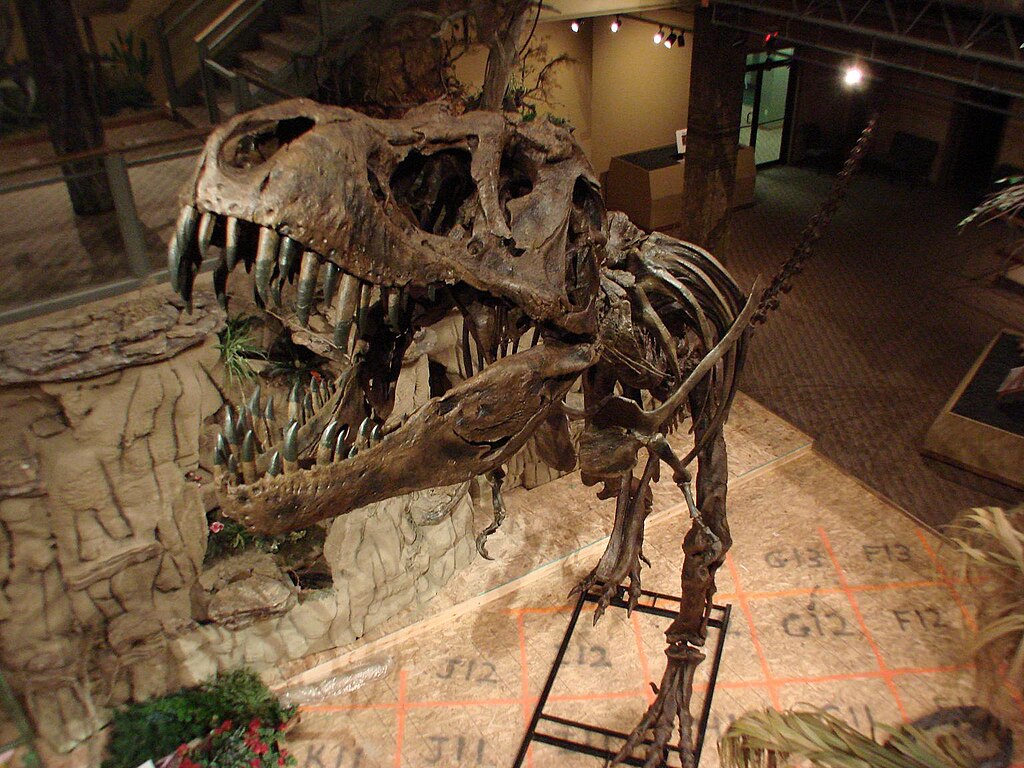
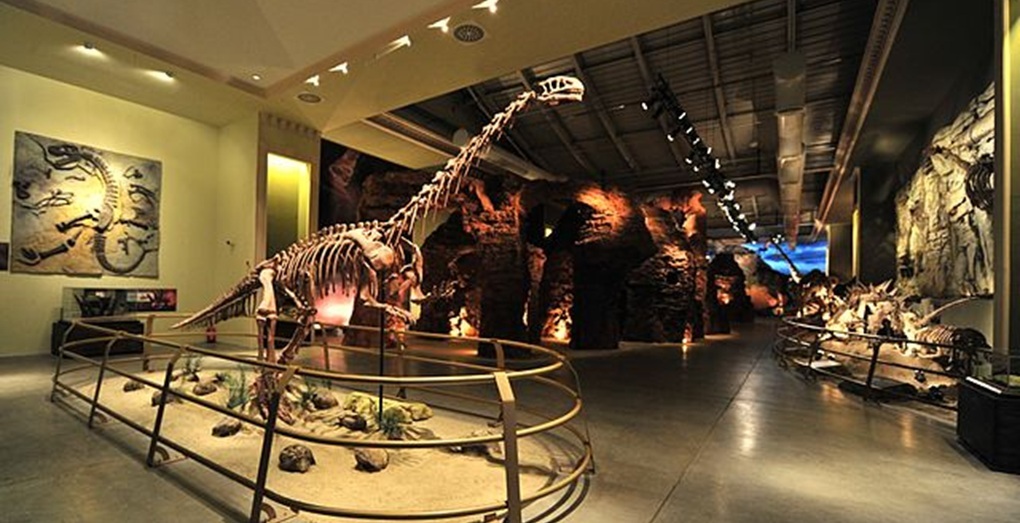
From Fossil to Exhibit: The Journey of a Dinosaur Skeleton to the Museum

The magnificent dinosaur skeletons that tower over museum visitors represent the culmination of a remarkable scientific process spanning multiple disciplines and often years of painstaking work. These impressive displays begin as fragments buried in rock, sometimes for over 65 million years, before undergoing a complex transformation through discovery, excavation, preparation, research, and finally, exhibition. The ...
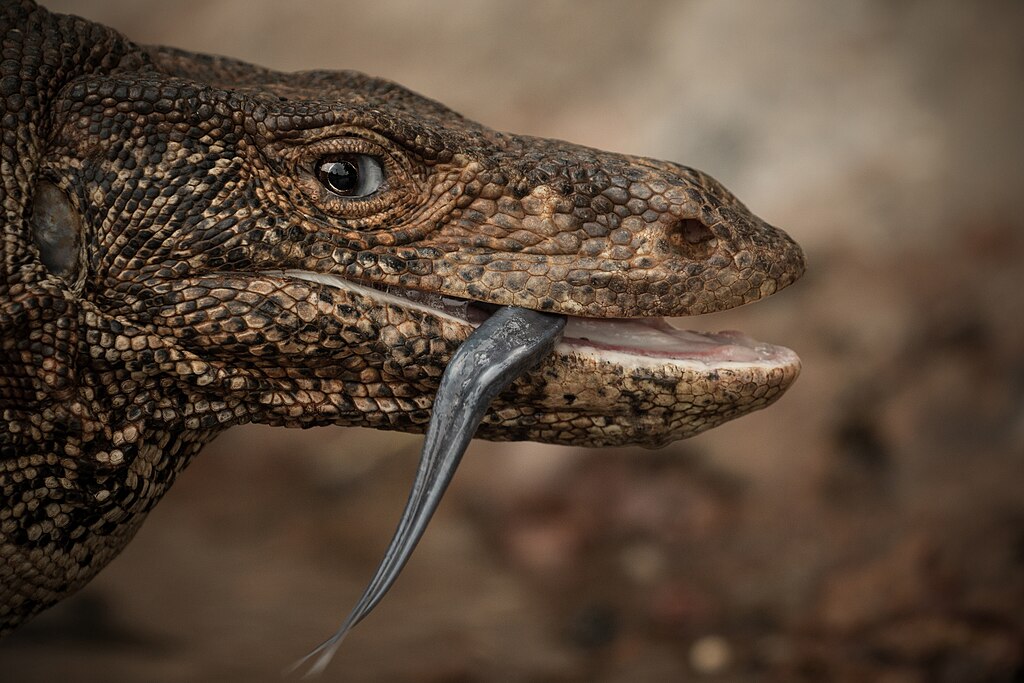

Bengal monitor at Anawilundawa Bird Sanctuary

Monitor Lizards: Echoes of Prehistoric Predators

With their powerful limbs, razor-sharp claws, and flickering tongues, monitor lizards command attention wherever they roam. These remarkable reptiles represent living connections to the ancient world of dinosaurs, carrying forward evolutionary adaptations that have allowed them to thrive for millions of years. From the massive Komodo dragon to the nimble tree monitors, these carnivorous reptiles ...

dinosaur with open mouth beside buildings still selective focus photography of

Could Dinosaurs Have Developed Advanced Societies If They Survived?

Dinosaurs dominated Earth for approximately 165 million years, evolving diverse body forms and ecological roles before their mass extinction 66 million years ago. While mammals ultimately inherited the planet and developed intelligence leading to technological civilization, a tantalizing question remains: could dinosaurs have evolved advanced societies had they survived? This speculative inquiry invites us to ...

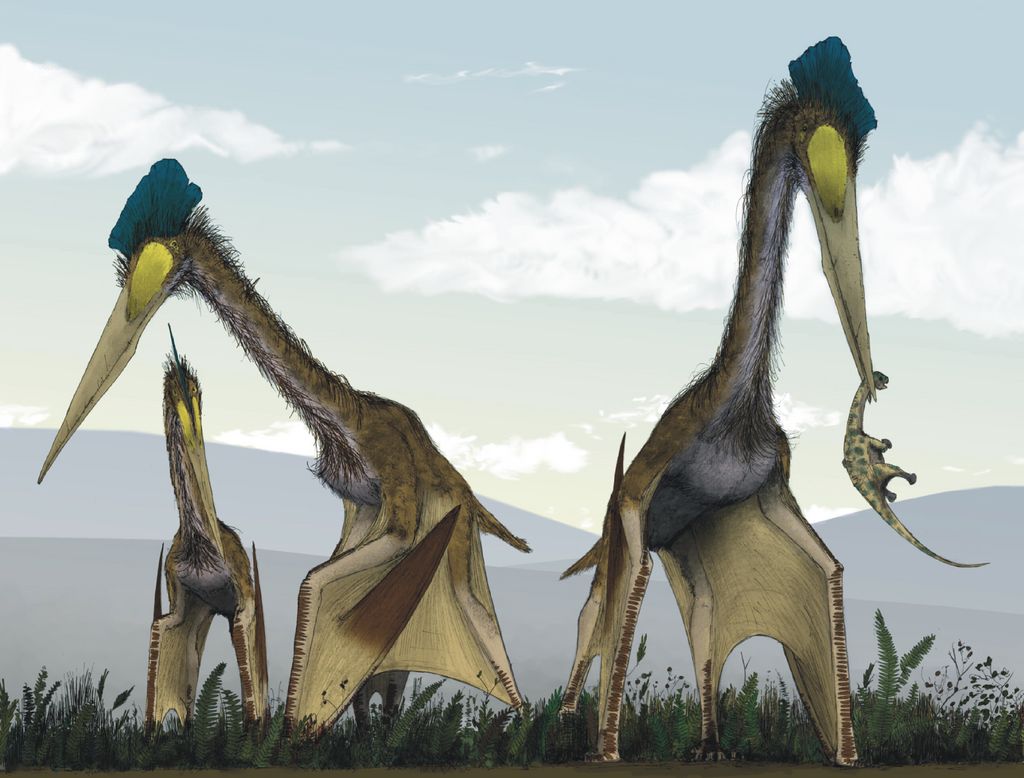
A juvenile titanosaur has been caught by one pterosaur

Why Some Dinosaurs May Have Evolved Beaks Independently

The evolution of beaks in various dinosaur lineages represents one of paleontology’s most fascinating examples of convergent evolution. While birds—the only surviving dinosaur group—are known for their beaks, fossil evidence reveals that several non-avian dinosaur groups independently evolved beak-like structures millions of years before modern birds took flight. This remarkable pattern of repeated beak evolution ...

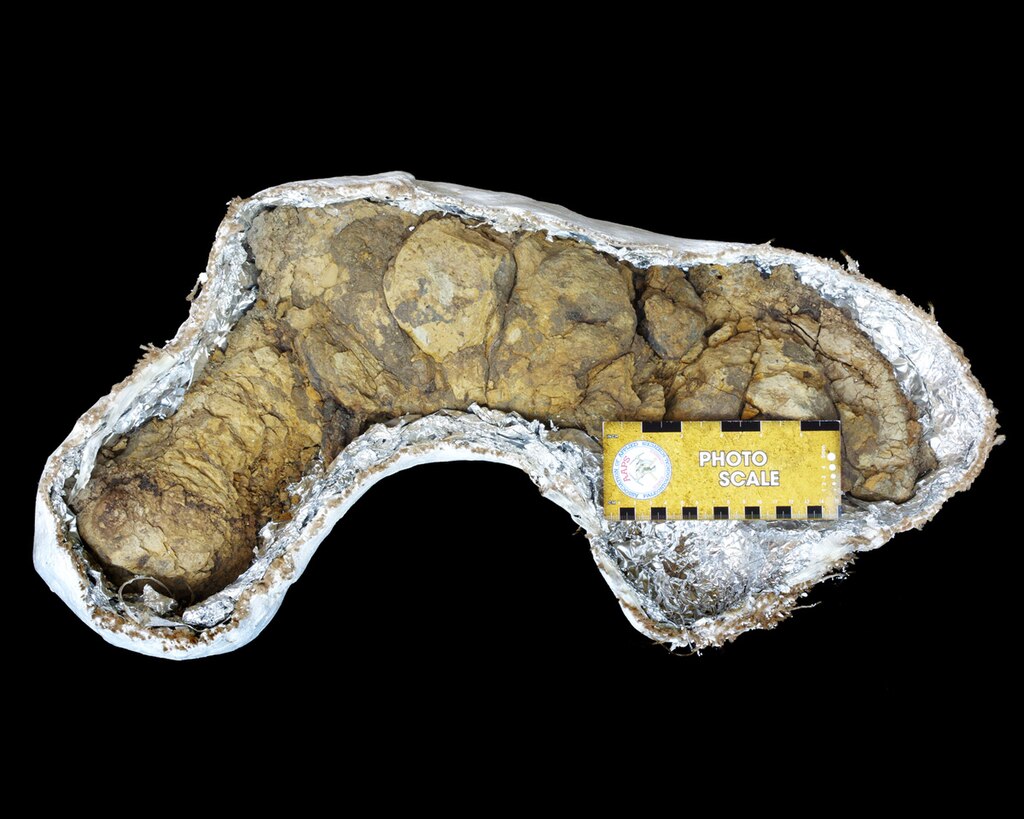
T-rex Coprolite Dinosaur Poop Poozeum

What Fossilized Dino Poop Reveals About Prehistoric Ecosystems

In the fascinating world of paleontology, scientists have discovered that some of the most revealing fossils aren’t bones or teeth, but rather the preserved excrement of ancient creatures. These fossilized feces, scientifically known as coprolites, serve as time capsules from millions of years ago, providing unprecedented insights into prehistoric ecosystems. Dinosaur coprolites in particular have ...

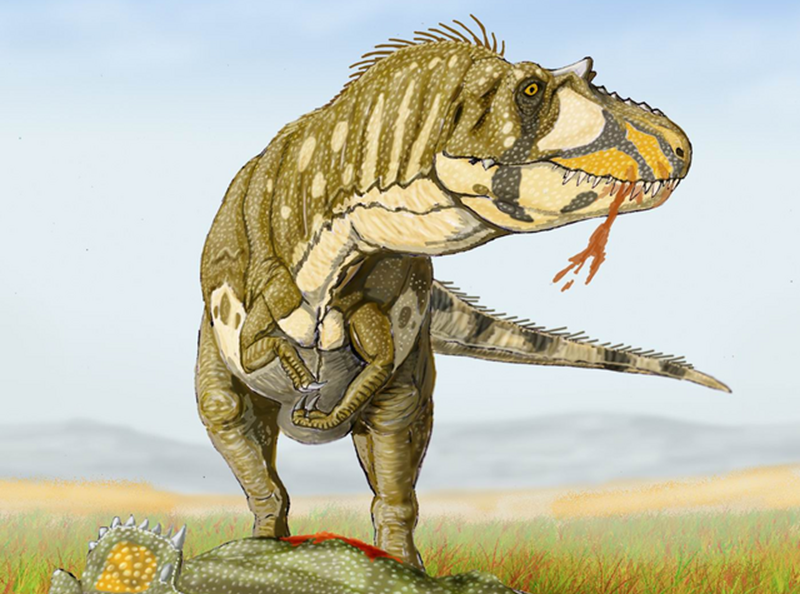
Daspletosaurus The Tyrant Dinosaur

Could Dinosaurs Recognize Their Own Species by Sound?

The prehistoric world teemed with countless dinosaur species, each adapting to their environments across millions of years. These magnificent creatures dominated Earth for over 165 million years, evolving complex behaviors and communication systems. While we can observe modern animals recognizing their kind through vocalizations, the question of whether dinosaurs could identify conspecifics through sound presents ...

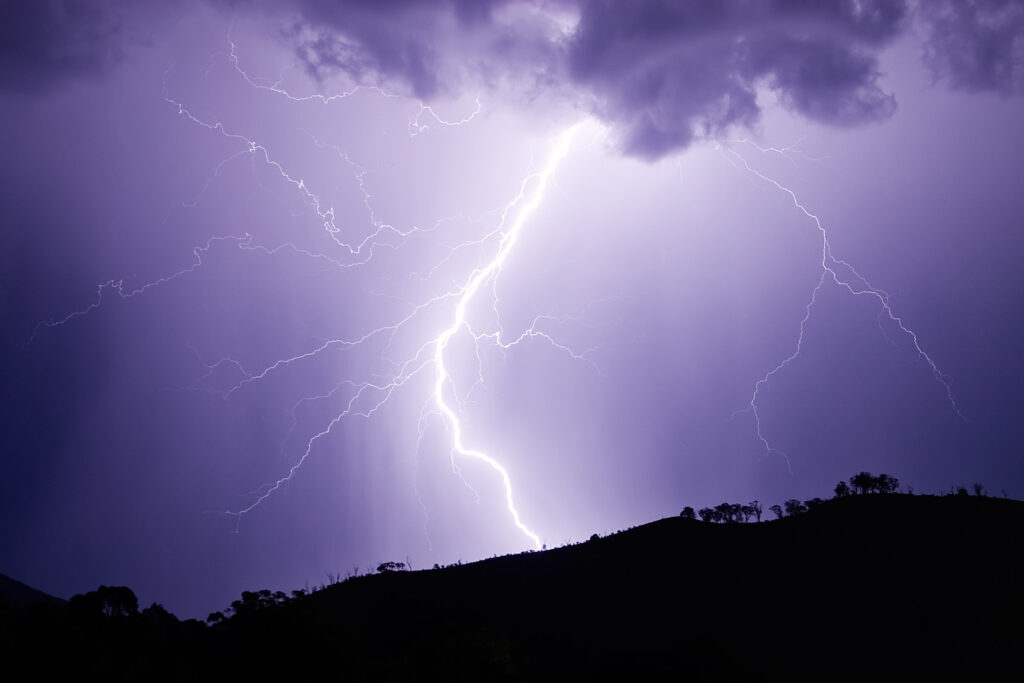
A bright lightning bolt illuminates a dark, cloudy sky above a silhouetted hilltop. The scene conveys intensity and the power of nature.

Could Lightning Strikes Have Sparked Prehistoric Wildfires?

Lightning has been illuminating Earth’s skies for billions of years, long before humans evolved to witness its power. When we consider prehistoric landscapes and ecosystems, we often overlook the profound impact that natural phenomena like lightning may have had on shaping our planet’s development. One fascinating question emerges: could lightning strikes have been responsible for ...

A female cardinal with muted orange and brown feathers perches on a snowy wooden fence, surrounded by bare branches, conveying a serene winter scene.

How Today’s Songbirds Carry Ancient Dino DNA

The melodious trill of a robin at dawn or the complex song of a nightingale may seem worlds away from the fearsome roar of a Tyrannosaurus rex, yet these delicate creatures carry within them the genetic legacy of their prehistoric ancestors. Modern birds, particularly songbirds, represent the last living descendants of dinosaurs, specifically theropods—the group ...