Articles for author: Sameen David

Sameen David

Can fake eyes keep hungry gulls at bay?

Fake Eyes on Takeout Boxes: Halting Gull Food Raids for Some Birds

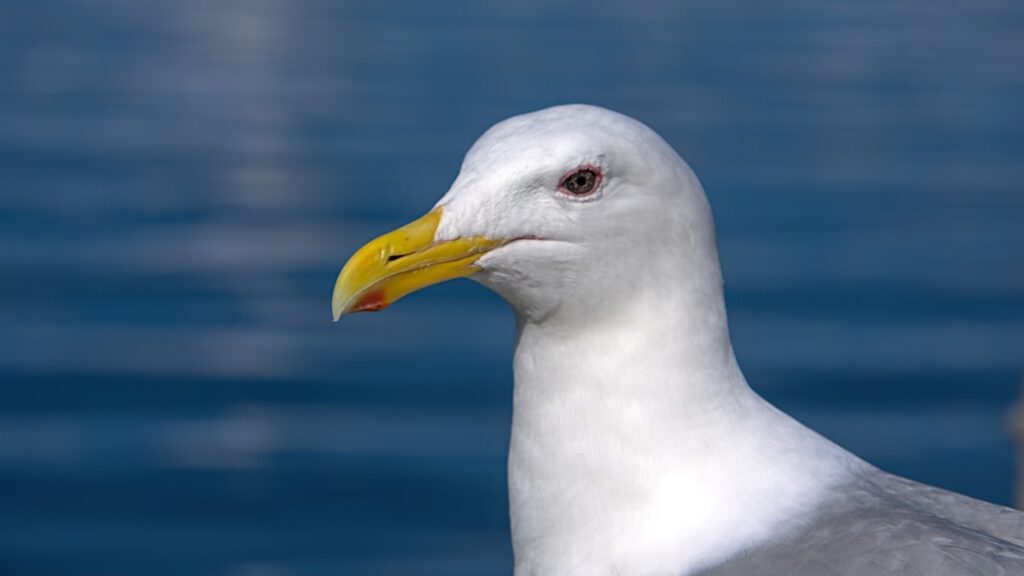
Urban expansion has drawn European herring gulls closer to human spaces, sparking frequent conflicts over food. These bold birds swoop in to snatch fries and snacks from beachgoers, prompting researchers to explore simple, non-lethal deterrents. A recent University of Exeter study examined whether artificial eyespots on takeaway containers could make gulls think twice before pecking. ...
Sameen David

Half of seabirds are declining. Protecting marine flyways could help save them

Marine Flyways: Charting a Course to Stem Seabird Population Declines

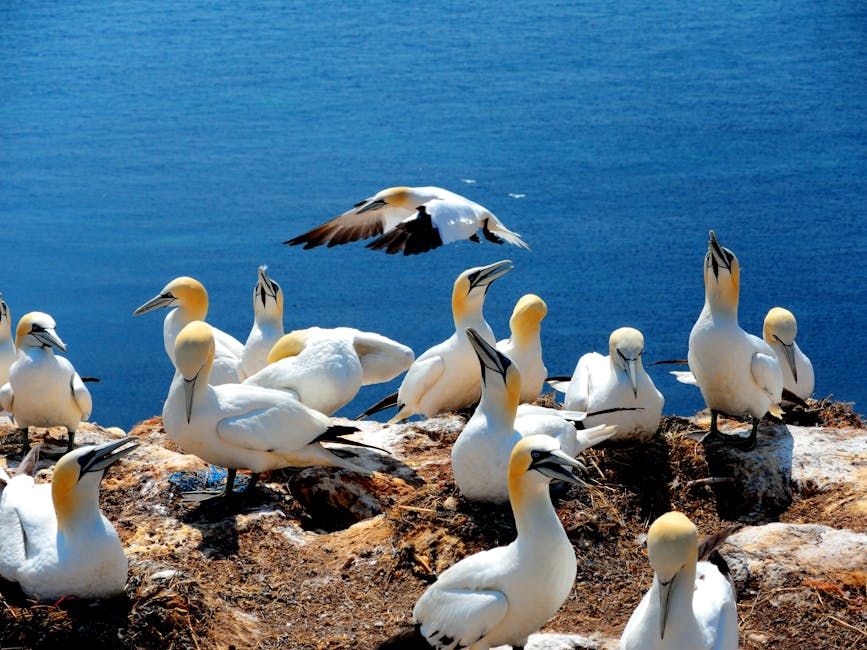
Seabirds navigate vast ocean expanses, linking remote breeding islands with distant feeding grounds across multiple nations. Conservation efforts, however, frequently end at political boundaries, leaving these migratory species vulnerable to fragmented protection. Nearly half of migratory seabird species now experience population declines, underscoring the need for coordinated strategies that match their borderless journeys. The Alarming ...

Sameen David

These Dinosaurs Had Wings but Couldn’t Fly

Winged Yet Grounded: Fossils Reveal Dinosaurs’ Lost Flight Ability

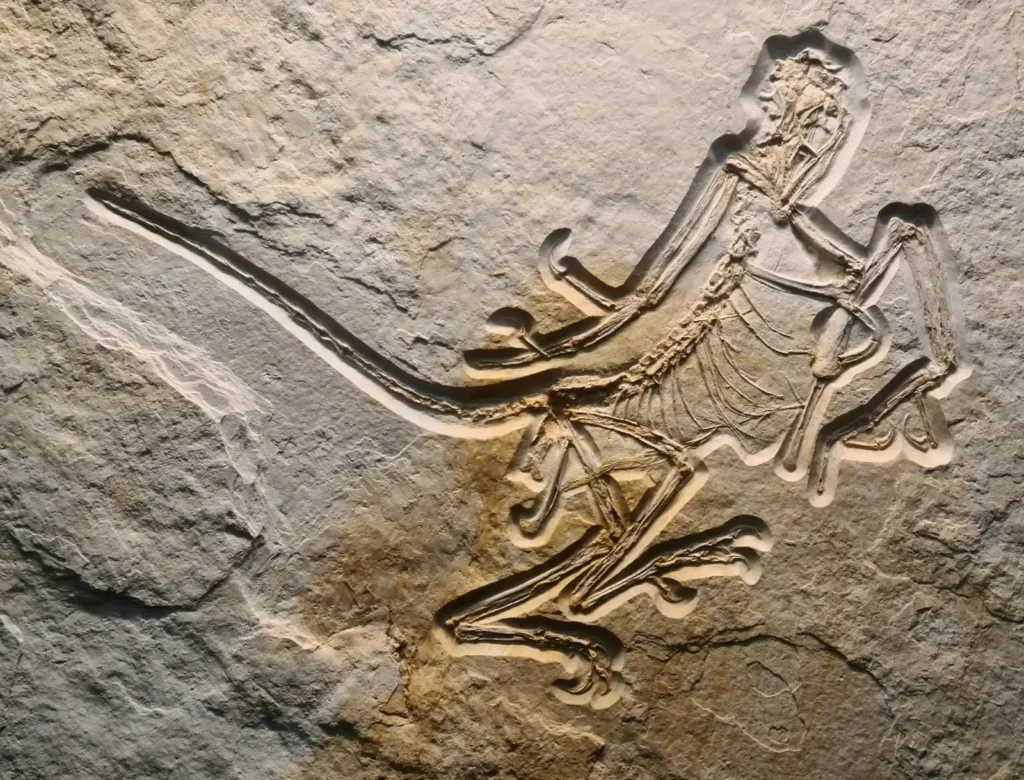
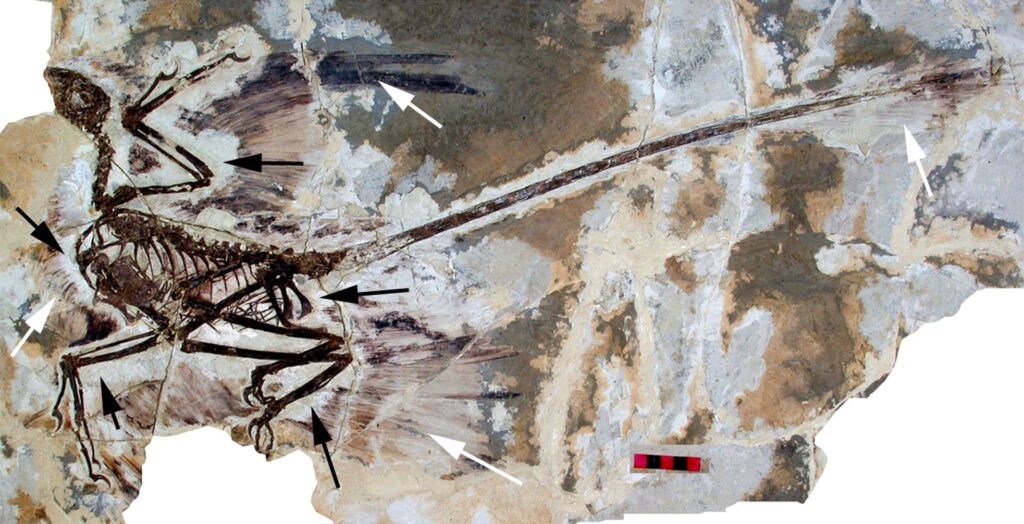
Rare fossils from northeastern China have provided scientists with an unprecedented look at the feathers of ancient dinosaurs. Researchers discovered that these creatures, equipped with wing-like structures, displayed molting patterns characteristic of flightless animals. The findings suggest a more tangled path in the evolution of flight among feathered dinosaurs than previously understood. Exceptional Fossils Unlock ...

Sameen David

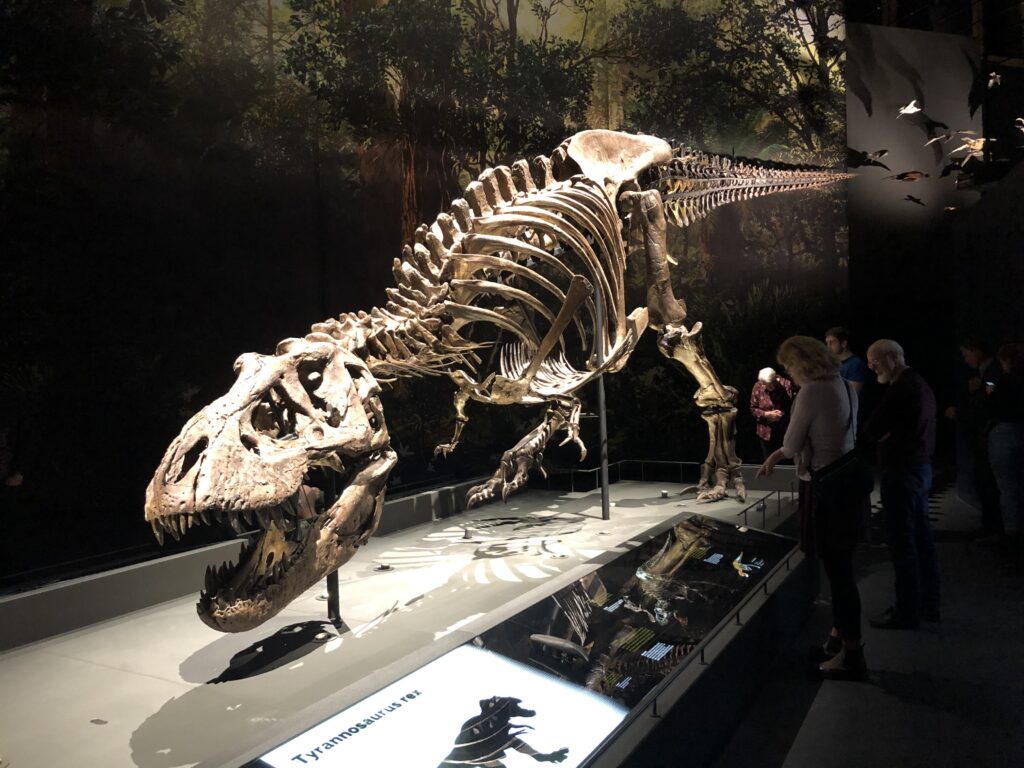
Dinosaur skeletons are selling for millions. What does that mean for researchers and museums?

Dinosaur Fossils Fetch Record Prices, Sparking Debate Over Science Access

A near-complete Triceratops skeleton called “Trey” fetched $5.55 million at an online auction in late March 2026, underscoring the intense demand for prehistoric specimens. Discovered in Wyoming in 1993, the 66-million-year-old fossil had drawn crowds at the Wyoming Dinosaur Center for nearly 30 years before its sale. As prices climb into the tens of millions, ...

Sameen David

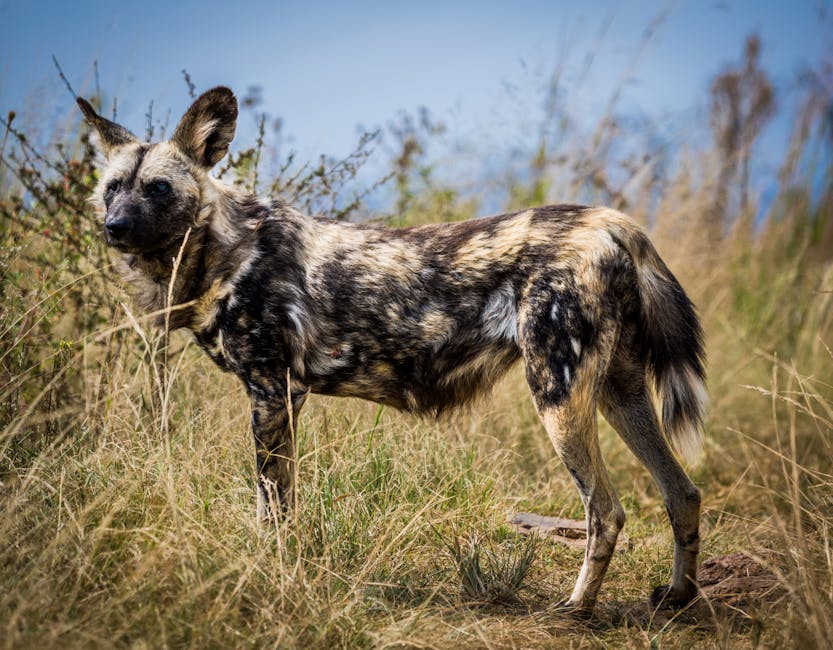
Partners in Protection: Painted Dog Conservation in Tanzania

New Insights into Tanzania’s Painted Dogs: Lion Landscapes’ Camera Trap Breakthrough

Southern Tanzania – Researchers with Lion Landscapes recently published compelling data on African painted dogs, revealing the Selous-Nyerere region as a vital stronghold for this endangered species. The organization, backed by Zoo New England for several years, combines scientific study with community engagement to safeguard large carnivores across vast African landscapes. These efforts underscore a ...

Sameen David

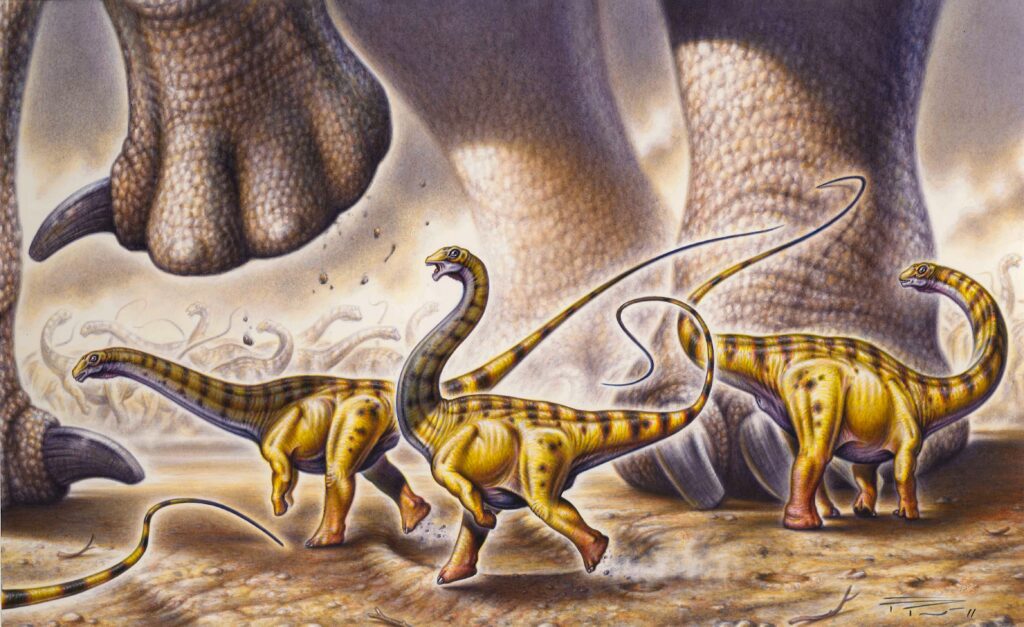
Some Dinosaurs Could Rise Up Like Giants — Until They Grew Too Big

Smaller Sauropods Mastered the Bipedal Rise: Simulations Expose Size’s Breaking Point

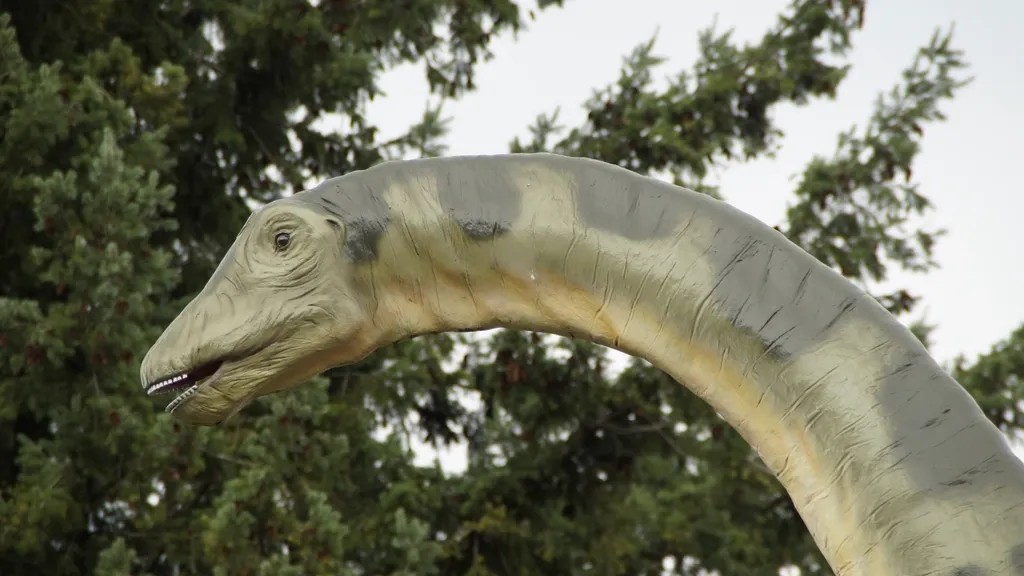
Researchers recently demonstrated that select sauropods from the Late Cretaceous period could rear up on their hind legs far more effectively than previously thought. Advanced computer simulations of their leg bones revealed lower stress levels in smaller species, enabling prolonged upright stances. This discovery sheds light on how these long-necked giants adapted their behaviors as ...

Sameen David

Maintenance of the great late Ediacaran ice age

The Mechanisms Behind Earth’s Prolonged Late Ediacaran Ice Age

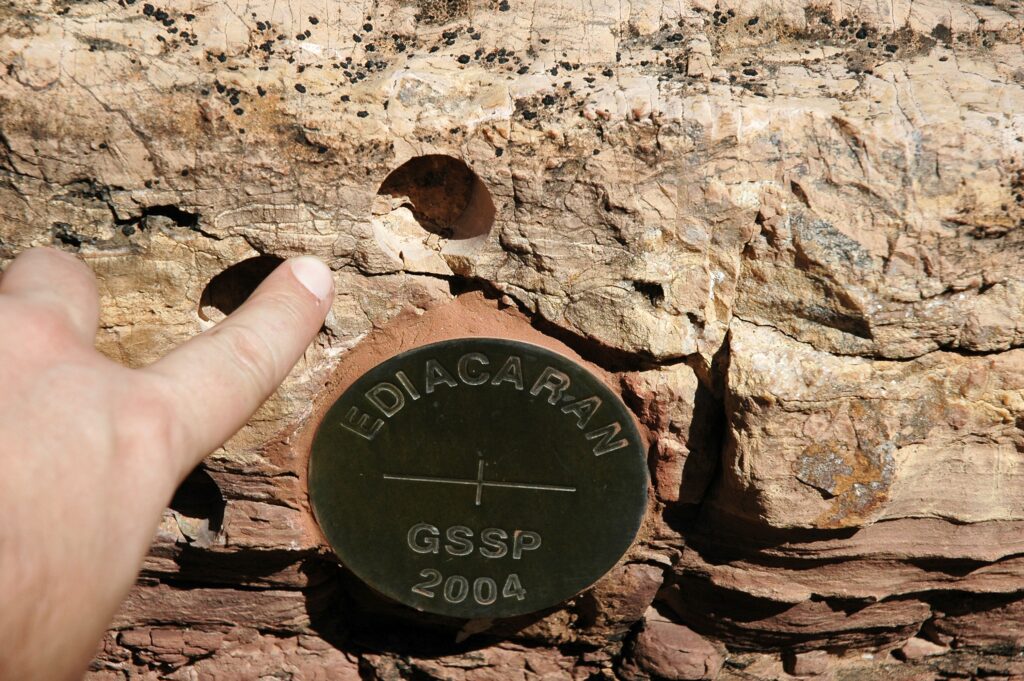
Geological evidence reveals a significant ice age that gripped parts of Earth from approximately 580 to 560 million years ago, during the late Ediacaran Period. This extended cold spell featured widespread glaciations across multiple continents, yet it differed markedly from the more extreme Snowball Earth events of earlier times. Researchers have now pinpointed the processes ...

These 5 Zodiac Signs Are as Resilient as Deep-Sea Hydrothermal Vent Life

These 5 Zodiac Signs Are as Resilient as Deep-Sea Hydrothermal Vent Life

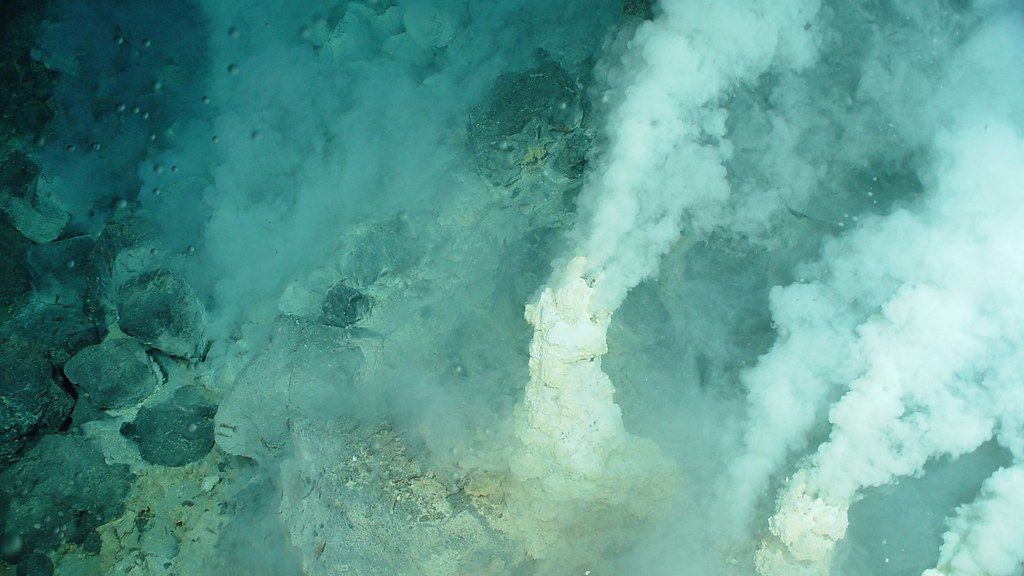
Somewhere on the ocean floor, far beneath where sunlight ever reaches, life does something extraordinary. It thrives. Despite extreme temperatures and pressures, toxic minerals, and a complete lack of sunlight, the species living around deep-sea hydrothermal vents are not just surviving – they’re flourishing. Scientists first discovered these ecosystems in 1977, and the finding rewrote ...