Blog

Fossilized skeleton of a prehistoric platypus embedded in sandy rock. The detailed bones include a distinctive skull and ribcage, conveying ancient history.

When Fossils Go Wrong: What Mistakes Can Teach Us About the Process

The science of paleontology is often portrayed as a precise discipline where experts carefully excavate and reconstruct ancient organisms with surgical accuracy. However, the reality includes numerous missteps, misinterpretations, and outright blunders that have shaped our understanding of prehistoric life. These “fossil fails” aren’t simply embarrassing footnotes in scientific history—they represent valuable learning opportunities that ...
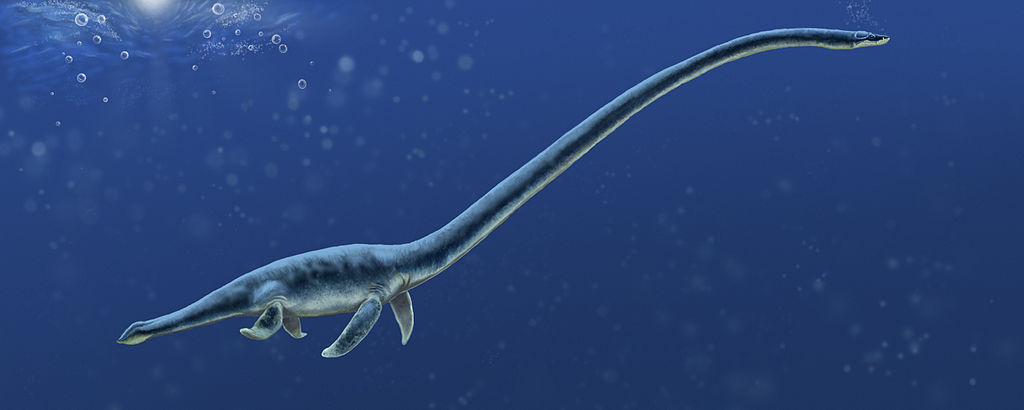

Albertonectes vanderveldei, a new elasmosaur

Elasmosaurus: The Long-Necked Wonder of the Ancient Seas

The prehistoric oceans were home to some of Earth’s most remarkable creatures, and few were as strikingly unusual as Elasmosaurus. This extraordinary marine reptile, with its impossibly long neck and streamlined body, swam through the waters of the Late Cretaceous period approximately 80.5 million years ago. As a member of the plesiosaur family, Elasmosaurus has ...

Carbonemys Cofrinii

Were There Dinosaur-Era Turtles Bigger Than Cars?

During the age of dinosaurs, Earth was home to creatures of staggering proportions. While we often think of towering dinosaurs like Brachiosaurus or the fearsome Tyrannosaurus rex when imagining this era, other remarkable animals shared this ancient world. Among them were turtles of extraordinary size, some rivaling modern vehicles in their dimensions. These prehistoric chelonians ...

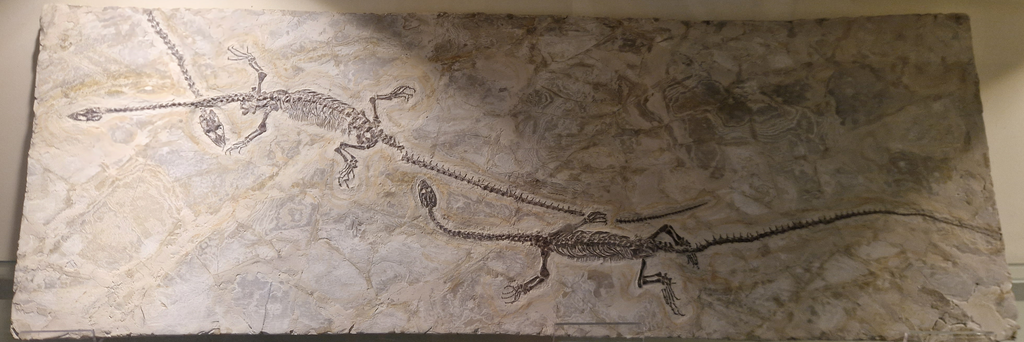
Hyphalosaurus lingyuanensis-Liaoning, China - Napoli Paleontological Museum

What Is a Fossil and How Is It Formed?

Fossils are remnants or traces of ancient organisms preserved in the Earth’s crust over geological time. These natural time capsules provide scientists with critical information about extinct species, ancient ecosystems, and the evolution of life on our planet. Dating back hundreds of millions and even billions of years, fossils form a crucial link to Earth’s ...

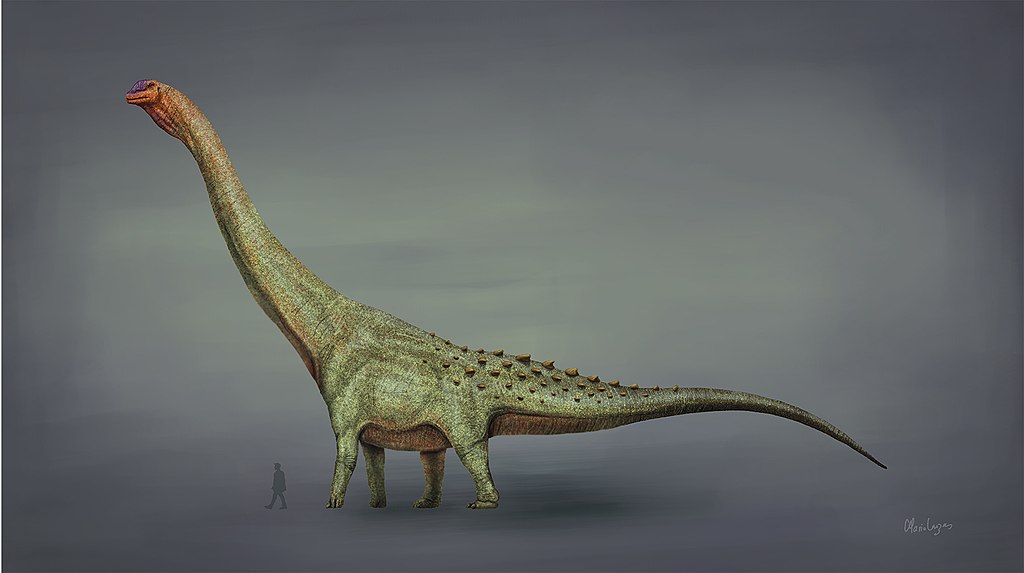
Patagotitan restoration

How Do Scientists Estimate Dinosaur Weight and Size?

From awe-inspiring museum skeletons to dramatic representations in films, dinosaurs capture our collective imagination with their immense proportions. Yet, unlike modern animals that can be measured and weighed directly, scientists face remarkable challenges when determining just how massive these prehistoric creatures truly were. Through sophisticated techniques ranging from bone measurements to computer modeling, paleontologists have ...

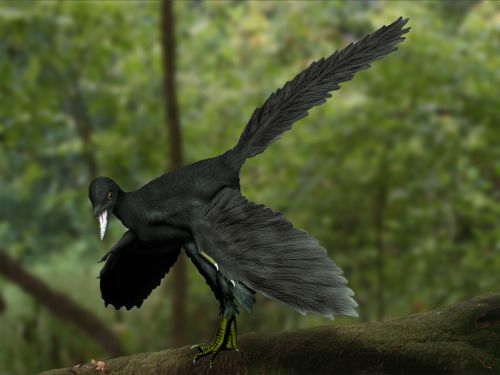
Artist's restoration of Archaeopteryx

The Evolutionary Leap: How Tiny Dinosaurs Took to the Skies

The transformation of dinosaurs into birds represents one of the most fascinating evolutionary journeys in Earth’s history. This remarkable transition from earth-bound reptiles to masters of the air didn’t happen overnight but unfolded across millions of years through countless incremental adaptations. Today’s birds—with their hollow bones, feathered bodies, and remarkable flight capabilities—are living dinosaurs, the ...

Sir Richard Owen. Photograph by Ernest Edwards

Sir Richard Owen and the Birth of the Word ‘Dinosaur’

In the annals of scientific history, few moments have captured the imagination quite like the coining of the term “dinosaur.” This linguistic creation, now a household word inspiring everything from serious scientific inquiry to blockbuster films, emerged from the mind of a brilliant yet controversial Victorian anatomist named Sir Richard Owen. His scientific contribution fundamentally ...