Articles for category: Dinosaur Profiles

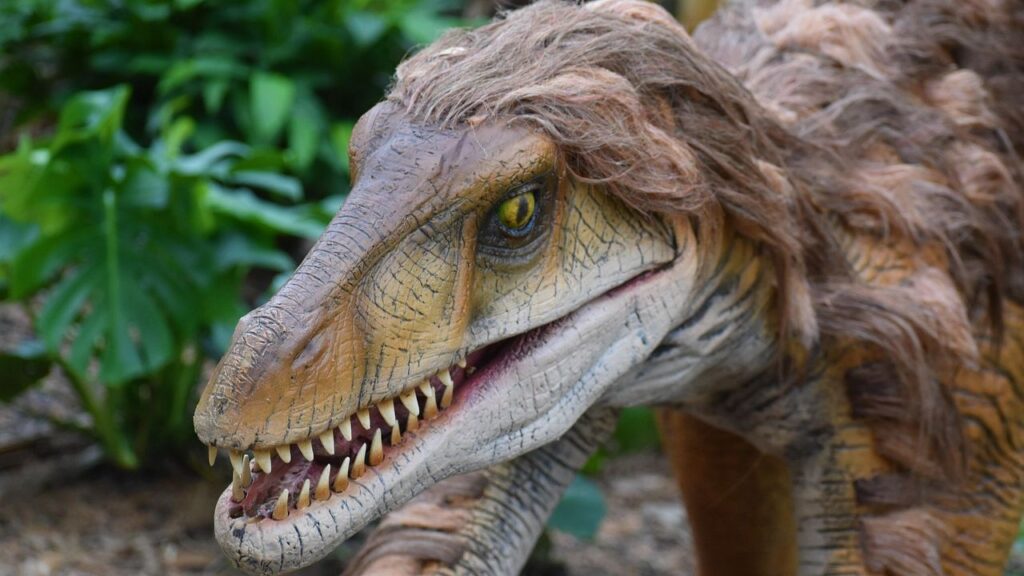
a close up of a fake dinosaur head

Pachycephalosaurus: The Dome-Headed Brawler of Hell Creek

In the twilight years of the Cretaceous period, approximately 70-65 million years ago, a remarkable dinosaur roamed the landscapes of what is now North America. Pachycephalosaurus wyomingensis, with its distinctive domed skull and combative nature, represents one of paleontology’s most fascinating subjects. This large, bipedal herbivore belonged to the pachycephalosaurid family and has captured the ...

Awais Khan

Illustration of a long-necked Sauroposeidon dinosaur with a massive body and four sturdy legs. Its skin is a mottled greenish-brown.

Sauroposeidon: The Texas Titan That Touched the Treetops

Sauroposeidon, meaning “lizard earthquake god,” stands as one of the tallest dinosaurs ever discovered, with remains primarily found in Oklahoma and Texas. This colossal sauropod roamed the early Cretaceous period approximately 110-115 million years ago, leaving behind a legacy that continues to fascinate paleontologists and dinosaur enthusiasts alike. Its massive neck vertebrae, some measuring nearly ...

Paralitherizinosaurus japonicus, a therizinosaur within the therizinosaurid family

Therizinosaurus Relatives in Utah? Strange Claws in Familiar Lands

The arid landscapes of Utah, with their striking red rock formations and expansive desert vistas, hide remarkable prehistoric secrets. Among these secrets are the fossilized remains of therizinosaurs, bizarre dinosaurs related to the famous Therizinosaurus – a creature known for having some of the longest claws of any animal in history. These unusual therapod dinosaurs, ...

The Tyrannosaurus rex, Dromaeosaurus, Triceratops, and Struthiomimus diorama at the Milwaukee Public Museum in Milwaukee, Wisconsin.

Zunityrannus The Lesser Known Tyrannosaur from Utah’s Prehistoric Deserts

In the vast pantheon of prehistoric predators, Tyrannosaurus rex often steals the spotlight. However, the tyrannosaur family tree contains numerous fascinating branches that deserve recognition. Among these lesser-known relatives is Zunityrannus, a mid-sized tyrannosaur that prowled what is now Utah during the Late Cretaceous period. This relatively recent discovery has expanded our understanding of tyrannosaur ...

What Prehistoric Animal Resonates With Zodiac Sign Virgo

What Prehistoric Animal Resonates With Zodiac Sign Virgo

Have you ever wondered which ancient creature from Earth’s prehistoric past embodies the same careful precision and methodical approach that defines your Virgo nature? Your analytical mind and perfectionist tendencies didn’t just appear out of nowhere. They mirror behavioral patterns that existed millions of years ago, when massive creatures roamed the planet with their own ...

Nothronychus

Nothronychus: The Cactus-Eating Dino With Scythe-Like Claws (New Mexico)

Nothronychus, meaning “sloth claw,” represents one of paleontology’s most fascinating discoveries from the American Southwest. This unusual therizinosaur dinosaur, unearthed in New Mexico’s Zuni Basin, has dramatically altered our understanding of dinosaur evolution and distribution. With its pot-bellied appearance, bizarre scythe-like claws, and herbivorous diet, Nothronychus stands as a remarkable example of evolutionary adaptation. First ...

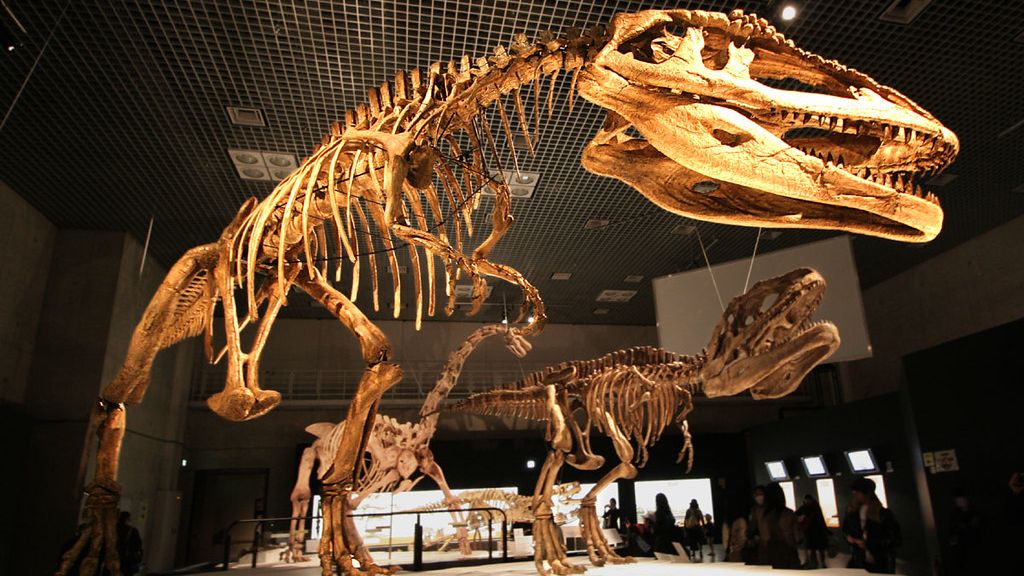
A skeleton of a dinosaur on display in a museum

Historic Digs and Giant Skeletons at the Carnegie Museum in Pittsburgh

The Carnegie Museum of Natural History in Pittsburgh stands as one of America’s premier institutions for paleontological research and exhibition. Since its founding in 1896 by industrialist Andrew Carnegie, this museum has been at the forefront of dinosaur discoveries and fossil exhibition. The museum’s expeditions have unearthed some of the most significant paleontological findings in ...

The Stegosaurus Mystery: What Were Those Back Plates Really For?

The Stegosaurus Mystery: What Were Those Back Plates Really For?

When you first encountered Stegosaurus in a museum or picture book, those massive diamond-shaped plates running down its spine probably captivated you instantly. These iconic structures have turned the “roof lizard” into one of the most recognizable dinosaurs in the world. Yet despite more than a century of scientific investigation, paleontologists continue to debate their ...