Articles for category: Dinosaur Profiles

Compsognathus

Tiny but Deadly: The Smallest Predatory Dinosaurs in Prehistory

When we think of dinosaurs, colossal beasts like Tyrannosaurus rex and Brachiosaurus often come to mind. However, the prehistoric world was also home to remarkably small predatory dinosaurs that wielded outsized influence in their ecosystems. These diminutive hunters proved that lethal efficiency didn’t always require massive size. From the chicken-sized Compsognathus to the cat-sized Microraptor, ...

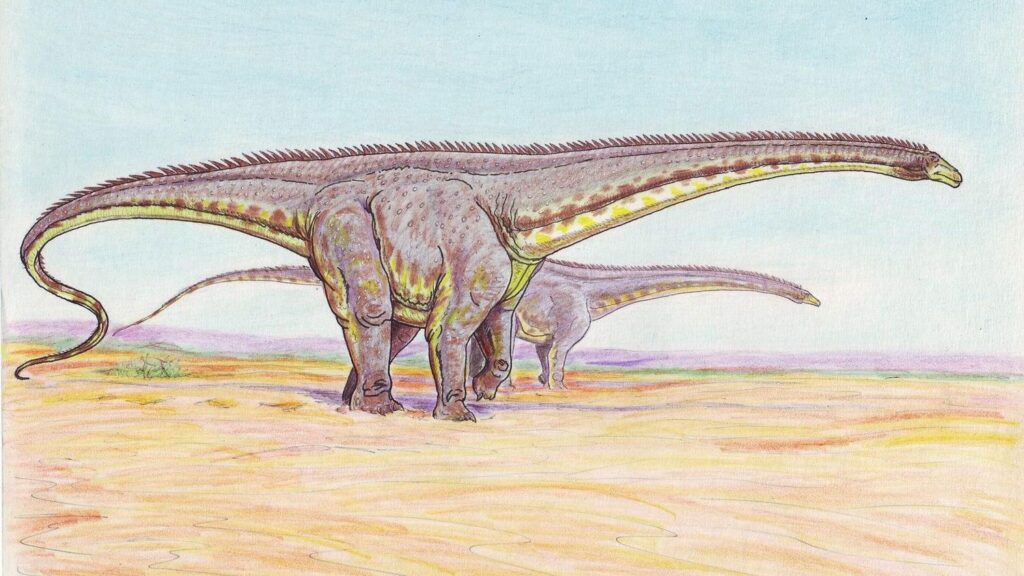
Alamosaurus: North America's Answer to South American Giants

10 Dinosaurs So Big They Shattered Scientific Assumptions

The world of dinosaur paleontology has witnessed jaw-dropping discoveries that completely transformed our understanding of just how massive these ancient giants could become. While children grow up imagining T. rex as the ultimate prehistoric predator, the reality is far more mind-boggling – there were herbivorous dinosaurs so unimaginably large that they redefined what we thought ...

Gargi

An Extraordinary Sense of Smell

10 Traits That Made T. Rex Unstoppable

Imagine standing in the shadow of a predator so fearsome that it ruled the late Cretaceous with unmatched power—Tyrannosaurus rex, the undisputed king of dinosaurs. With bone-crushing jaws, razor-sharp teeth, and senses honed for the hunt, T. rex was more than just big—it was a finely tuned predator built for dominance. In this article, we’ll ...

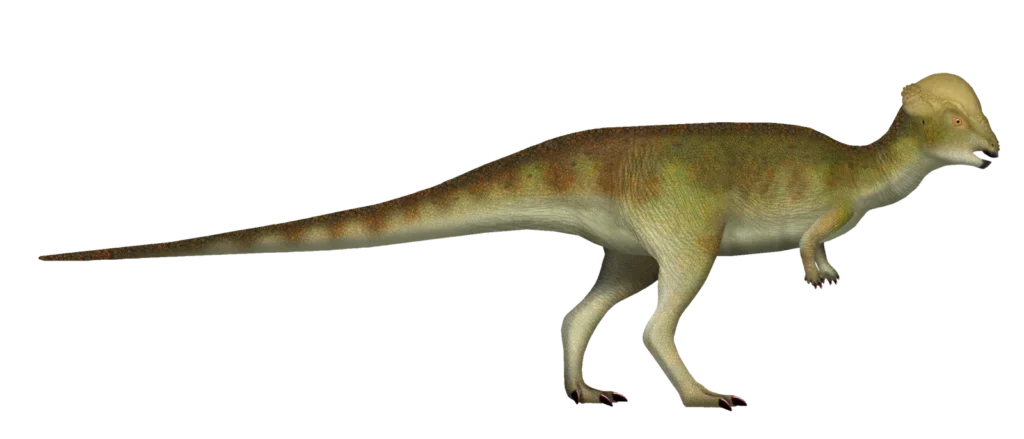
Pachycephalosaurus, Stygimoloch, Sphaerotholus.

This Dinosaur May Have Used Its Head Like a Hammer

In the fascinating world of prehistoric creatures, dinosaurs continue to surprise paleontologists with their unique adaptations and behaviors. Among the most intriguing recent discoveries is evidence suggesting certain dinosaur species may have used their heads as battering tools—essentially living hammers. Pachycephalosaurs, a group of dome-headed dinosaurs, have long puzzled scientists with their unusual cranial structures. ...

The Titanosaur

Patagotitan The Titanosaur That Redefined Dinosaur Size

In the vast chronicle of Earth’s prehistoric giants, few discoveries have shaken the foundations of paleontology quite like Patagotitan mayorum. Unearthed in the windswept plains of Patagonia, Argentina, this colossal titanosaur emerged from its 101-million-year slumber to rewrite our understanding of just how massive dinosaurs could become. When scientists announced its discovery in 2014, the ...

Dinosaurs roam a lush forest with ferns and tall trees. A large carnivore approaches a smaller group, creating a tense, prehistoric scene.

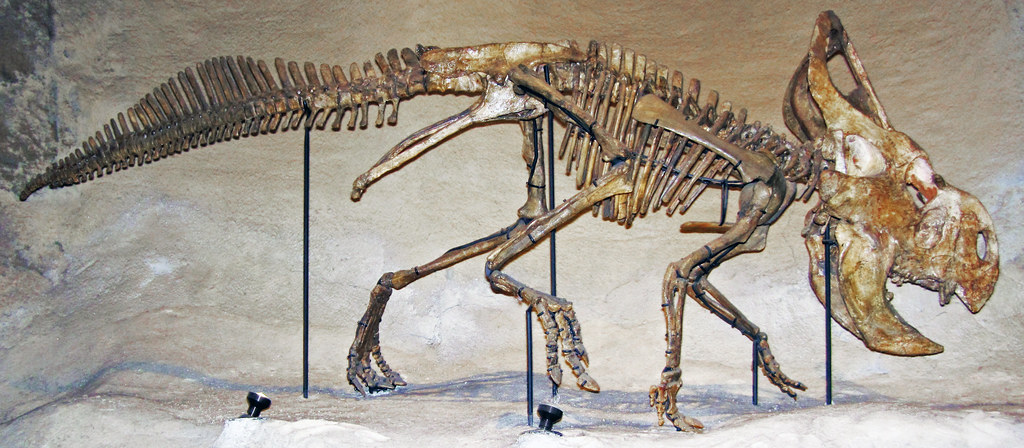
Pachyrhinosaurus: The Hornless Ceratopsian With a Giant Nose Bump

Pachyrhinosaurus, meaning “thick-nosed lizard,” stands as one of the most distinctive members of the ceratopsian dinosaur family. Unlike its more famous cousin, the Triceratops, this herbivorous dinosaur lacked the prominent facial horns that characterized many ceratopsians. Instead, Pachyrhinosaurus sported a massive, bony pad on its nose called a nasal boss, creating a unique profile that ...

Two vibrant dinosaurs with scaly green and blue skin face the viewer. Their textured frills and sharp teeth create a dynamic, prehistoric scene.

10 Dinosaurs From the Southern Hemisphere That Deserve More Attention

The Northern Hemisphere has long dominated our dinosaur consciousness, with famous specimens like Tyrannosaurus rex and Triceratops capturing public imagination. However, the Southern Hemisphere was home to equally fascinating prehistoric creatures that often don’t receive their due recognition. As Gondwana—the southern supercontinent comprising modern-day South America, Africa, Antarctica, Australia, and India—evolved separately from its northern ...

Spinosaurus palaeoecological reconstruction

T-Rex vs. Spinosaurus: Who Would Win in a Prehistoric Showdown?

The prehistoric world was dominated by some of the most fearsome predators ever to walk the Earth. Among these ancient titans, Tyrannosaurus rex and Spinosaurus aegyptiacus stand out as two of the most formidable carnivorous dinosaurs. Both were apex predators in their respective environments, equipped with terrifying physical attributes and hunting capabilities. For decades, paleontologists ...