Articles for category: Dinosaur Science & Theories

Fossils are nature’s time machines

How Long Did Dinosaurs Live? Fossil Evidence of Their Lifespan

Dinosaurs, those magnificent creatures that once dominated our planet for over 165 million years, continue to captivate our imagination. While we know much about their sizes, habitats, and extinction, one fascinating question remains somewhat mysterious: How long did individual dinosaurs live? Unlike studying modern animals, where we can observe complete lifespans, paleontologists must piece together ...
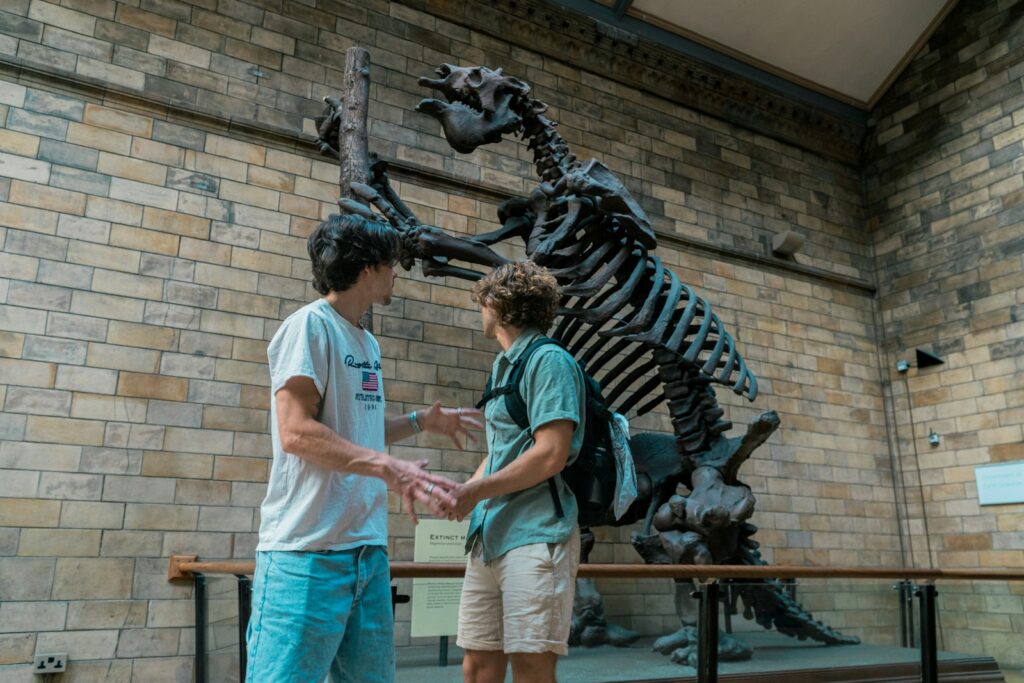
Two boys standing in front of a dinosaur skeleton

Why Are Dinosaurs Still a Hit With Kids (and Adults)?

Imagine walking through a museum and watching a five-year-old’s eyes light up as they encounter a towering T-Rex skeleton. Their excitement is infectious, spreading to teenagers snapping selfies and adults reading every placard with fascination. This scene plays out millions of times every year across the globe, proving that our obsession with dinosaurs transcends age, ...

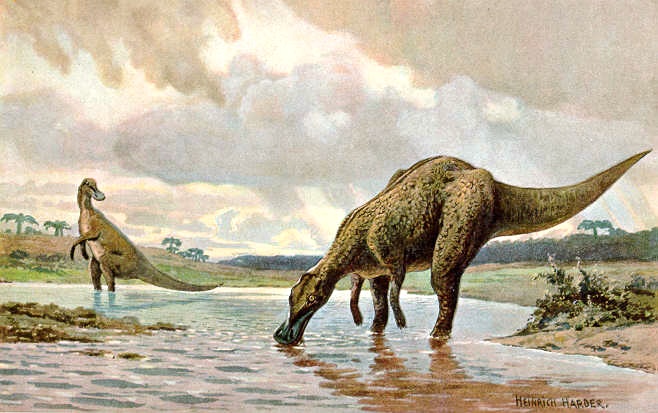
Two dinosaurs by a riverbank with a cloudy sky. One dinosaur stands in water drinking, while the other watches from the shore. The scene is calm and prehistoric.

Duck-Billed Dinosaurs and the Mystery of Their Crests

Duck-billed dinosaurs, scientifically known as hadrosaurs, have fascinated paleontologists and dinosaur enthusiasts for generations. These remarkable prehistoric creatures roamed Earth during the Late Cretaceous period, approximately 100 to 66 million years ago. Among their most distinctive and puzzling features were their elaborate cranial crests, which varied dramatically in size and shape between species. These structures ...

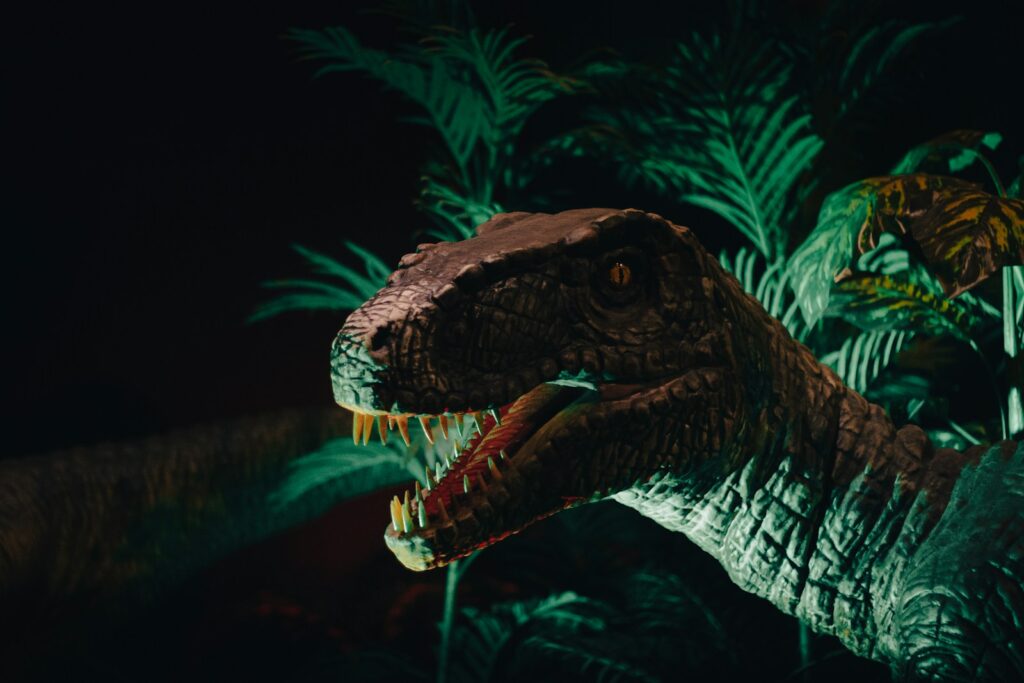
A dinosaur model with an open mouth, resembling a T. rex, stands among lush green foliage and plants.

How Dinosaurs Developed Different Walking Styles

For over 160 million years, dinosaurs dominated Earth’s landscapes, evolving an astonishing diversity of locomotion styles. From the thundering gait of massive sauropods to the agile sprint of small predators, dinosaur movement patterns reflect millions of years of evolutionary adaptation to different ecological niches, body sizes, and survival strategies. This fascinating aspect of dinosaur biology ...

Close-up of a dark, serrated dinosaur tooth embedded in a textured beige rock. The sharpness and detail convey a sense of ancient history and discovery.

Could Dinosaurs See in Color? What Scientists Think

For millions of years, dinosaurs dominated Earth’s landscapes as the unrivaled rulers of the prehistoric world. While we’ve made remarkable discoveries about their physical appearances, hunting behaviors, and social structures, some aspects of dinosaur biology remain shrouded in mystery. Among these enigmas is the question of dinosaur vision—specifically, whether these ancient reptiles perceived their world ...

Illustration of a large dinosaur walking in a prehistoric forest. Trees and foliage cast shadows. Calm atmosphere with a clear blue sky.

How Long Did It Take for Life to Recover After the Dinosaurs?

The extinction of the dinosaurs marks one of the most significant turning points in Earth’s biological history. Approximately 66 million years ago, a catastrophic asteroid impact near Mexico’s Yucatán Peninsula triggered the Cretaceous-Paleogene (K-Pg) extinction event, wiping out roughly 75% of all species on Earth, including non-avian dinosaurs. While this moment dramatically altered life’s trajectory ...

Brown dinosaur on brown sand

How Did Dinosaurs Avoid Getting Sunburned

When we think about dinosaurs, we often imagine them roaming prehistoric landscapes under the ancient sun. Just like modern animals, these massive creatures spent considerable time outdoors, exposed to solar radiation. Yet unlike humans who reach for sunscreen before a day at the beach, dinosaurs had to rely on evolutionary adaptations to protect themselves from ...

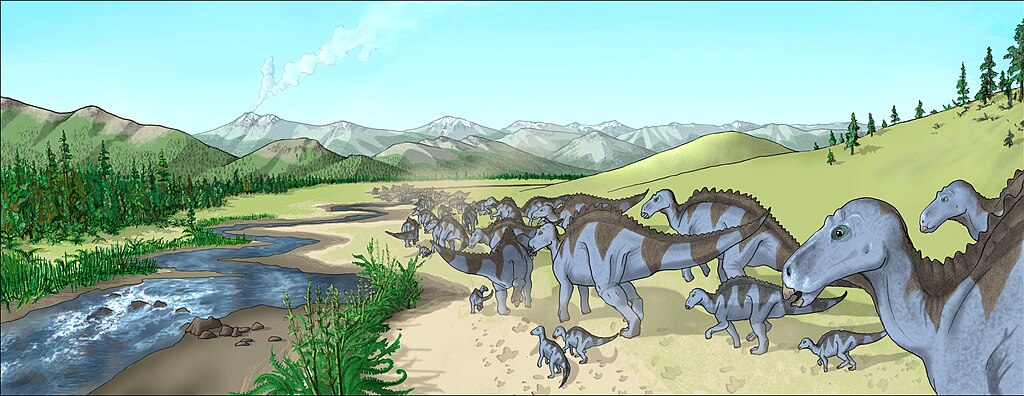
Maiasaura herd

The Great Dinosaur Migration – How Far Did They Travel?

In the ancient shadows of Earth’s distant past, massive creatures thundered across changing landscapes, navigating seasonal challenges in epic journeys that rivaled modern wildlife migrations. Paleontologists have uncovered compelling evidence that many dinosaur species embarked on regular migratory patterns, traveling impressive distances in search of food, breeding grounds, and favorable climates. These prehistoric migrations reveal ...

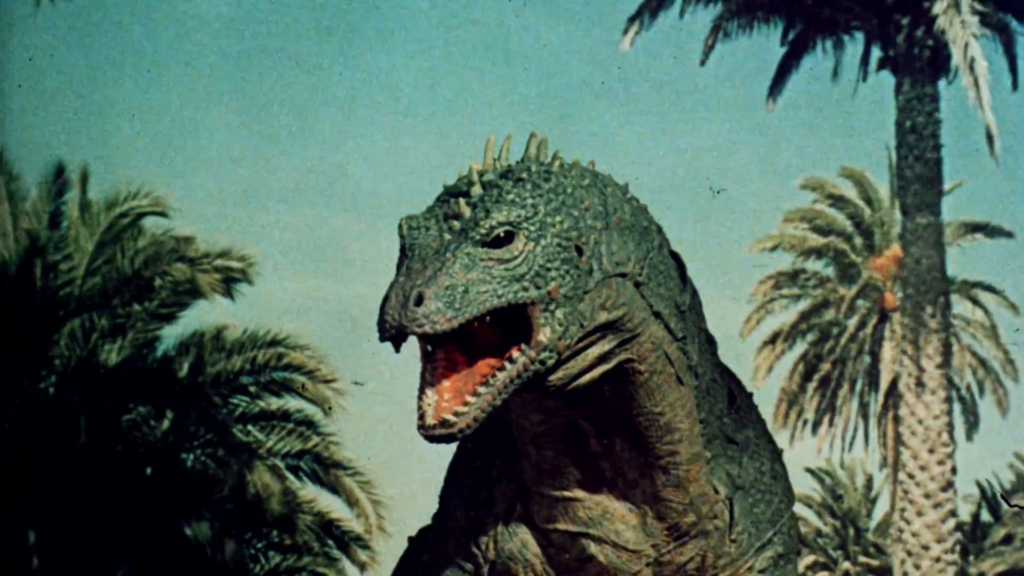
A large, green, scaly dinosaur with an open mouth stands amidst tall palm trees under a clear blue sky, conveying a sense of ancient, prehistoric life.

What Did Dinosaurs Eat? A Look at Fossilized Stomach Contents

For centuries, paleontologists have been piecing together the puzzle of dinosaur diets through fossilized teeth, coprolites (fossilized feces), and skeletal adaptations. However, perhaps the most direct evidence comes from the rare and remarkable discovery of actual stomach contents preserved within dinosaur fossils. These extraordinary findings, known as gastric residues or gut contents, provide a literal ...