Articles for category: Dinosaur Science & Theories

Why Climate Was the Biggest Driver of Dinosaur Diversity

Why Climate Was the Biggest Driver of Dinosaur Diversity

Dinosaurs didn’t just evolve in a vacuum—they thrived, adapted, and radiated into countless forms because of one powerful force: climate. From lush tropical swamps to arid deserts and polar forests, shifting climates across millions of years created both challenges and opportunities that shaped dinosaur evolution. Temperature swings, rising and falling sea levels, and changes in ...

Mountains That Once Housed Dinosaurs

The Slow Birth of Mountains That Once Housed Dinosaurs

Mountains stand as Earth’s most majestic monuments, rising dramatically from the landscape as if they’ve always been there. Yet the formation of these colossal structures occurs through incredibly slow geological processes spanning millions of years—processes that were actively shaping our planet’s surface during the age of dinosaurs. From the Rockies to the Himalayas, many of ...

Conclusion

What Dinosaurs Could Teach Us About Life on a Single Supercontinent

 Picture a world where all the land you know—Asia, Africa, the Americas, Europe, even Antarctica—was fused into one colossal supercontinent called Pangaea. During the Triassic and early Jurassic, dinosaurs roamed this vast, unbroken landscape, sharing habitats with strange reptiles and early mammals. With no oceans dividing them, species spread far and wide, shaping ecosystems unlike ...

The Iconic Whip-Like Tail

Fossilized Stomachs Reveal the Truth About Dino Meals

In the quest to understand prehistoric life, paleontologists have long relied on fossil bones, teeth, and occasional footprints to piece together the story of dinosaurs. However, some of the most illuminating discoveries come from incredibly rare fossilized stomach contents, offering direct evidence of what these ancient creatures actually ate. These digestive fossils, known as “bromalites,” ...

Dinosaurs roam a lush forest with ferns and tall trees. A large carnivore approaches a smaller group, creating a tense, prehistoric scene.

Could Dinosaurs Climb Trees? New Fossil Evidence Suggests Yes

The image of dinosaurs roaming prehistoric landscapes has captivated our imagination for generations. Traditionally depicted as ground-dwelling creatures, scientists have long debated whether certain dinosaur species possessed the ability to climb trees. Recent paleontological discoveries have begun to challenge conventional thinking, suggesting that arboreal capabilities might have been more widespread among dinosaurs than previously believed. ...

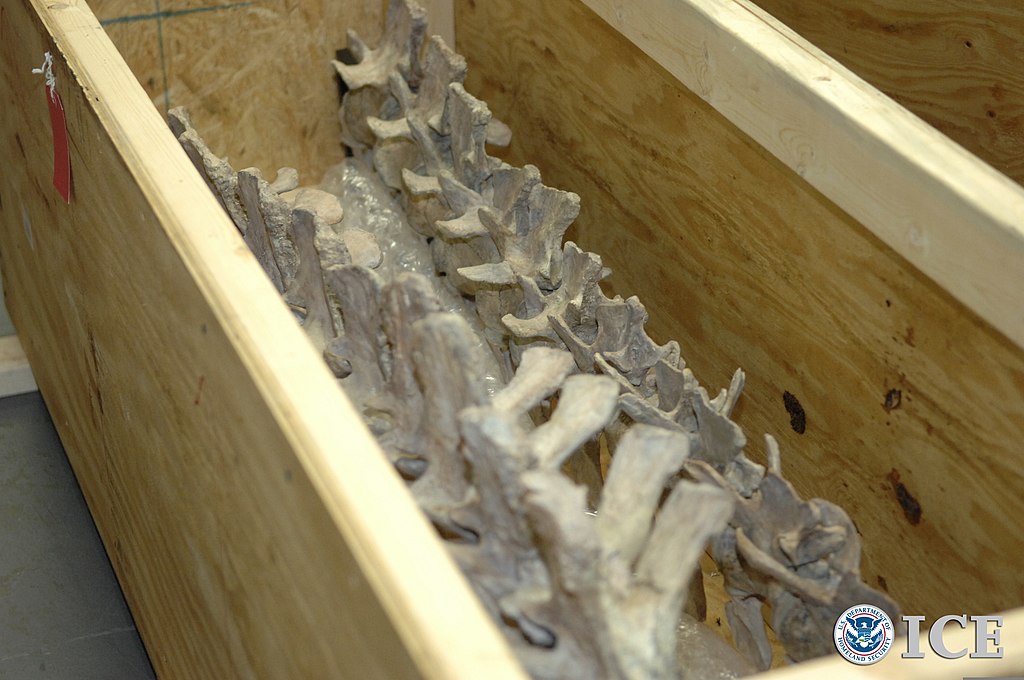
U.S. Immigration and Customs Enforcement (ICE) officials return a Tarbosaurus bataar skeleton to the government of Mongolia

The Perfect Conditions for Fossilization (and Why They’re So Rare)

Most living things decompose without a trace after death, yet fossilization—nature’s exceptional preservation process—offers us windows into Earth’s distant past. From dinosaur bones to delicate leaf impressions, fossils form our understanding of prehistoric life. But why do some organisms become fossilized while countless others vanish completely? The answer lies in a rare confluence of events ...

dinosaur with open mouth beside buildings still selective focus photography of

Could Dinosaurs Have Developed Advanced Societies If They Survived?

Dinosaurs dominated Earth for approximately 165 million years, evolving diverse body forms and ecological roles before their mass extinction 66 million years ago. While mammals ultimately inherited the planet and developed intelligence leading to technological civilization, a tantalizing question remains: could dinosaurs have evolved advanced societies had they survived? This speculative inquiry invites us to ...

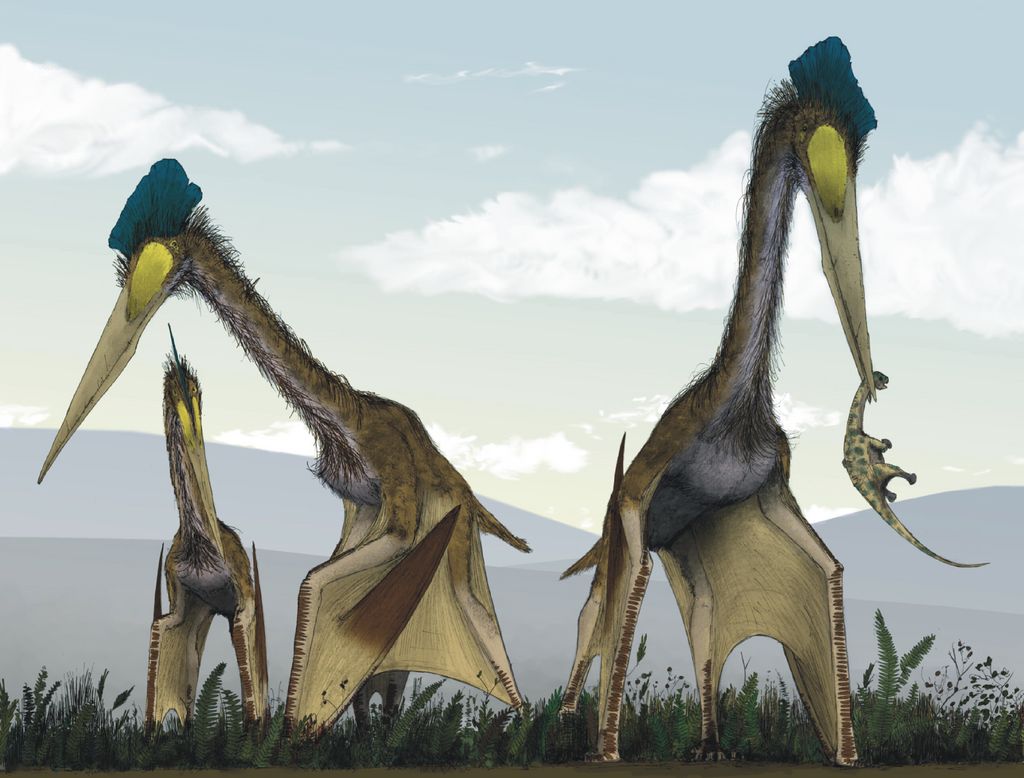
A juvenile titanosaur has been caught by one pterosaur

Why Some Dinosaurs May Have Evolved Beaks Independently

The evolution of beaks in various dinosaur lineages represents one of paleontology’s most fascinating examples of convergent evolution. While birds—the only surviving dinosaur group—are known for their beaks, fossil evidence reveals that several non-avian dinosaur groups independently evolved beak-like structures millions of years before modern birds took flight. This remarkable pattern of repeated beak evolution ...