Articles for category: Dinosaur Science & Theories

A monochrome photo of a life-sized T. rex model with an open mouth, sharp teeth visible. It stands near large tent canopies under a partly cloudy sky.

Could Some Dinosaurs Have Been Poisonous?

When we imagine dinosaurs, we typically think of their enormous size, fearsome teeth, or protective armor. Yet one intriguing question that paleontologists have begun exploring is whether some dinosaurs might have possessed venomous or poisonous capabilities. While direct evidence remains limited, recent scientific research has opened fascinating possibilities about toxic dinosaurs that could change our ...

Microraptor's aerodynamic feathers hint at gliding or even early flight, soaring through prehistoric skies.

The Strange Case of Four-Winged Dinosaurs

When we think of dinosaurs, most of us imagine creatures like Tyrannosaurus rex or Triceratops—walking on land with two or four legs. But what if some dinosaurs had four wings? The discovery of feathered dinosaurs with what appear to be four wing-like appendages has revolutionized our understanding of dinosaur evolution and the origin of birds. ...

Illustration of Daspletosaurus, a large theropod dinosaur, depicted in a dynamic pose with detailed skin texture and sharp teeth.

6 Dinosaurs Found in Places You Wouldn’t Expect

When we think of dinosaur discoveries, our minds often drift to remote badlands, dramatic desert plateaus, or specialized dig sites in Montana or Mongolia. However, the fossil record has a way of surprising us. Dinosaur remains have turned up in some truly unexpected locations, challenging our assumptions about prehistoric distribution and preservation. From icy polar ...

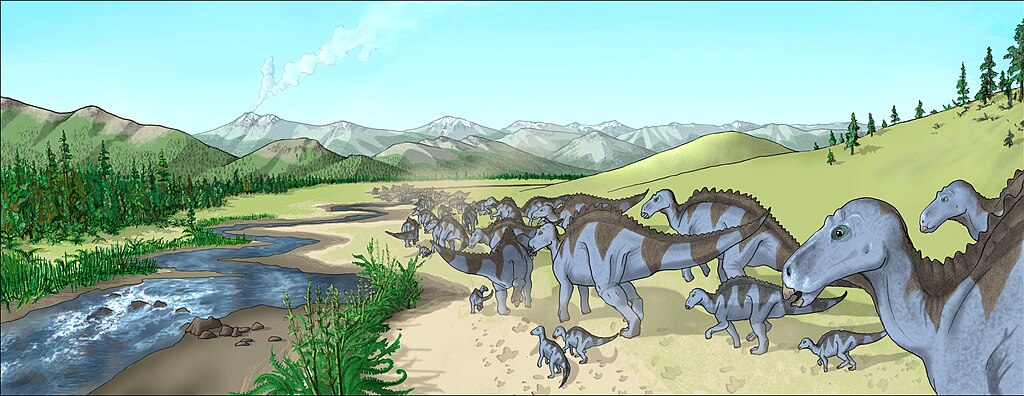
Maiasaura herd

The Great Dinosaur Migration – How Far Did They Travel?

In the ancient shadows of Earth’s distant past, massive creatures thundered across changing landscapes, navigating seasonal challenges in epic journeys that rivaled modern wildlife migrations. Paleontologists have uncovered compelling evidence that many dinosaur species embarked on regular migratory patterns, traveling impressive distances in search of food, breeding grounds, and favorable climates. These prehistoric migrations reveal ...

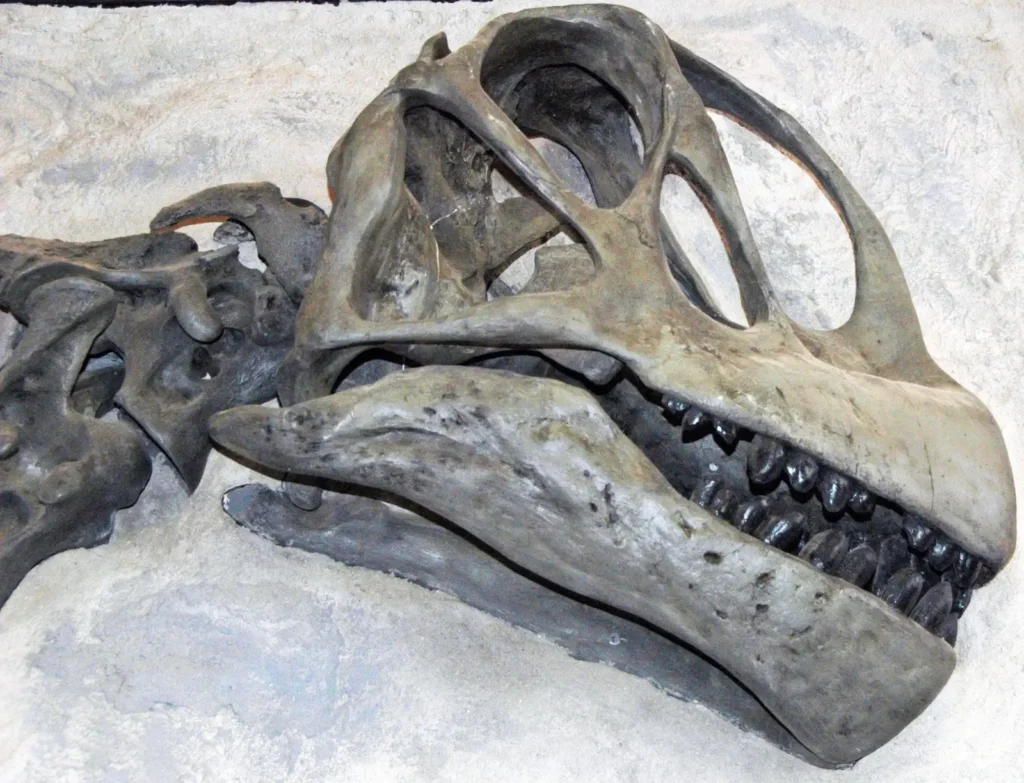
Hadrosaurs had evolved complex dental batteries for processing plant material

Could Dinosaurs Swim? What Fossil Tracks Reveal

In the vast prehistoric world where dinosaurs roamed, questions about their capabilities continue to fascinate scientists and enthusiasts alike. Among these questions, the ability of dinosaurs to navigate water environments remains particularly intriguing. For decades, paleontologists have pieced together evidence from fossilized remains, studying bone structure and anatomical features for clues about aquatic abilities. However, ...

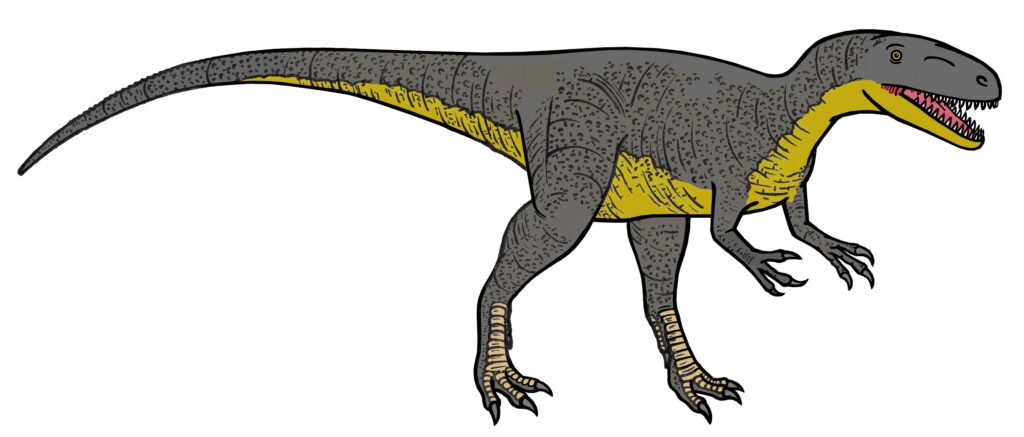
Illustration of a dinosaur with a long tail, gray and yellow scales, and red, pointed teeth. Its sharp claws and focused eyes suggest readiness.

How Did Dinosaurs Sleep? Clues From Fossilized Nests

Dinosaurs, those magnificent beasts that ruled our planet for over 165 million years, have captivated human imagination since their fossilized remains were first scientifically described. While we’ve made remarkable progress in understanding their anatomy, diversity, and even coloration, some aspects of dinosaur biology remain shrouded in mystery. Among these enigmas is a surprisingly fundamental question: ...