Articles for category: Fossils & Fieldwork

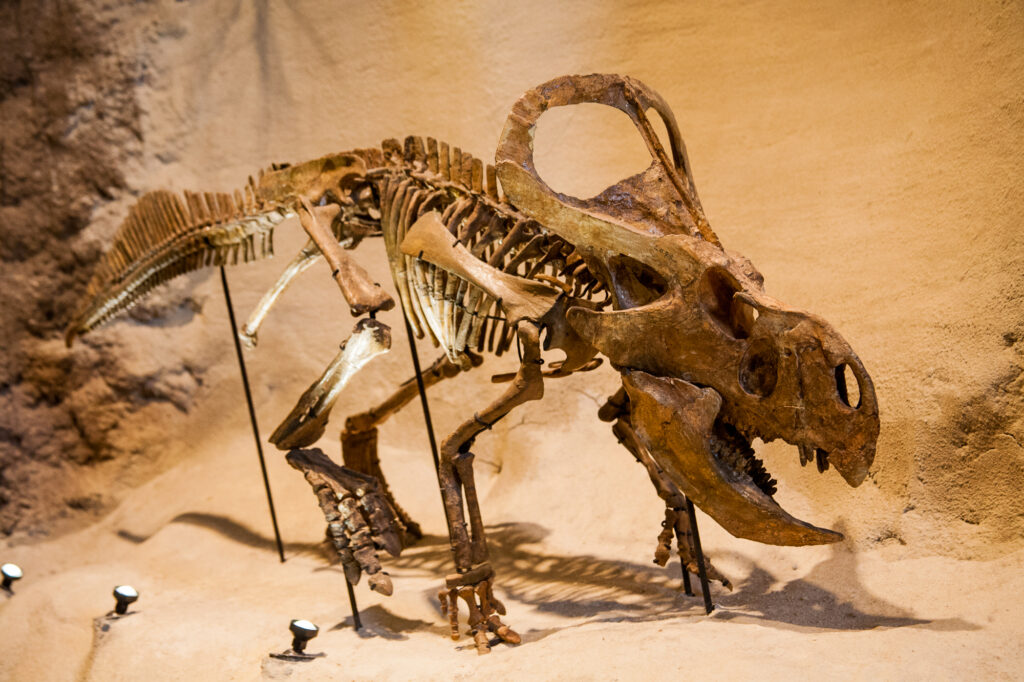
Dinosaur skeleton on display against a textured brown wall. The fossil is supported by metal stands and highlighted by small spotlights, conveying a sense of ancient history.

Fossil Fantasies Come True at Alberta’s Royal Tyrrell Museum

Nestled in the heart of the Canadian Badlands, the Royal Tyrrell Museum stands as a testament to our planet’s ancient past, bringing prehistoric life into vivid focus for modern-day visitors. Located in Drumheller, Alberta, this world-renowned paleontological institution houses one of the largest displays of dinosaur skeletons globally, with over 160,000 individual specimens in its ...
brown leaf on brown soil

Fossil Feuds: When Museums Disagree on Who Owns the Bones

In the world of paleontology, the discovery of ancient fossils represents more than just scientific advancement—it often ignites passionate disputes over ownership, cultural heritage, and academic prestige. These “fossil feuds” have shaped museum collections worldwide and continue to influence how we preserve and display our planet’s prehistoric past. From multimillion-dollar dinosaur skeletons to ancient human ...

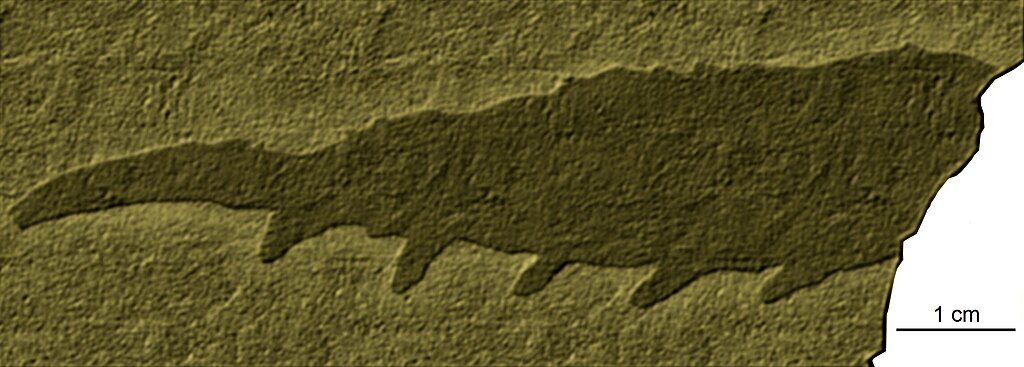
Mureropodia apae - Xenusia - Lower Cambrian - Murero, Spain

Could Some Fossils Actually Belong to Completely Unknown Creatures?

The fossil record provides our primary window into Earth’s biological past, documenting the incredible diversity of life that has evolved over billions of years. Paleontologists have identified countless species from fragmentary remains, reconstructing ancient ecosystems and evolutionary relationships with remarkable precision. However, an intriguing question persists within the scientific community: could some fossils in our ...

Gargi

The Science of Dinosaur Parenting: What Fossilized Nests Reveal

The Science of Dinosaur Parenting: What Fossilized Nests Reveal

Picture this: you’re looking at a fossilized dinosaur frozen in time, crouched protectively over eggs that would never hatch. This isn’t science fiction – it’s paleontology at its most compelling. For decades, dinosaurs were viewed as cold-blooded, dim-witted reptiles that dumped their eggs and moved on. But discoveries in the last few decades have completely ...

Close-up of a dinosaur toy with an open mouth, sharp teeth, and red eyes. The toy's details are vivid against a soft, pale blue background.

How Big Were Dinosaur Eyeballs Compared to Their Brains?

The prehistoric world was dominated by dinosaurs for over 165 million years, creatures whose physical characteristics continue to fascinate scientists and the public alike. Among the most intriguing aspects of dinosaur anatomy is the relationship between their sensory organs and their cognitive capabilities, specifically, how their eyeballs compared to their brains in size. This comparison ...

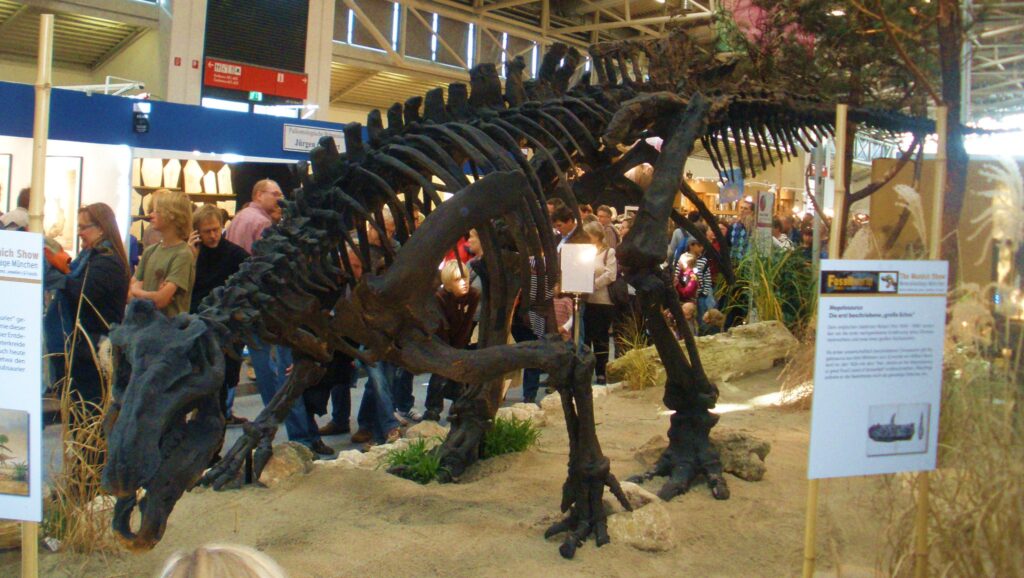
Dinosaur skeleton exhibit with onlookers at a museum. The fossil is displayed on a sandy surface, surrounded by plants. The atmosphere is educational and curious.

How Mislabeling a Fossil Delayed a Major Discovery by Decades

In the meticulous world of paleontology, a single error can ripple through scientific understanding for generations. Few examples illustrate this phenomenon more clearly than certain misidentified fossils that languished in museum drawers or display cases, their true significance overlooked due to initial classification mistakes. These cataloging errors have sometimes delayed pivotal scientific discoveries by decades, ...

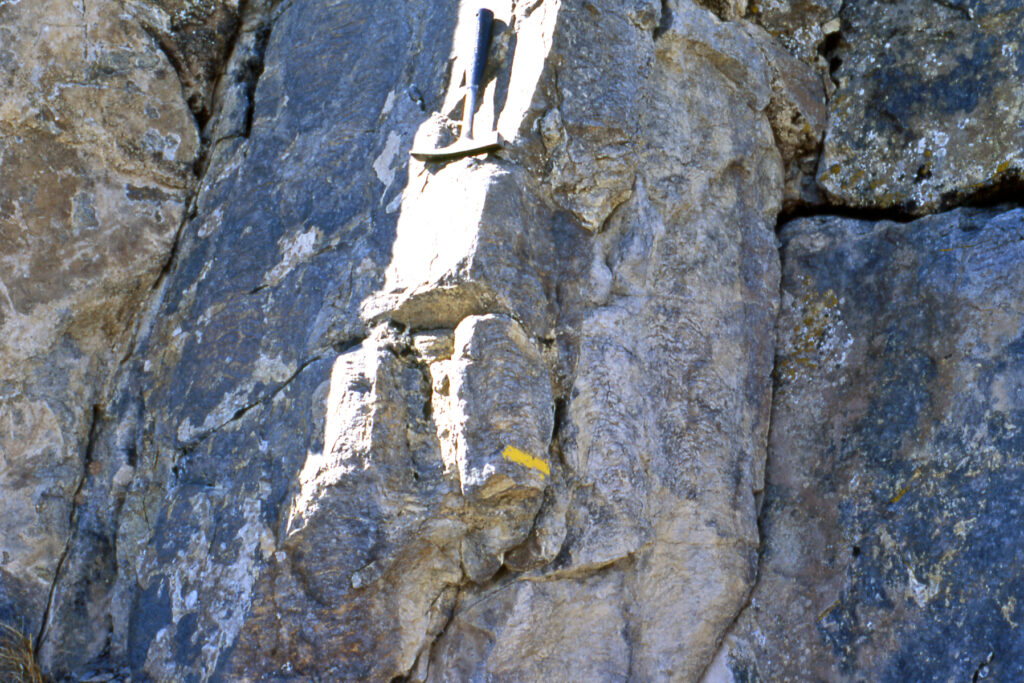
Rock face with an old climbing piton hammered into a crack. The surface has weathered gray and brown tones, with a yellow trail marker below.

The Claw That Shouldn’t Exist: A Fossil That Defied Classification

In the realm of paleontology, discoveries occasionally emerge that challenge established taxonomic frameworks and force scientists to reconsider evolutionary pathways. One such enigmatic find is the fossil informally known as “the claw that shouldn’t exist” – a peculiar specimen that defied immediate classification and sparked intense debate among researchers worldwide. This remarkable fossil represents one ...

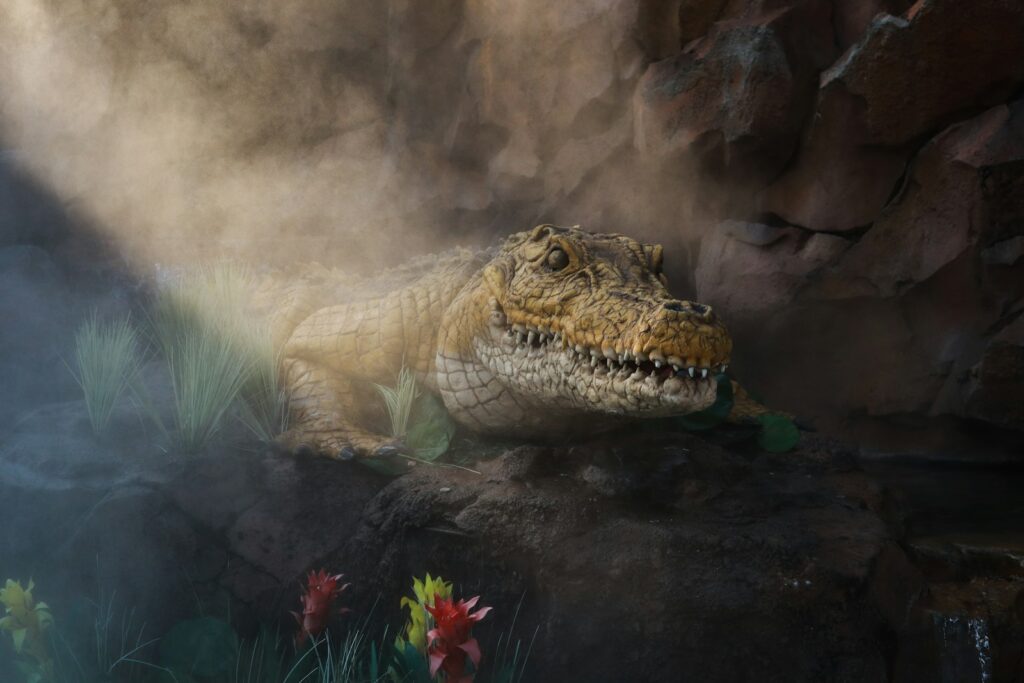
a large alligator laying on top of a rock

Anzu wyliei: The “Chicken From Hell” That Roamed the Dakotas

In the realm of prehistoric creatures, few have captured the scientific imagination quite like Anzu wyliei, dramatically nicknamed the “Chicken from Hell.” This remarkable dinosaur, whose remains were discovered in the Dakotas, represents one of the most complete oviraptorosaurian fossils ever found in North America. Standing taller than the average human with its bizarre combination ...

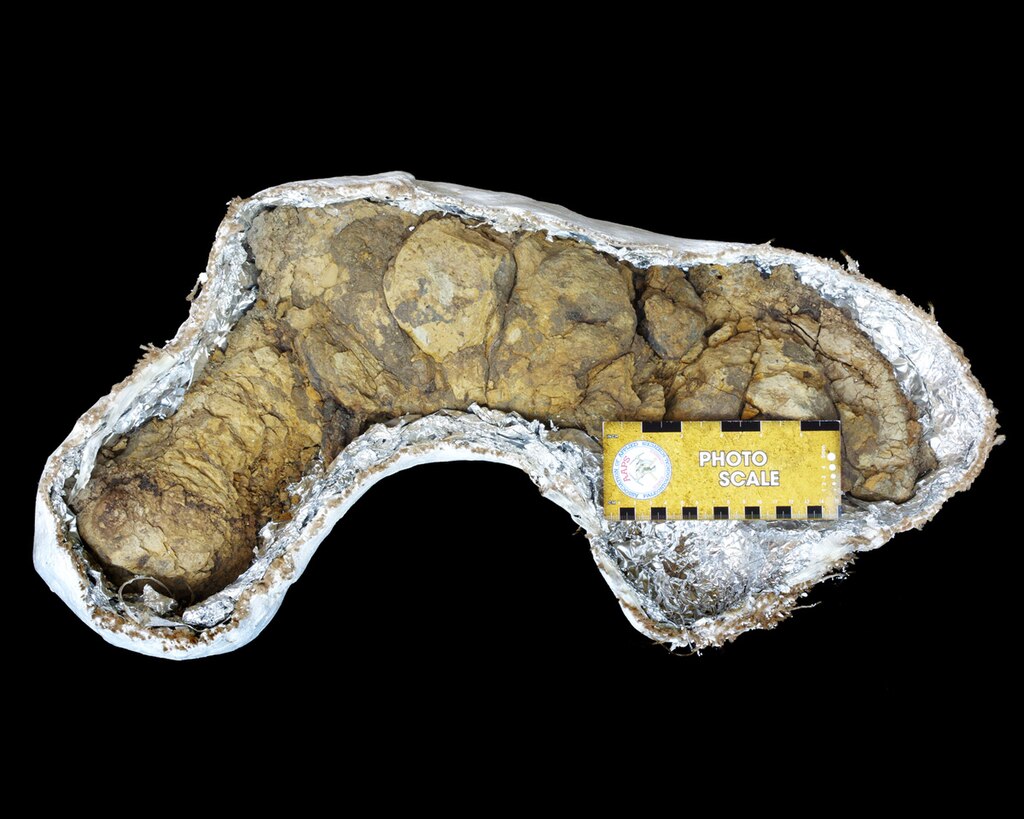
T-rex Coprolite Dinosaur Poop Poozeum

How Did Dinosaurs Poop? Fossil Clues From Coprolites

Paleontologists have long studied dinosaur bones, teeth, and footprints to understand these magnificent creatures that roamed Earth millions of years ago. However, one fascinating and often overlooked aspect of dinosaur biology is their digestive processes—specifically, how dinosaurs pooped. Through the scientific study of fossilized feces, known as coprolites, researchers have gained remarkable insights into dinosaur ...