Articles for category: Fossils & Fieldwork

Nautilus pompilius

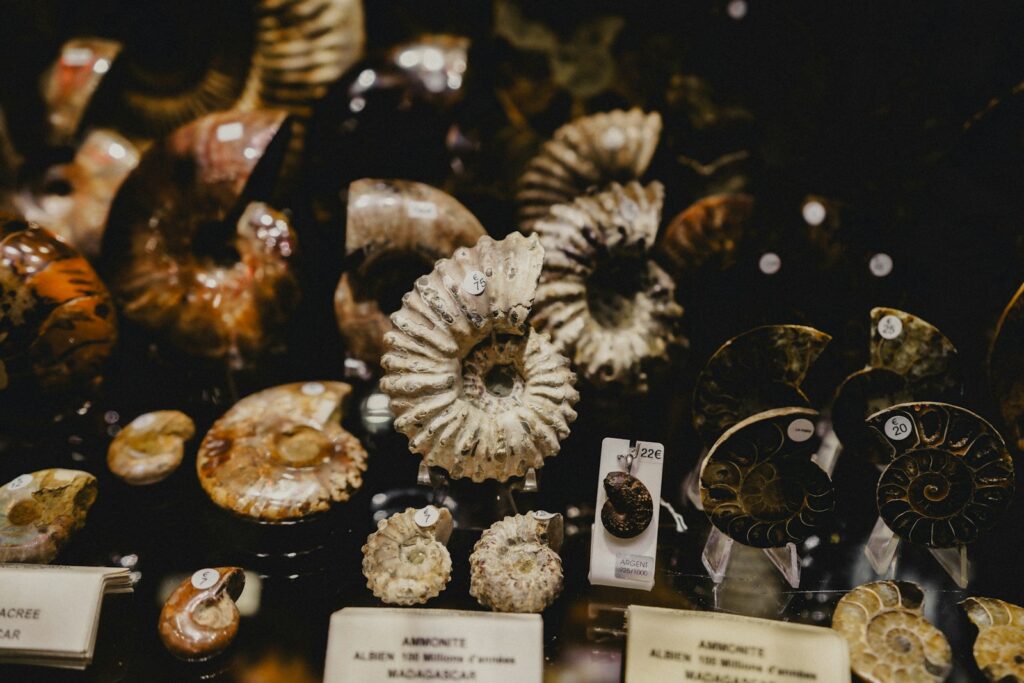
Horseshoe Crabs and Nautiluses: Living Fossils From the Dino Era

Ancient survivors from a bygone era, horseshoe crabs and nautiluses stand as remarkable living connections to Earth’s distant past. While dinosaurs vanished 65 million years ago, these extraordinary creatures endured, maintaining their prehistoric forms through countless geological upheavals. Their remarkable resilience and evolutionary stability have earned them the moniker “living fossils” – organisms that appear ...

Fossils from the Jehol Biota capture evolution in action

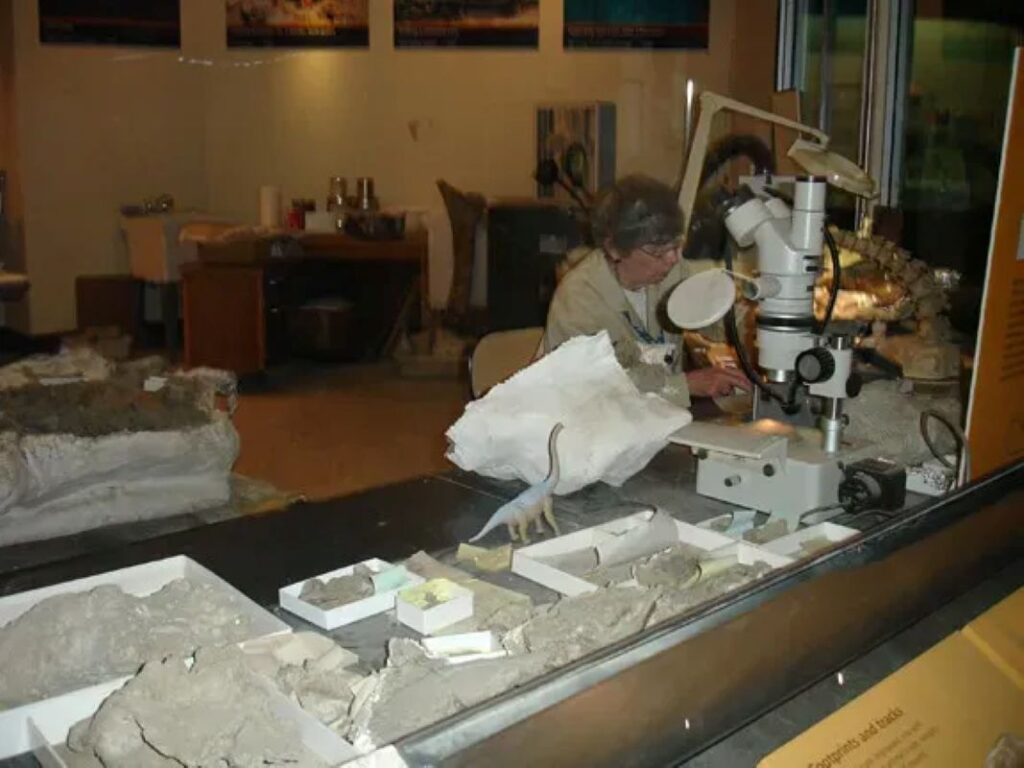
What Happens After a Fossil Is Discovered?

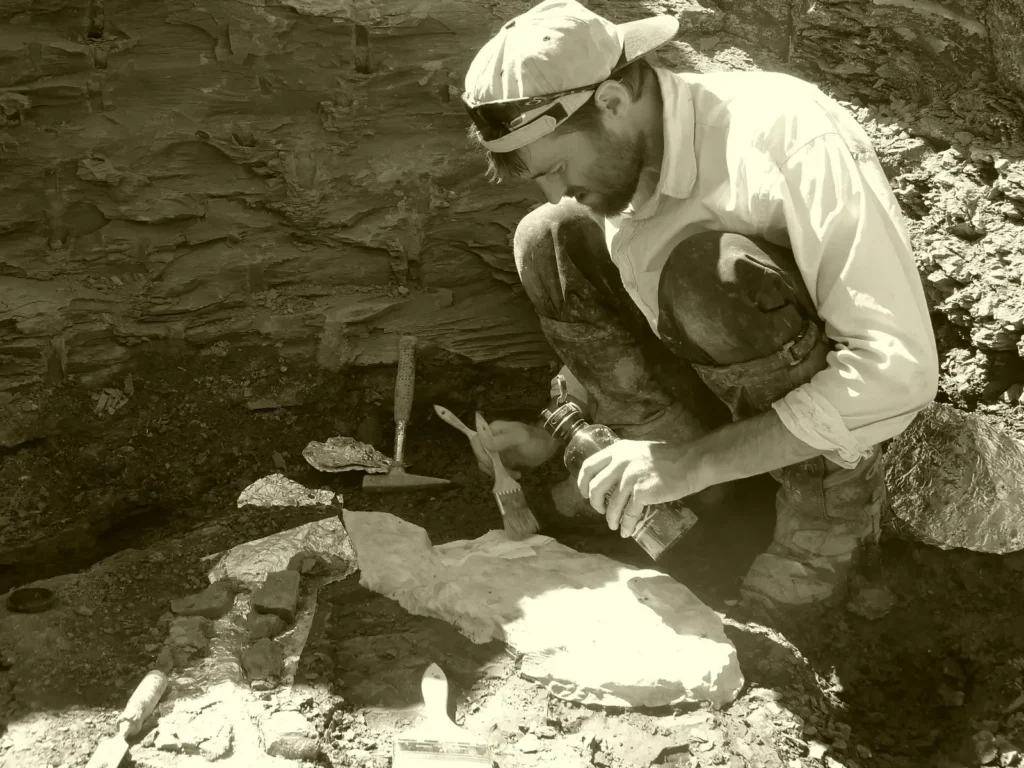
The discovery of a fossil marks just the beginning of an extensive scientific journey. When paleontologists or fortunate amateurs stumble upon these ancient remnants, they initiate a meticulous process that can span months or even years before the specimen’s secrets are fully revealed. These prehistoric treasures provide crucial glimpses into Earth’s distant past, helping scientists ...

A rare gem from the past: Barb Beasley’s discovery of a Tyrannosaurus rex tooth during a 2012 Passport in Time excavation in the iconic Hell Creek Formation.

Fossil Forensics: What a Single Tooth Can Tell Us About the Past

A single ancient tooth, sometimes no larger than a thumbnail, can unlock extraordinary secrets about life on Earth millions of years ago. In the skilled hands of paleontologists and researchers, these seemingly modest remains transform into powerful storytelling devices that illuminate extinct species, ancient ecosystems, and even evolutionary turning points. Fossil teeth serve as time ...

A large Tyrannosaurus rex skeleton displayed in a museum. Its shadow looms on the wall, adding dramatic effect. The room is dimly lit, evoking a prehistoric ambiance.

Fossil-Hunting for Profit: Science Killer or Necessary Evil?

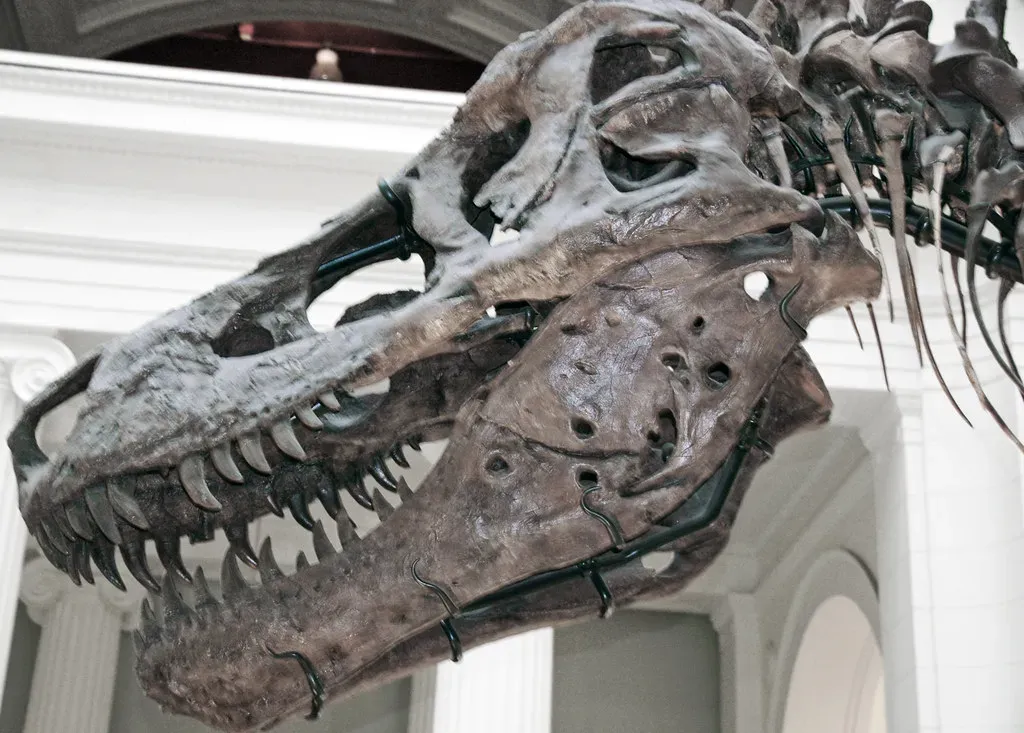
In the rugged badlands of Montana, a Tyrannosaurus rex skeleton emerges from ancient sediment, painstakingly excavated not by university paleontologists but by commercial fossil hunters. The specimen, later named “Sue,” would eventually sell for $8.3 million at auction, triggering both celebration and alarm throughout the scientific community. This scenario encapsulates one of paleontology’s most contentious ...

Fossil of a bird-like dinosaur, with outstretched wings and visible skeletal details, preserved in beige rock, conveying a sense of ancient history.

How Do Paleontologists Study Dinosaur Behavior from Fossils?

Unlocking the secrets of dinosaur behavior is like assembling a complex puzzle with many missing pieces. Paleontologists face the remarkable challenge of understanding how creatures behaved millions of years ago, with only their fossilized remains as evidence. Despite these limitations, scientific ingenuity and advancing technology have enabled researchers to develop sophisticated techniques for interpreting dinosaur ...

Microraptor's aerodynamic feathers hint at gliding or even early flight, soaring through prehistoric skies.

Are We Over-Interpreting Fossils with Modern Bias?

The study of ancient life through paleontology has revolutionized our understanding of Earth’s biological past. By examining fossils—preserved remains or traces of organisms from previous geologic periods—scientists reconstruct extinct species and ecosystems that existed millions of years ago. However, a growing concern within the scientific community questions whether modern human biases and perspectives unconsciously influence ...

Talampaya

Fossil Hotspots: The Most Productive Dinosaur Sites on Earth

The Earth’s geological record serves as a time capsule, preserving the remnants of prehistoric life that once dominated our planet. Among these ancient creatures, dinosaurs captivate our imagination like no other. Across the globe, certain regions have yielded extraordinary concentrations of dinosaur fossils, providing paleontologists with unprecedented glimpses into the Mesozoic Era. These fossil hotspots ...