Articles for category: Prehistoric Discoveries

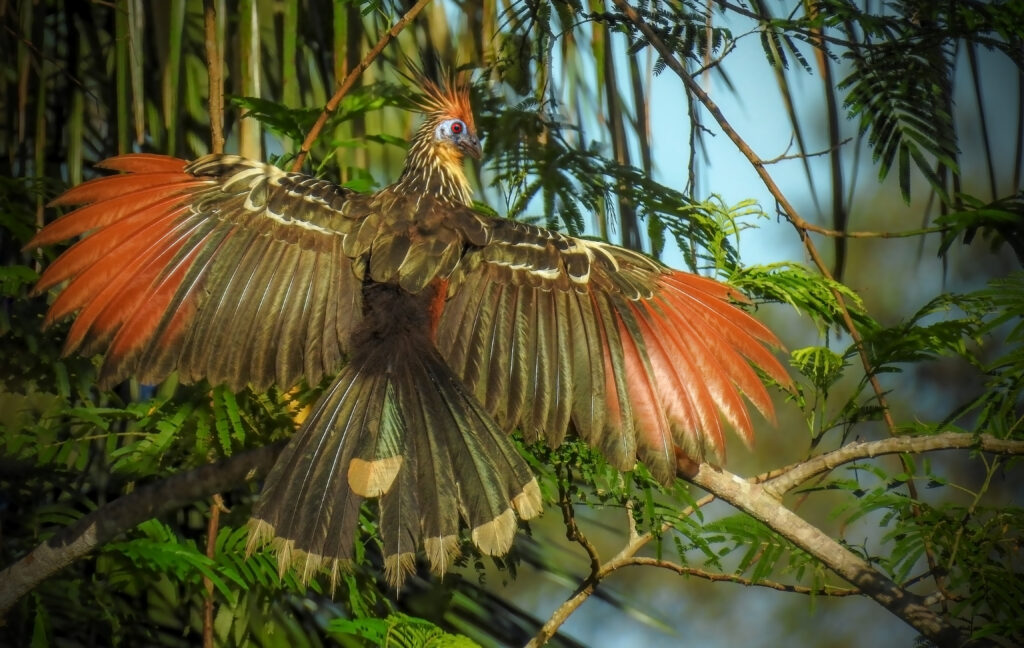
Elaborate bird perched on branch, displaying vibrant orange and brown feathers. Surrounded by green foliage, sunlight enhances its striking plumage.

How Ancient Flightless Birds Took Over After the Dinosaurs Fell

When the Chicxulub asteroid struck Earth 66 million years ago, it dramatically altered the course of evolutionary history. The catastrophic impact eliminated roughly 75% of all species, including the non-avian dinosaurs that had dominated terrestrial ecosystems for over 160 million years. From the ashes of this mass extinction emerged unexpected survivors—birds, the only living dinosaur ...
Could Ancient Megafauna Have Possessed Intelligence Far Beyond Our Current Understanding?

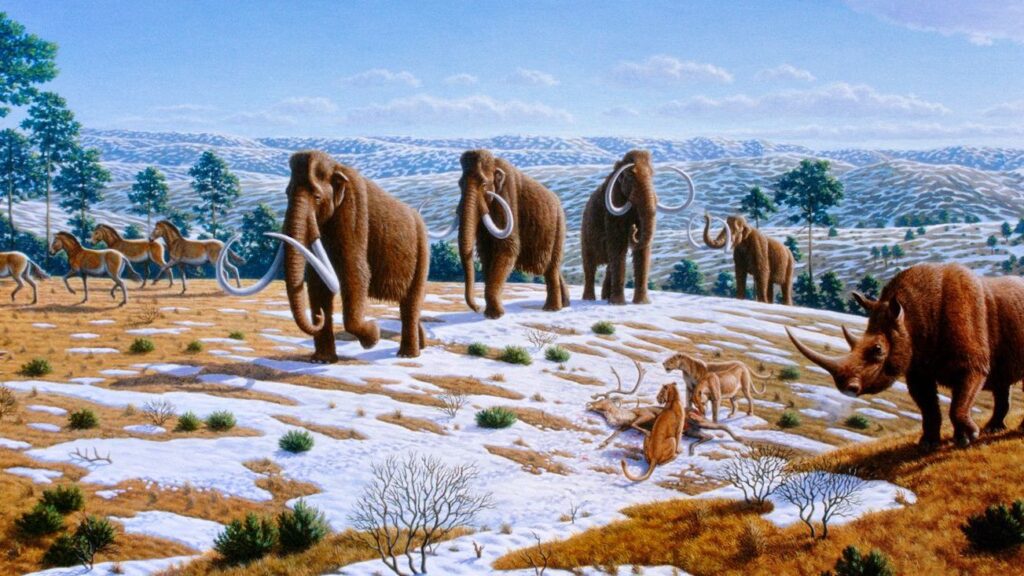
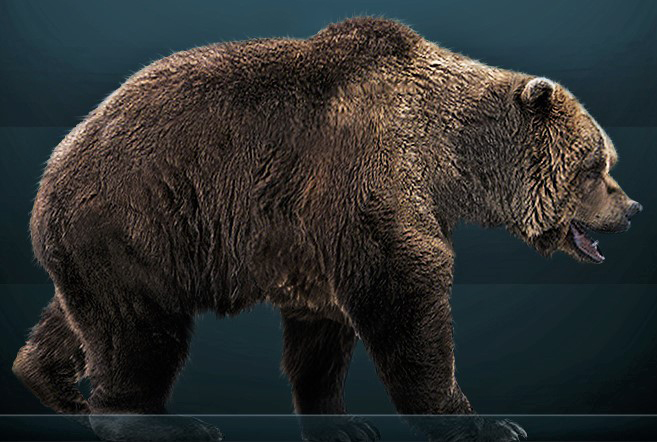
Could Ancient Megafauna Have Possessed Intelligence Far Beyond Our Current Understanding?

When you think about prehistoric giants, you probably imagine lumbering beasts driven solely by instinct. Massive creatures that roamed ancient landscapes with little more than hunger and fear guiding their actions. Here’s the thing though. Recent discoveries are forcing scientists to reconsider everything they thought they knew about the cognitive abilities of Ice Age megafauna. ...

The Extinct Animals That Could Survive in Today's Climate

The Extinct Animals That Could Survive in Today’s Climate

Have you ever wondered which long-lost creatures from Earth’s past might actually thrive if they were suddenly transported to our modern world? While climate change has pushed countless species to extinction, it’s fascinating to consider how some ancient animals might adapt surprisingly well to today’s environmental conditions. The answer might surprise you more than you ...

A dark-colored Tyrannosaurus rex walks past trees and foliage with a small theropod following closely, playfully snapping at a fluttering butterfly.

Ancient Lizards: How Prehistoric Reptiles Paved the Way for Modern Dragons

The vast expanse of prehistoric time harbored creatures so remarkable that they continue to capture our imagination today. Among these ancient beings, prehistoric reptiles stand as some of the most fascinating organisms to have ever roamed the Earth. Their legacy extends beyond mere scientific interest, inspiring countless tales of mythical dragons across human cultures. These ...

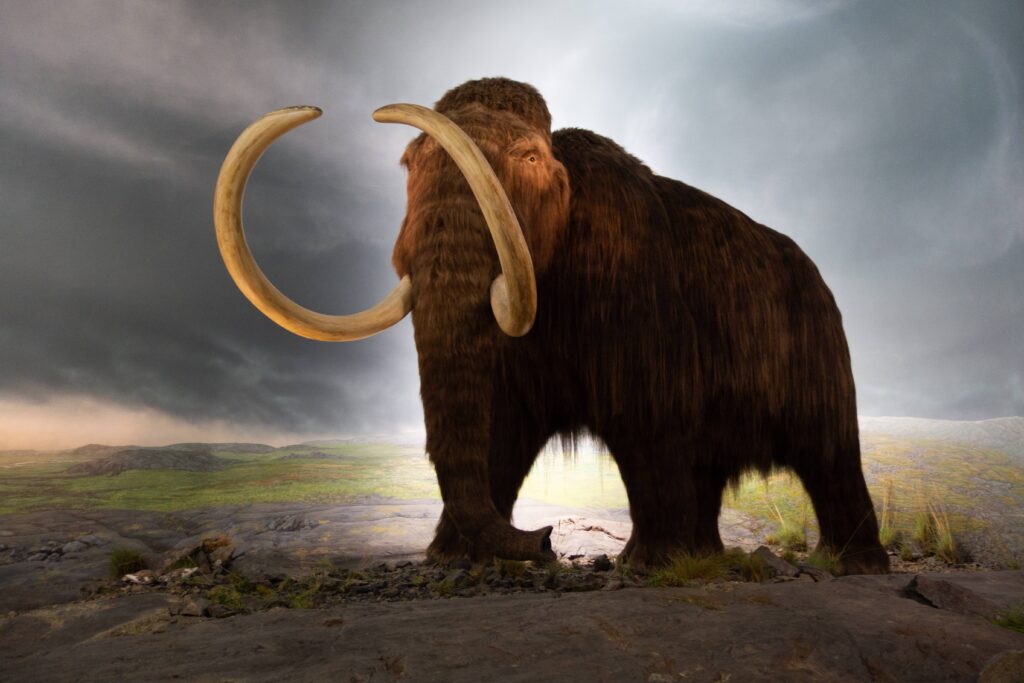
Could Mammoths Return Sooner Than Scientists Admit?

Could Mammoths Return Sooner Than Scientists Admit?

Deep in a Dallas laboratory, something extraordinary is happening. Scientists have recently created fuzzy, golden-brown mice with shaggy coats that look suspiciously familiar. These aren’t ordinary lab mice. They’re the first living creatures to carry genes inspired by woolly mammoths, marking what some believe could be a much faster timeline toward bringing Ice Age giants ...

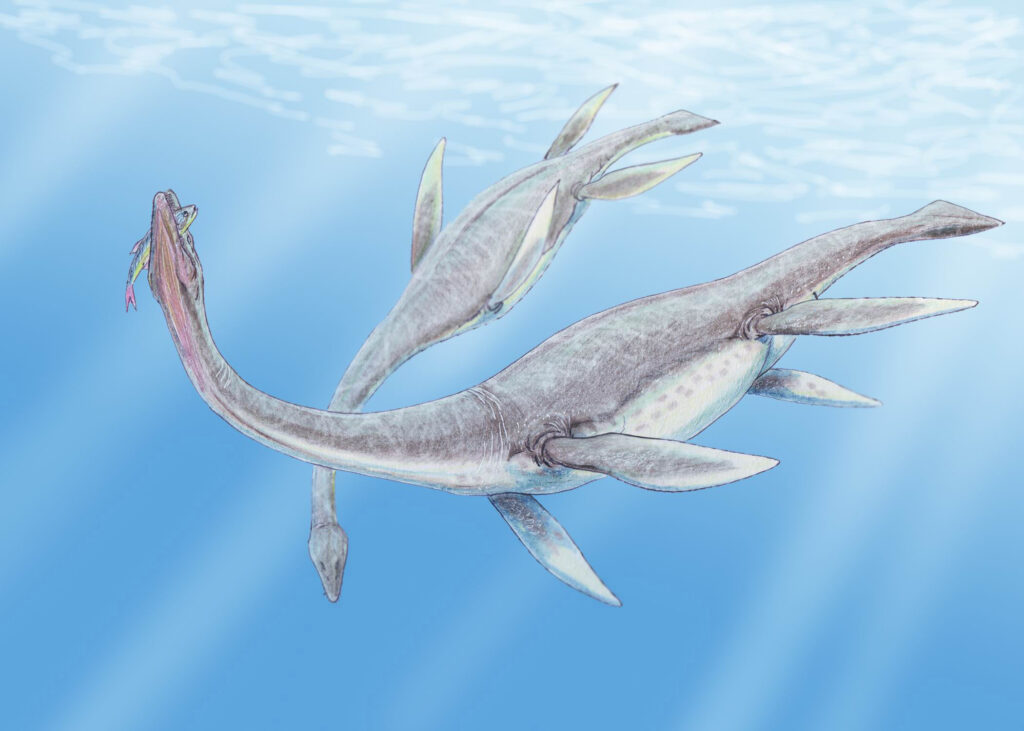
The Ancient Oceans Harbored Creatures With Bioluminescent Wonders Beyond Imagination

The Ancient Oceans Harbored Creatures With Bioluminescent Wonders Beyond Imagination

Picture yourself diving into the inky depths of an ancient ocean over half a billion years ago. There’s no moon above, no sun breaking through the water’s surface. Yet somehow, around you, the darkness flickers to life with ghostly glows and ethereal lights. These aren’t alien ships or underwater volcanoes. They’re living creatures producing their ...

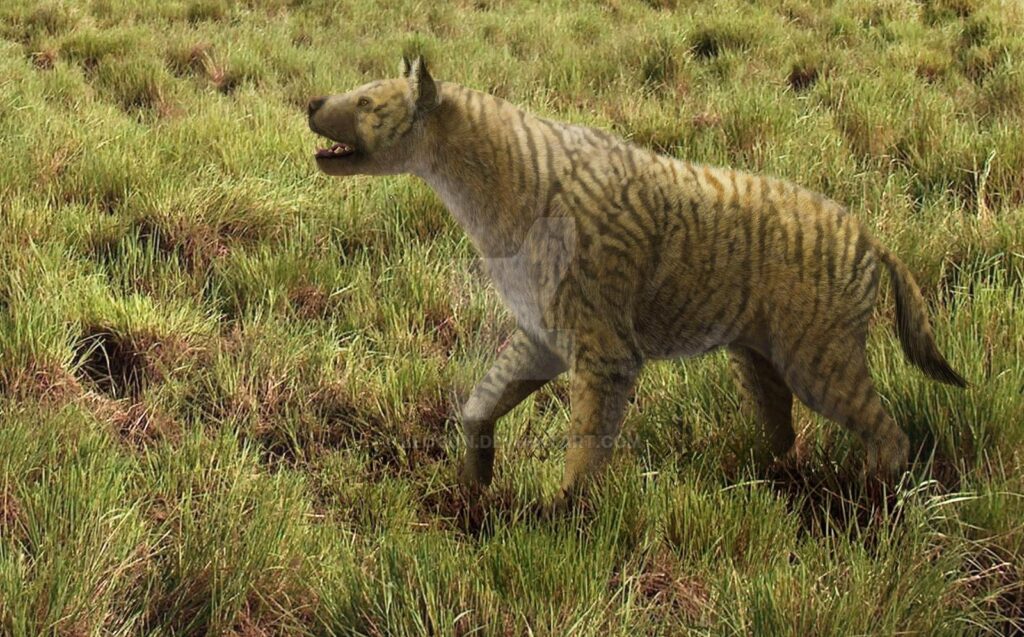
7 Ancient Predators Whose Hunting Tactics Were Surprisingly Sophisticated

7 Ancient Predators Whose Hunting Tactics Were Surprisingly Sophisticated

Think you know what made ancient predators deadly? It wasn’t always just brute strength or massive teeth. Sure, the Ice Age had its share of terrifying creatures, but what’s genuinely fascinating is how smart these animals actually were. Picture this: animals coordinating ambushes, using tools of sorts, and even demonstrating strategic thinking that rivals modern ...

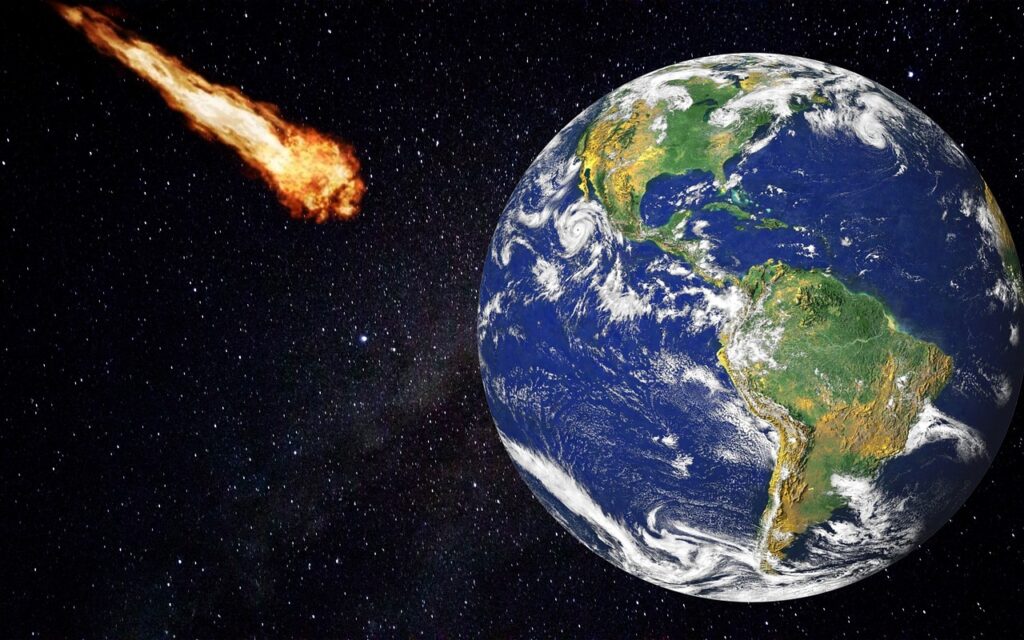
The Meteorite That Changed Earth's Orbit - and Our Future

The Meteorite That Changed Earth’s Orbit – and Our Future

Picture Earth as it truly is today, a carefully balanced sphere spinning through space with clockwork precision. Your planet exists because of a series of catastrophic collisions that shaped not just its surface, but its very trajectory through the cosmos. These ancient impacts didn’t merely scar the landscape. They fundamentally altered the orbital mechanics that ...