Articles for category: Prehistoric SeaWorld

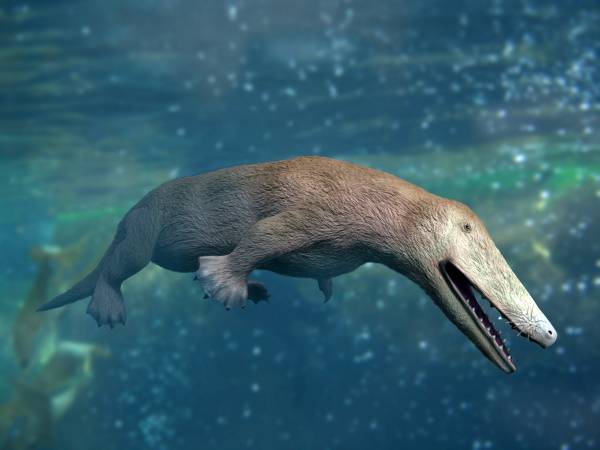
Reconstruction of a prehistoric aquatic creature with a long snout and sharp teeth, swimming underwater. The scene conveys a sense of ancient mystery.

What Prehistoric Aquatic Mammals Tell Us About Evolution After Extinction

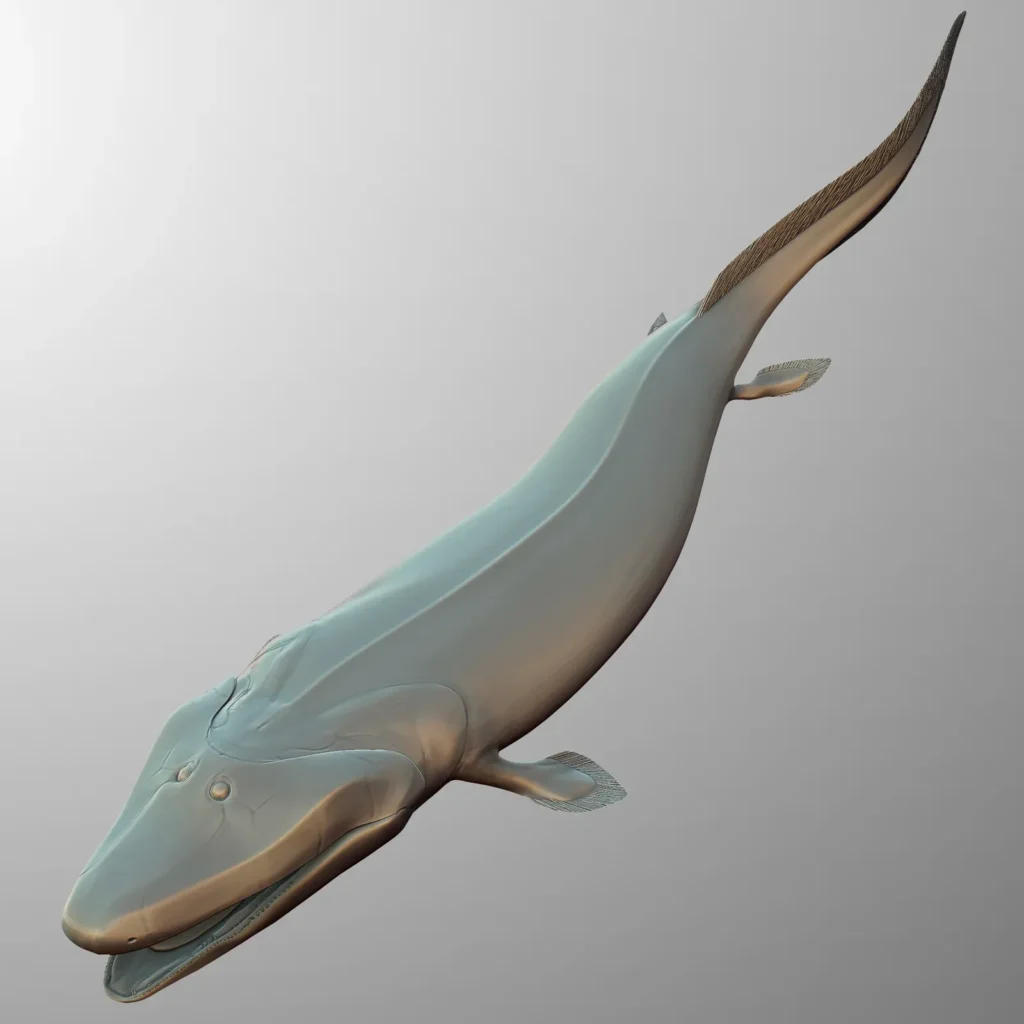
The mysterious depths of Earth’s prehistoric oceans hold fascinating stories of evolutionary resilience and adaptation. When we examine the fossil record of ancient aquatic mammals, we discover not just extinct creatures, but profound lessons about how life responds to catastrophic changes. These marine pioneers—from early whales that walked on land to massive sea cows that ...
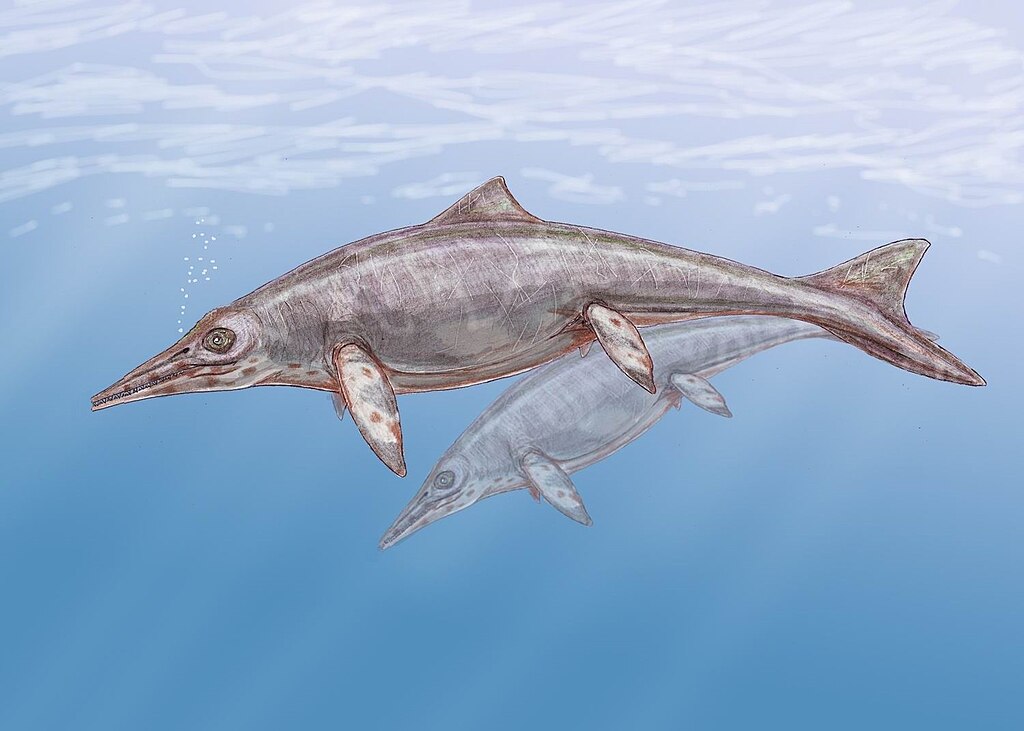
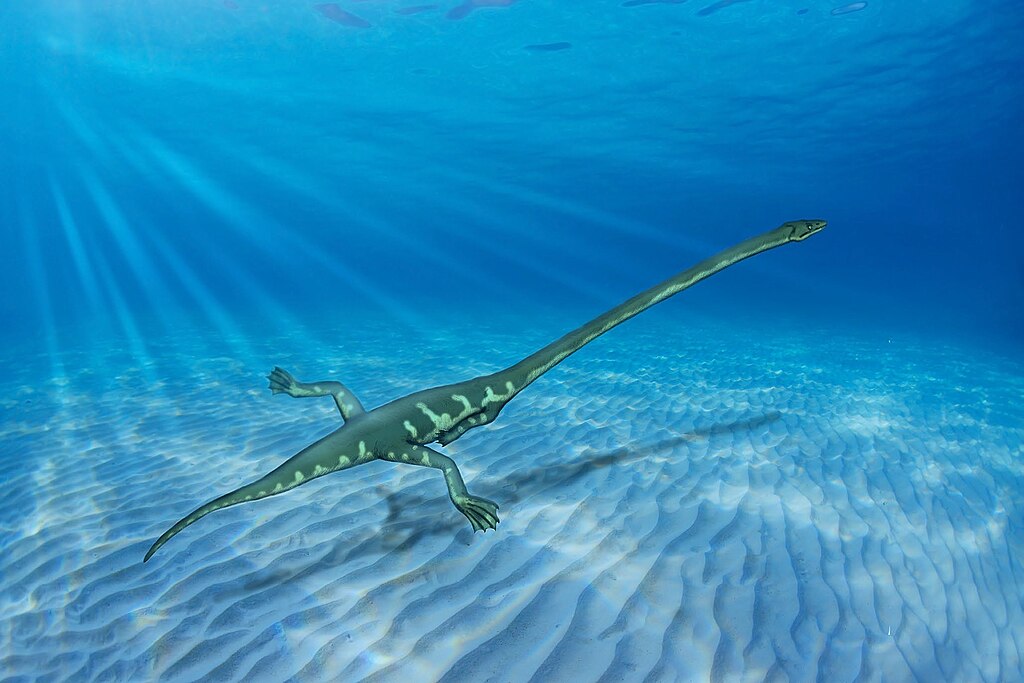
Shastasaurus altispinus, an ichthyosaur

How Ichthyosaurs Gave Birth: Prehistoric Insights into Live Birth

In the depths of ancient oceans, remarkable marine reptiles called ichthyosaurs once dominated the prehistoric seas. These dolphin-like creatures have fascinated paleontologists not just for their streamlined bodies and extraordinary adaptations to aquatic life, but also for a particularly intriguing aspect of their biology: they gave birth to live young underwater. Unlike most reptiles that ...

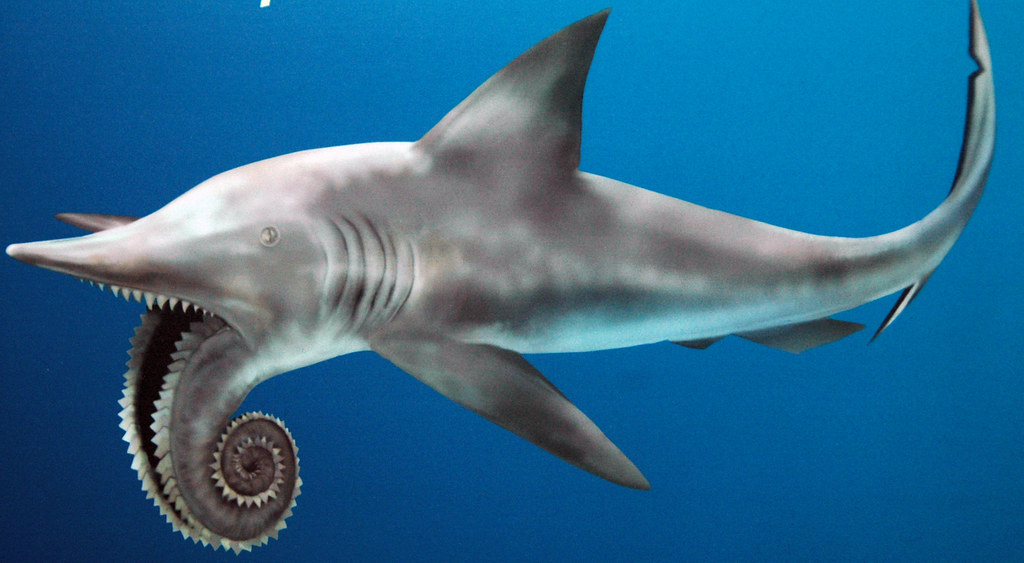
Prehistoric Sharks and Ancient Terror

Inside the Jurassic Aquarium: Incredible Creatures of Prehistoric Seas

Picture yourself floating through crystal-clear waters two hundred million years ago. The sun filters down through waves, illuminating a world completely different from today’s oceans. You’re witnessing what scientists now call the Jurassic aquarium – an underwater realm where massive marine reptiles rule the seas, enormous spiral shells drift like living submarines, and razor-toothed predators ...

During the Jurassic, high sea levels flooded continents, forming vast shallow seas and reshaping coastlines across the globe.

Underwater Worlds: The Lost Continental Shelves of the Mesozoic

Beneath our modern oceans lie the submerged remnants of ancient worlds—vast continental shelves that once hosted diverse ecosystems during the Mesozoic Era (252-66 million years ago). These shallow marine environments, now hidden beneath hundreds of meters of water, were once thriving habitats where prehistoric creatures flourished in warm, sunlit waters. The story of these lost ...

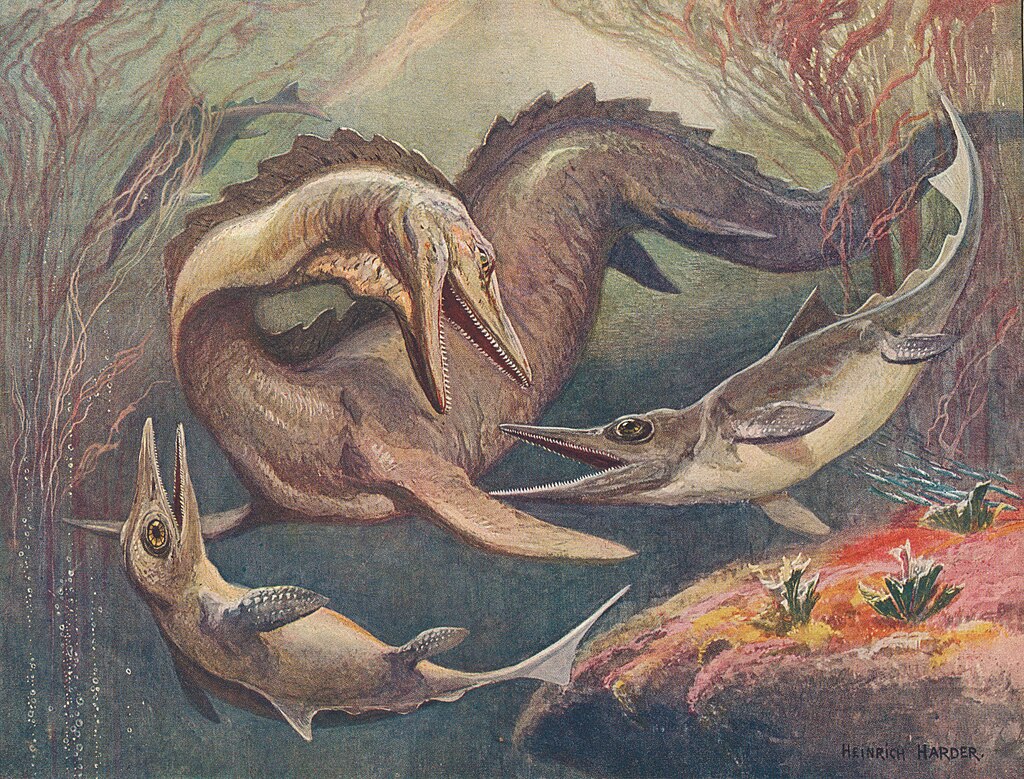
Mosasaurus ichthyosaurus

Marine Reptiles vs. Ancient Sharks: Who Ruled the Waters?

The prehistoric oceans were arenas of epic power struggles, dominated by creatures that would make today’s marine life seem tame by comparison. For over 250 million years, various apex predators vied for supremacy in Earth’s ancient seas. Two groups stand out in this underwater competition for dominance: the fearsome marine reptiles—like ichthyosaurs, plesiosaurs, and mosasaurs—and ...

Why Trilobites Had Crystal Eyes - Nature's First Engineers

Why Trilobites Had Crystal Eyes – Nature’s First Engineers

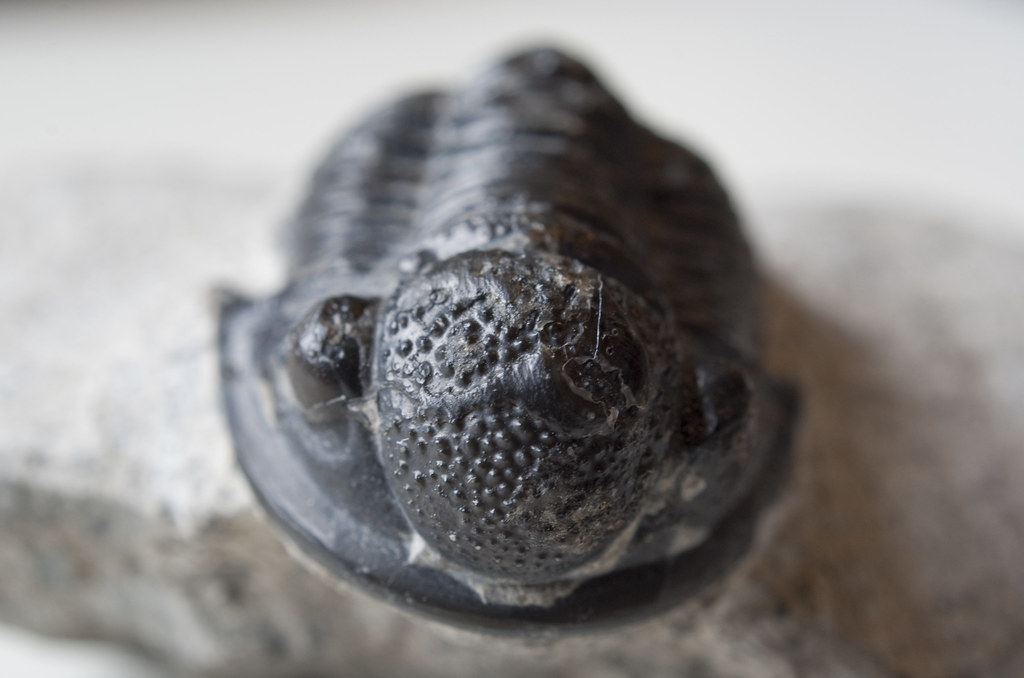
Picture swimming through ancient oceans over half a billion years ago, and encountering creatures that possessed something truly extraordinary: eyes made of actual crystal. These weren’t just primitive light sensors, but sophisticated optical instruments that would put many modern designs to shame. The eyes belonged to an extinct group of animals called trilobites, and their ...

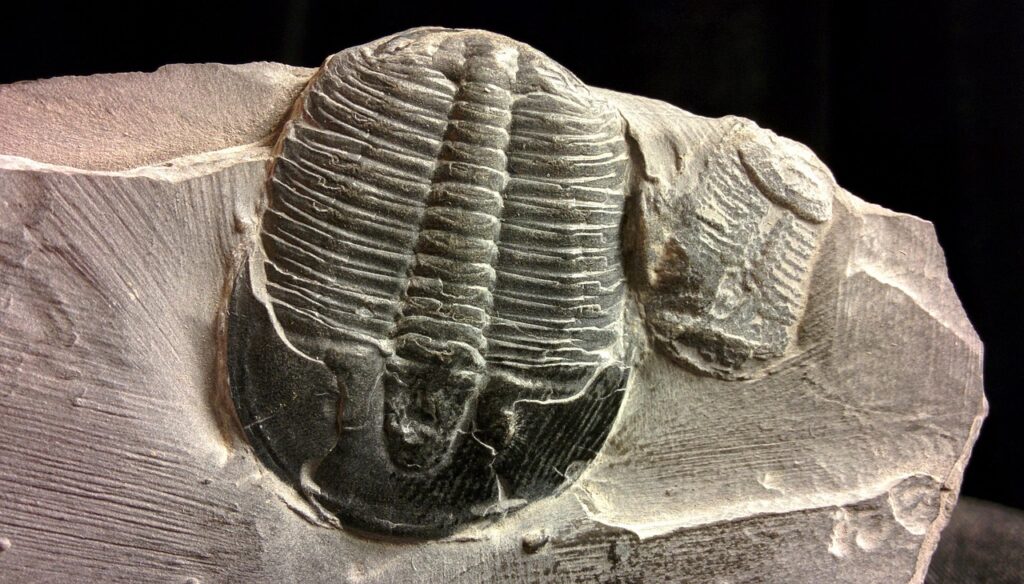
The Trilobite Defense System

The Sea Creature With Armor So Tough It Defied Evolution

Imagine finding a fossil so perfectly preserved that scientists couldn’t believe their eyes. Picture stumbling upon ancient creatures whose defensive systems were so sophisticated they seemed like engineering marvels from another world. These weren’t mythical beasts, but real animals that dominated prehistoric oceans with armor so advanced it challenged everything paleontologists thought they knew about ...

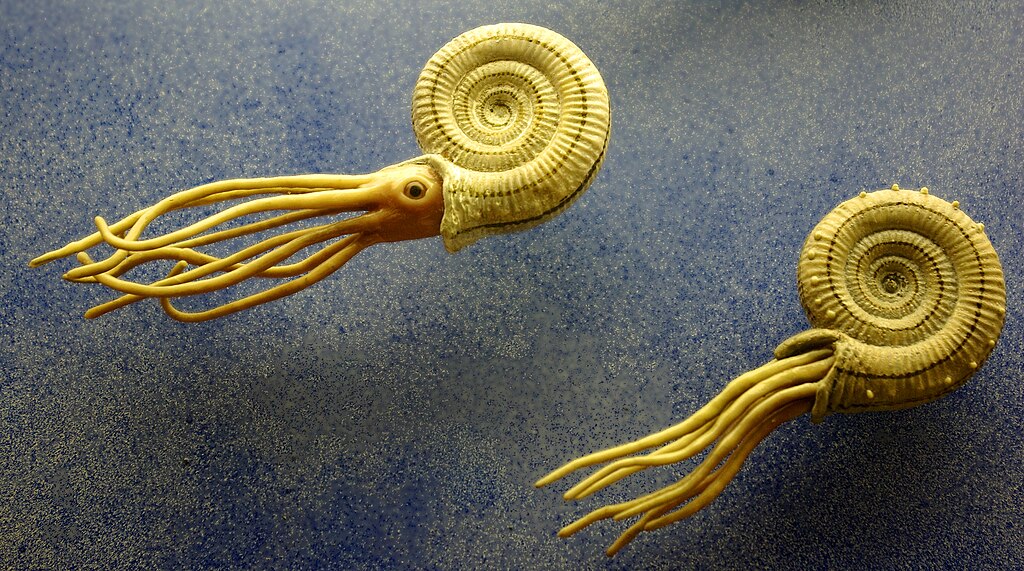
Reconstruction of ammonoids

Why Ammonites Were the True Kings of the Prehistoric Oceans

When we think of ancient marine predators, our minds often leap to massive creatures like megalodon or mosasaurs. However, for over 300 million years, a different group of organisms dominated the prehistoric seas – the ammonites. These cephalopods, with their distinctive spiral shells and remarkable adaptations, weren’t just passive inhabitants of ancient oceans but rather ...