Articles for category: Prehistoric Environment

A detailed model of a large, colorful dragonfly with translucent wings, six legs, and a vivid body against a dark, contrasting background.

Was Gigantism a Response to Oxygen-Rich Prehistoric Atmospheres?

The prehistoric world was home to creatures of staggering proportions that dwarf their modern relatives. From dragonflies with wingspans comparable to hawks to millipedes longer than a human adult, the phenomenon of gigantism in ancient species has fascinated scientists for generations. One compelling theory suggests that elevated oxygen levels in prehistoric atmospheres may have facilitated ...
What Dinosaurs Can Teach Us About Earth's Climate Past and Future?

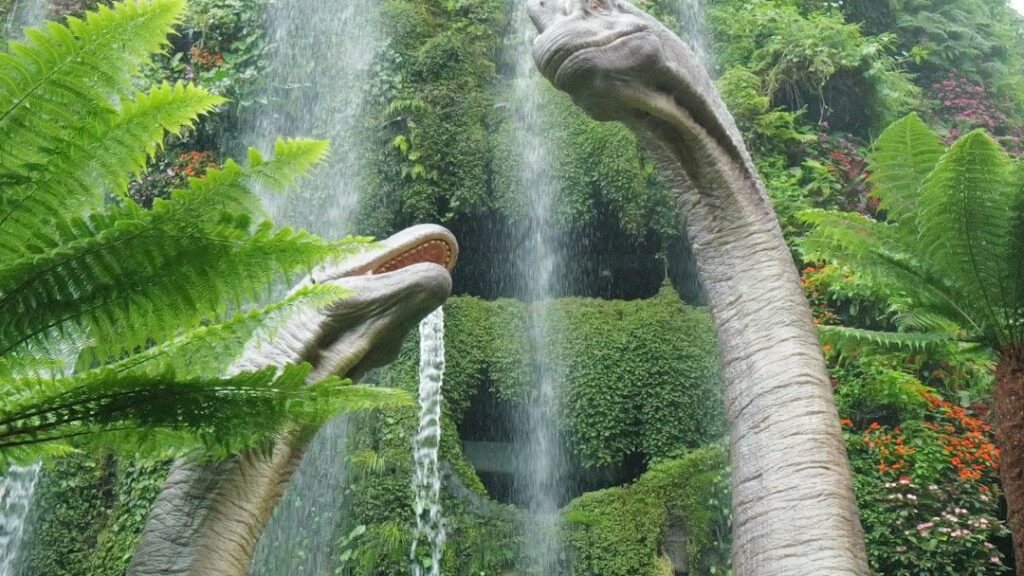
What Dinosaurs Can Teach Us About Earth’s Climate Past and Future?

You might think creatures that lived millions of years ago have nothing to tell us about today’s world. Yet dinosaurs hold secrets locked in their bones, teeth, and the very rocks surrounding them. These ancient giants witnessed Earth’s most dramatic climate episodes, from scorching greenhouse conditions to catastrophic cooling events that redefined life itself. Understanding ...

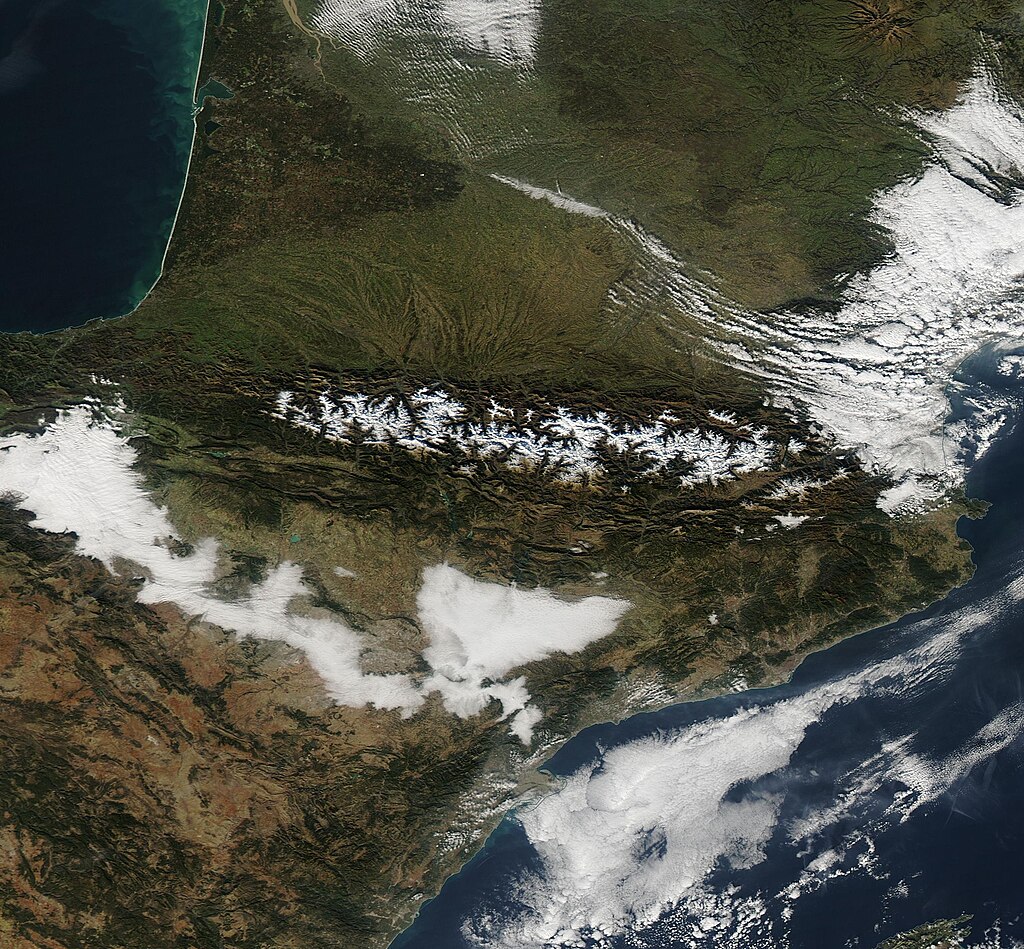
Pyrenees Mountains

Swamps, Savannas, and Inland Seas: Where Dinosaurs Really Lived

The popular imagination often places dinosaurs in lush, tropical jungles—a vision reinforced by movies like Jurassic Park. However, paleontological evidence reveals a far more diverse range of habitats where these magnificent creatures thrived for over 165 million years. From sprawling swamplands to arid savannas and shallow inland seas, dinosaurs adapted to an astonishing variety of ...

Evolution by Disaster: How Extinctions Shaped Dinosaur History

Evolution by Disaster: How Extinctions Shaped Dinosaur History

Sometimes, the greatest leaps in evolution are born from catastrophe. Throughout Earth’s deep past, mass extinctions acted like brutal reset buttons, wiping out dominant species and clearing the stage for new life to rise. For dinosaurs, these disasters weren’t just obstacles—they were opportunities. From the ashes of vanished rivals, dinosaurs emerged, adapted, and eventually reigned ...

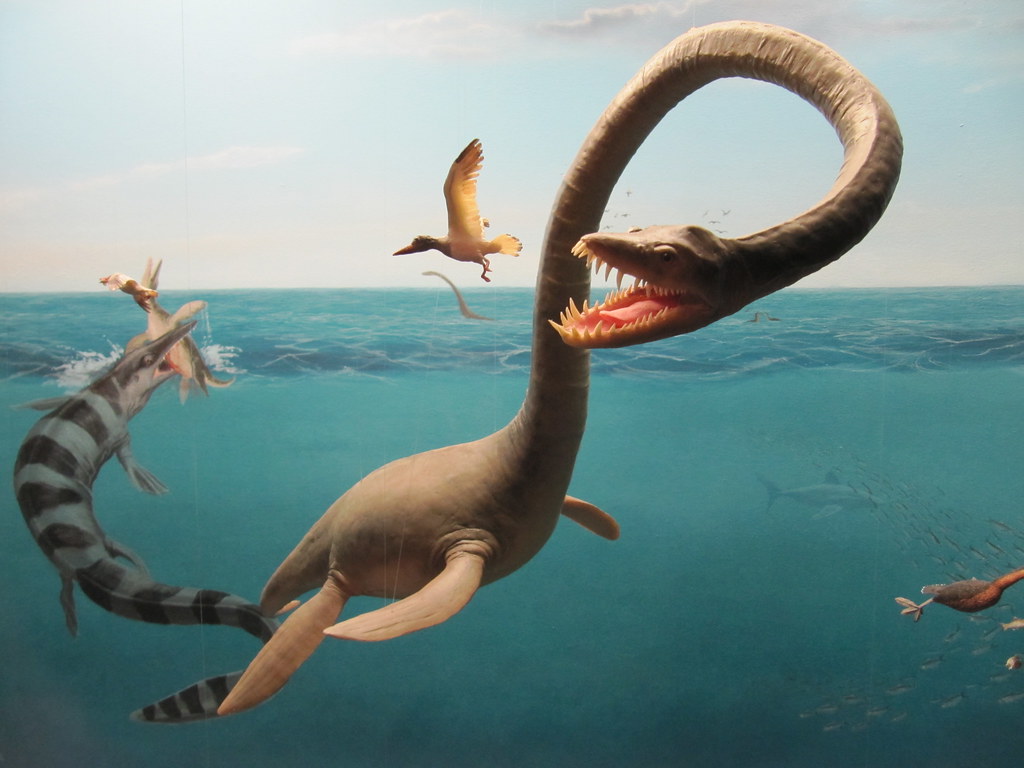
The First Swimming Dinosaur

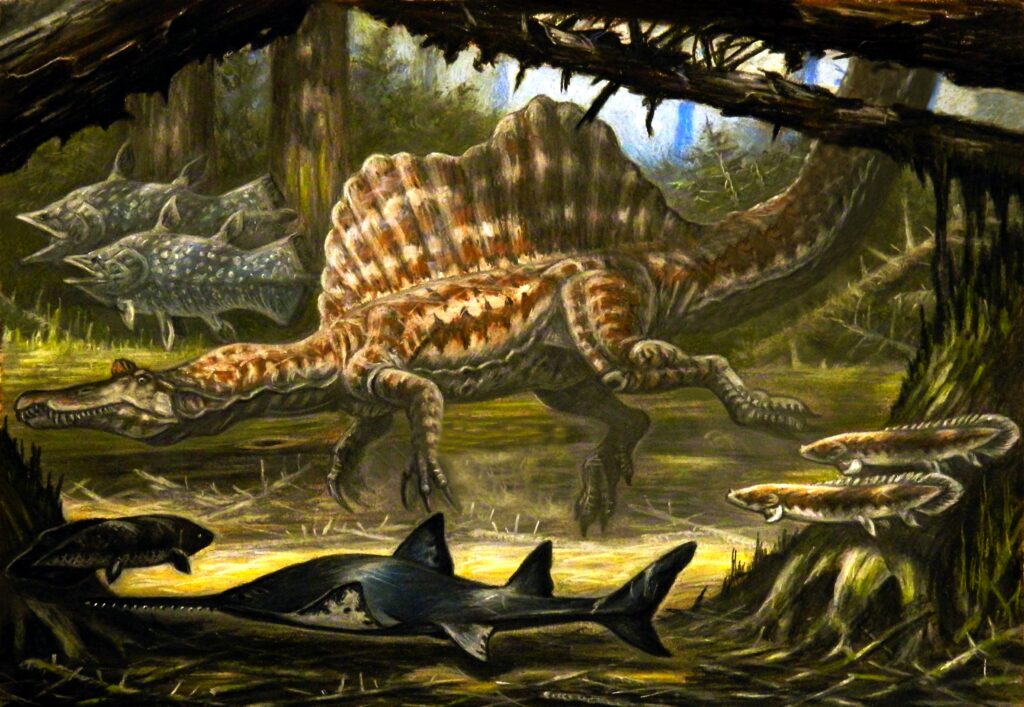
Why the Sahara Desert Was Once Home to Aquatic Dinosaurs

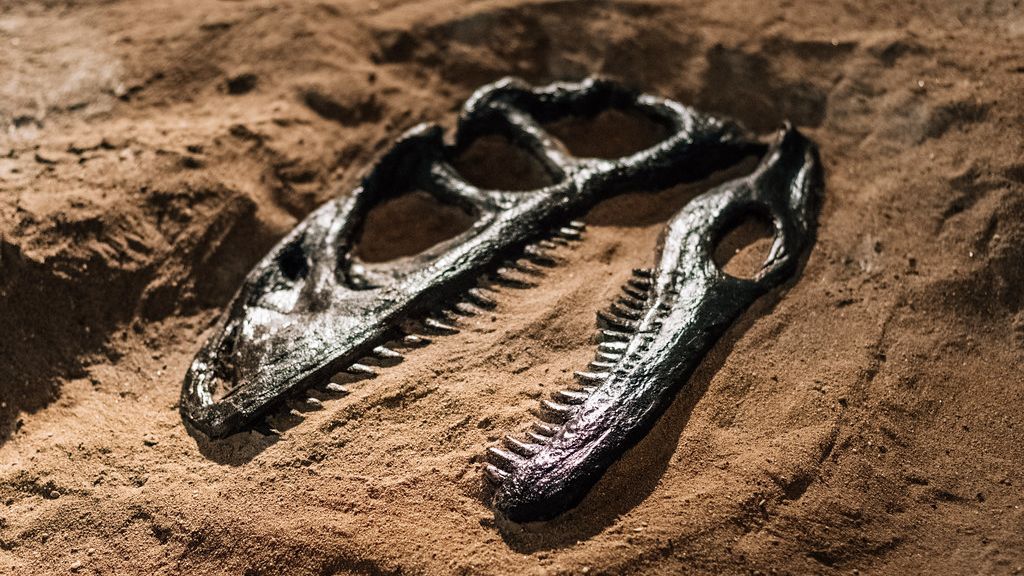
Picture this: you’re standing in the blazing heat of the Sahara Desert, sand stretching endlessly in every direction. It’s hard to believe that roughly one hundred million years ago, this same spot was teeming with enormous crocodiles, massive fish, and most surprisingly, aquatic dinosaurs. But that’s exactly what scientists have discovered buried beneath all that ...

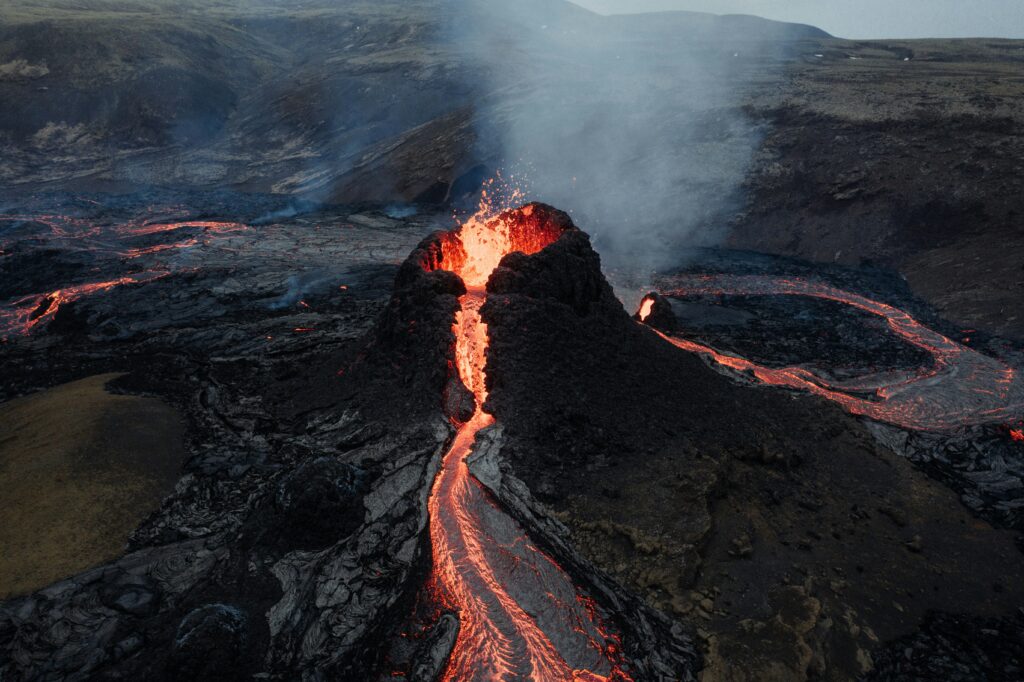
Aerial view of an active volcano spewing bright lava down its dark slopes, surrounded by barren, rocky terrain. Smoke rises, creating a dramatic scene.

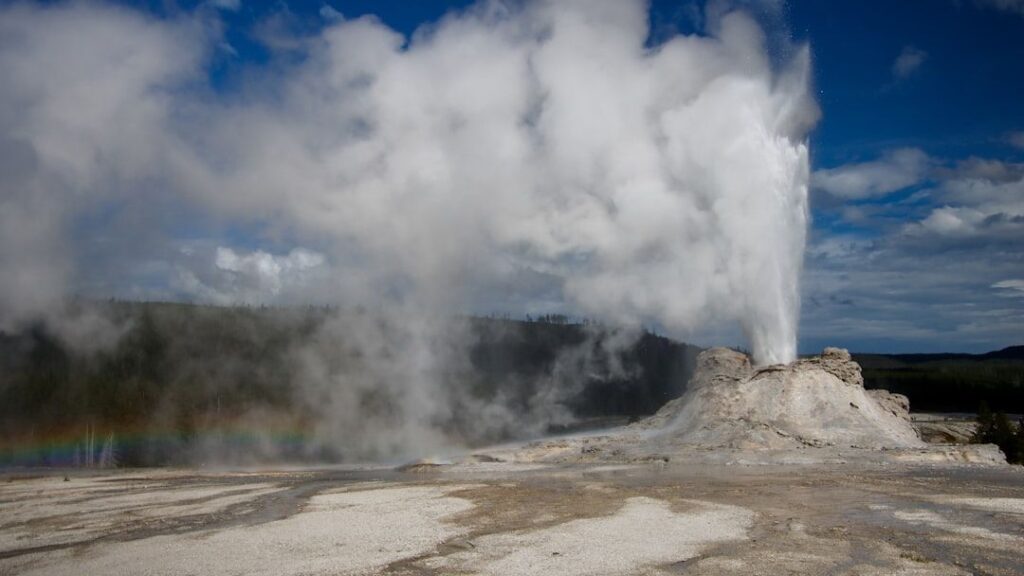
Volcanoes, Oxygen, and CO₂: How Ancient Atmospheres Impacted Dino Life

When dinosaurs ruled Earth, our planet’s atmosphere differed drastically from today’s air. This ancient atmosphere, shaped by volcanic eruptions, fluctuating oxygen levels, and carbon dioxide concentration, created the environmental conditions that allowed dinosaurs to thrive for over 165 million years. Through examining geological evidence and fossil records, scientists have pieced together how these atmospheric factors ...

Triassic Heat to Cretaceous Cool: How Climate Influenced Dino Life

Triassic Heat to Cretaceous Cool: How Climate Influenced Dino Life

Picture this: Earth as a sweltering greenhouse planet where there’s no escape from the heat, not even at the poles. Then imagine that same world gradually transforming into something more familiar, yet still dramatically different from today. This incredible climate journey from the scorching Triassic period to the somewhat cooler (but still warm) Cretaceous period ...

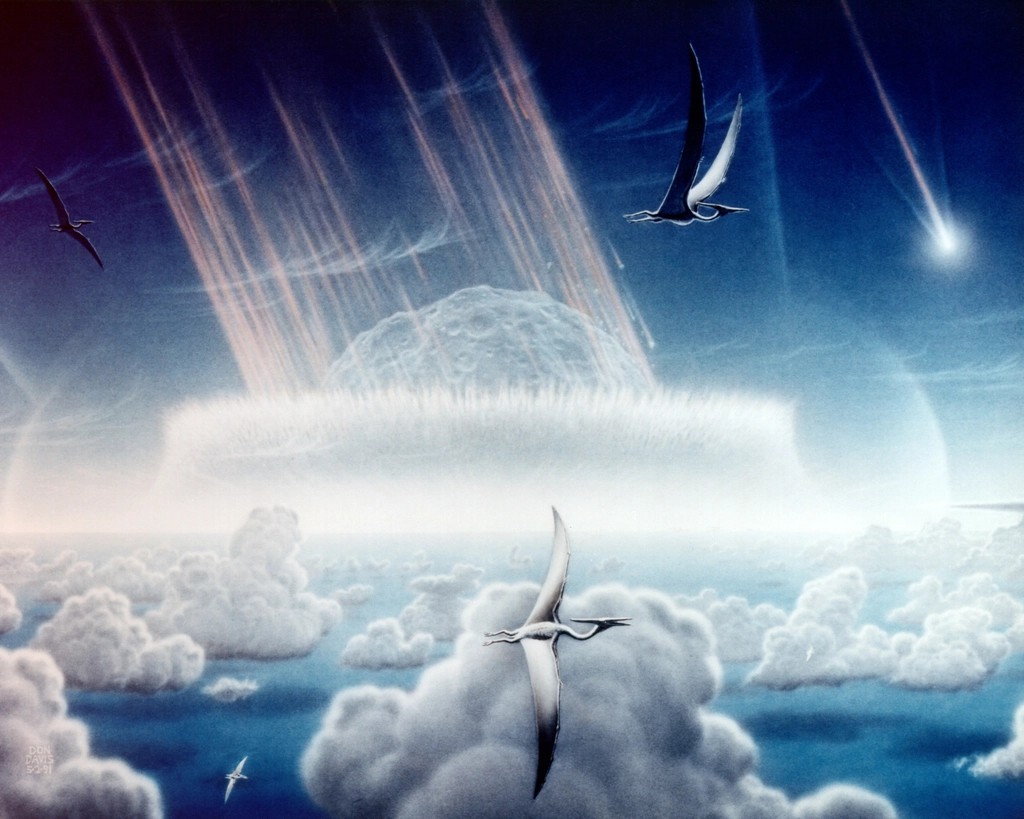
Hour Zero: Reconstructing the First 24 Hours After the Dino-Killing Impact

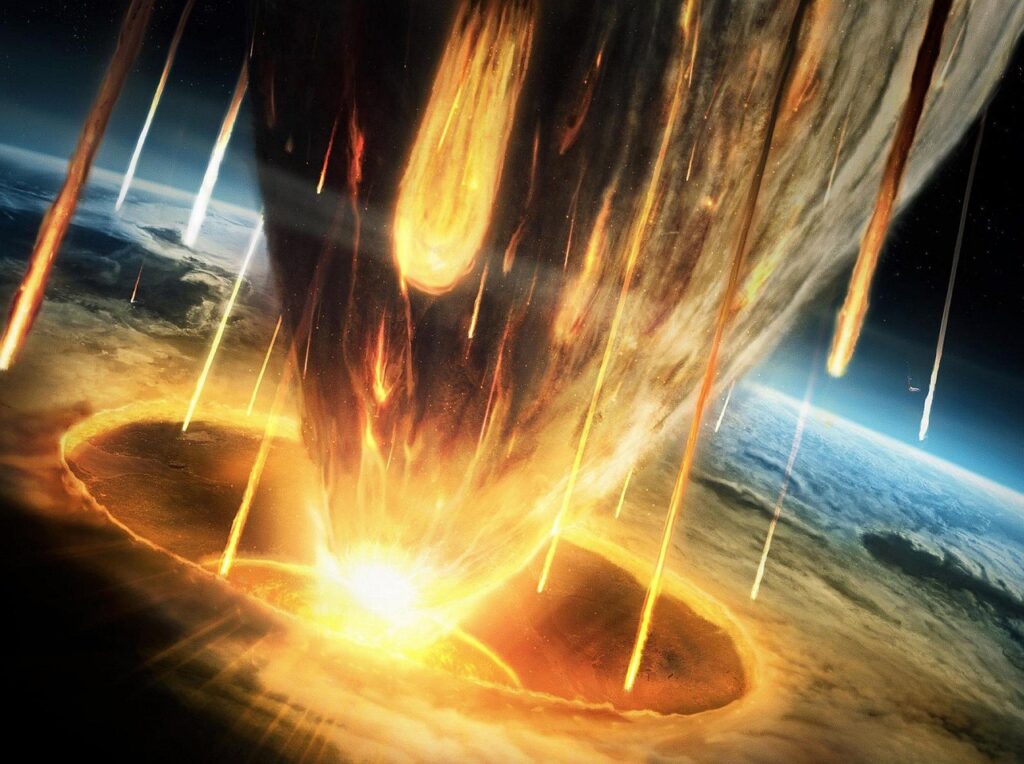
Hour Zero: Reconstructing the First 24 Hours After the Dino-Killing Impact

You’re probably thinking you know this story already. A massive asteroid hits Earth, dinosaurs die, end of tale. Yet what happened in those first fateful 24 hours after impact has remained one of Earth’s greatest unsolved mysteries until now. Scientists have finally pieced together an hour-by-hour reconstruction of our planet’s most catastrophic day, and the ...