Articles for author: Lovely Aquino

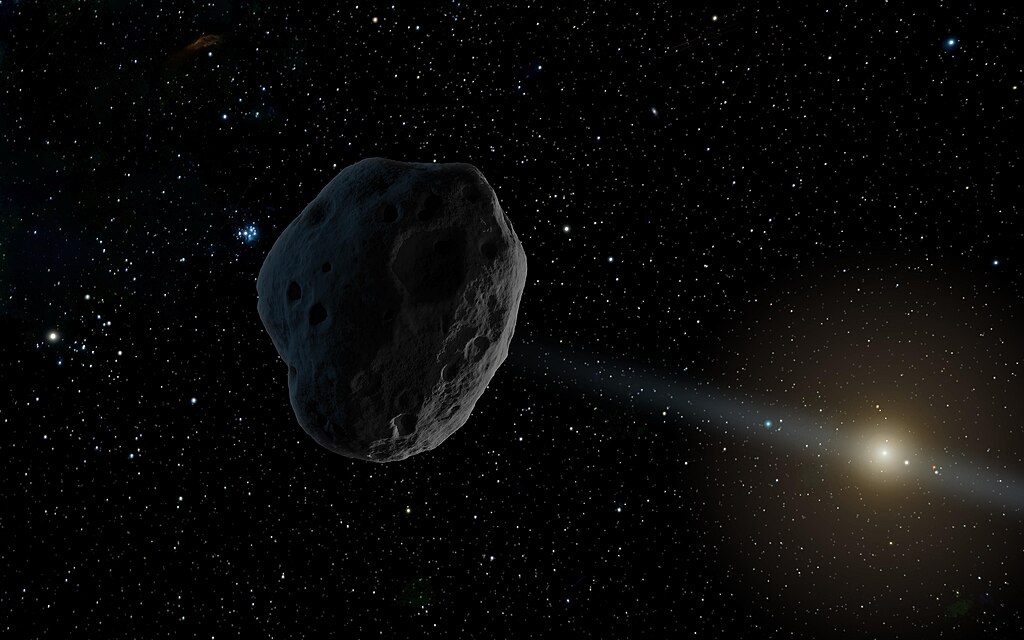
An artist's rendition of 2016 WF9 as it passes Jupiter's orbit inbound toward the sun.

The Two-Impact Hypothesis: Was One Asteroid Not Enough to End the Dinosaurs?

The extinction of dinosaurs 66 million years ago marks one of the most significant turning points in Earth’s biological history. For decades, scientists widely accepted the theory that a single massive asteroid impact at Chicxulub, Mexico, triggered the mass extinction event that wiped out approximately 75% of all species on Earth. However, recent scientific discoveries ...
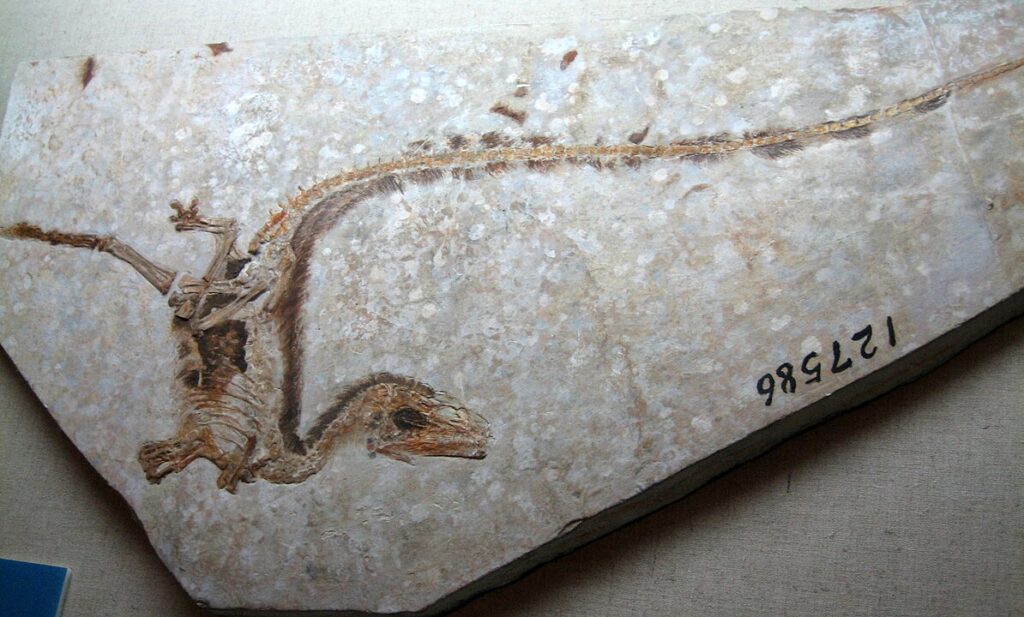
6 Fossils That Made Scientists Rethink Everything They Knew

Imagine digging through ancient rock layers and uncovering a fossil so strange, so unexpected, that it forces the entire scientific community to rewrite textbooks. This isn’t science fiction – it’s the reality of paleontology. Throughout history, certain fossil discoveries have been so revolutionary that they’ve completely overturned our understanding of life on Earth. These aren’t ...

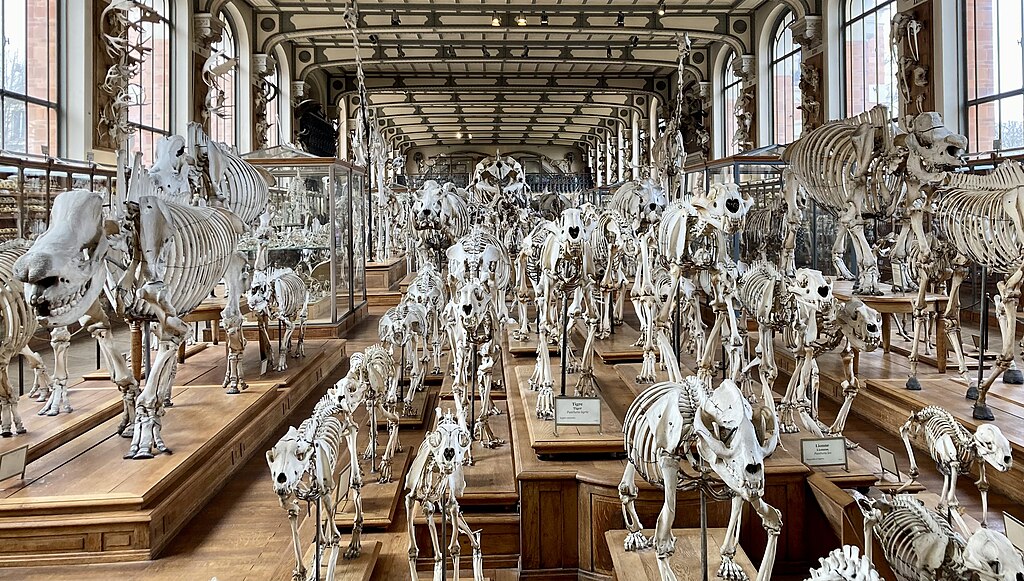
Mammals in the galerie de Paléontologie et d'Anatomie comparée

Dinosaurs in the City of Light: Exploring Prehistory in Paris

Paris, renowned for its art, fashion, and cuisine, also holds remarkable treasures from Earth’s distant past. Beyond the Eiffel Tower and the Louvre, the City of Light offers fascinating glimpses into prehistoric times through its museums, fossils, and scientific heritage. This exploration of Paris’s paleontological wonders reveals how dinosaurs and other prehistoric creatures have found ...

dinosaur with open mouth beside buildings still selective focus photography of

How Might Climate Change Have Shaped Dinosaurs If They Survived?

The extinction of dinosaurs approximately 66 million years ago following the Chicxulub asteroid impact represents one of Earth’s most dramatic biological transitions. But what if that catastrophe had never occurred? What if dinosaurs had persisted into our modern era, experiencing the climate shifts that mammals have navigated over millions of years? This fascinating counterfactual allows ...

Brontosaurus by Knight

Brontosaurus: The Dinosaur That Was Erased—Then Resurrected

Few dinosaurs have experienced a scientific journey as remarkable as Brontosaurus. Once a household name and cultural icon, this massive long-necked dinosaur was famously declared a scientific mistake in the early 20th century, seemingly erased from the paleontological record. For decades, scientists insisted the creature never truly existed as a distinct genus. Then, in a ...

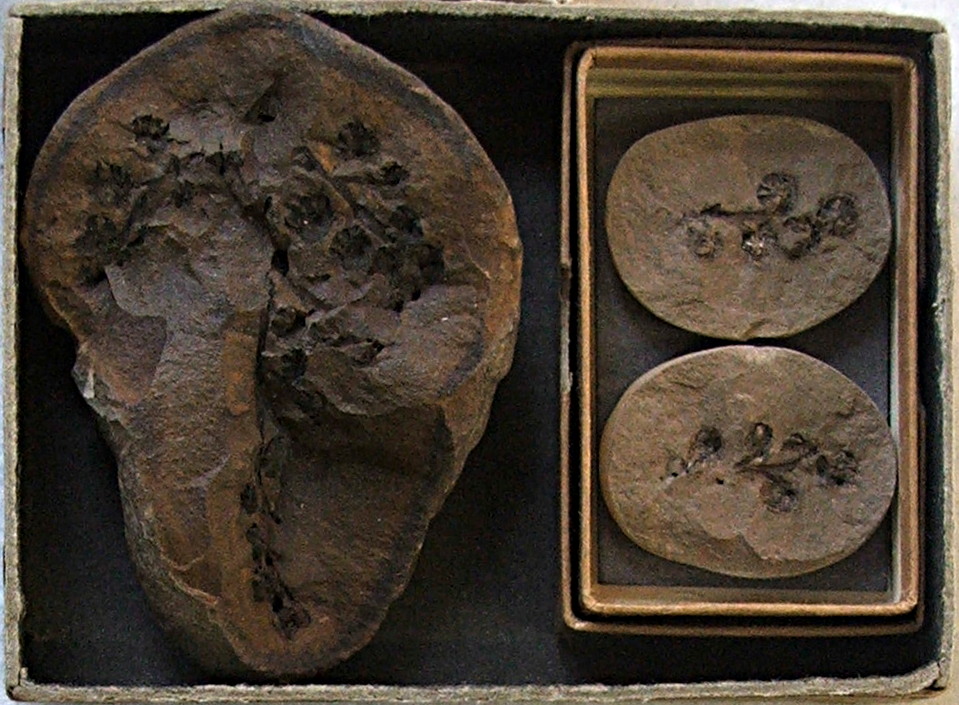
Crossotheca

Cambridge Fossils and Scientific Firsts at the Sedgwick Museum

Hidden within the Gothic Revival architecture of Cambridge University lies a treasure trove that has quietly revolutionized our understanding of life on Earth. The Sedgwick Museum of Earth Sciences stands as one of the world’s oldest geological museums, housing over two million specimens that span 4.5 billion years of Earth’s history. This isn’t just another ...

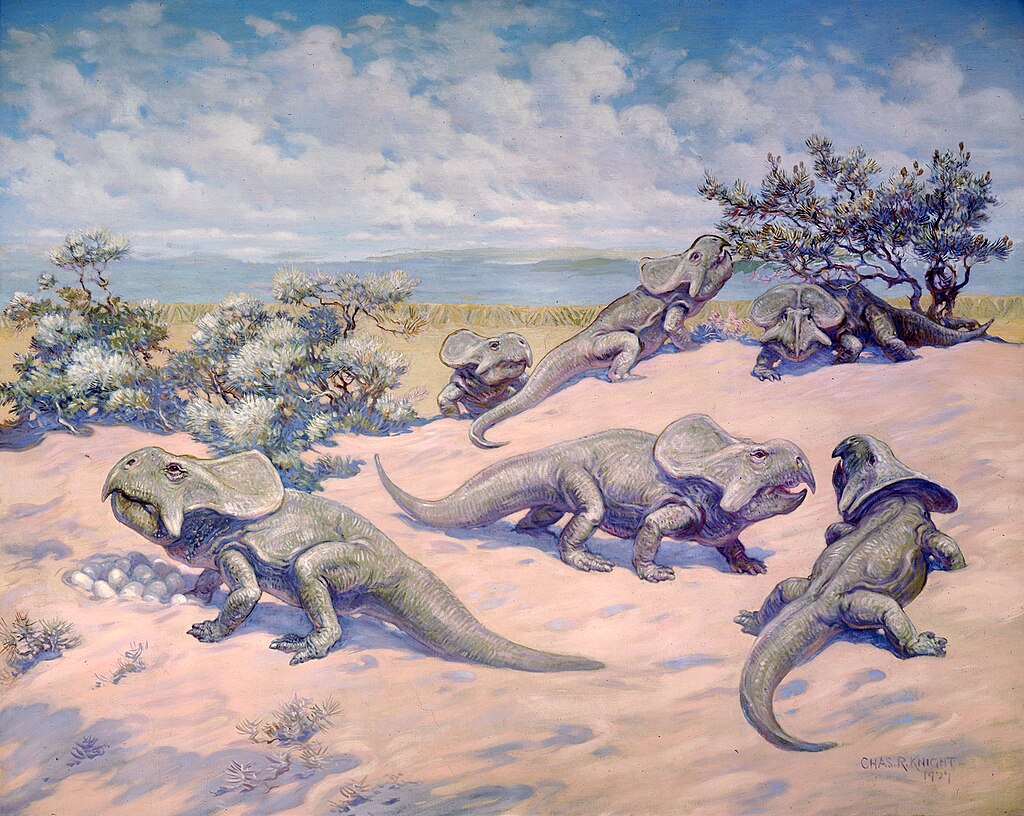
Nesting Protoceratops

Did Dinosaurs Return to the Same Place to Nest Each Year?

The nesting behaviors of dinosaurs remain one of paleontology’s most fascinating areas of study. Just as modern birds and reptiles often demonstrate site fidelity—returning to the same locations year after year to breed and nest—scientists have long wondered whether dinosaurs exhibited similar behaviors. Through careful examination of fossil evidence, nesting sites, and by drawing comparisons ...

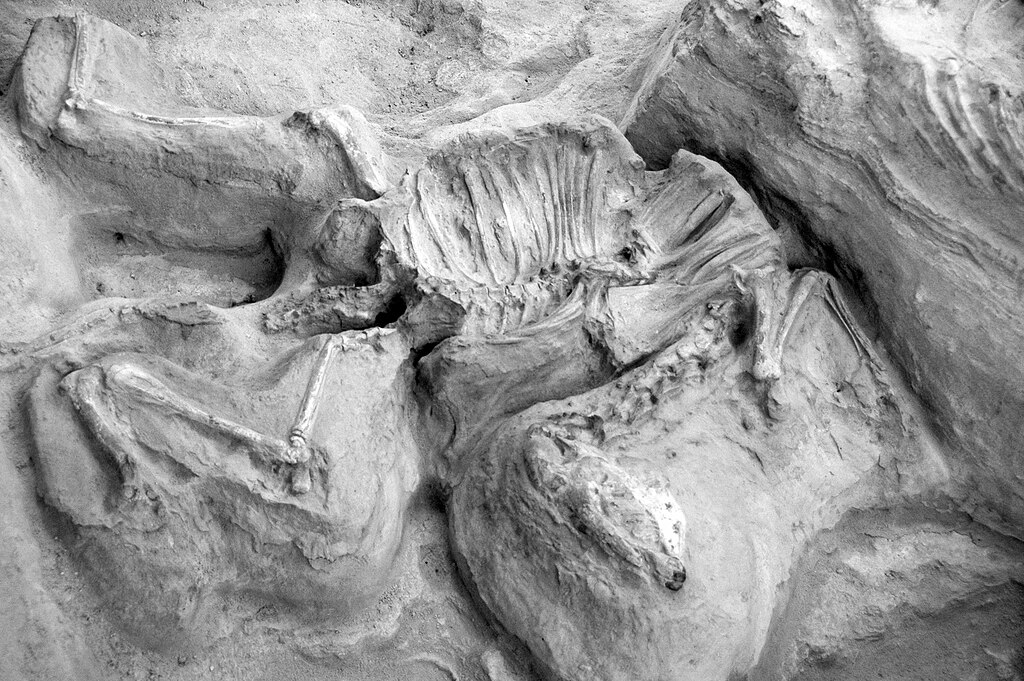
Nebraska's Ashfall Fossil Beds

What “Bone Beds” Reveal About Mass Death and Group Behavior

Scattered across the world’s geological record lie remarkable concentrations of fossilized remains known as bone beds. These dense accumulations of skeletal elements, sometimes containing thousands of individual specimens, represent frozen moments of prehistoric tragedy. Far from being mere collections of old bones, these sites offer paleontologists unique windows into ancient mass mortality events and the ...

A lit-up triceratops stands under a night sky.

Triceratops horridus: The Iconic Horned Dinosaur of North America

In the vast prehistoric landscape of Late Cretaceous North America, few dinosaurs have captured the public imagination quite like Triceratops horridus. With its distinctive three-horned face, massive shielded frill, and robust body, this herbivorous giant has become one of the most recognizable dinosaurs in scientific and popular culture alike. Discovered in the late 19th century, ...