Articles for author: Lovely Aquino

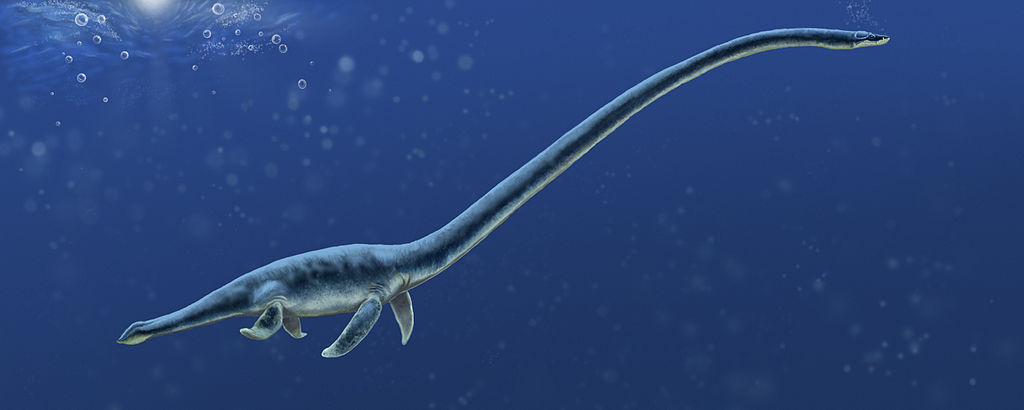
Albertonectes vanderveldei, a new elasmosaur

Elasmosaurus: The Long-Necked Wonder of the Ancient Seas

The prehistoric oceans were home to some of Earth’s most remarkable creatures, and few were as strikingly unusual as Elasmosaurus. This extraordinary marine reptile, with its impossibly long neck and streamlined body, swam through the waters of the Late Cretaceous period approximately 80.5 million years ago. As a member of the plesiosaur family, Elasmosaurus has ...
brown animal skull on brown wooden stick

Could Some Dinosaurs Have Survived the Mass Extinction?

The Cretaceous-Paleogene (K-Pg) extinction event about 66 million years ago is widely recognized as the catastrophic conclusion to the age of dinosaurs. When a massive asteroid struck what is now the Yucatán Peninsula in Mexico, it triggered a cascade of environmental changes that wiped out approximately 75% of all species on Earth, including most dinosaurs. ...

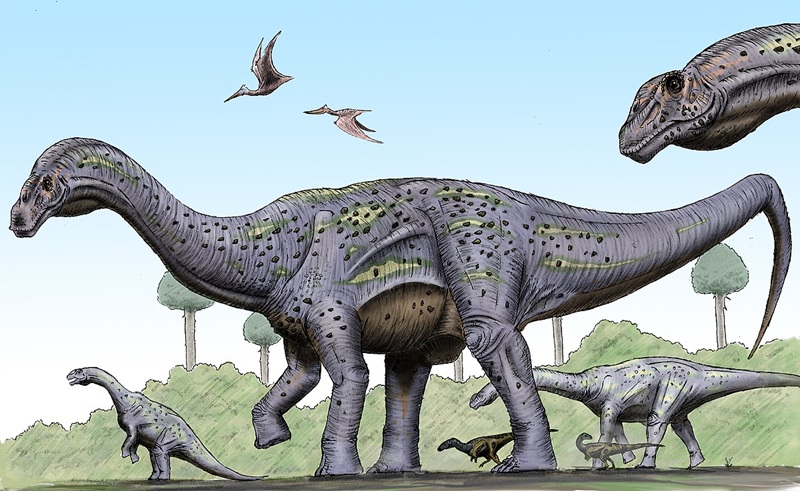
The Titanosaur

Did Dinosaurs Really Dominate Every Corner of the Earth?

When we think of dinosaurs, we often imagine these magnificent creatures ruling the entire planet during their reign. Popular culture has painted a picture of dinosaurs inhabiting every possible environment across the globe. However, the reality of dinosaur distribution is far more nuanced and fascinating than a simple story of complete domination. While dinosaurs were ...

Big Al Allosaurus

Dinosaur Detectives: How Clues in Bones Rewrite History

Dinosaurs have captivated human imagination since the first fossilized remains were scientifically recognized in the early 19th century. Yet our understanding of these magnificent creatures continues to evolve dramatically with each new discovery. Modern paleontology has transformed from simply collecting bones to a sophisticated multidisciplinary science that combines geology, biology, chemistry, and advanced imaging technologies. ...

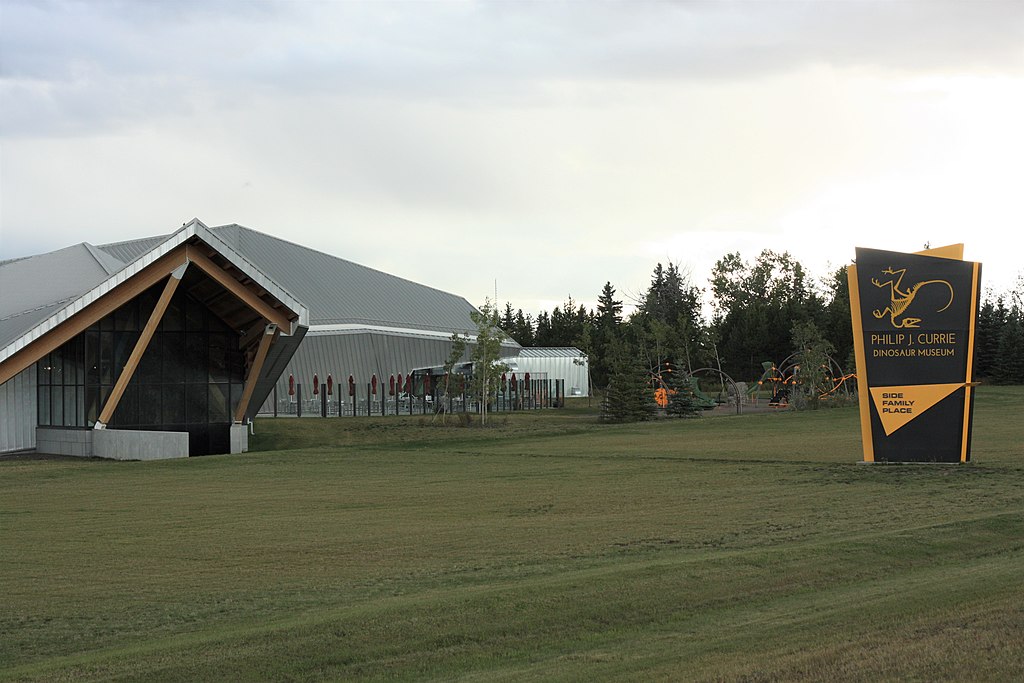
Philip J. Currie Dinosaur Museum exterior

Meet Dr. Philip Currie: The Real-Life Raptor Expert

Dr. Philip Currie stands as one of paleontology’s most distinguished figures, whose groundbreaking work with dinosaurs—particularly theropods like Velociraptors—has revolutionized our understanding of these prehistoric creatures. With a career spanning over five decades, Currie has excavated fossils across the globe, from the badlands of Alberta to the Gobi Desert. His meticulous research has helped establish ...

Nautilus pompilius

Horseshoe Crabs and Nautiluses: Living Fossils From the Dino Era

Ancient survivors from a bygone era, horseshoe crabs and nautiluses stand as remarkable living connections to Earth’s distant past. While dinosaurs vanished 65 million years ago, these extraordinary creatures endured, maintaining their prehistoric forms through countless geological upheavals. Their remarkable resilience and evolutionary stability have earned them the moniker “living fossils” – organisms that appear ...

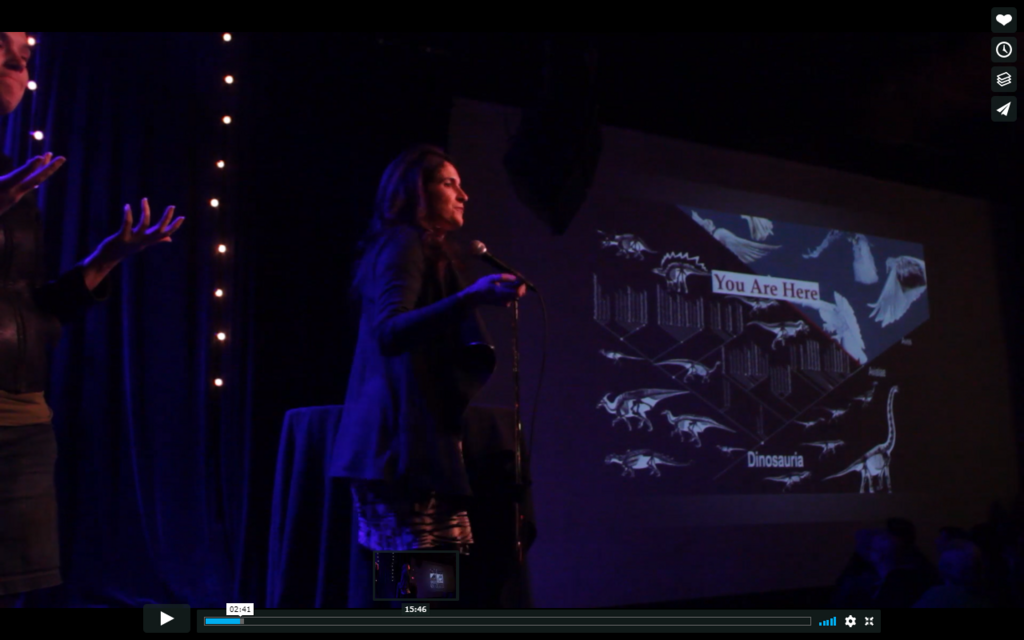
Julia Clarke talking in Texas about dinosaur colour

Dr. Julia Clarke and the Origins of the Dinosaur Voice

Deep within the annals of paleontology, few mysteries have captured the imagination quite like the sounds that once echoed from the throats of dinosaurs. For decades, these ancient vocalizations remained lost to time, confined to creative speculation in films and popular media. Enter Dr. Julia Clarke, a groundbreaking paleontologist whose revolutionary research has fundamentally transformed ...

Carbonemys Cofrinii

Were There Dinosaur-Era Turtles Bigger Than Cars?

During the age of dinosaurs, Earth was home to creatures of staggering proportions. While we often think of towering dinosaurs like Brachiosaurus or the fearsome Tyrannosaurus rex when imagining this era, other remarkable animals shared this ancient world. Among them were turtles of extraordinary size, some rivaling modern vehicles in their dimensions. These prehistoric chelonians ...

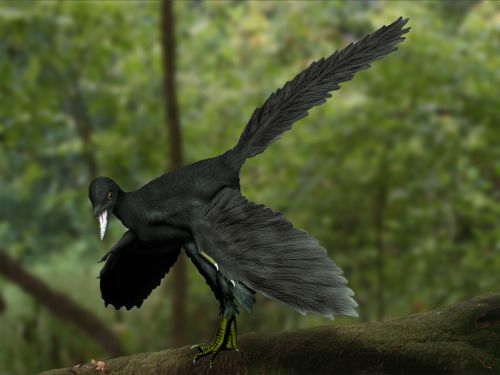
Artist's restoration of Archaeopteryx

The Evolutionary Leap: How Tiny Dinosaurs Took to the Skies

The transformation of dinosaurs into birds represents one of the most fascinating evolutionary journeys in Earth’s history. This remarkable transition from earth-bound reptiles to masters of the air didn’t happen overnight but unfolded across millions of years through countless incremental adaptations. Today’s birds—with their hollow bones, feathered bodies, and remarkable flight capabilities—are living dinosaurs, the ...