Articles for author: Lovely Aquino

a small herd of Edmontosaurus regalis as they produce tracks in a riverine setting

Dinosaur Migration: How Far Did They Roam?

When we think of dinosaurs, we often picture these magnificent creatures as static figures frozen in time, but in reality, dinosaurs were dynamic beings with complex behaviors, including extensive migration patterns. Recent paleontological discoveries have revolutionized our understanding of dinosaur movement across ancient landscapes. By examining fossil evidence, trackways, and applying modern technologies like isotope ...

white printer paper on black table

Repatriating Fossils: Should Countries Take Back Their Prehistoric Past?

The debate surrounding the repatriation of fossils has intensified in recent years, challenging museums, researchers, and governments to reconsider who rightfully owns the remnants of Earth’s prehistoric life. These ancient remains—some millions of years old—carry scientific significance and cultural meaning that transcend modern political boundaries. As countries increasingly demand the return of fossils excavated from ...

Model of a Sauropodomorpha, archeological area of Árbol de Igea, Igea, La Rioja, Spain

How Did Dinosaurs Evolve from Earlier Species?

The story of dinosaur evolution is one of the most fascinating chapters in Earth’s history, spanning millions of years of gradual adaptation and diversification. These magnificent creatures didn’t simply appear on our planet fully formed, but rather emerged through a complex evolutionary process from earlier reptilian ancestors. Their rise to dominance represents one of the ...

Deccan Traps volcano

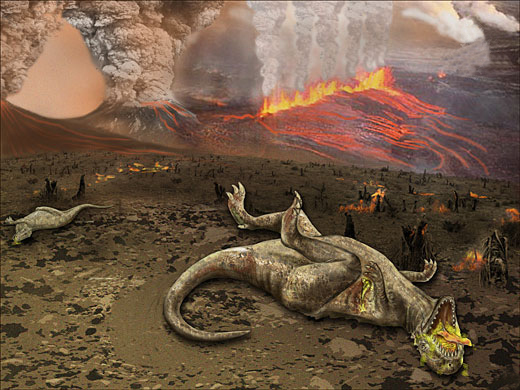
No, Dinosaurs Didn’t All Die at Once

The extinction of dinosaurs represents one of Earth’s most dramatic chapters, often portrayed in popular media as a catastrophic event that simultaneously wiped out all dinosaurs. However, this simplified narrative fails to capture the complex reality revealed by decades of paleontological research. The truth about dinosaur extinction involves a nuanced timeline, varying patterns across different ...

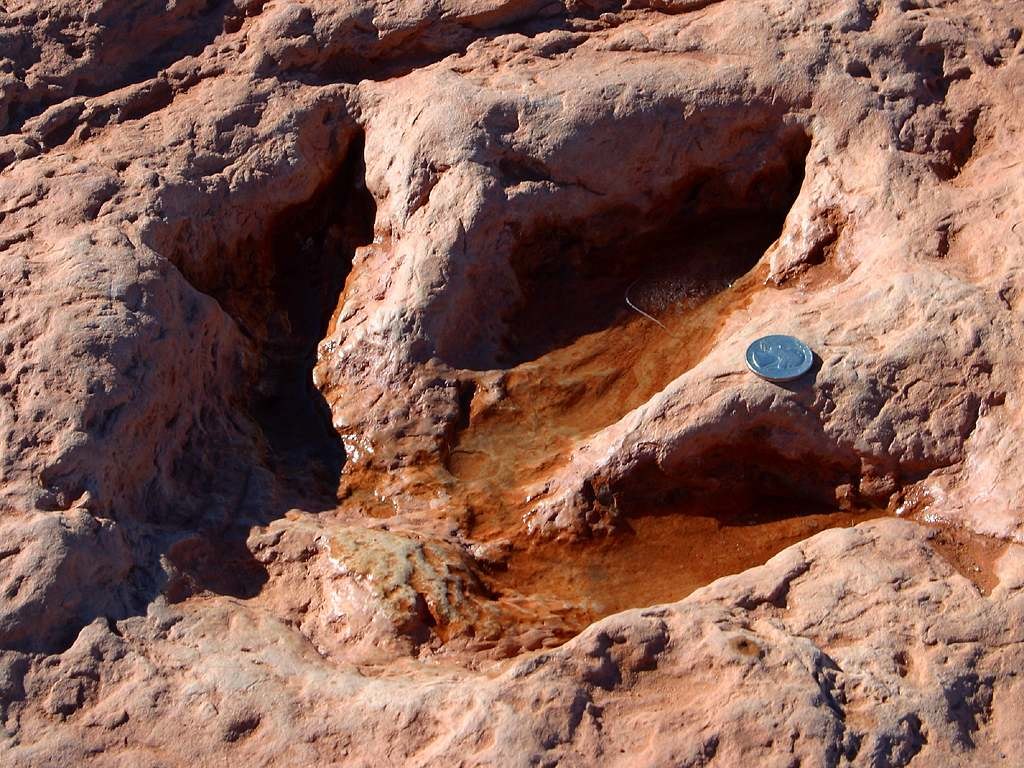
Dinosaur track

10 Places Where You Can See Dinosaur Footprints in Real Life

Imagine standing in the same spot where, millions of years ago, a massive dinosaur once walked. Dinosaur footprints offer a tangible connection to Earth’s prehistoric past, serving as natural time capsules that have survived for eons. Unlike fossils displayed in museums, these tracks remain in their original locations, providing context about how these magnificent creatures ...

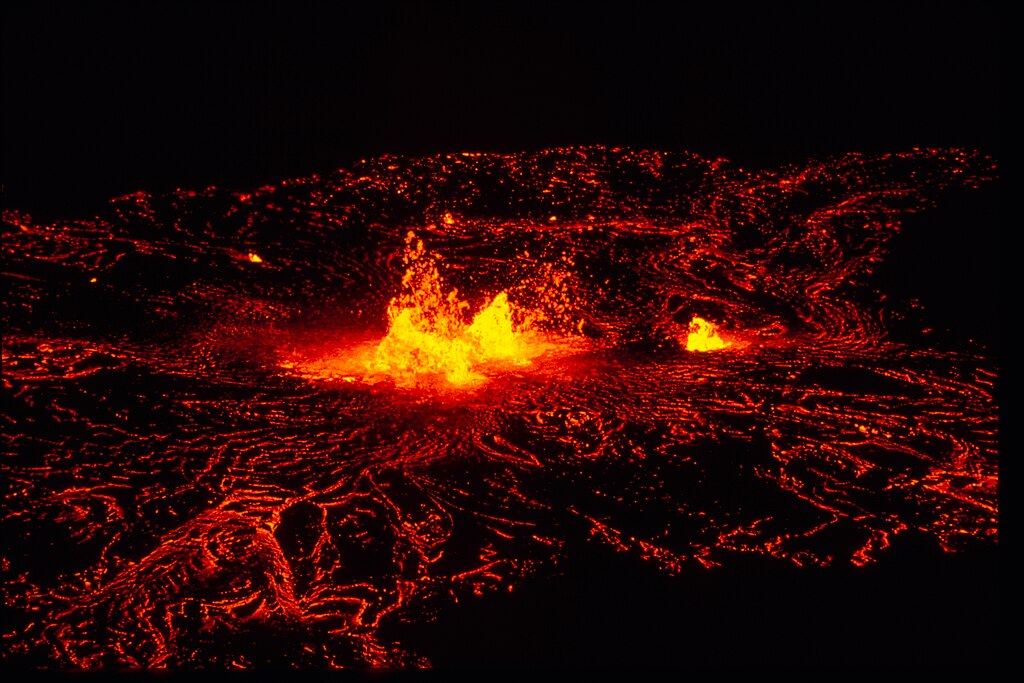
Hawai‘i Volcanoes National Park displays the results of 70 million years of volcanism, migration, and evolution

The Ring of Fire That Shaped the Cretaceous

The Cretaceous Period, spanning from approximately 145 to 66 million years ago, represents one of Earth’s most dramatic chapters. During this time, our planet experienced unprecedented volcanic activity along what geologists now call the “Cretaceous Ring of Fire” – a vast horseshoe-shaped belt of intense volcanic and tectonic activity that encircled much of the Pacific ...

model of Nigersaurus taqueti

The Dinosaur With 500 Teeth (and the Internet Meme Behind It)

Paleontology often captures public imagination through remarkable discoveries and fascinating prehistoric creatures. Among these, few have generated as much online attention as Nigersaurus taqueti, a dinosaur that became known colloquially as “the dinosaur with 500 teeth.” What began as a scientific curiosity transformed into an internet phenomenon, spawning memes and controversy. This article explores both ...

A styled flat lay of travel essentials including a map, camera, and binoculars.

Archaeoraptor: The Fossil That Embarrassed National Geographic

In the ever-evolving world of paleontology, few incidents have garnered as much controversy and cautionary significance as the Archaeoraptor saga. Dubbed “the Piltdown Bird” by some scientists, this composite fossil fabrication represented a perfect storm of scientific eagerness, insufficient verification processes, and the high-stakes world of fossil collecting. When National Geographic proudly announced this “missing ...

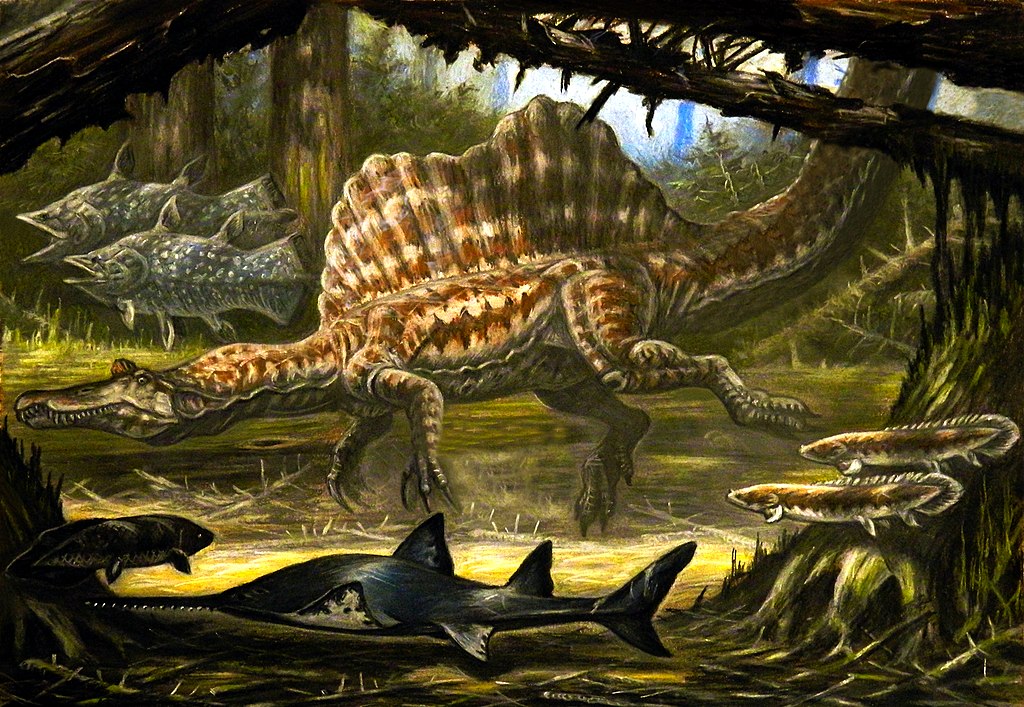
The mystery of how Spinosaurus moved, both on land and in water, continues to spark heated debates among paleontologists, with each new discovery offering fresh insights into its unique biology.

When Dinosaurs Lived Beside Giant Rivers and Deltas

The Mesozoic Era, spanning from 252 to 66 million years ago, witnessed the reign of dinosaurs across landscapes dramatically different from those we know today. Among the most biologically productive and ecologically significant environments of this period were the massive river systems and sprawling deltas that crisscrossed prehistoric continents. These dynamic waterways not only shaped ...