Articles for author: Awais Khan

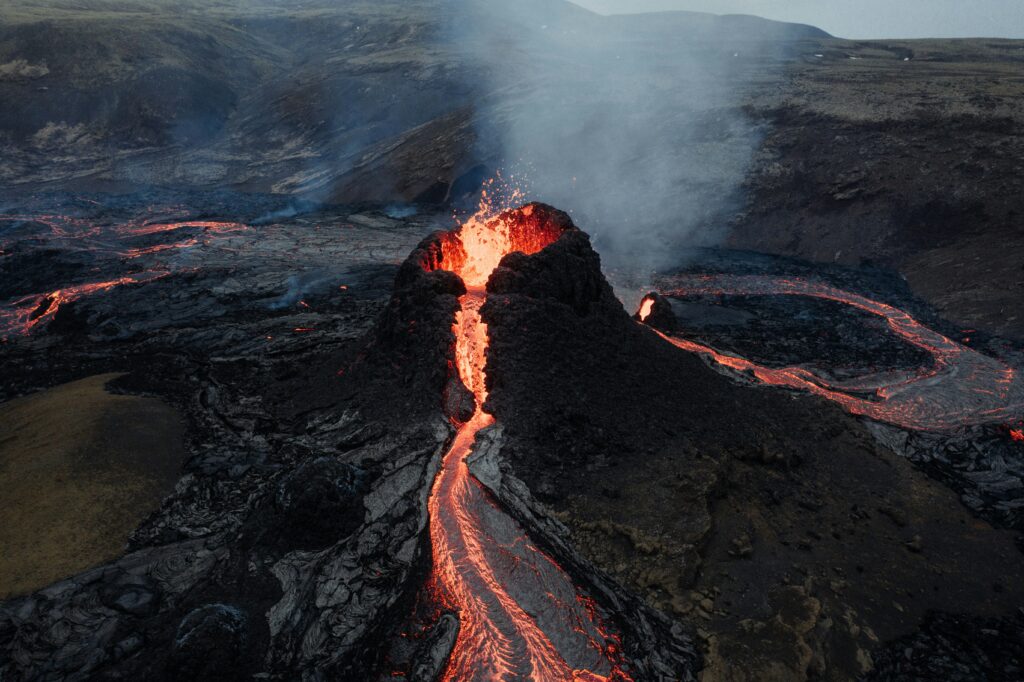
Aerial view of an active volcano spewing bright lava down its dark slopes, surrounded by barren, rocky terrain. Smoke rises, creating a dramatic scene.

Volcanoes, Oxygen, and CO₂: How Ancient Atmospheres Impacted Dino Life

When dinosaurs ruled Earth, our planet’s atmosphere differed drastically from today’s air. This ancient atmosphere, shaped by volcanic eruptions, fluctuating oxygen levels, and carbon dioxide concentration, created the environmental conditions that allowed dinosaurs to thrive for over 165 million years. Through examining geological evidence and fossil records, scientists have pieced together how these atmospheric factors ...
The discovery of marine fossils alongside dinosaur remains illuminates the complex ecological connections that existed between terrestrial and marine environments during the Mesozoic Era.

What If Dinosaurs Had Become Aquatic?

The story of Earth’s prehistoric giants took a dramatic turn 66 million years ago when a catastrophic asteroid impact triggered mass extinction, wiping out non-avian dinosaurs and allowing mammals to diversify and thrive. But what if evolution had taken a different path? What if dinosaurs, facing environmental pressures, had adapted to aquatic environments instead of ...

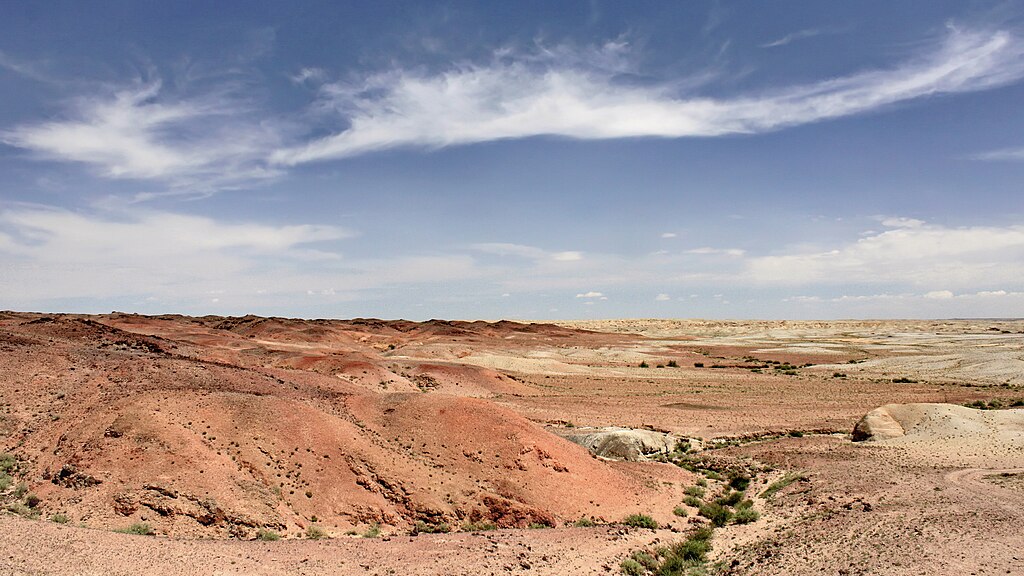
the Gobi region where Saichania roamed

Fossil Hotspots Around the World and Why They Keep Delivering

The Earth’s geological record serves as a vast library of past life, with certain locations emerging as exceptional chapters in this planetary narrative. These fossil hotspots—areas with extraordinary concentrations of well-preserved remains—continue to unveil the mysteries of ancient organisms and ecosystems. From Canadian mountainsides revealing the earliest complex animals to Mongolian deserts yielding spectacular dinosaur ...

Dr. Thomas Holtz & Team

Dr. Thomas Holtz: How a T-Rex Expert Changed Public Perception

Dr. Thomas Holtz Jr. stands as one of paleontology’s most influential figures, particularly in transforming how the public views Tyrannosaurus rex and other theropod dinosaurs. As a Principal Lecturer at the University of Maryland’s Department of Geology, Holtz has dedicated his career to unveiling the mysteries of prehistoric predators while simultaneously making paleontological science accessible ...

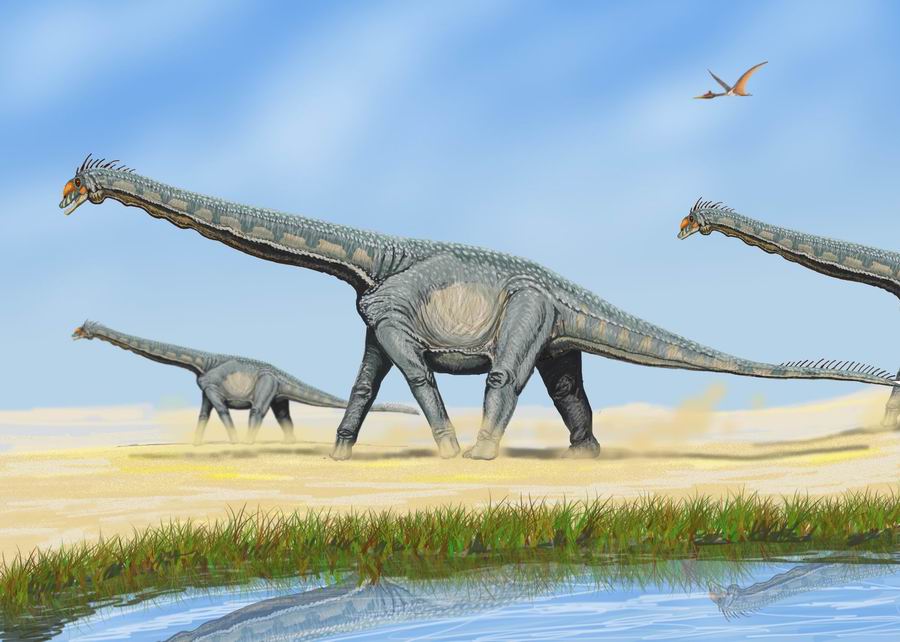
Illustration of large dinosaurs with long necks walking in a sandy landscape. A pterosaur flies in the blue sky, and grass grows near a water body.

7 Paleoartists Who Bring Extinct Creatures Back to Life in Stunning Detail

The fascinating field of paleoart bridges science and imagination, allowing us to visualize creatures that vanished millions of years ago. These skilled artists combine rigorous scientific knowledge with creative vision to bring extinct animals back to life through illustrations, sculptures, and digital renderings. Far from mere fantasy, their work is grounded in fossil evidence, comparative ...

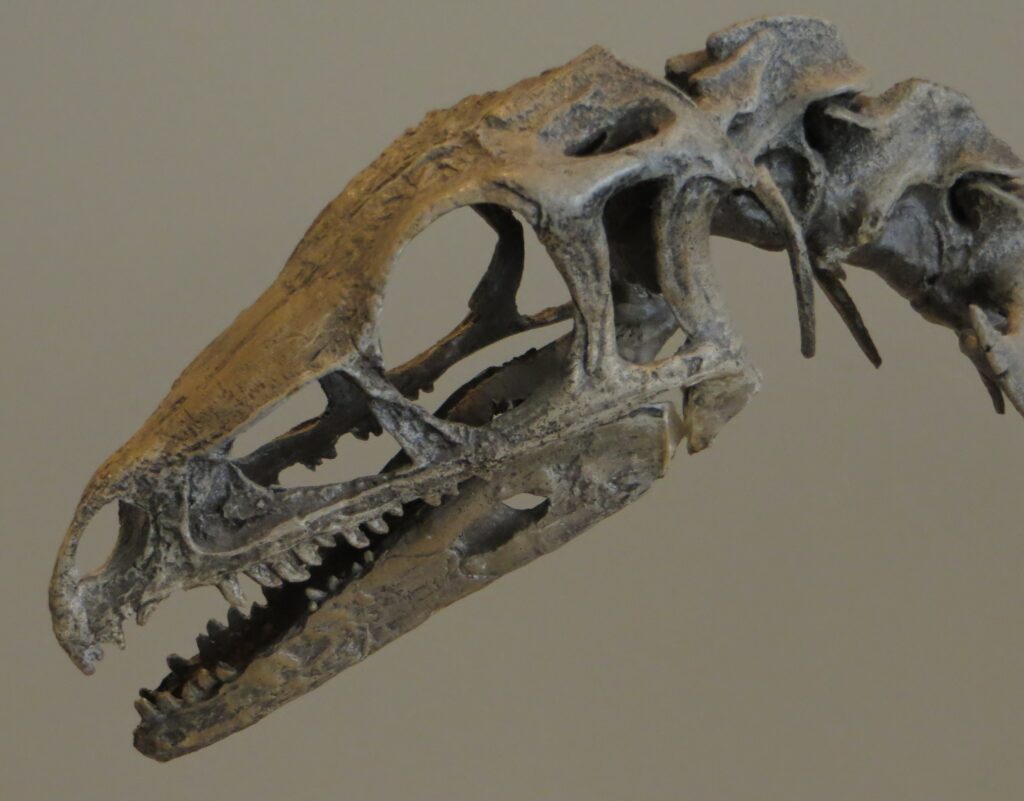
Fossilized dinosaur skull with sharp teeth and hollow eye sockets. The weathered gray bone highlights intricate jaw and cranial features against a beige background.

How Tooth Shape Helps Identify a Dinosaur’s Diet

Paleontologists have long been fascinated by the dietary habits of dinosaurs, and one of the most revealing clues lies right in their mouths. Dinosaur teeth, much like those of modern animals, evolved specific shapes and structures that perfectly matched their feeding strategies. These dental adaptations provide scientists with crucial information about what these prehistoric creatures ...

A realistic dinosaur figurine stands on a rocky terrain under bright sunlight, against a backdrop of desert cliffs and sparse vegetation, evoking a prehistoric ambiance.

How Paleontologists Recreate Prehistoric Environments From Rock Layers

Beneath our feet lies an ancient archive – rock layers that store the Earth’s biography spanning billions of years. Within these stratified pages, paleontologists find remarkable evidence allowing them to reconstruct environments that vanished millions of years ago. This scientific detective work transforms seemingly mundane sediments and fossils into vivid panoramas of prehistoric landscapes. By ...