Articles for category: Dinosaur Science & Theories

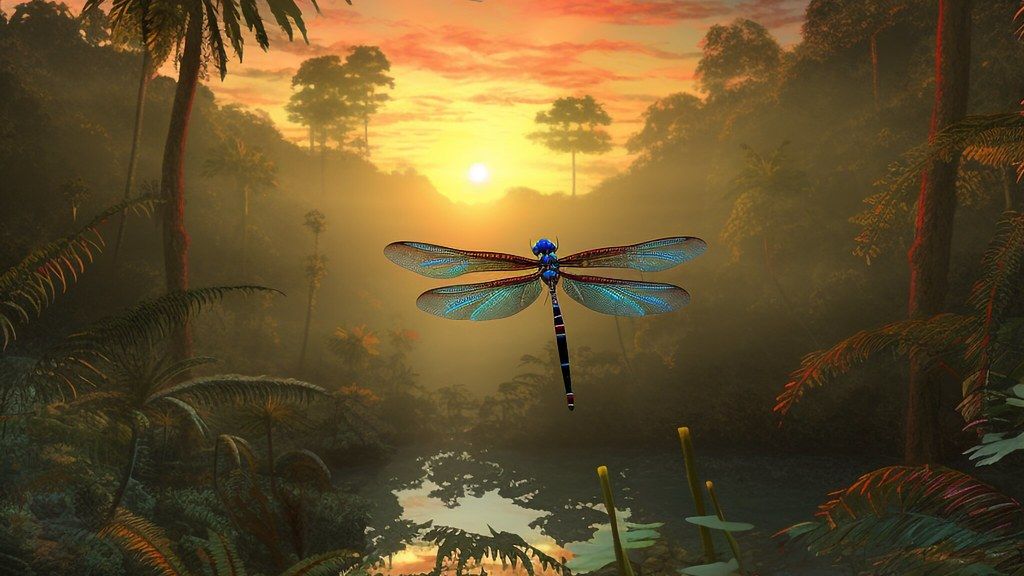
Microraptor's aerodynamic feathers hint at gliding or even early flight, soaring through prehistoric skies.

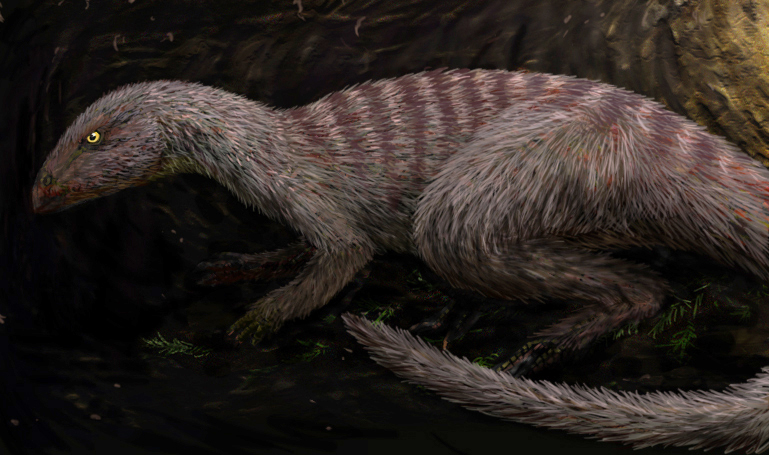
Were Some Dinosaurs Nocturnal? Clues From Fossil Eyes

When we imagine dinosaurs, we typically picture them basking in prehistoric sunlight, hunting and grazing during daylight hours. However, recent scientific research challenges this assumption, suggesting that the temporal niches of dinosaurs may have been far more diverse than previously thought. By examining fossilized eye structures and comparing them with modern animals, paleontologists have begun ...

Toy dinosaurs in bright colors are displayed on a light surface. A prominent orange dinosaur is in focus, surrounded by yellow and green figures. Playful mood.

Could Some Dinosaurs Have Glowed in the Dark?

The world of paleontology continues to evolve with fascinating new discoveries challenging our understanding of dinosaurs. Among the most intriguing recent hypotheses is the possibility that some dinosaur species may have possessed bioluminescent capabilities—essentially, they might have glowed in the dark. This concept, once relegated to the realm of science fiction, has gained scientific traction ...

Sauropods like Diplodocus packed giant stomachs

The Evolutionary Mystery of Why Dinosaurs Grew So Big

Dinosaurs have captivated our imagination for centuries, but perhaps nothing is more awe-inspiring than their sheer size. The largest dinosaurs dwarfed modern elephants by factors of ten or more, reaching dimensions that seem almost impossible by today’s standards. Paleontologists have long been fascinated by the evolutionary drivers behind this gigantism – what selective pressures and ...

Beaks in Today’s World

Did Dinosaurs Sleep Like Modern Birds or Something Weirder

The mystery of dinosaur sleep has puzzled paleontologists for decades. While fossils preserve the shape and structure of these magnificent creatures, behavioral aspects like sleep patterns remain largely speculative. Modern birds—the living descendants of dinosaurs—offer tantalizing clues, but the truth may be far stranger than we imagine. Recent discoveries and innovative research techniques are beginning ...

Dinosaur Bones in Your Backyard

Can You Really Dig Up Dinosaur Bones in Your Backyard

The idea of stumbling upon prehistoric treasure in your own backyard has captivated the imagination of both children and adults for generations. While countless movies and books have romanticized the notion of amateur fossil hunting, the reality of finding dinosaur bones while gardening or digging a pool is considerably more complex. This article explores the ...

Fossilized dinosaur eggs labeled "Dendroolithus sp" on display, with a background sign indicating Late Cretaceous from Xixia, Henan, China.

Could Dinosaurs Have Built Nests Like Modern Birds?

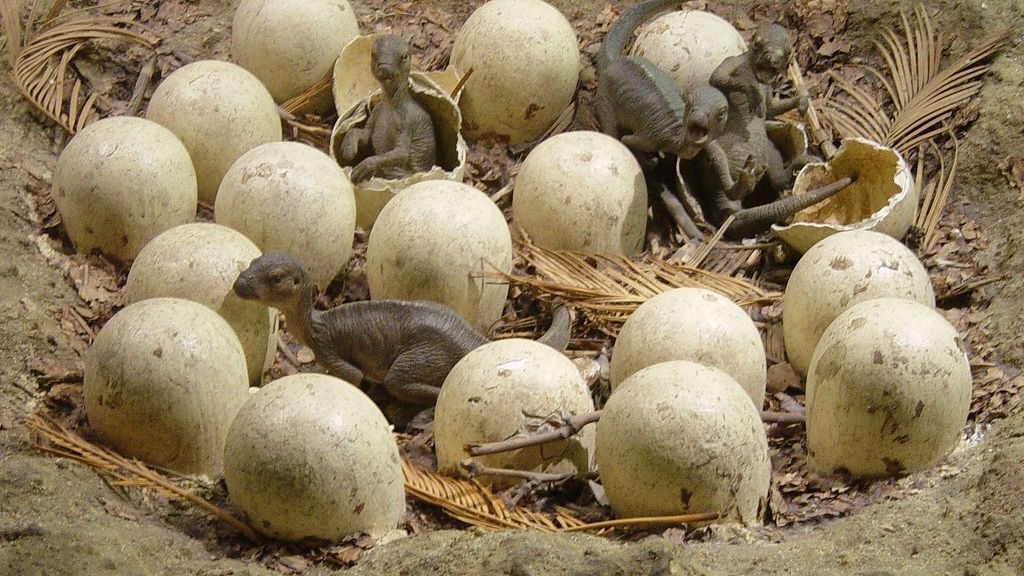
When we observe a robin constructing its nest or watch an eagle arrange sticks high in a treetop, we’re witnessing behaviors that evolved over millions of years. These nesting behaviors didn’t appear suddenly with modern birds—they have deep evolutionary roots stretching back to the time of dinosaurs. The remarkable similarities between bird nests and fossilized ...

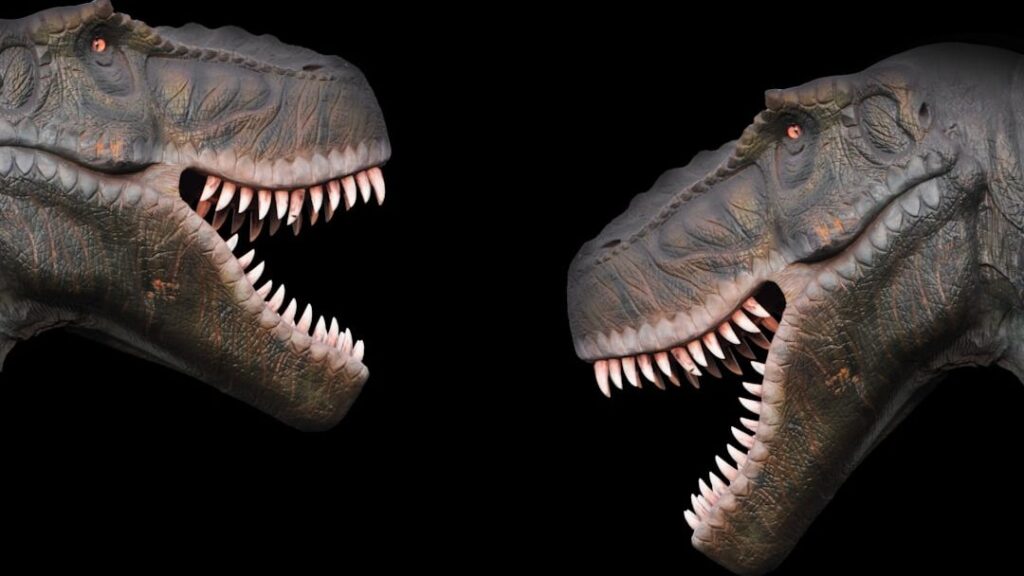
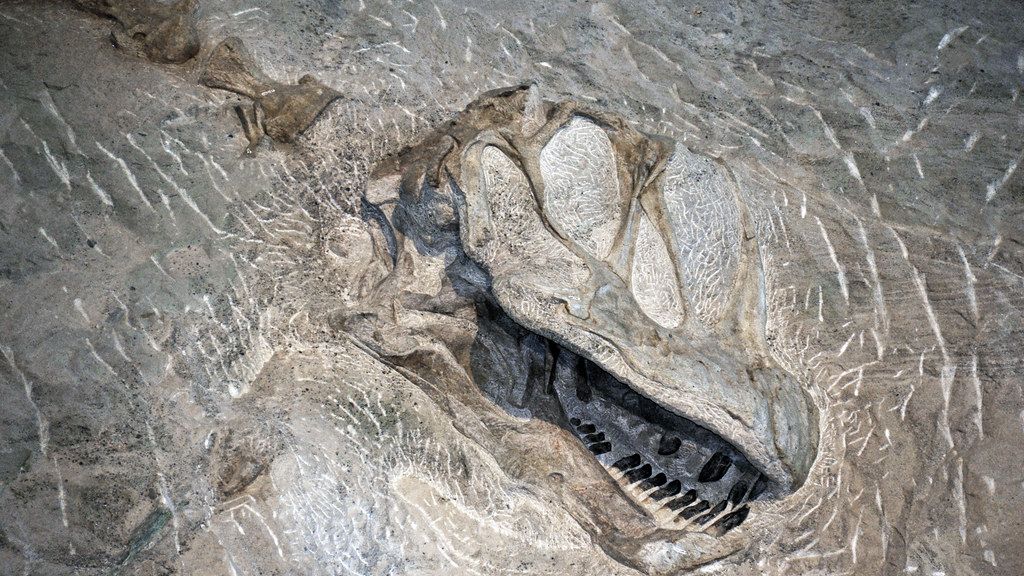
Allosaurus, with its blade-like teeth, functional arms, and sleek build, epitomized the peak of Jurassic predatory evolution.

Meat-Eaters Compared: Velociraptor vs. Allosaurus

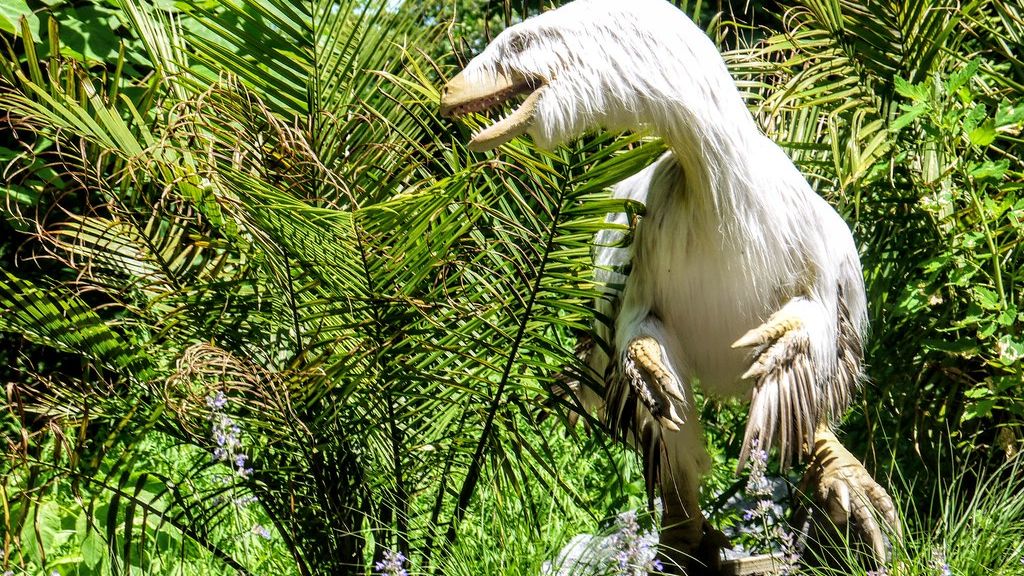
The prehistoric world was dominated by fearsome predators that have captured our imagination since the first dinosaur fossils were discovered. Among these ancient hunters, Velociraptor and Allosaurus stand out as iconic carnivores, though they lived millions of years apart and employed distinctly different hunting strategies. While popular culture often depicts these dinosaurs inaccurately, paleontological evidence ...