Articles for category: Dinosaur Science & Theories

Jurassic Fiction: What the Movie Got Wrong About Genetics

Jurassic Fiction: What the Movie Got Wrong About Genetics

When Jurassic Park hit theaters in 1993, it didn’t just revolutionize special effects – it also brought cutting-edge genetics into mainstream conversation. The film’s premise seemed tantalizingly plausible: extract dinosaur DNA from ancient mosquitos trapped in amber, fill in the gaps with frog genes, and voilà – bring extinct creatures back to life. But three ...
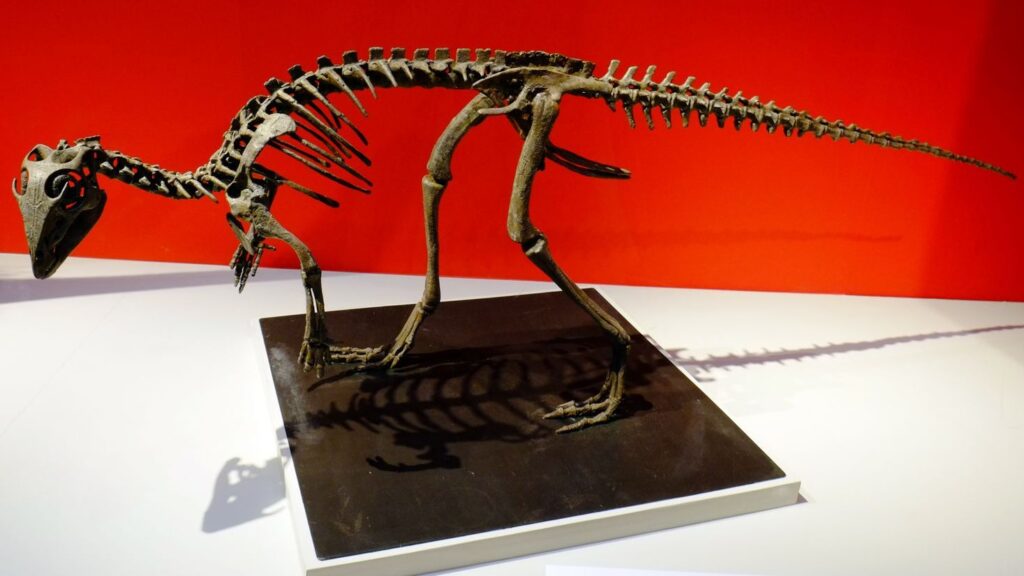
Inaccurate Dinosaur Toys Ever Produced

Painting Dinosaurs With Feathers Before Feathers Were Confirmed

When we think of dinosaurs, our mental images have evolved dramatically over the decades. From lumbering, lizard-like beasts to dynamic, bird-like creatures, the artistic representation of dinosaurs reflects both scientific understanding and creative speculation. One of the most fascinating chapters in this visual evolution involves artists who daringly depicted dinosaurs with feathers long before paleontological ...

Shaximiao Formation dinosaurs

Were There Dinosaur Species We’ll Never Discover?

The fossil record provides our only window into the incredible diversity of dinosaurs that once ruled our planet. For nearly two centuries, paleontologists have unearthed, cleaned, and catalogued thousands of specimens, revealing creatures that defy imagination. Yet despite these remarkable discoveries, scientists have long suspected that our knowledge represents merely a fraction of dinosaur species ...

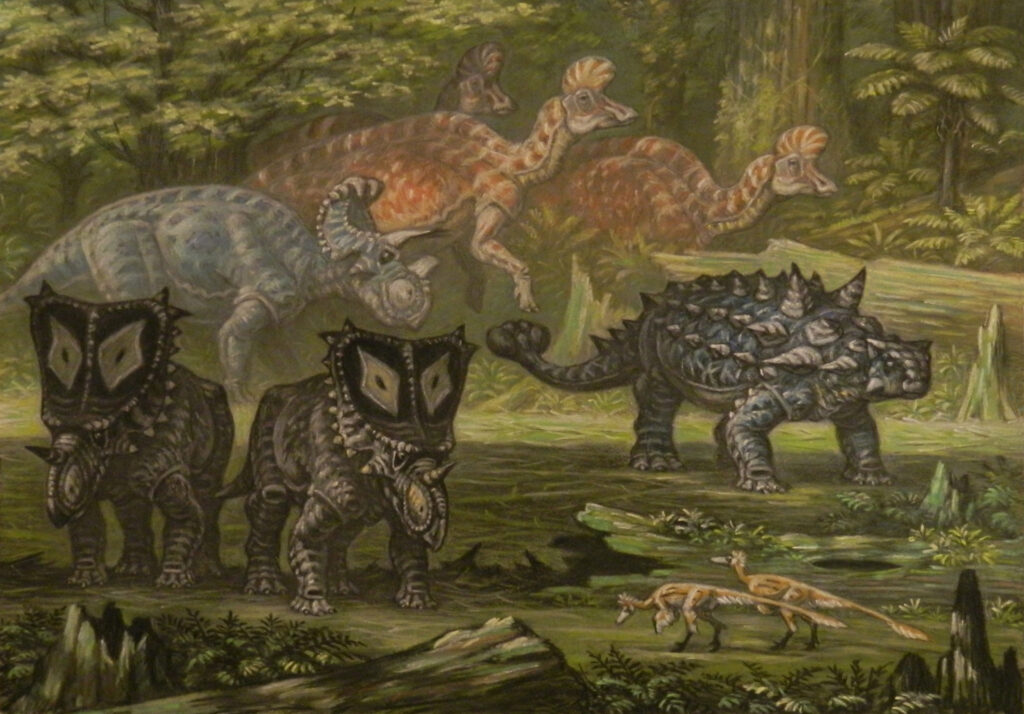
A prehistoric scene features two horned dinosaurs with shield-like frills, a spiky armored dinosaur, and two smaller dinosaurs, set in a lush, green forest.

How Dinosaurs Shared Their World With Early Mammals

In the popular imagination, dinosaurs ruled the Earth alone for millions of years before mammals emerged after their extinction. However, paleontological evidence tells a far more fascinating story – one where our distant mammalian ancestors coexisted with dinosaurs for over 150 million years. This prolonged shared history represents one of the most intriguing chapters in ...

Illustration of a Pterosaur perched on a rocky terrain. It features long wings, a pointed beak, and is set against a rugged, stone background.

The Evolution of Bird Beaks From Raptors to Parakeets

Bird beaks, also known as bills, represent one of nature’s most remarkable examples of adaptive evolution. These specialized structures have diversified into an astonishing array of shapes and sizes, each finely tuned to a specific ecological niche. From the powerful curved beaks of eagles capable of tearing flesh to the delicate curved bills of hummingbirds ...