Articles for category: Dinosaur Science & Theories

5 Reasons Why Dinosaurs Dominated (While Others Vanished)

5 Reasons Why Dinosaurs Dominated (While Others Vanished)

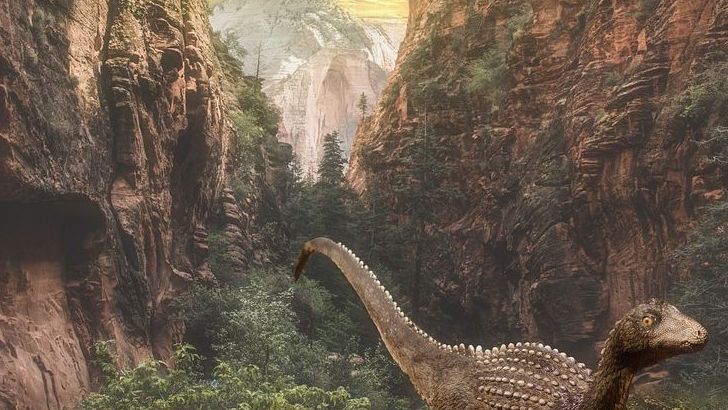
Picture this: for over 160 million years, dinosaurs absolutely ruled the Earth. While countless other species came and went, these remarkable creatures maintained their dominance across three entire geological periods. But here’s the fascinating twist that most people don’t realize – dinosaurs weren’t always the kings of the prehistoric world. They started as small, scrappy ...

Gobi Desert landscape. Dornogovi Province, Mongolia

Dinosaurs in the Desert: How They Survived Harsh Climates

Imagine vast stretches of scorching sand, minimal water sources, and extreme temperature fluctuations – conditions that challenge even today’s most adapted desert creatures. Yet, millions of years ago, various dinosaur species not only survived but thrived in these harsh desert environments. The discovery of dinosaur fossils in what were once ancient deserts has opened fascinating ...

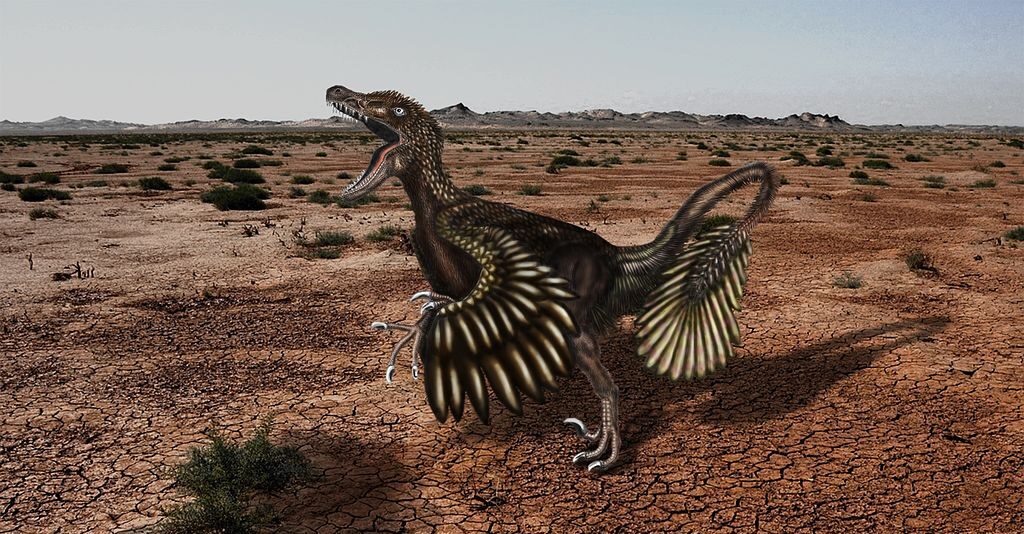
Velociraptor Mongoliensis Painting

The Split Between Bird-Hipped and Lizard-Hipped Dinosaurs Explained

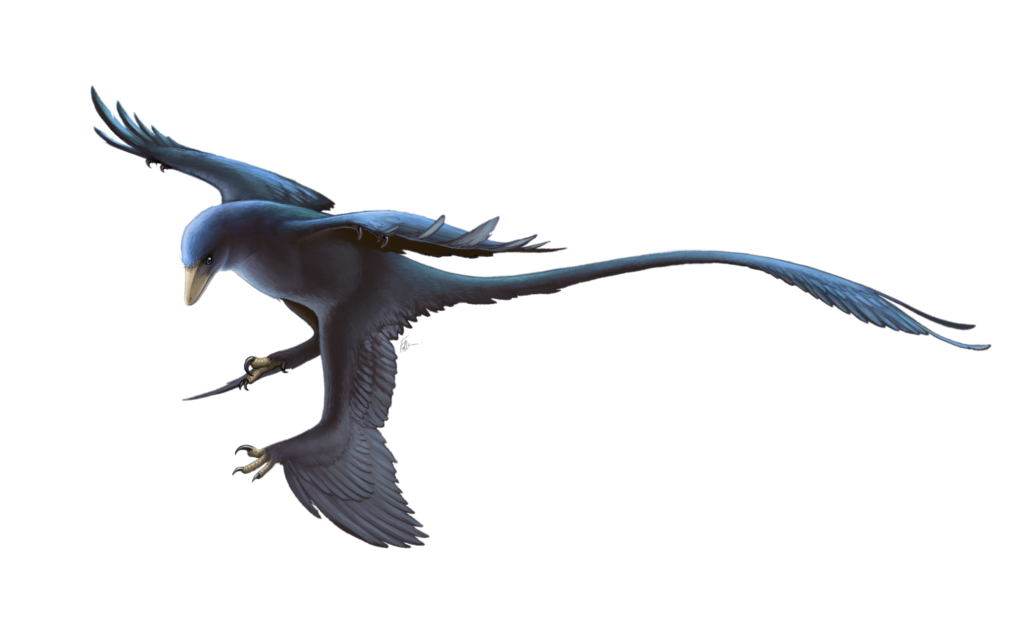
The dinosaur family tree represents one of paleontology’s most fascinating classification challenges. At its core lies a fundamental division that has shaped our understanding of dinosaur evolution for over a century: the split between bird-hipped (Ornithischia) and lizard-hipped (Saurischia) dinosaurs. This division, established in 1887 by Harry Govier Seeley, remains central to dinosaur taxonomy despite ...

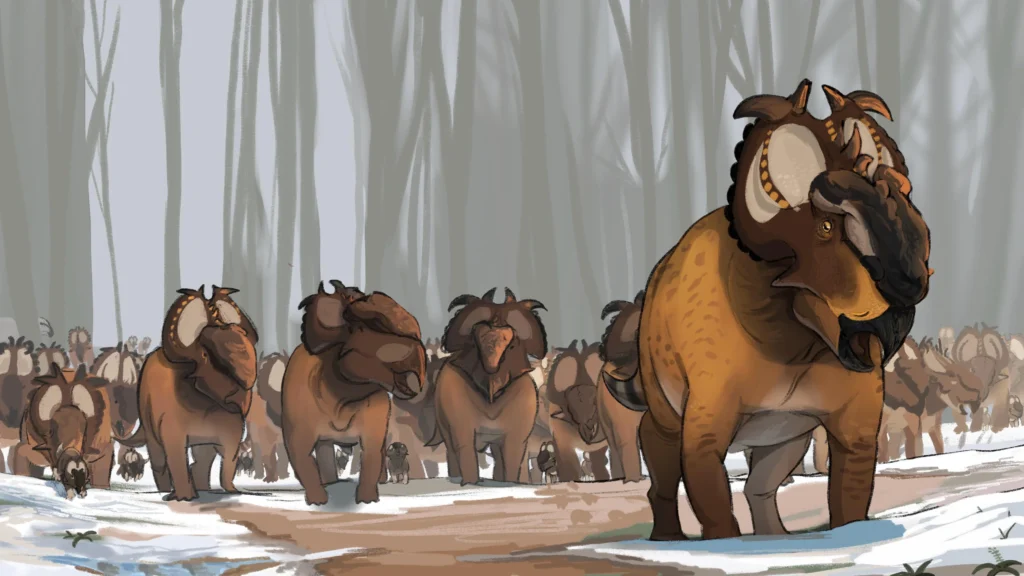
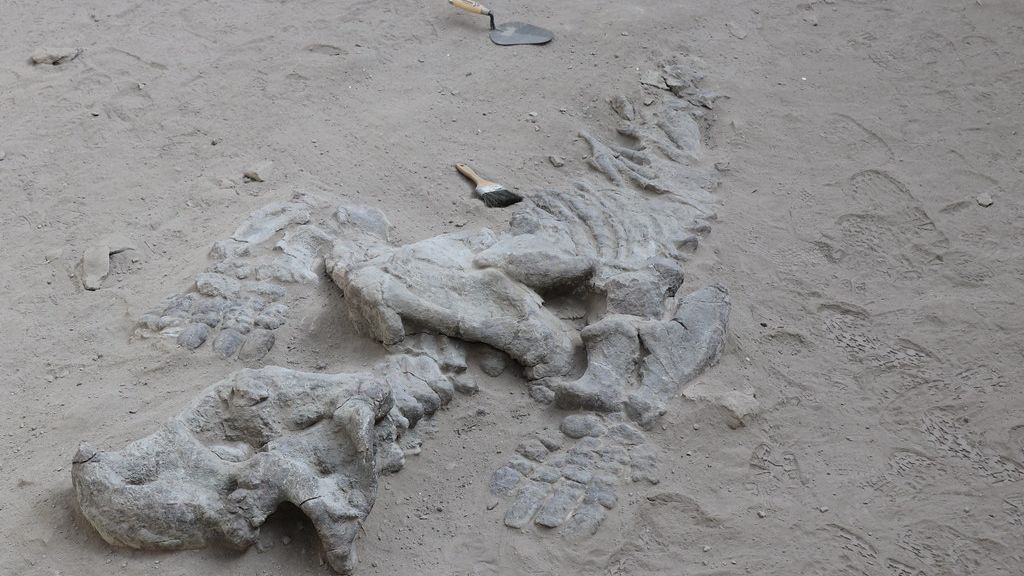
Dinosaur Migration: Tracking the Journeys of Earth's Ancient Wanderers

Dinosaur Migration: Tracking the Journeys of Earth’s Ancient Wanderers

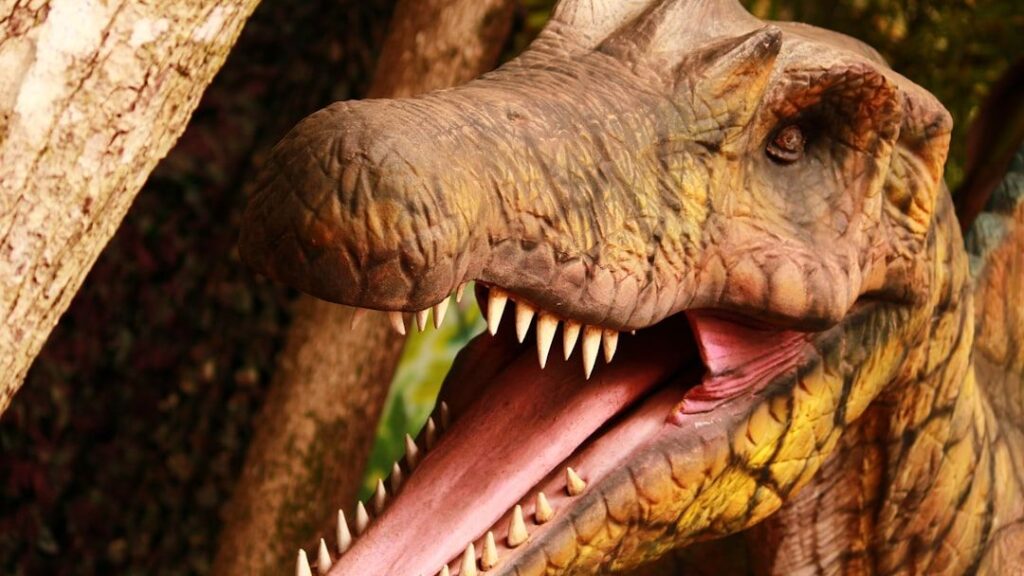
Picture a line of gigantic sauropods stretching across the horizon, their silhouettes fading into volcanic haze, walking not for minutes or days, but for seasons on end. The idea that dinosaurs migrated like modern caribou or wildebeest feels almost cinematic, yet it is increasingly supported by real, stubborn pieces of evidence preserved in rock. When ...