Articles for category: Dinosaur Science & Theories

Powerful Biters in Evolutionary History

What Dinosaurs Ate And What That Says About Them

The dietary habits of dinosaurs offer us a fascinating window into their lives, behaviors, and evolutionary adaptations. For over 165 million years, these remarkable creatures dominated Earth’s terrestrial ecosystems, evolving diverse feeding strategies that shaped their physical characteristics and ecological roles. By examining fossil evidence, tooth morphology, digestive adaptations, and comparative anatomy with modern animals, ...
Prehistoric Sharks and Ancient Terror

Inside the Jurassic Aquarium: Incredible Creatures of Prehistoric Seas

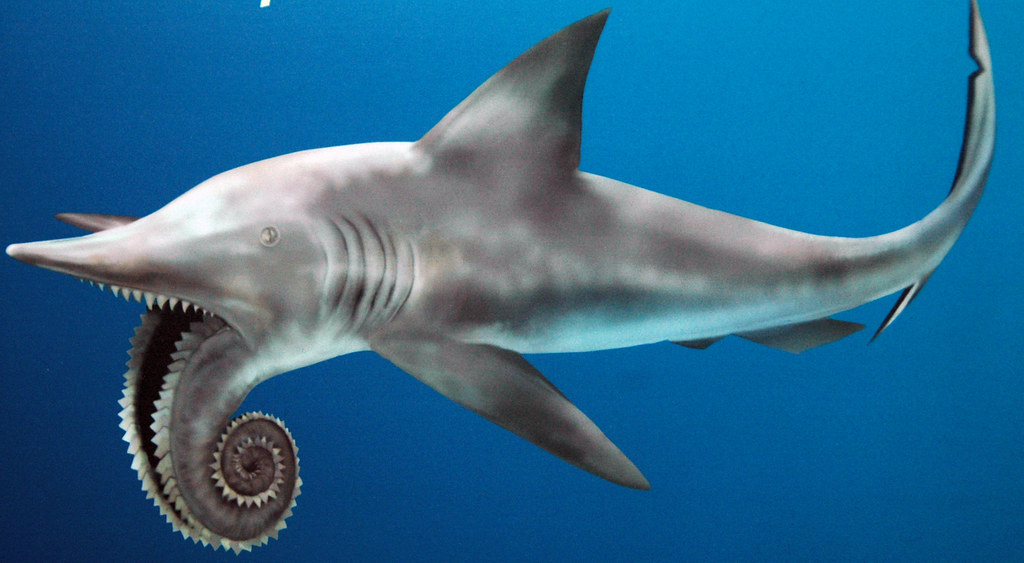
Picture yourself floating through crystal-clear waters two hundred million years ago. The sun filters down through waves, illuminating a world completely different from today’s oceans. You’re witnessing what scientists now call the Jurassic aquarium – an underwater realm where massive marine reptiles rule the seas, enormous spiral shells drift like living submarines, and razor-toothed predators ...

Edward Hicks, American - Noah's Ark - Google Art Project

Did Noah’s Flood Leave Dinosaur Fossils Behind? The 19th-Century Debate

The 19th century was a pivotal period in the history of science, witnessing the collision between traditional biblical interpretations and emerging geological discoveries. As paleontologists unearthed increasingly numerous dinosaur fossils across Europe and North America, a fascinating intellectual battle ensued. Religious scholars, naturalists, and early geologists engaged in heated debates about whether these prehistoric remains ...

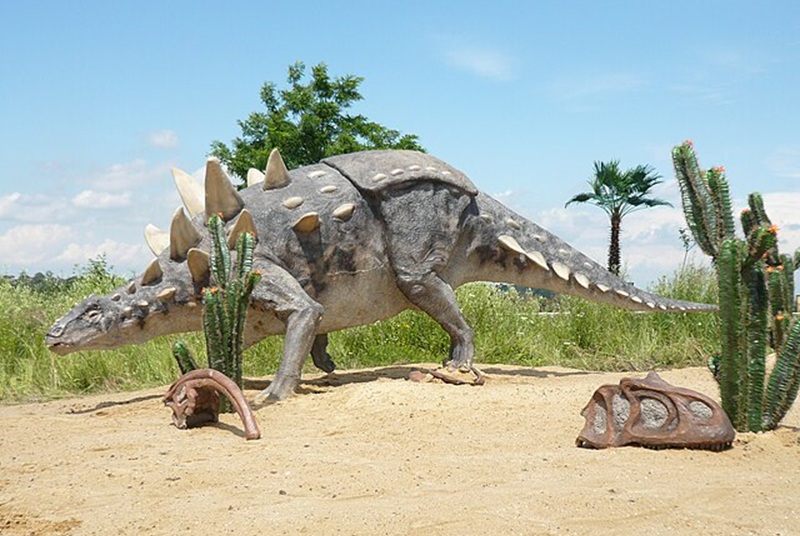
The Spiked Defender of the Late Cretaceous

Could Dinosaurs Have Developed Mammal-Like Traits if They Survived?

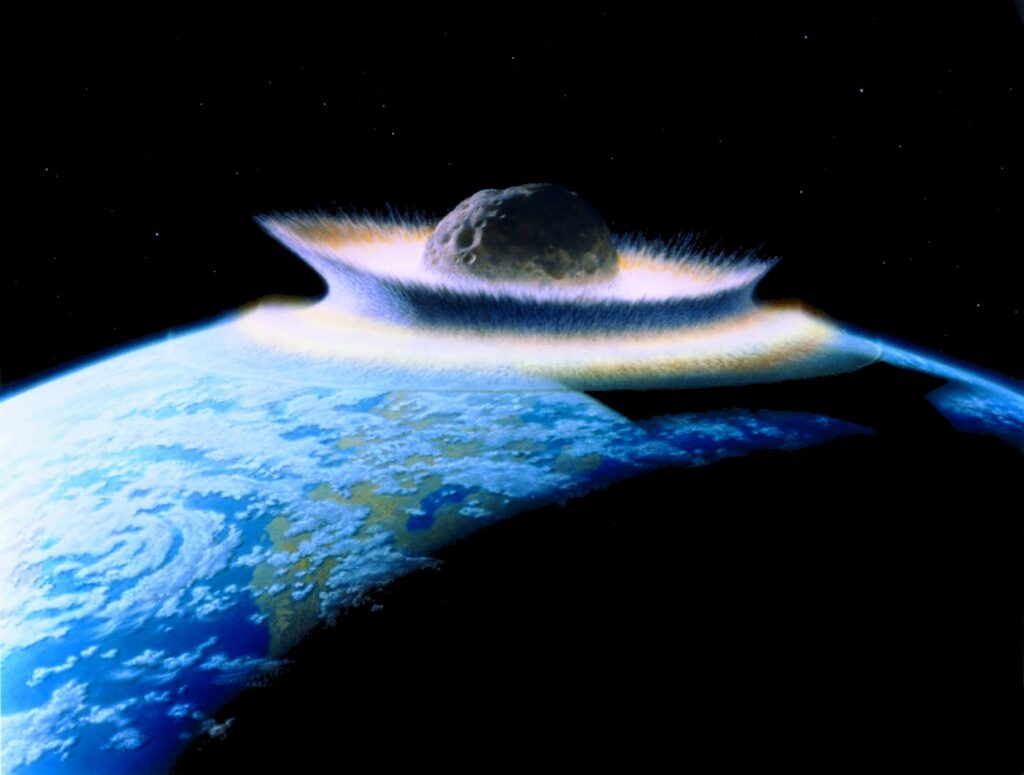
Dinosaurs dominated Earth for over 165 million years before their sudden extinction approximately 66 million years ago. This cataclysmic event, caused by an asteroid impact, dramatically altered Earth’s evolutionary trajectory, allowing mammals to diversify and eventually dominate terrestrial ecosystems. But what if dinosaurs had survived this mass extinction? The question of whether non-avian dinosaurs could ...

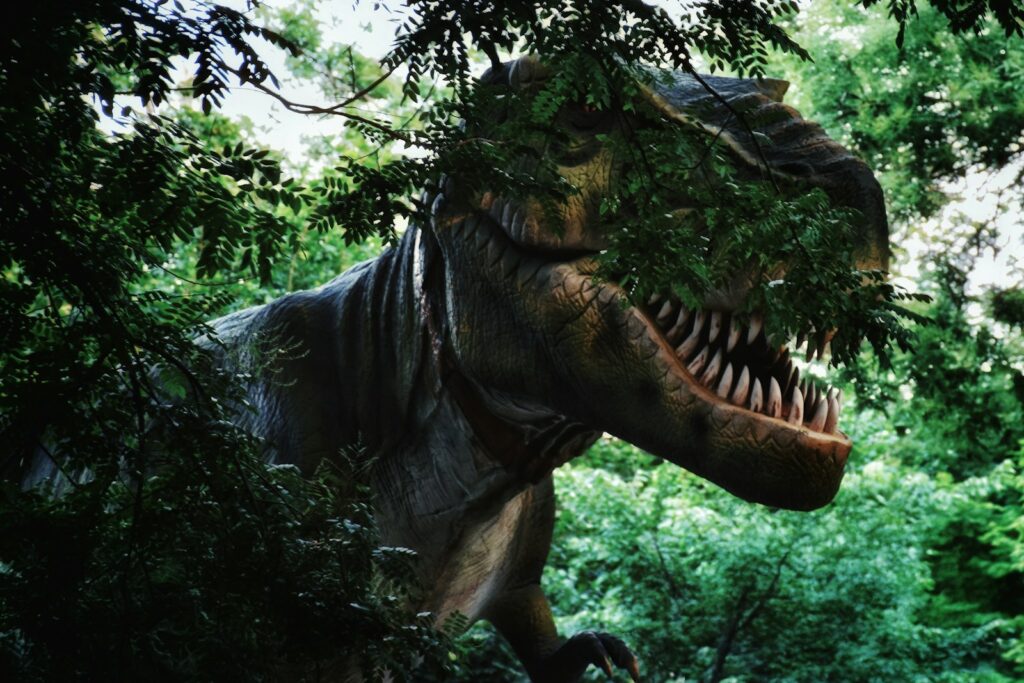
A dinosaur model with an open mouth, resembling a T. rex, stands among lush green foliage and plants.

Could Dinosaurs Have Evolved into Even Smarter Creatures?

The extinction of dinosaurs 66 million years ago represents one of Earth’s most profound evolutionary turning points. The asteroid impact that wiped out approximately 75% of all species cleared the evolutionary playing field, allowing mammals to diversify and eventually produce primates with remarkable intelligence. But this cataclysmic reset prompts a fascinating question: without this extinction ...