Articles for category: Prehistoric Discoveries

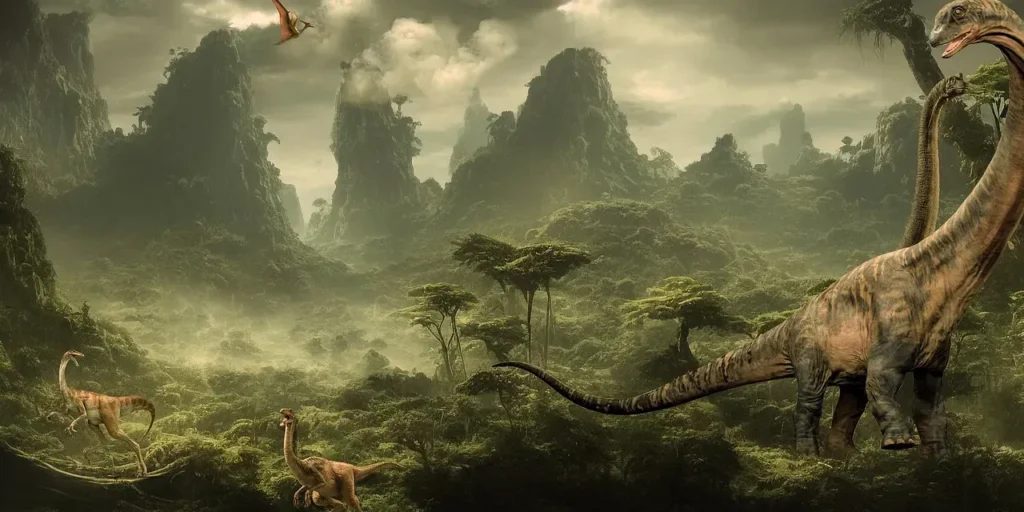
Illustration of a large, prehistoric mammal with a long neck and robust body. It appears dinosaur-like, with thick legs and a serene expression.

The Largest Prehistoric Mammal That Ever Lived – Bigger Than a T. Rex

In the vast timeline of Earth’s history, colossal creatures have come and gone, leaving behind only fossils to tell their stories. While dinosaurs often dominate our imagination of prehistoric giants, mammals have their impressive contenders. Among them stands Paraceratherium (formerly known as Indricotherium or Baluchitherium), the largest land mammal known to have ever existed. This ...

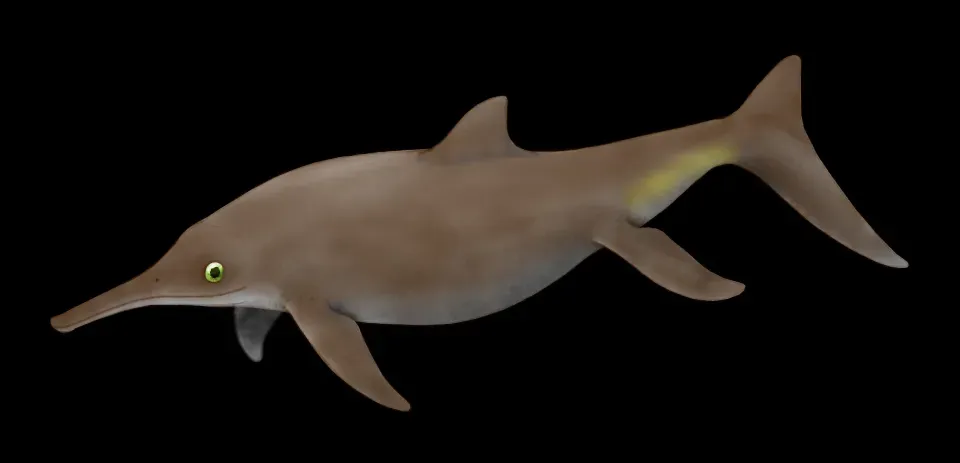
Illustration of a mosasaur, a large marine reptile, swimming with an open mouth. It has a long, streamlined body and flippers, evoking a prehistoric era.

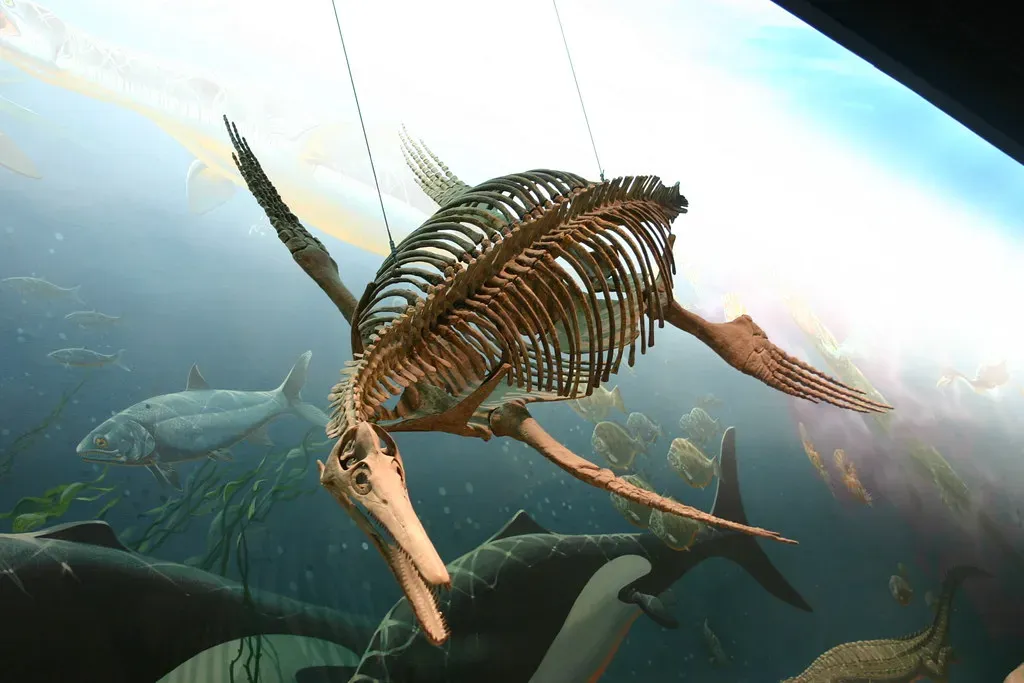
The Most Ferocious Sea Predator of the Jurassic Era

Beneath the ancient waves of Earth’s Jurassic oceans swam creatures of terrifying proportion and deadly efficiency. While dinosaurs dominated the land, the seas witnessed an equally dramatic evolutionary arms race, producing apex predators that would make today’s great white sharks seem almost docile by comparison. Among these marine hunters, one creature stands out as perhaps ...

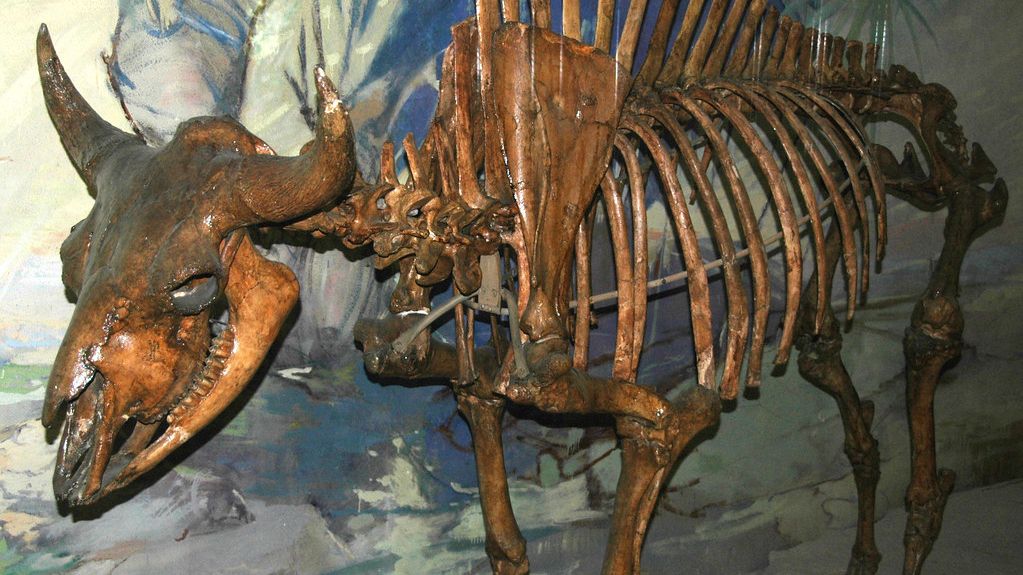
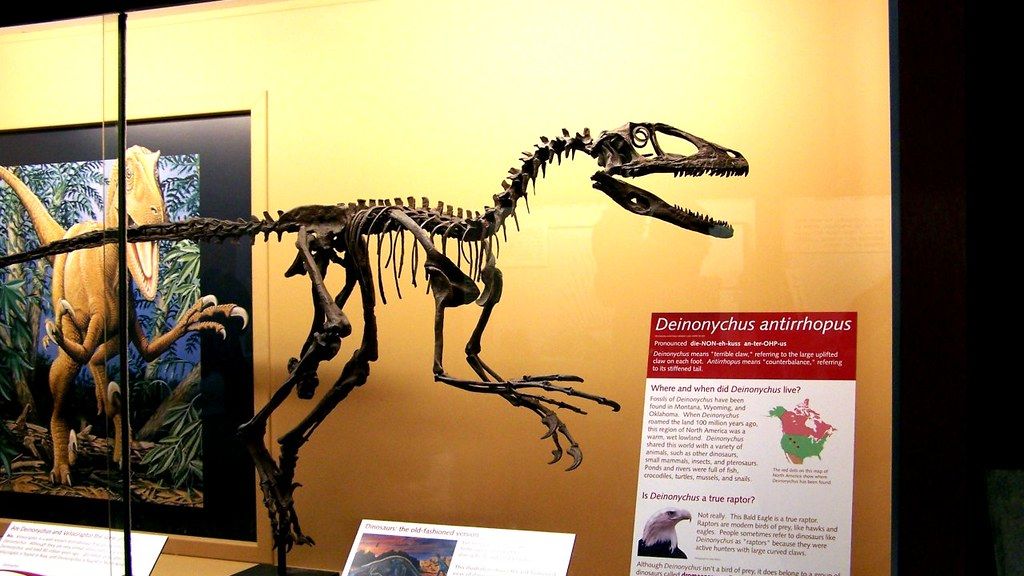
Skull of Deinonychus antirrhopus - Montana USA(33x21cm)

The First Raptor Fossil Ever Found – What Did It Tell Us?

Dinosaurs have captivated human imagination since the first fossils were discovered in the 19th century. Among these prehistoric creatures, raptors hold a special place in our collective fascination, particularly after their popularization in films like Jurassic Park. But before they became Hollywood stars, raptors first emerged into scientific awareness through fossil discoveries that revolutionized our ...

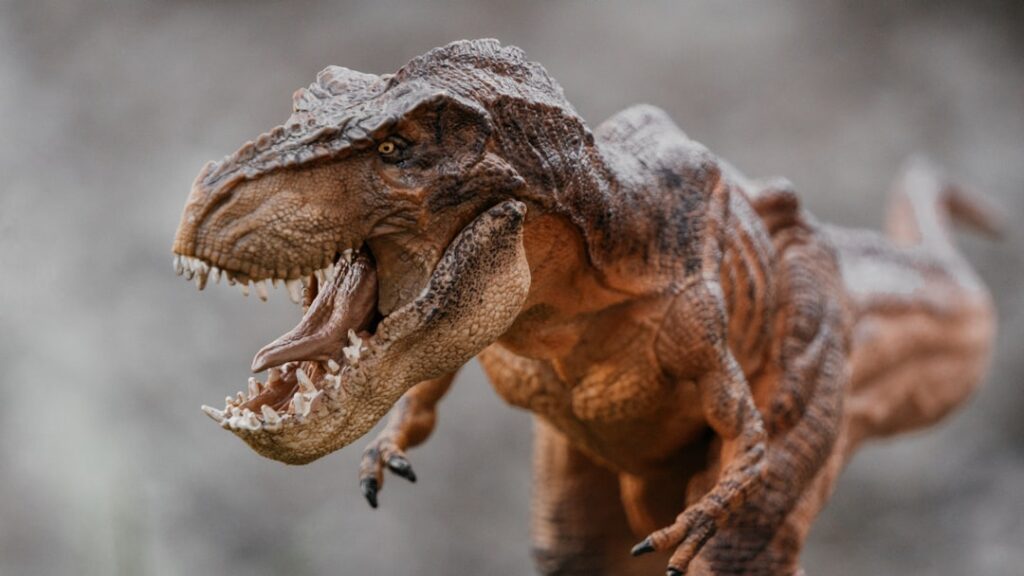
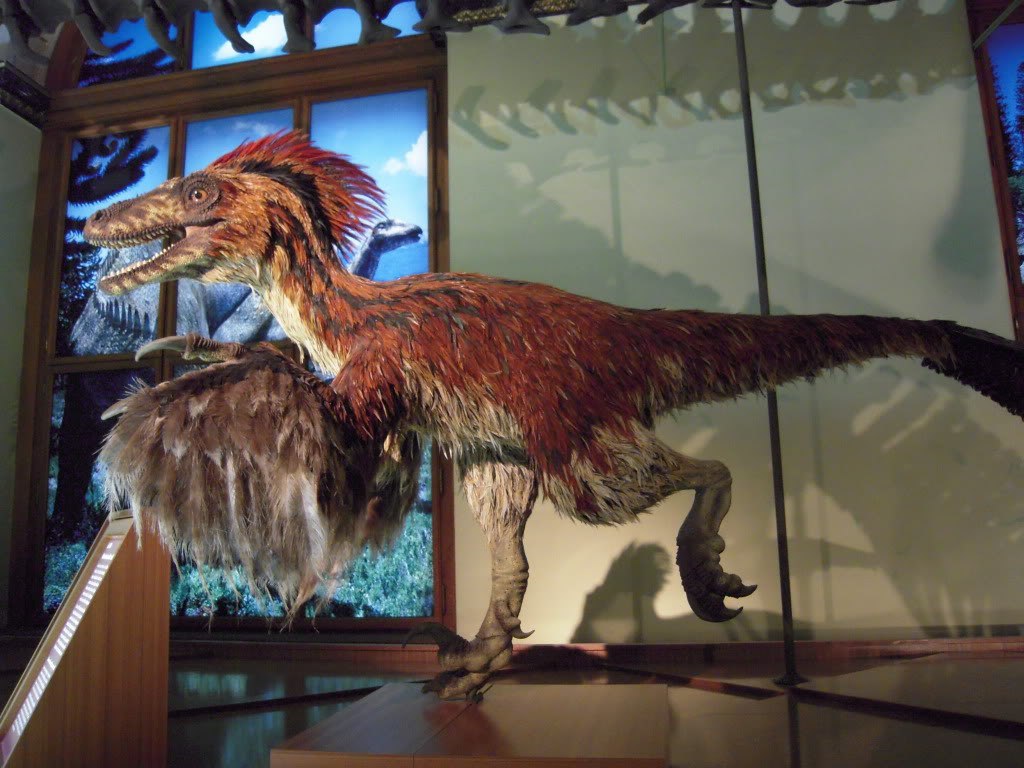
Illustration of a feathered dinosaur, possibly a dromaeosaurid, with brown and white plumage. It has a long tail and sharp claws, suggesting agility and speed.

The Fastest Raptor Dinosaur – How Fast Could It Run?

When we think of prehistoric predators, few capture our imagination quite like the swift, cunning raptors that once stalked the ancient landscapes. These feathered hunters have become cultural icons thanks to films like Jurassic Park, but separating scientific fact from Hollywood fiction reveals an even more fascinating reality about these remarkable dinosaurs. Among the many ...

Arctodus

The Most Powerful Prehistoric Bear – It Could Have Hunted Mammoths

In the shadows of prehistoric landscapes roamed a creature of such immense power and size that it could challenge the mighty mammoths themselves. The short-faced bear, scientifically known as Arctodus simus, stands as one of the most formidable predators to have ever walked North America. This colossal carnivore dominated the Pleistocene epoch, evolving into a ...

A humpback whale breaches, arching out of the ocean against a clear blue sky. Sunlight glistens on its wet skin, creating a dynamic and majestic scene.

How Big Was the First Whale? It Looked Nothing Like Modern Whales

The evolution of whales represents one of the most fascinating transformations in mammalian history. While today’s whales are massive, streamlined marine giants, their earliest ancestors were surprisingly different creatures. The first whales, emerging roughly 50 million years ago, were small, four-legged mammals that only vaguely hinted at the ocean behemoths they would eventually become. This ...

Liopleurodon

The Deepest-Diving Prehistoric Sea Creatures

The ancient oceans teemed with remarkable marine predators that evolved extraordinary adaptations for deep-water hunting. While modern creatures like sperm whales and elephant seals impress us with their diving abilities, prehistoric marine reptiles and fish developed specialized anatomical features that potentially allowed them to reach astonishing depths. From the oxygen-storing capabilities of ichthyosaurs to the ...

How Did Raptors Hunt in Packs? New Evidence Suggests Strategy

Dinosaur enthusiasts and paleontologists alike have long debated whether dromaeosaurids, commonly known as “raptors,” were solitary hunters or pack-oriented predators. Recent fossil discoveries and advanced analytical techniques are reshaping our understanding of these fascinating prehistoric predators. While popular culture depicts raptors as coordinated pack hunters—memorably showcased in films like Jurassic Park—the scientific community has approached ...