Articles for category: Prehistoric Discoveries

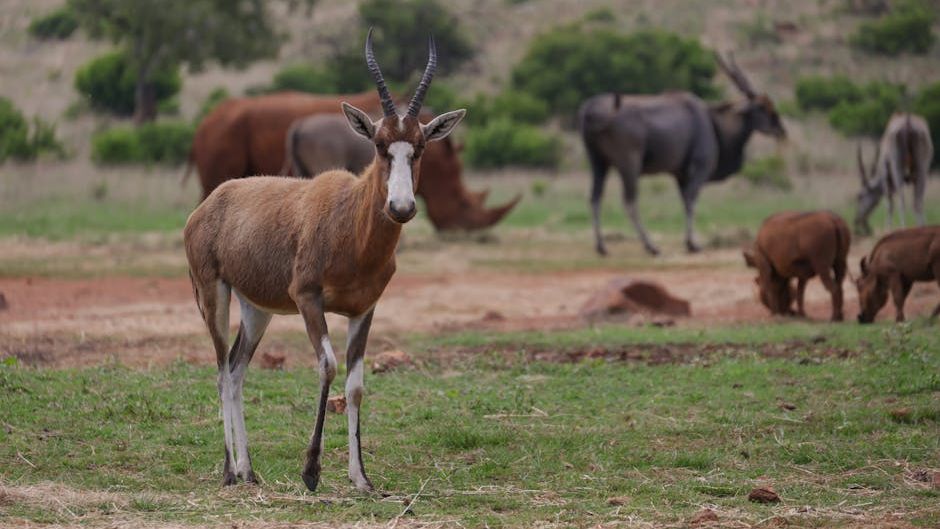
Ndeveni - The Ostrich Run at Maasai Mara Game Park

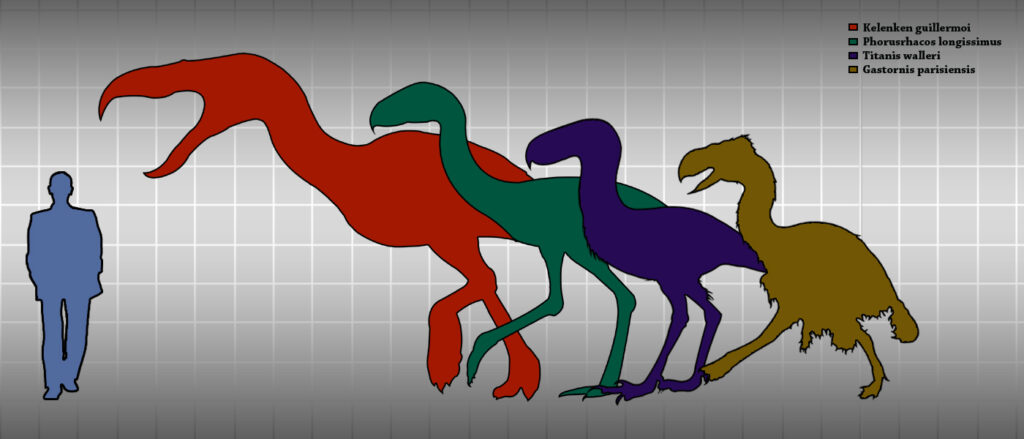
Ostriches and Emus: Echoes of Prehistoric Giants

When we observe the towering ostrich strutting across African savannas or watch an emu loping through the Australian outback, we’re witnessing living relics of Earth’s ancient past. These remarkable birds represent an evolutionary lineage connecting us directly to the dinosaur era. Standing as the largest and second-largest living birds respectively, ostriches and emus belong to ...

The Trilobite Defense System

The Sea Creature With Armor So Tough It Defied Evolution

Imagine finding a fossil so perfectly preserved that scientists couldn’t believe their eyes. Picture stumbling upon ancient creatures whose defensive systems were so sophisticated they seemed like engineering marvels from another world. These weren’t mythical beasts, but real animals that dominated prehistoric oceans with armor so advanced it challenged everything paleontologists thought they knew about ...

Illustration of a woolly rhino in a snowy landscape, with a blue sky and swirling snowflakes. The animal appears majestic and resilient.

The Woolly Rhinoceros: An Ice Age Giant You Should Know About

The Ice Age conjures images of massive mammoths and saber-toothed cats, but one magnificent beast often overlooked in popular culture deserves equal recognition: the woolly rhinoceros. This formidable herbivore roamed the cold steppes of Eurasia during the Pleistocene epoch, perfectly adapted to harsh glacial conditions that would devastate most modern mammals. With its impressive horn ...

Reconstruction of ammonoids

Why Ammonites Were the True Kings of the Prehistoric Oceans

When we think of ancient marine predators, our minds often leap to massive creatures like megalodon or mosasaurs. However, for over 300 million years, a different group of organisms dominated the prehistoric seas – the ammonites. These cephalopods, with their distinctive spiral shells and remarkable adaptations, weren’t just passive inhabitants of ancient oceans but rather ...

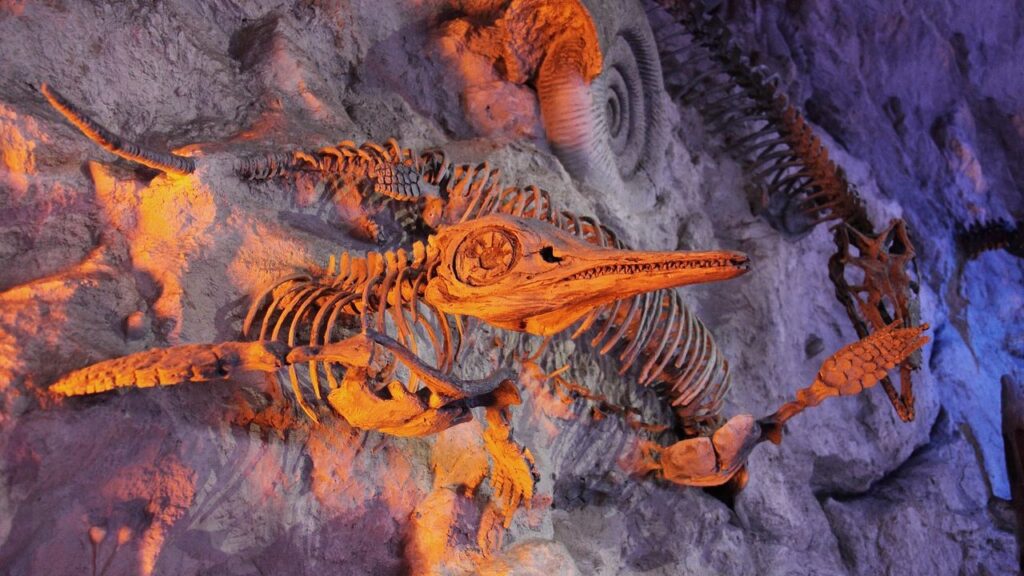
Massive mosasaurs and plesiosaurs needed huge amounts of food to survive.

Meet the Giant Predators of the Late Cretaceous Seas

The Late Cretaceous period, spanning from approximately 100 to 66 million years ago, witnessed Earth’s oceans teeming with some of the most formidable marine predators to ever exist. As dinosaurs dominated the land, equally impressive giants ruled the prehistoric seas. These ancient marine hunters evolved remarkable adaptations that made them perfectly suited for their aquatic ...

Snake-Like Fossils From the Age of Dinosaurs: What We’ve Found

Imagine uncovering fossils of creatures both eerie and awe-striking—snake-like beings that coexisted with dinosaurs, lurked in lush swamps, and defied evolutionary expectations. From ancient four‑legged serpents to colossal constrictors that rival trucks in length, the fossil record has unveiled fascinating chapters in snake evolution. In this article, we’ll explore the most remarkable discoveries: what they ...

area covered with green leafed plants

What Did Dinosaurs Really Eat? A Look at Ancient Plant Life

When we imagine dinosaurs, we often picture ferocious predators like Tyrannosaurus rex tearing into prey. However, the reality of dinosaur diets was far more diverse and fascinating. Approximately 65% of all dinosaur species were herbivores, consuming various types of prehistoric plants throughout the Mesozoic Era (252-66 million years ago). Understanding what plant-eating dinosaurs consumed requires ...