Articles for category: Prehistoric Discoveries

A head of Sarcosuchus imperator in National Museum of Natural Sciences of Spain

Sarcosuchus vs. Deinosuchus: Clash of the Giant Crocs

Long before modern crocodilians ruled Earth’s waterways, prehistoric giants dominated ancient ecosystems as apex predators. Among these titans, Sarcosuchus and Deinosuchus stand out as two of the most formidable crocodilian ancestors to ever exist. These massive prehistoric reptiles have captured the imagination of paleontologists and the public alike, representing nature’s perfect predatory design scaled to ...

A detailed black and white illustration of a crocodile resting on a rock by a riverbank, surrounded by lush ferns and plants, conveying a serene, natural setting.

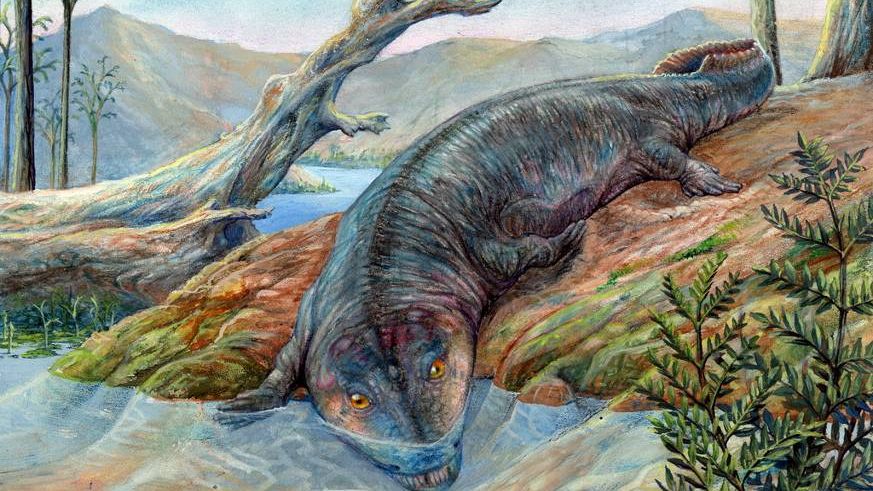
The Miniatures of the Dawn Age: Tiny Triassic Species You’ve Never Heard Of

When we think of prehistoric life, images of towering dinosaurs and massive marine reptiles often dominate our imagination. However, the Triassic period—spanning from 252 to 201 million years ago—was home to a remarkable diversity of miniature creatures that rarely make headlines in paleontological discussions. These diminutive species played crucial roles in evolving ecosystems following the ...

Prehistoric Sharks and Ancient Terror

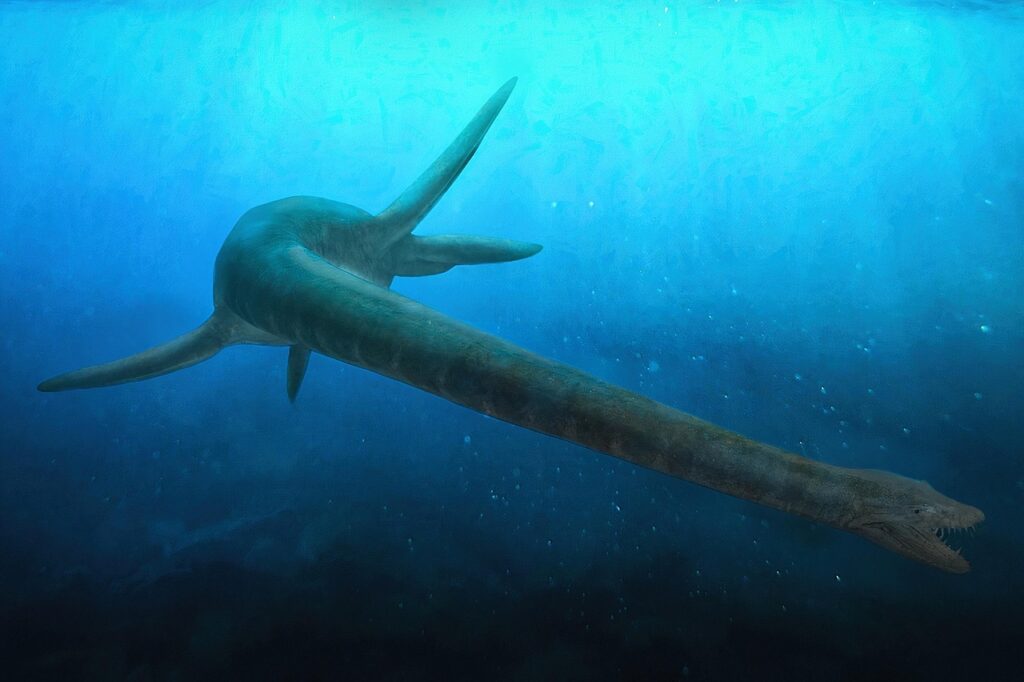
Inside the Jurassic Aquarium: Incredible Creatures of Prehistoric Seas

Picture yourself floating through crystal-clear waters two hundred million years ago. The sun filters down through waves, illuminating a world completely different from today’s oceans. You’re witnessing what scientists now call the Jurassic aquarium – an underwater realm where massive marine reptiles rule the seas, enormous spiral shells drift like living submarines, and razor-toothed predators ...

Shastasaurus altispinus, an ichthyosaur

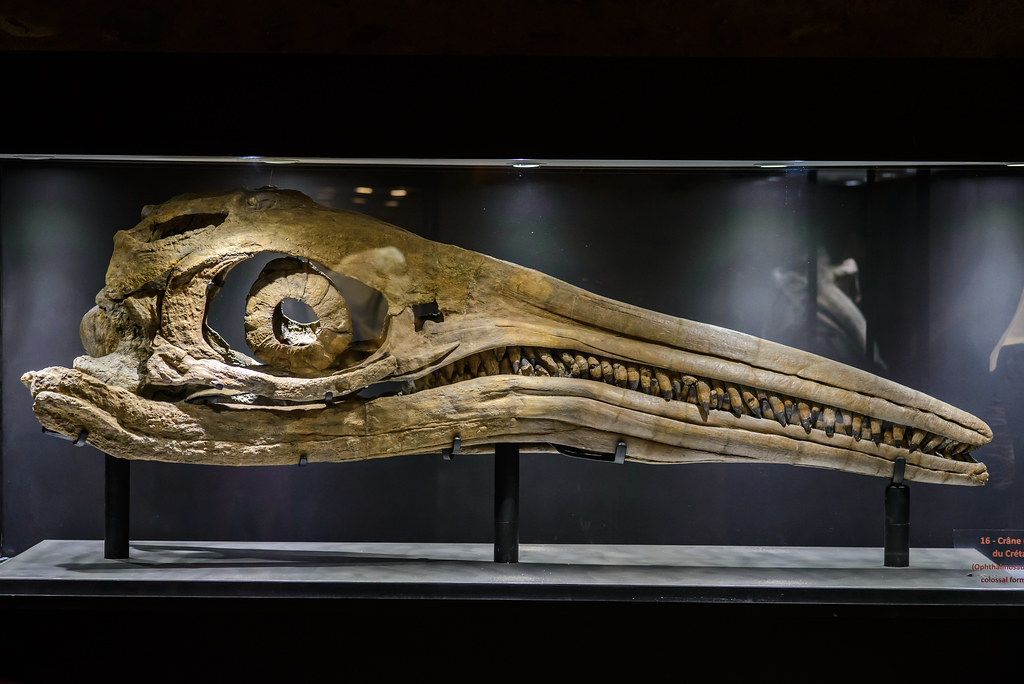
How Ichthyosaurs Gave Birth: Prehistoric Insights into Live Birth

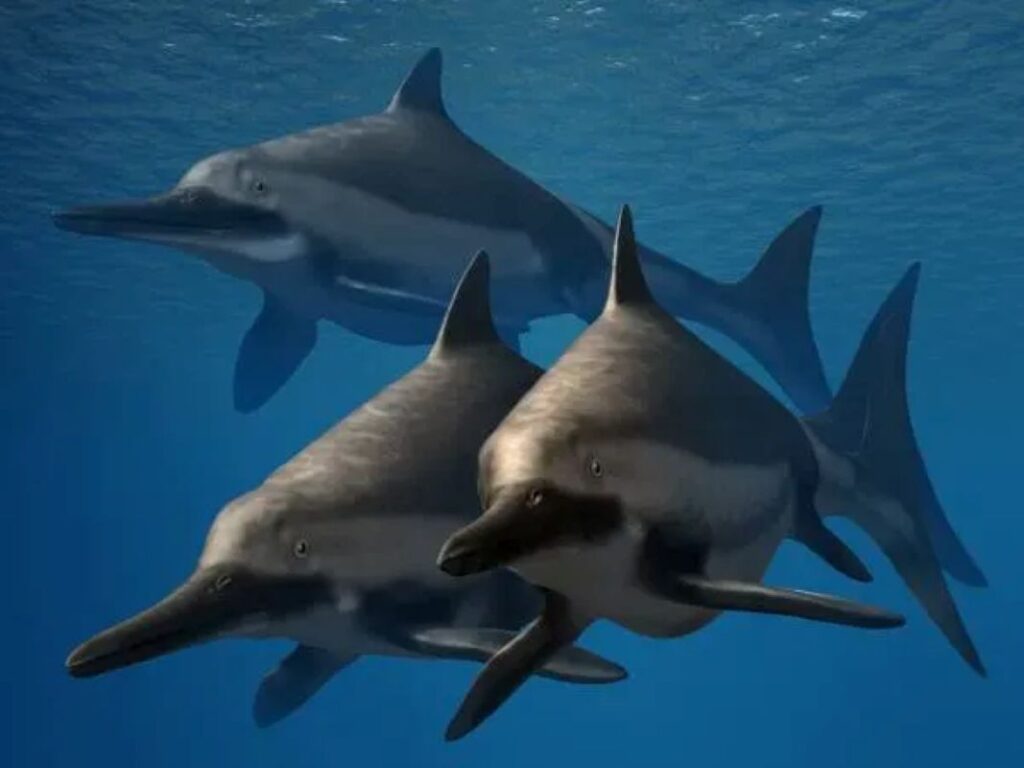
In the depths of ancient oceans, remarkable marine reptiles called ichthyosaurs once dominated the prehistoric seas. These dolphin-like creatures have fascinated paleontologists not just for their streamlined bodies and extraordinary adaptations to aquatic life, but also for a particularly intriguing aspect of their biology: they gave birth to live young underwater. Unlike most reptiles that ...