Articles for category: Prehistoric Discoveries

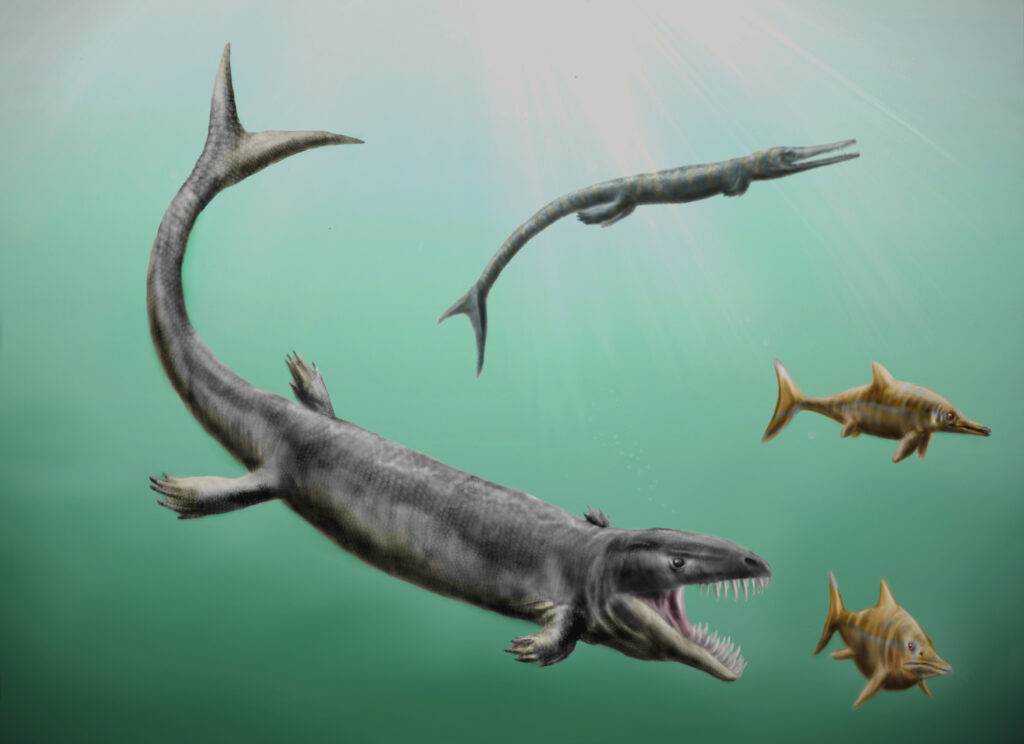
Reconstruction of a prehistoric aquatic creature with a long snout and sharp teeth, swimming underwater. The scene conveys a sense of ancient mystery.

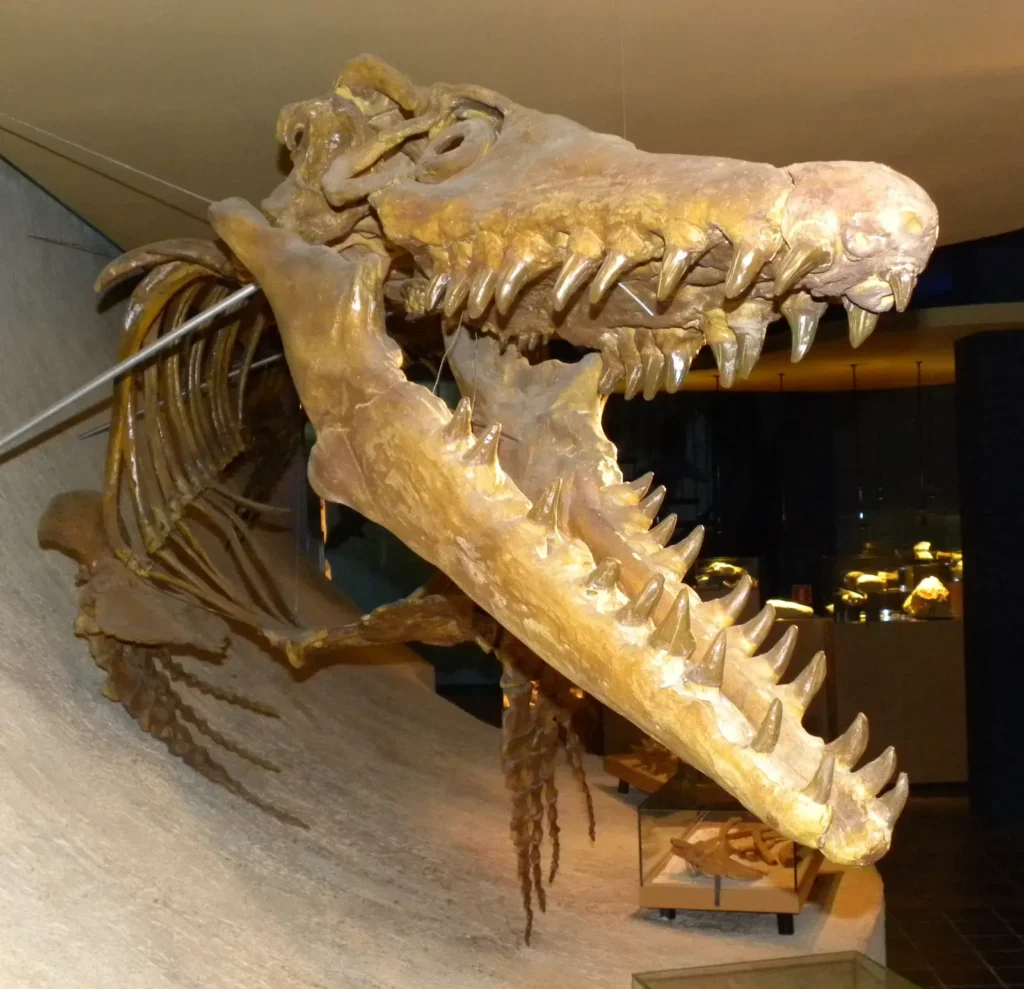
What Prehistoric Aquatic Mammals Tell Us About Evolution After Extinction

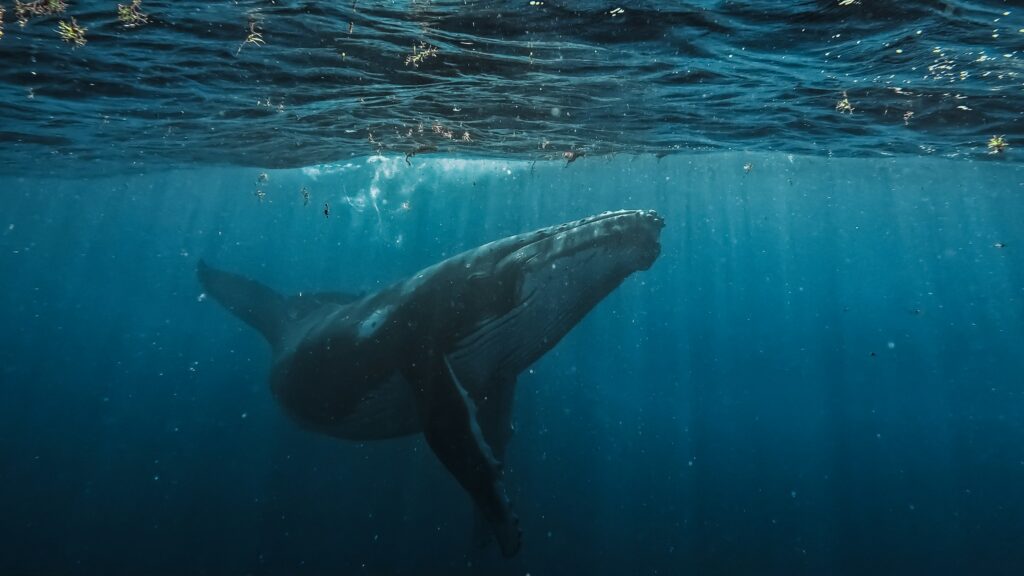
The mysterious depths of Earth’s prehistoric oceans hold fascinating stories of evolutionary resilience and adaptation. When we examine the fossil record of ancient aquatic mammals, we discover not just extinct creatures, but profound lessons about how life responds to catastrophic changes. These marine pioneers—from early whales that walked on land to massive sea cows that ...

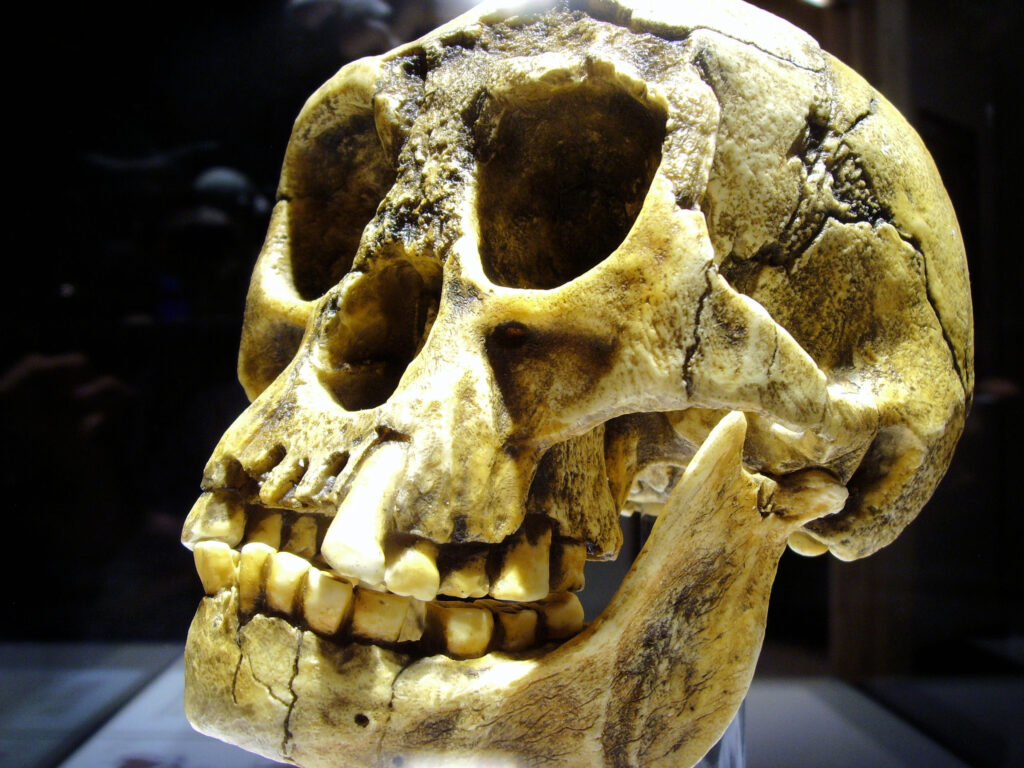
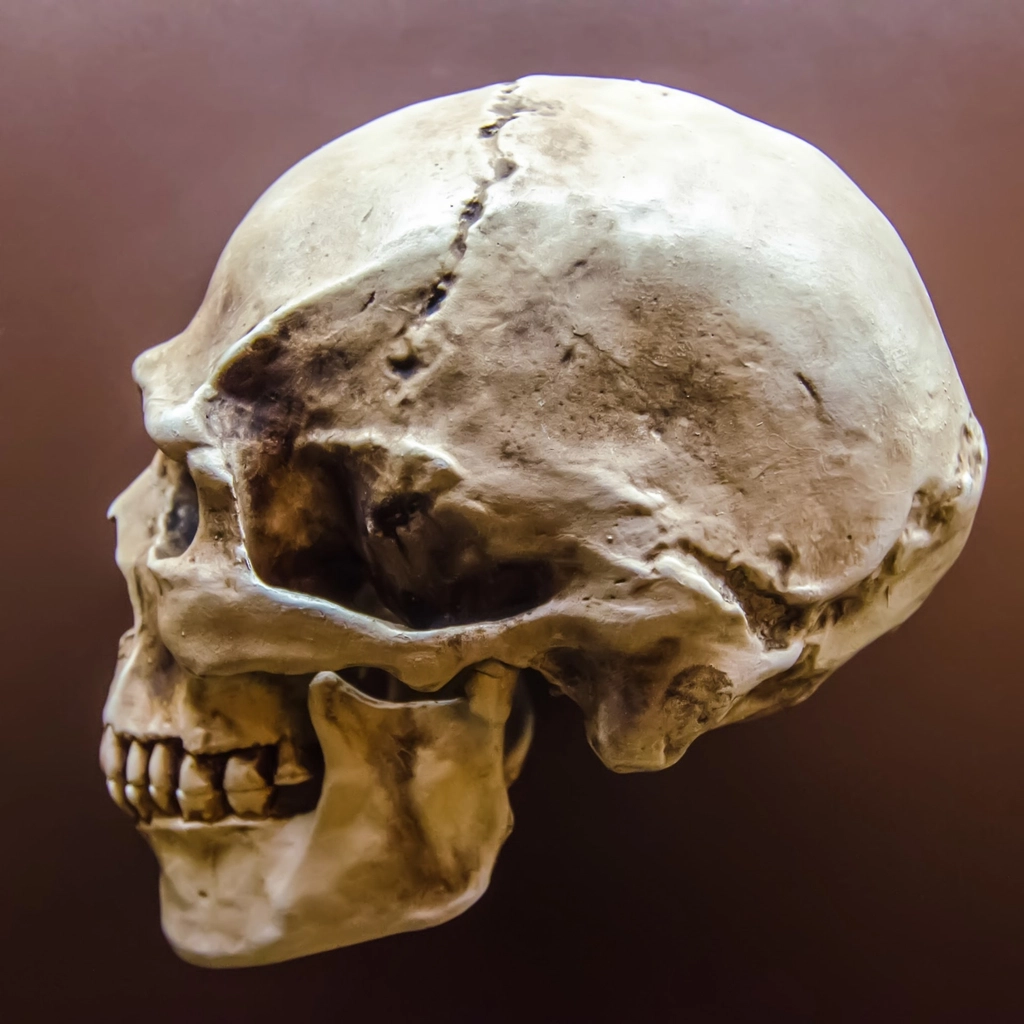
Famous Faces from the Depths

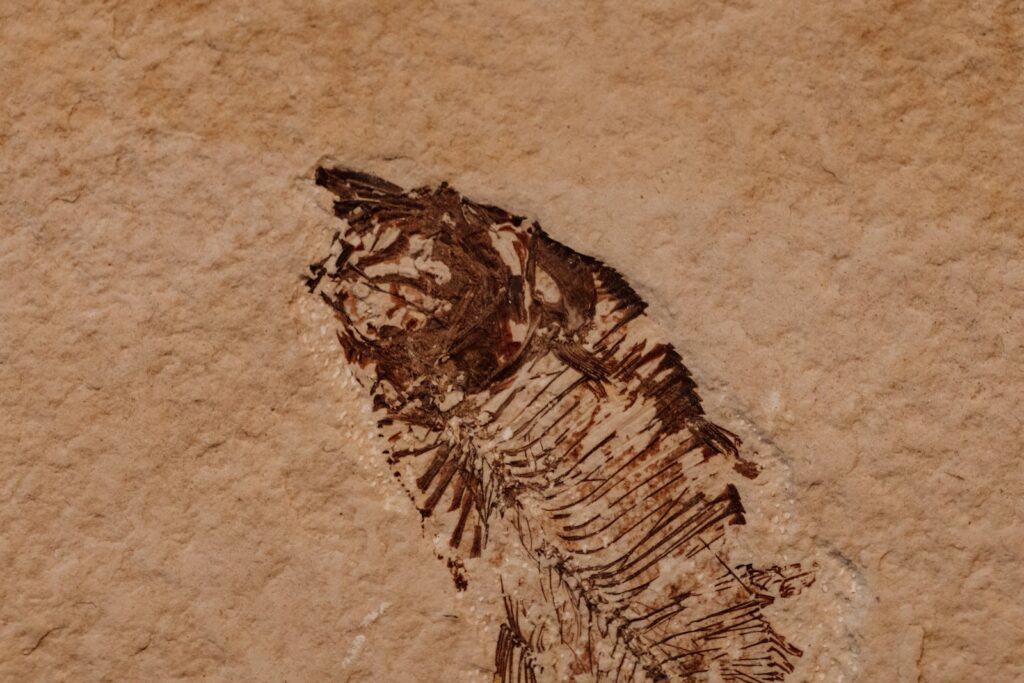
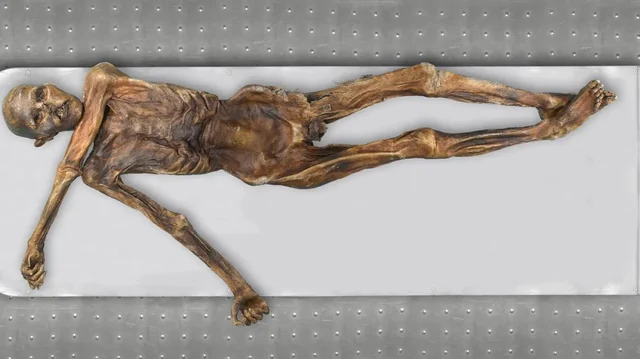
The Muck Preserves: Fossils Found in Ancient Swamps and Boglands

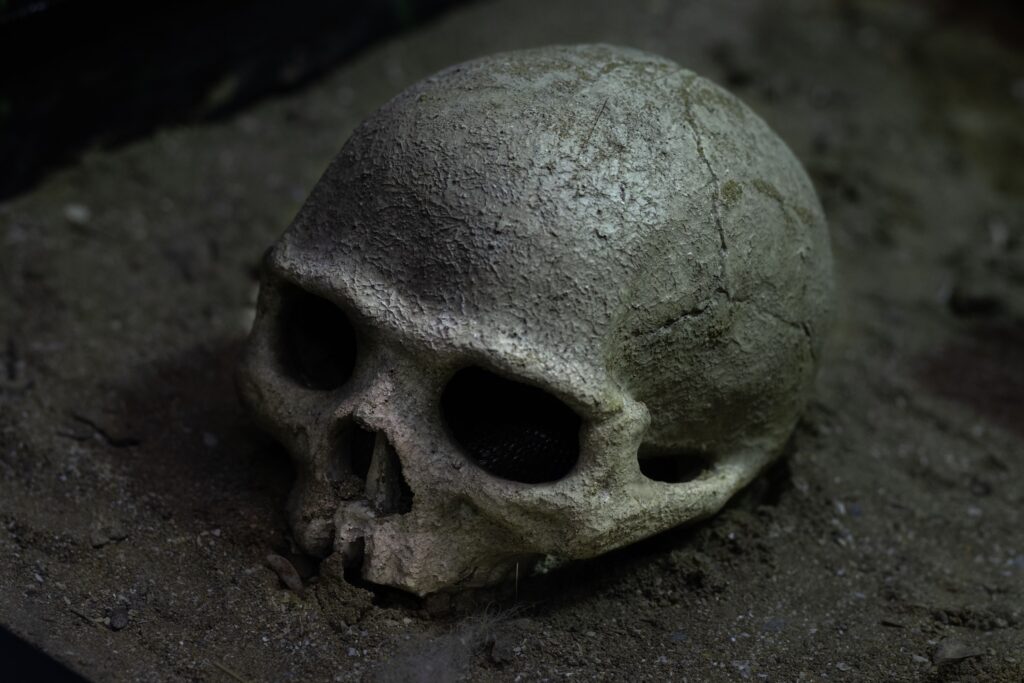
Picture this: a prehistoric time machine hidden beneath our feet, where creatures from millennia past lie perfectly preserved in nature’s own formaldehyde. Ancient swamps and bogs have become the ultimate keepers of secrets, maintaining incredible records of life that would otherwise vanish into dust. These waterlogged time capsules hold everything from human remains with visible ...

Anatidae (Anseriformes) anatomy

The Hollow Bones Theory: How Lightweight Skeletons Changed Evolution

In the grand tapestry of evolutionary history, few adaptations have been as transformative as the development of hollow bones. This remarkable skeletal innovation—known scientifically as pneumaticity—revolutionized vertebrate evolution by dramatically reducing body weight while maintaining structural integrity. The hollow bones theory explains how this adaptation allowed certain animal groups, particularly birds and their dinosaur ancestors, ...

The Trilobite Defense System

The Sea Creature With Armor So Tough It Defied Evolution

Imagine finding a fossil so perfectly preserved that scientists couldn’t believe their eyes. Picture stumbling upon ancient creatures whose defensive systems were so sophisticated they seemed like engineering marvels from another world. These weren’t mythical beasts, but real animals that dominated prehistoric oceans with armor so advanced it challenged everything paleontologists thought they knew about ...

Modern plants could stump ancient herbivores—today’s angiosperms would challenge dinosaur digestion with new defenses and nutrients.

No Potatoes Here: The Prehistoric Plants Dinosaurs Dined On

The prehistoric world of dinosaurs was dramatically different from our modern landscape. When we imagine dinosaurs feeding, we often picture Tyrannosaurus rex tearing into prey or Brachiosaurus stretching its long neck to reach treetops. But what exactly were those plants they consumed? While modern favorites like potatoes, corn, and roses were nowhere to be found, ...

Ndeveni - The Ostrich Run at Maasai Mara Game Park

Ostriches and Emus: Echoes of Prehistoric Giants

When we observe the towering ostrich strutting across African savannas or watch an emu loping through the Australian outback, we’re witnessing living relics of Earth’s ancient past. These remarkable birds represent an evolutionary lineage connecting us directly to the dinosaur era. Standing as the largest and second-largest living birds respectively, ostriches and emus belong to ...

Illustration of a woolly rhino in a snowy landscape, with a blue sky and swirling snowflakes. The animal appears majestic and resilient.

The Woolly Rhinoceros: An Ice Age Giant You Should Know About

The Ice Age conjures images of massive mammoths and saber-toothed cats, but one magnificent beast often overlooked in popular culture deserves equal recognition: the woolly rhinoceros. This formidable herbivore roamed the cold steppes of Eurasia during the Pleistocene epoch, perfectly adapted to harsh glacial conditions that would devastate most modern mammals. With its impressive horn ...